Sea Organ in Zadar, Croatia: 10 Things to Do Nearby
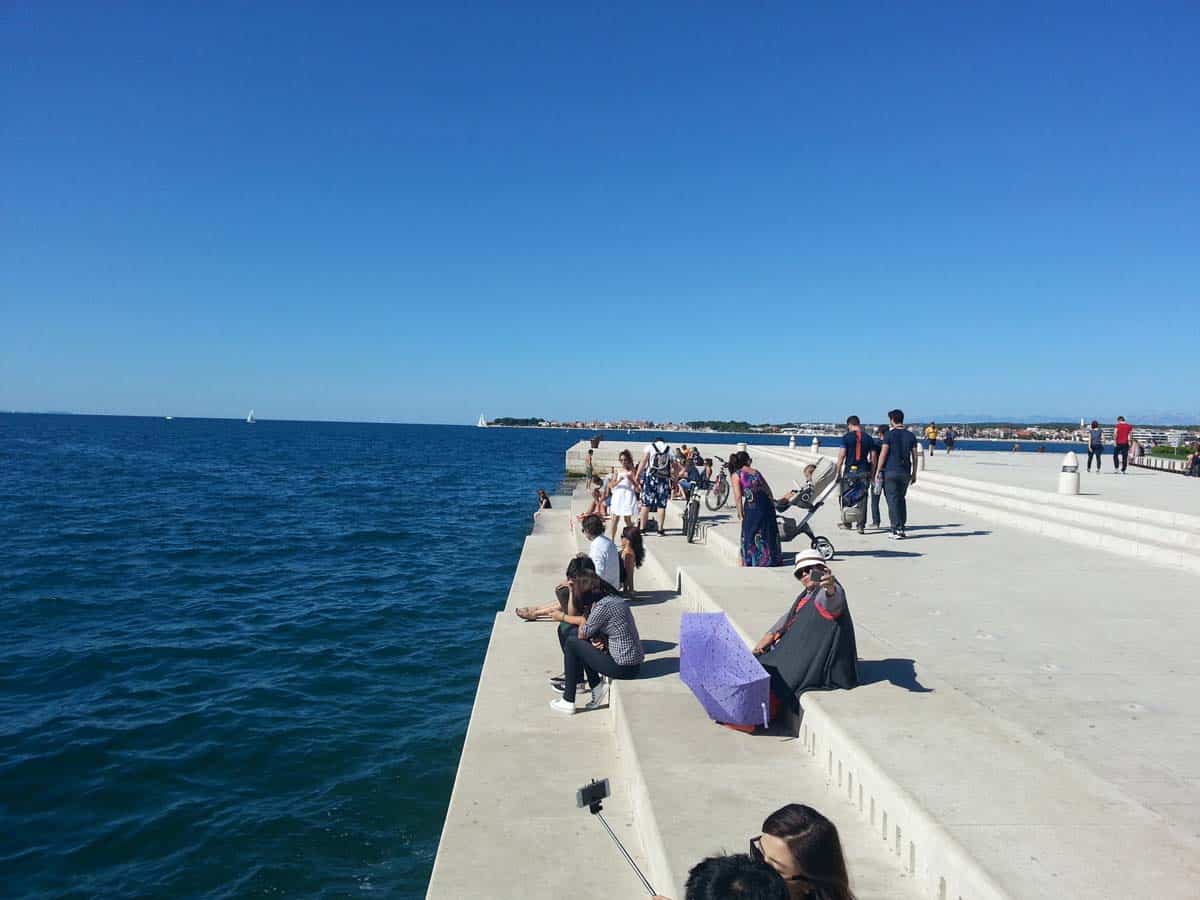
Zadar is a historic port city on Croatia’s Dalmatian coast, on the Adriatic Sea. Its old town sits on a narrow peninsula, and at the western tip you will find one of Europe’s most unusual public artworks: the Sea Organ, or Morske orgulje in Croatian. It is a set of white marble steps that turns the movement of the sea into sound.
The Sea Organ was designed by the Croatian architect Nikola Bašić and opened in 2005 as part of the waterfront’s renewal. It is free, open to everyone and easy to combine with Roman ruins, old churches and sunset walks nearby. Here are the 10 best things to do around the Sea Organ in Zadar, with tips on when to go and how to plan your trip.
1. Listen to the Sea Organ
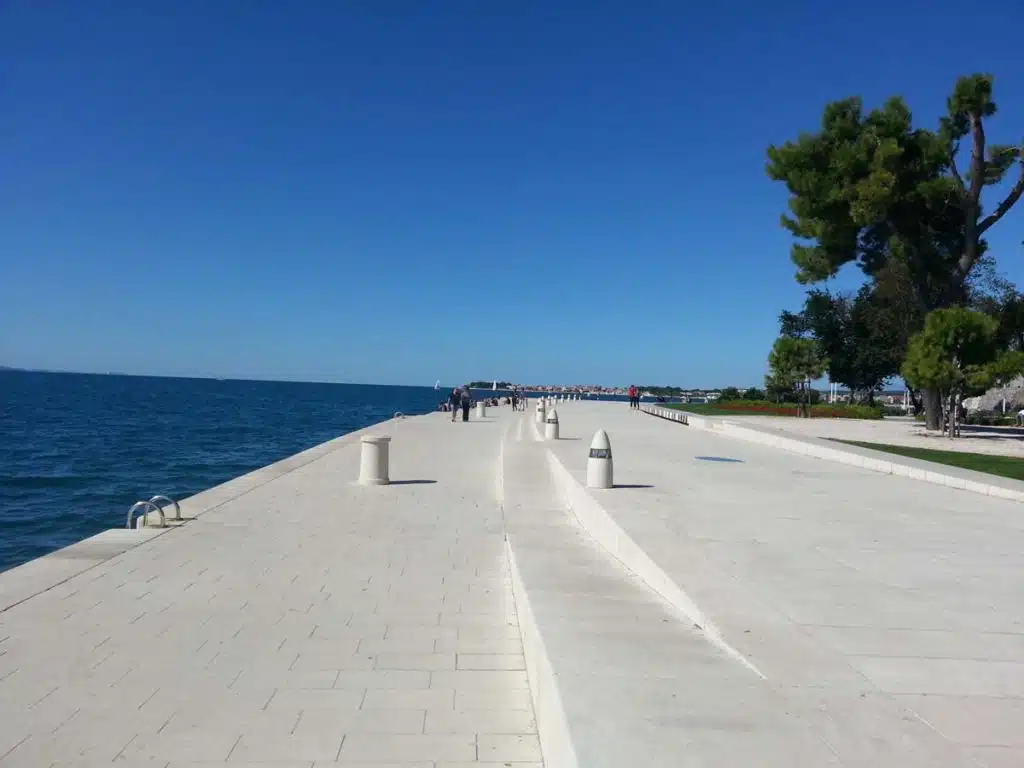
Start with the main attraction. Walk down to the western end of the peninsula and sit on the wide steps that lead into the water. Low, soft notes rise from the stone as the waves roll in, a little like a distant choir or a set of wind pipes. No two minutes sound the same, because the sea decides the music.
2. Find out how it works
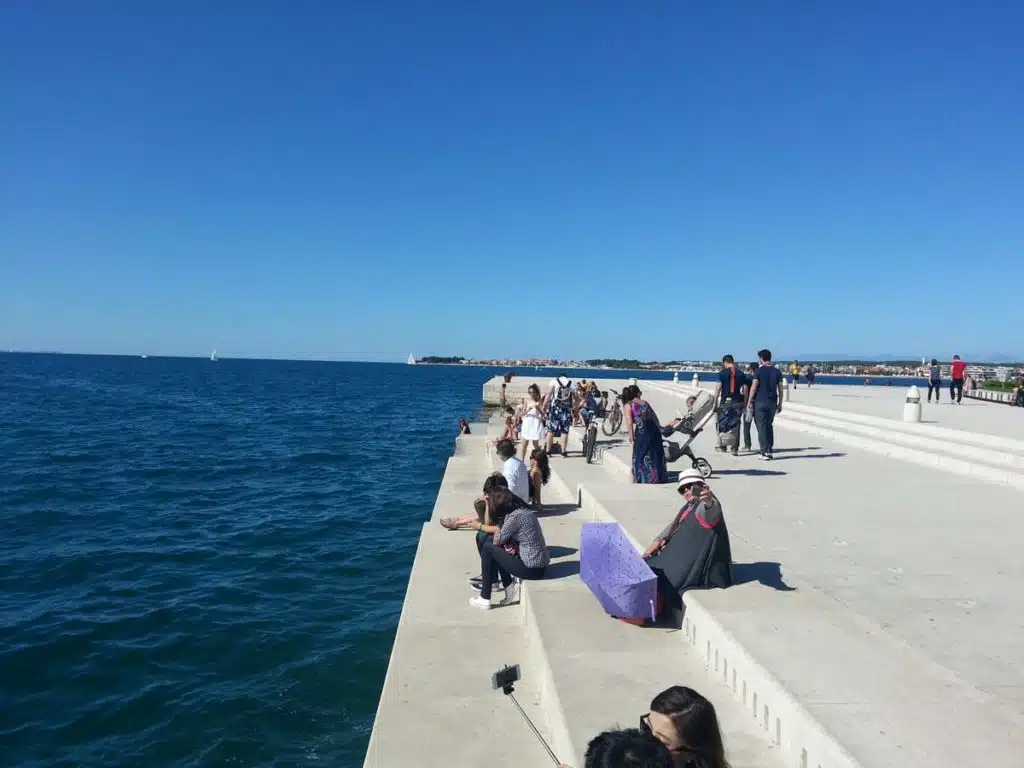
Under the marble steps, a set of 35 tubes of different lengths runs to whistle openings in the stone. When a wave pushes into the tubes, it forces air through them, and each tube is tuned to a different note. Bigger waves give louder, deeper sounds. Calm water gives a gentle hum, and passing boats add their own wash.
3. Watch the sunset from the steps
Evening is the favourite time here. The sun drops into the sea beyond the islands, the sky turns orange and pink, and people settle on the steps to listen. It gets busy in summer, so arrive early if you want a good seat. The marble can be hard, so a small cushion or scarf helps if you plan to stay a while.
4. See the Greeting to the Sun
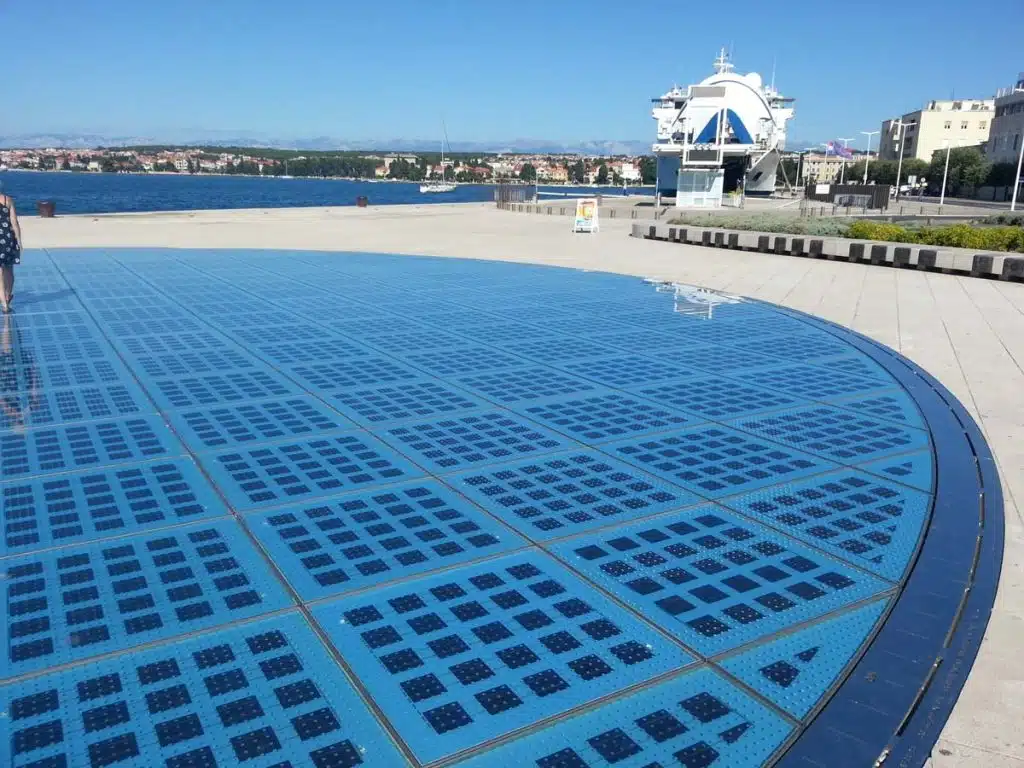
Just along the promenade is a large circle of glass panels set into the paving. It is also by Nikola Bašić and is called the Greeting to the Sun. The panels collect sunlight by day and glow in changing patterns after dark. It makes a fine second stop after the Sea Organ, and children enjoy running across it.
5. Walk the waterfront promenade
The seafront path around the tip of the peninsula is flat, wide and good for a slow stroll. You get sea views, small beaches and ladders for swimming in summer, and the islands across the channel. Park benches and cafés are close by. It is a good place to see the whole story of Zadar: old stone, new art and open water.
6. Visit the Church of St Donatus and the Roman Forum
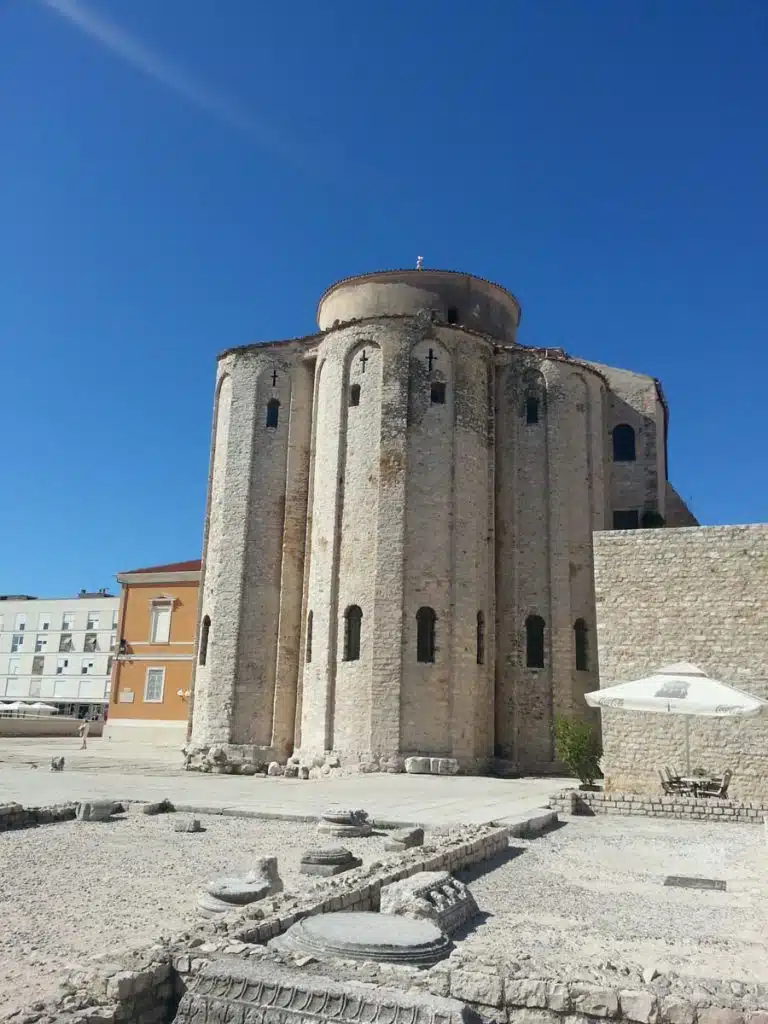
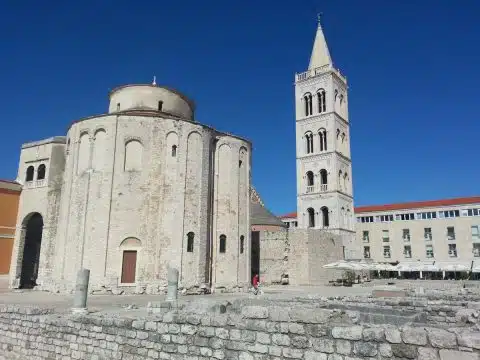
A short walk inland brings you to the old Roman Forum. Its best-known building is the round Church of St Donatus, an early medieval church and the city’s most recognisable landmark. Broken columns and stone blocks from Roman times lie around it. The plain, solid shape of the church is a strong contrast to the modern steps by the sea.
7. Walk through the old town gates
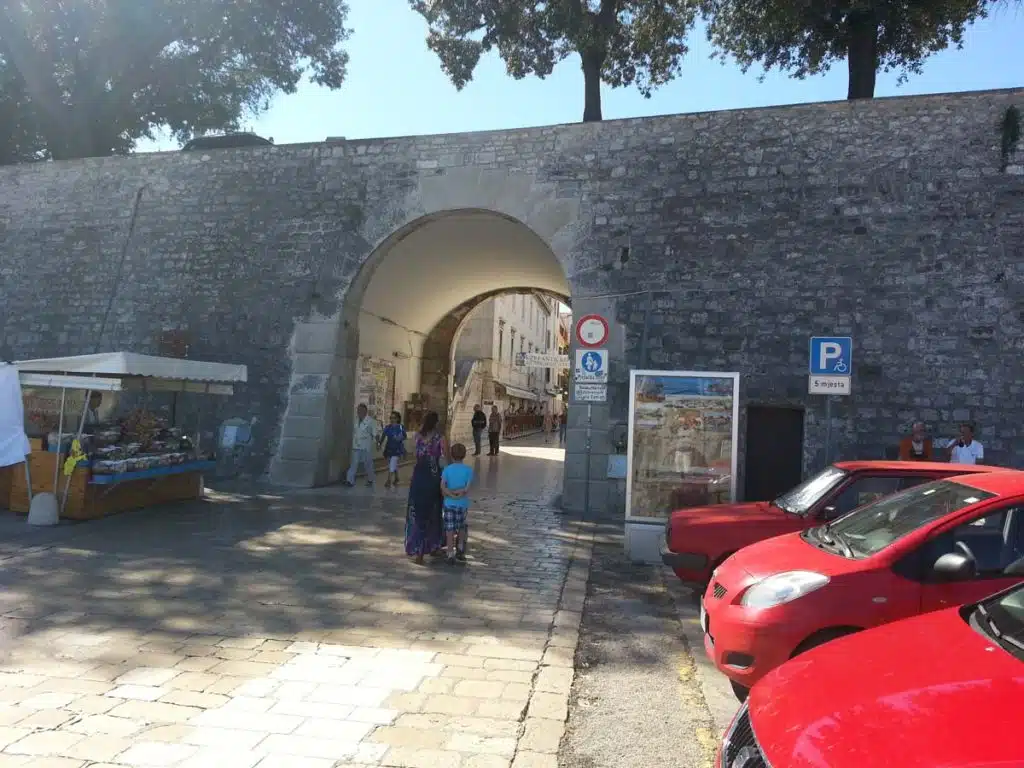
Zadar’s old town is still surrounded by defensive walls, built mainly in the Venetian period. The gates are worth a look for their carved stone and their history. Walking through one is a simple way to feel how the city was once protected. Inside, narrow limestone streets, small squares and old churches are easy to explore on foot.
8. Step into the Archaeological Museum
If you like history, the Archaeological Museum is close to the Forum and shows finds from the Zadar area, from prehistoric times through the Roman period and the Middle Ages. It is a quiet option for a hot afternoon or a rainy day. Check opening times locally, as they change with the season.
9. Look at the harbour and take a boat trip
The channel between the old town and the nearby island of Ugljan is busy with ferries and small boats. You can watch them from the harbour edge or take a ferry or day trip to the islands. Many boat tours also head to the Kornati islands, a large group of rocky islands. Book through a local operator and check the weather first.
10. Try local food and drink
Zadar is known for maraschino, a cherry liqueur made in the region for centuries. In the old town you can also find fresh fish, local cheese, olive oil and cured ham. Many restaurants and cafés in the old town stay open late, so it is easy to end a sea walk with dinner. Look for seasonal fish on the daily menu.
When to visit the Sea Organ
The best months are late spring and early autumn, when the weather is warm, the sea is calm enough to swim and the crowds are smaller. Summer brings long evenings and sunset crowds, but also heat and busy streets. In winter the sea can be rougher, which often means louder music, though the days are short and cool. Evening light is the most beautiful at any time of year.
Tips for planning your trip
Zadar has an airport with flights from many European cities, and long-distance buses run to the bus station from Zagreb, Split and other places along the coast. Ferries connect the city with the islands. The old town is small and mostly closed to cars, so walking is the best way to get around, and the Sea Organ is only a short stroll from the Forum. Wear comfortable shoes, as the stone can be slippery when wet. Bring a hat and water in summer. Photos are free to take, but please keep the steps clear for others. Learn more about the city in our natural world pictures or see the photo links below.
Questions about the Sea Organ
How does the Sea Organ work?
Waves push air through tubes hidden under the marble steps. The air escapes through whistle openings, each tuned to a different note, so the sound changes with the sea.
Is the Sea Organ free to visit?
Yes. It is a public waterfront space that you can visit at any time without a ticket.
What is the best time of day to go?
Late afternoon to sunset is the most popular time, thanks to the light and the atmosphere. Early morning is quieter if you want to listen in peace.
Free photos: Zadar (63 photos) and more Croatia pictures.