Best Time to Visit Greece: Seasons, Weather, Crowds and Festivals
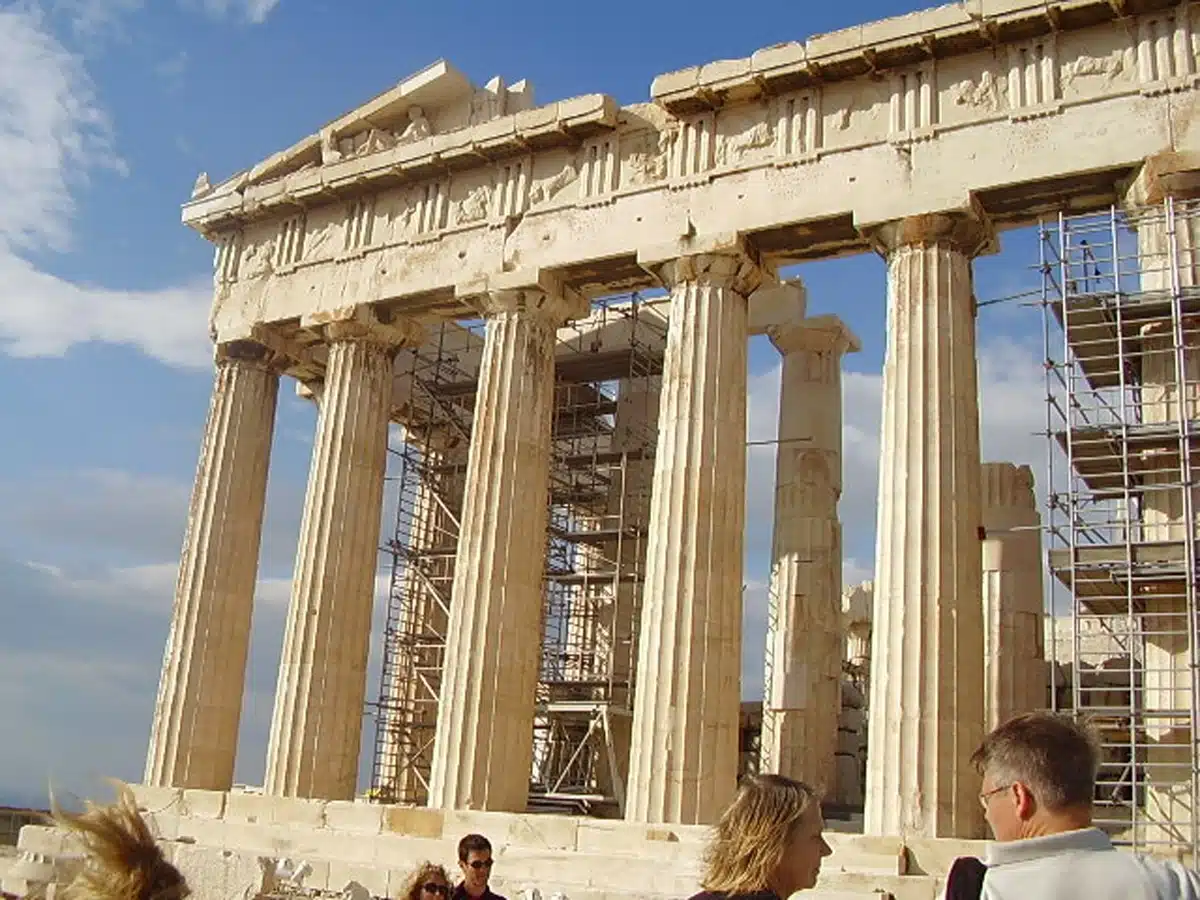
Greece is best from late May to June and from September to early October. These months are warm and dry and good for swimming, and they are less crowded than the peak weeks of July and August.
This guide goes through the Greek year season by season: weather, crowds, island ferries, what is closed and the festivals worth timing a trip for. It ends with planning tips and answers to common questions. You can also browse our free photos of Greece, from Athens and Crete to Thessaloniki and Kavala.
Best time to visit Greece at a glance
- Best overall: late May, June and September, for warm weather, swimming and full island services.
- Best for good weather: June and September, sunny and hot but usually without the peak heat of July and August.
- Best for fewer crowds and lower demand: April, May and October, when sites are open and the islands are quieter.
- Best for beaches and swimming: July to September, when the sea is at its warmest.
- Best for ancient sites and city breaks: March to May and October to November, when walking around ruins is comfortable.
- Time to avoid: mid-July to late August if you dislike heat and crowds, and November to March for small islands, where much is closed.
Spring (March to May)
March can still be cool and wet, especially in the north and the mountains. By April the countryside is green and full of wild flowers, and May is warm and mostly dry. This is a good season for Athens, Delphi, Knossos and walking on Crete, with shorter queues than in summer. The sea is still cool, so only keen swimmers go in before late May.
Many island hotels, tavernas and boat trips open around Easter, and ferries run more often through May. Orthodox Easter is the biggest holiday of the Greek year. It falls in April or early May and often on a different date from Western Easter, so book early if your trip includes it. Independence Day on 25 March brings parades in towns across the country.
Summer (June to August)

Summer is hot, dry and sunny. In Athens, daytime highs are often above 30°C in July and August, and heatwaves push them higher. During recent heatwaves the Acropolis has closed in the hottest part of the day, so visit sites early in the morning. Every beach and island service is running, and the sea reaches around 25°C by August.
The meltemi, a strong north wind, blows across the Aegean in July and August. It cools the Cyclades but can make crossings rough and delay ferries. Crowds peak from mid-July to late August, and 15 August is the busiest Greek holiday of the summer. June is the easier summer month. Wildfires are a risk in summer, so check your government’s current travel advice before you go.
Autumn (September to November)

September feels like summer with fewer people. The heat eases and the sea is still warm from the summer. October is still warm in the south, with beach days on Crete and Rhodes and good hiking weather. The first autumn rains arrive, though, and many island hotels close at the end of the month.
Ferries move to reduced winter timetables from around November. November is cooler and wetter, but it is a good month for Athens and Thessaloniki, with museums and sites open and few visitors. Events worth timing a trip for include the Thessaloniki International Fair in September and the Ochi Day parades on 28 October. In November there is the Athens Marathon and the Thessaloniki International Film Festival.
Winter (December to February)
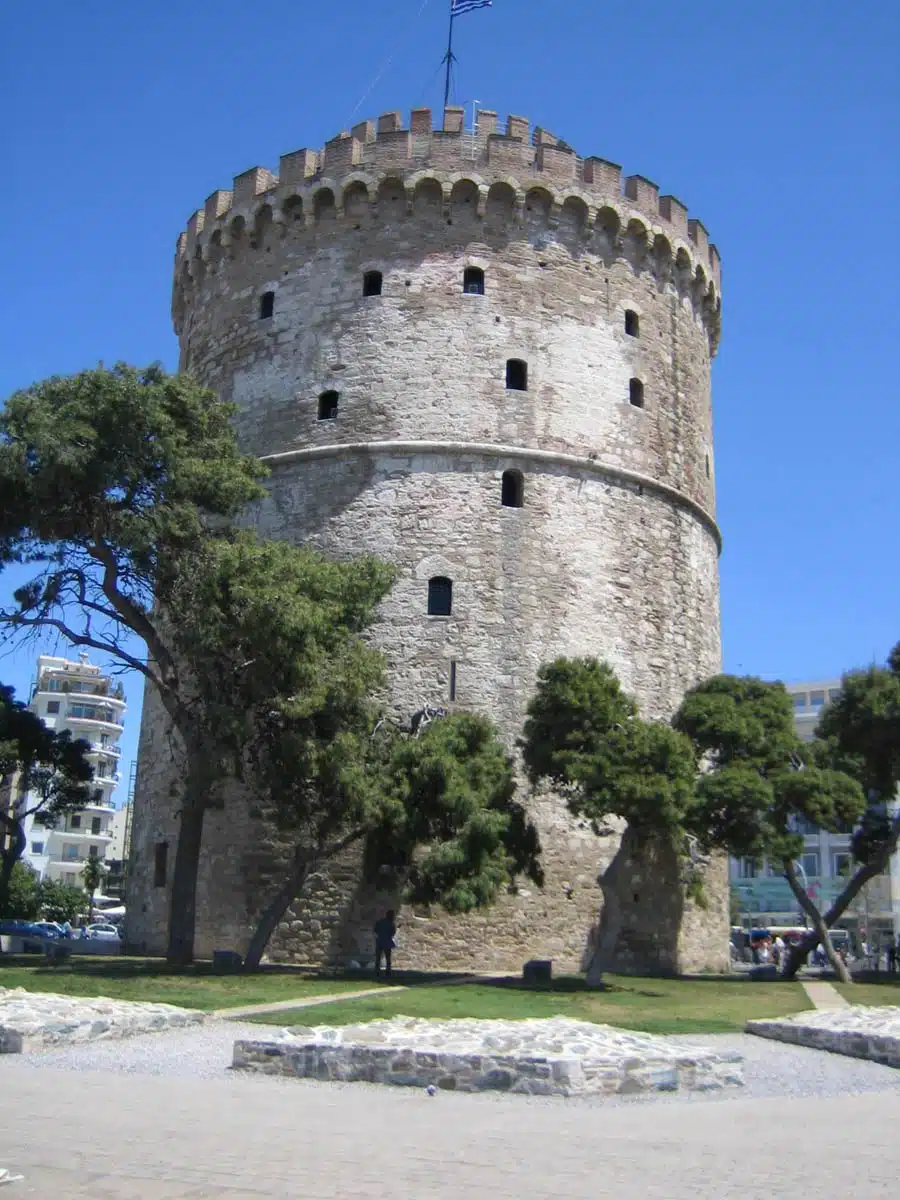
Winter is the low season. Athens is mild, with averages around 10°C in January, a mix of sunny days and rain. The north is colder: Thessaloniki and Kavala get chilly winds, and the mountains get snow. Ski centres such as Parnassos usually run from around December to March, depending on the snow.
Crete and the south are milder, but this is their wettest time of year. Most small islands are very quiet. Many hotels and tavernas shut, ferries run less often and storms can cancel crossings. Winter is good for city breaks, museums and sites like Knossos without queues. Cities put up lights for Christmas and New Year, and the Carnival season starts in late winter.
Festivals and events by month

- February or March: Patras Carnival, Greece’s biggest carnival, with parades and parties in the weeks before Lent.
- February or March: Clean Monday, the first day of Lent, when families fly kites and eat outdoors.
- March: Independence Day on 25 March, with school and military parades across the country.
- April or early May: Orthodox Easter, with candlelit midnight services, fireworks and family feasts.
- June to August: Athens Epidaurus Festival, with theatre, music and dance at the Odeon of Herodes Atticus and the ancient theatre of Epidaurus.
- August: Feast of the Assumption on 15 August, with church services and village festivals, especially on the islands.
- September: Thessaloniki International Fair, a large trade fair with concerts and events around the city.
- November: Thessaloniki International Film Festival, one of the main film festivals in south-east Europe.
Tips for planning your trip
For July, August, Easter and the days around 15 August, book flights, ferries and rooms well ahead, especially on Santorini, Mykonos and in the popular resorts on Crete. In summer, pack light clothes, a sun hat and sun cream, plus a light jacket for windy evenings on deck. From November to March, add a warm layer and a rain jacket. Weather varies across the country. The north and the mountains are cooler and wetter, while Crete and the Dodecanese are the warmest and have the longest beach season. Outside roughly May to October, island ferries and some domestic flights run less often. Check timetables before you plan any island hopping. If you are flying home from an island, leave a spare day in case wind delays the ferry.
Questions about visiting Greece
What is the cheapest month to visit Greece?
January to March is usually the lowest season for demand, apart from Carnival and Easter. If you want open island services as well, late April, May and October give a good balance.
Is Greece worth visiting in winter?
Yes, for Athens, Thessaloniki, museums and ancient sites, which are quiet in winter. It is not a good time for a beach holiday or island hopping, as many island businesses close and ferries are less frequent.
When is the sea warm enough to swim in Greece?
Most people find the sea comfortable from June to October. It is at its warmest in August and September, especially around Crete and the southern islands.


