Things to Do in Dresden: 12 Best Places and Experiences
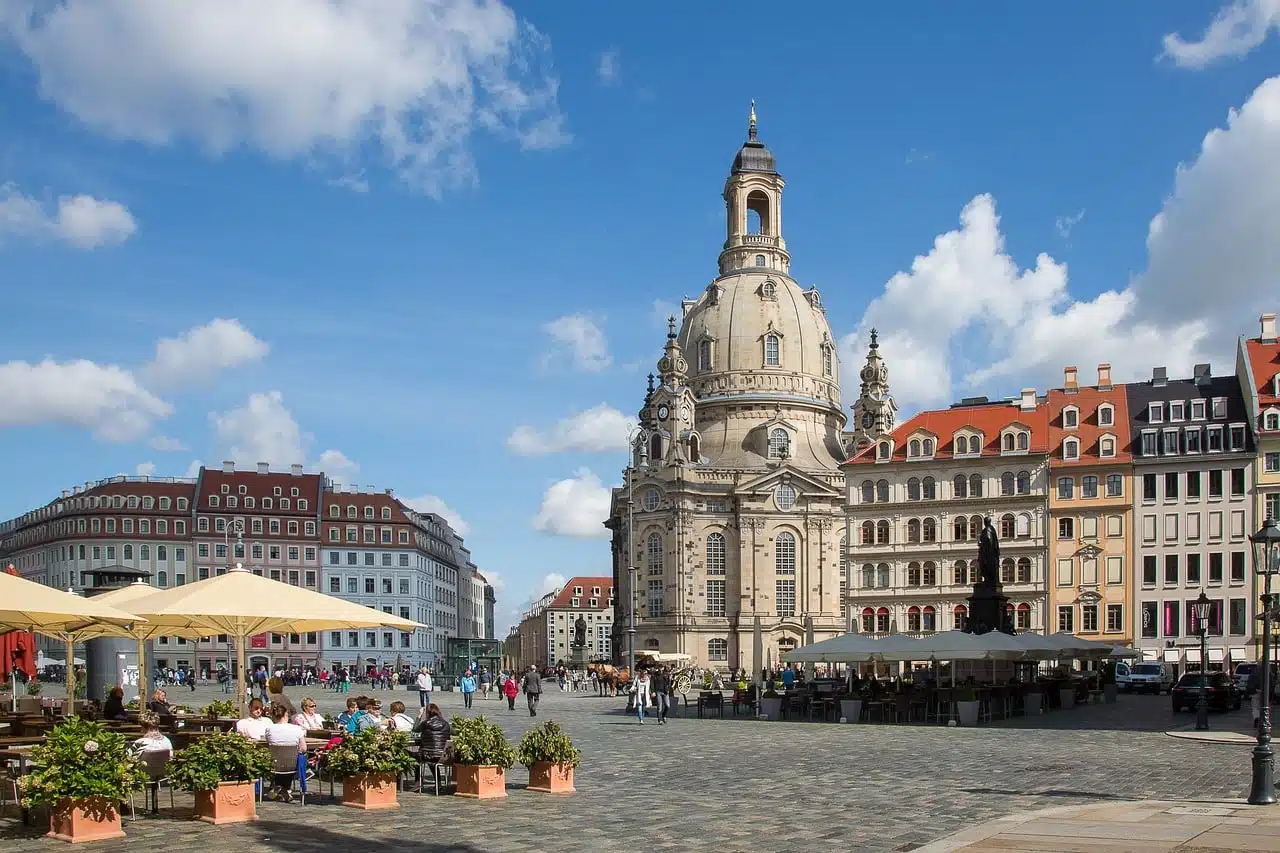
Dresden is the capital of Saxony, in eastern Germany, on the banks of the river Elbe. It is known for its Baroque old town, its art collections and its music. Much of the centre was destroyed in the bombing of February 1945 and has since been carefully rebuilt.
Today the city mixes old and new: restored palaces and churches, modern concert halls and a lively district across the river. It is easy to explore on foot, and it suits first-time visitors and return trips alike. Here are the 12 best things to do in Dresden, with tips on when to go and how to plan your trip.
1. See the Frauenkirche
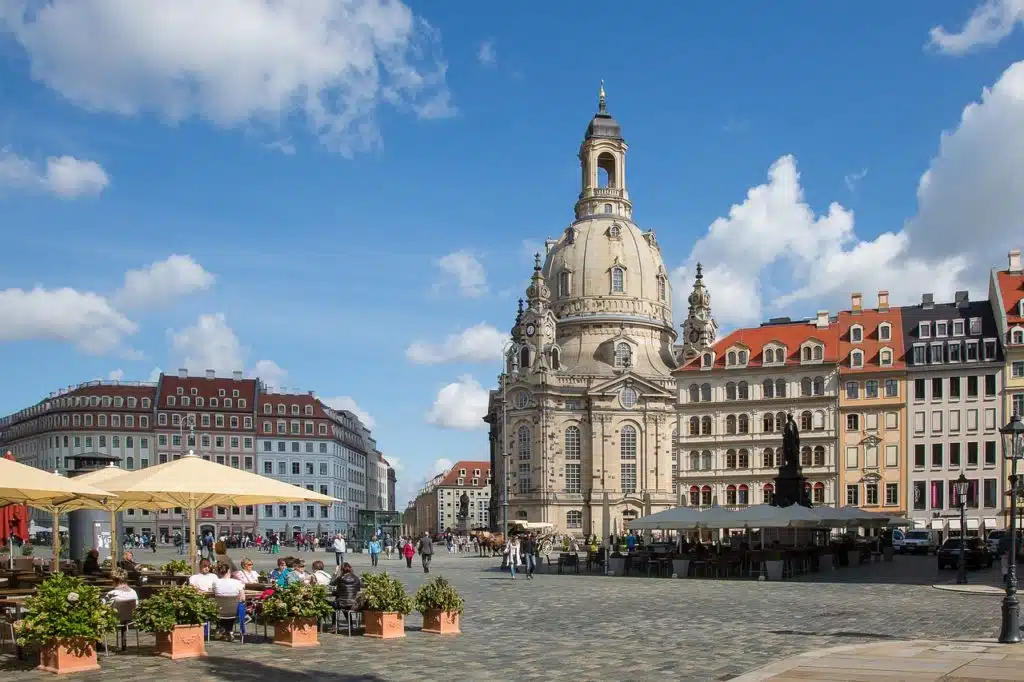
The Baroque Frauenkirche, designed by George Bähr, collapsed on 15 February 1945 after the bombing. The ruins stayed for decades as a memorial. Rebuilding began in the 1990s, using many of the original stones, and the church was completed in 2005. You can still see darker old stones among the lighter new ones. Go inside, and consider climbing the dome for views.
2. Visit the Zwinger
The Zwinger is a Baroque palace complex with a large courtyard, pavilions and galleries, built for Augustus the Strong. It is a good place to wander even if you do not go into the museums. Inside are the Old Masters Picture Gallery, with Raphael’s Sistine Madonna, and a collection of Meissen porcelain. Allow a few hours if you plan to see the art.
3. Admire the Semperoper
The Semperoper is Dresden’s opera house, beside the Theaterplatz. The building is named after the architect Gottfried Semper, and it has been rebuilt more than once after fires and war damage. Its ornate hall is worth seeing. If you cannot get tickets for a performance, join a guided tour of the interior. Book ahead for popular evenings.
4. Walk along the Fürstenzug
The Fürstenzug, or Procession of Princes, is a huge mural on an outer wall near the Stallhof. It shows the rulers of Saxony on horseback over several centuries. It is made of thousands of Meissen porcelain tiles, which helped it survive the bombing. It is free to see, close to the Frauenkirche, and quick to enjoy.
5. Explore the Residenzschloss and the Green Vault
The Residenzschloss was the home of the Saxon rulers and now holds several museums. The best known is the Green Vault (Grünes Gewölbe), a treasury of jewellery, ivory and gold objects. Tickets for the Green Vault are often timed, so book in advance in busy seasons. Check which parts are open before you go.
6. Stroll Brühl’s Terrace and the Elbe
Brühl’s Terrace is a raised promenade above the river, often called the Balcony of Europe. It is a pleasant place for a walk, especially in the evening. From here you can look across the Elbe or head to the landing stages. Historic paddle steamers run trips on the river, and they are a relaxed way to see the valley.
7. Cross the Blue Wonder
The Blue Wonder is the nickname of the Loschwitz Bridge, finished in 1893. It is a steel bridge over the Elbe, and its pale blue-green paint gave it its name. At the time, its construction was very modern, since it needed no support in the river. Walk across and enjoy the views of the villas on the hills.
8. Explore the Neustadt
The Neustadt, on the north bank, is the lively side of Dresden, with cafes, small shops and bars. The Kunsthofpassage is a set of courtyards, each decorated in a different artistic style. Nearby, Pfunds Molkerei is a famous dairy shop covered in hand-painted tiles. It is a good area for lunch or an evening out.
9. Relax in the Großer Garten
The Großer Garten is a large Baroque park east of the centre. It has long avenues, a palace, a small railway and plenty of space for a picnic or a bike ride. It is a good break from the sights, particularly with children. Walk or take a tram from the centre.
10. Learn at the Military History Museum
The Military History Museum is housed in a neoclassical arsenal, with a sharp, wedge-shaped addition by Daniel Libeskind. It reopened in 2011. Rather than glorify war, it looks at its causes and its effects on people. The collection includes uniforms, weapons, photographs and documents. The building is striking from outside, and the exhibitions are thought-provoking.
11. Hear a concert at the Kulturpalast
The Kulturpalast opened in 1969 and is a fine example of modernist architecture in the middle of the old town. After a major renovation, it reopened in 2017 as a concert hall and is home to the Dresden Philharmonic. It also houses the city library and a cabaret theatre. Check the programme for concerts during your stay.
12. Look up at the Hauptbahnhof roof
Dresden’s main station is worth a look even if you are not catching a train. Its large translucent roof was designed by Norman Foster during the renovation of the building. The thin membrane lets in daylight and gives the old hall a light, airy feel. Many visitors see it on arrival, so take a moment to look up.
When to visit Dresden
Spring and early autumn are the best times, with mild weather and fewer crowds than midsummer. Summer is good for the river, parks and outdoor cafes. December is popular because of the Christmas markets, including the Striezelmarkt, one of the oldest in Germany. Winter can be cold, but the museums are a good indoor choice.
Tips for planning your trip
Dresden has an international railway connection and is about two hours from Berlin by train, with an airport that has mainly European flights. The old town is compact and best explored on foot, while trams and buses cover the rest. Many museums close on Mondays, so check opening times. A day pass for public transport is usually good value, and two or three days is a comfortable stay.
Questions about Dresden
How many days do you need in Dresden?
Two days cover the main sights of the old town and a walk in the Neustadt. Allow three days if you want to see several museums or take a river trip.
Is Dresden worth visiting?
Yes. It has rebuilt Baroque landmarks, important art collections and a relaxed riverside setting. It also tells a lot about German history in the twentieth century.
Is the Frauenkirche original?
Partly. It was rebuilt after the war using a mix of original stones and new ones, and it was completed in 2005. The darker stones are from the earlier church.