Mediterranean Islands: A Beginner’s Guide to 12 of the Best
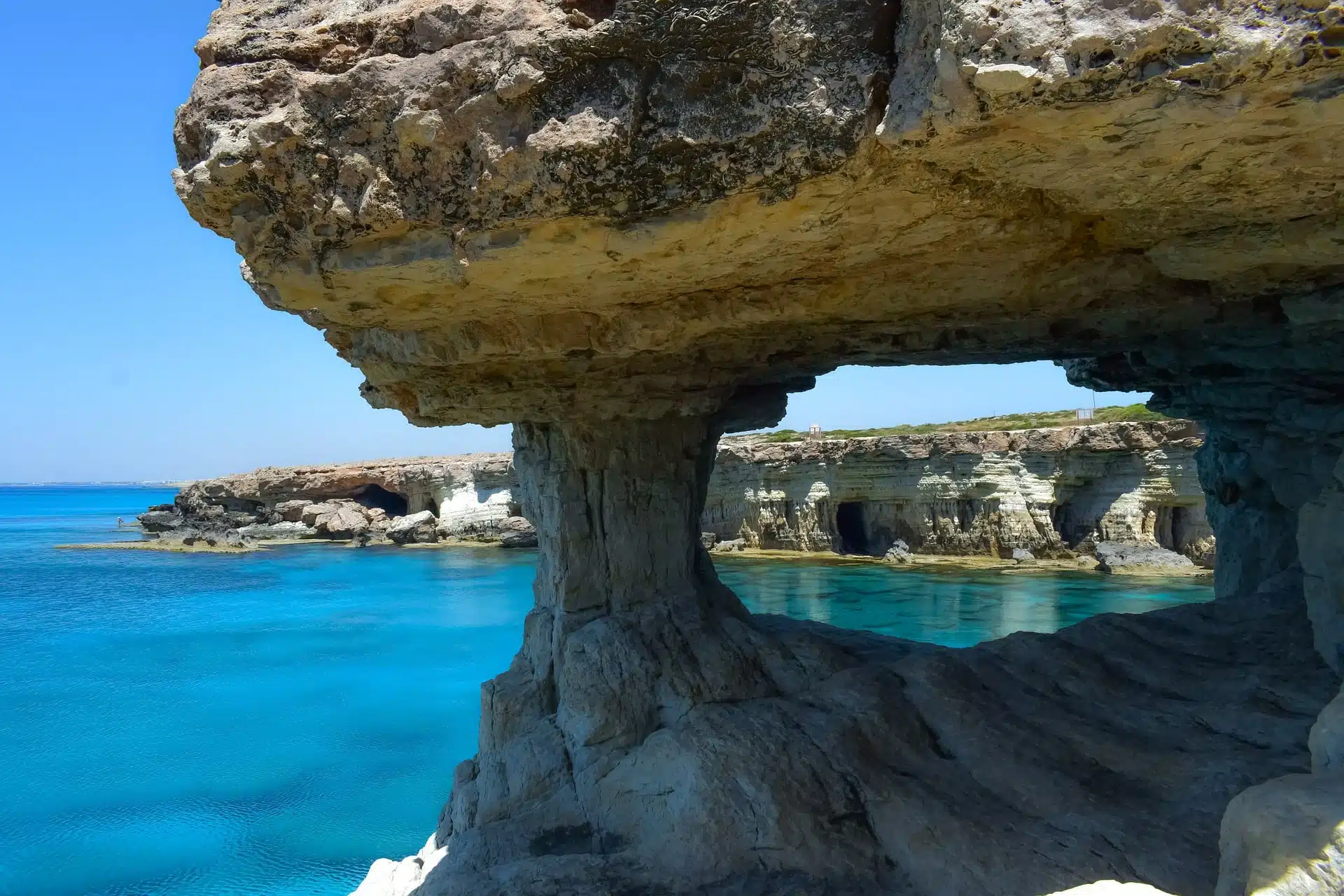
The Mediterranean has thousands of islands, from large ones with mountains, cities and their own languages to tiny islets with a single beach. They share warm summers, clear water, olive groves and a long history of Phoenicians, Greeks, Romans, Venetians and Arabs, but each has its own character.
If you have never been, choosing one is the hardest part. This beginner’s guide goes from west to east through 12 of the best Mediterranean islands, with tips on when to go and how to plan your trip.
1. Mallorca
The largest of Spain’s Balearic Islands has much more than beach resorts. Palma, the capital, has a Gothic cathedral above the sea and an old town full of courtyards. The Serra de Tramuntana mountains in the northwest, a UNESCO World Heritage Site, hide stone villages such as Valldemossa and Deià, and the east coast has small coves with turquoise water.
2. Menorca
Menorca is the quiet sister of Mallorca and Ibiza. The whole island is a UNESCO Biosphere Reserve, and its coastline has dozens of unspoilt coves, many reached only on foot along the Camí de Cavalls trail. The island is also dotted with prehistoric stone monuments from the Talaiotic culture.
3. Ibiza and Formentera
Ibiza is famous for its nightlife, but its fortified old town, Dalt Vila, is a UNESCO site, and the north of the island is green and peaceful. The meadows of Posidonia seagrass around the island keep the water exceptionally clear. A short ferry ride away, Formentera has some of the most beautiful beaches in Europe.
4. Corsica
The French island of Corsica is a mountain in the sea, with granite peaks, forests and wild beaches. Hikers come for the GR20, one of the toughest trails in Europe. Bonifacio sits on white cliffs at the southern tip, and Ajaccio, the capital, is the birthplace of Napoleon.
5. Sardinia
Sardinia, the second-largest island in the Mediterranean, belongs to Italy but has its own language and traditions. The Costa Smeralda in the northeast is known for luxury, but you will find white sand and clear water all around the coast, from La Pelosa to the Gulf of Orosei. Inland stand thousands of nuraghi, stone towers from the Bronze Age.
6. Sicily
Sicily is the largest island in the Mediterranean, almost a country of its own. Climb the slopes of Mount Etna, an active volcano, walk among the Greek temples of Agrigento, explore the markets of Palermo and the baroque towns of the southeast, and watch the sunset from Taormina. The food alone is a reason to go.
7. Capri
The small island of Capri in the Bay of Naples has been a holiday spot since Roman emperors built villas here. Take a rowing boat into the Blue Grotto, see the Faraglioni rocks from the gardens of Augustus and ride the chairlift to the top of Monte Solaro. Stay overnight to enjoy it after the day trippers leave.
8. Malta and Gozo
Malta, between Sicily and Africa, is a small country of three inhabited islands. Valletta, the capital built by the Knights of St John, is a UNESCO site, and the island has megalithic temples older than the pyramids of Egypt. Gozo is greener and quieter, and the Blue Lagoon on tiny Comino has some of the clearest water in the Mediterranean.
9. Hvar and the Croatian islands
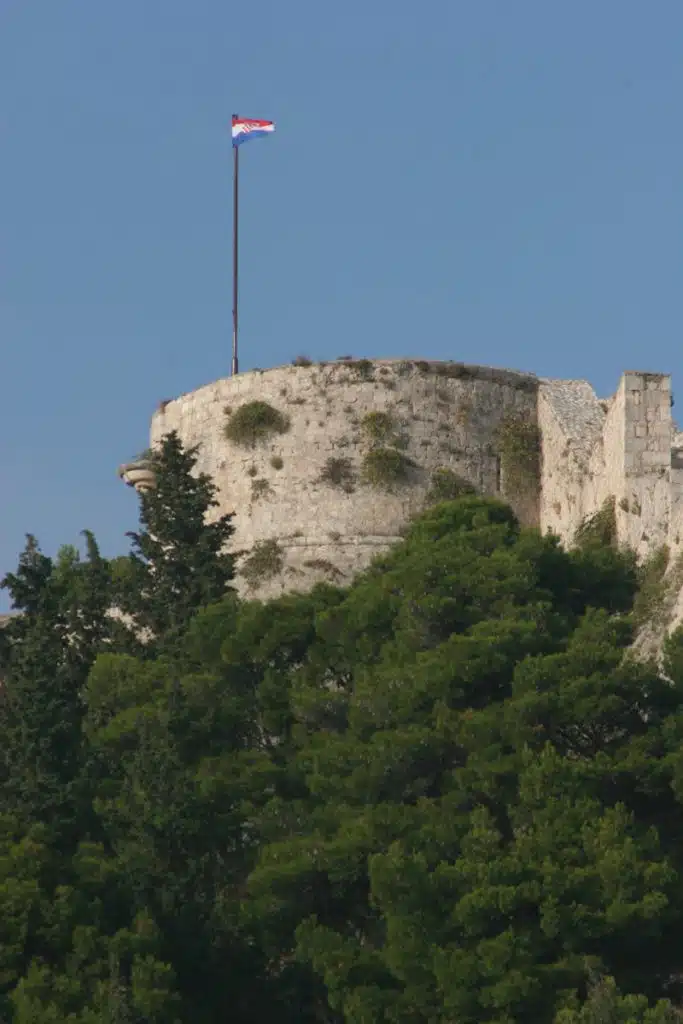
Croatia has more than a thousand islands along the Adriatic coast. Hvar is one of the sunniest, with lavender fields, a Venetian old town below the Spanish Fortress and the ancient farmland of Stari Grad Plain, another UNESCO site. Brač has the famous beach of Zlatni Rat, Korčula has a walled medieval town, and Vis is wild and remote.
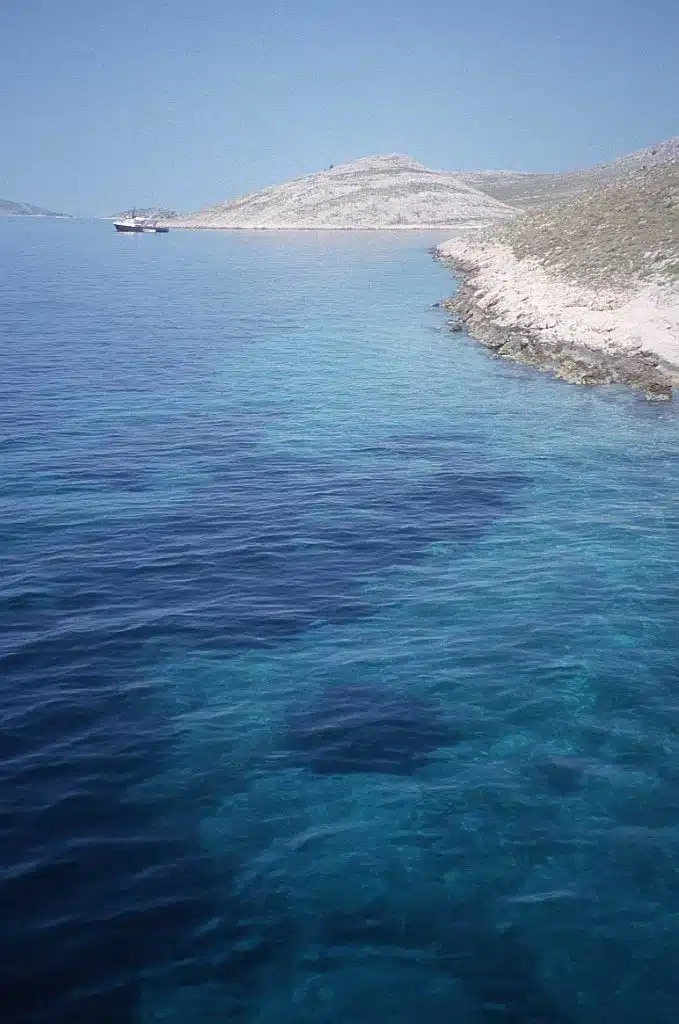
For sailing, the Kornati archipelago, a national park of bare limestone islands, is one of the most spectacular places in the Mediterranean.
10. Santorini
The Greek island of Santorini is the rim of a volcano that erupted about 3,600 years ago. White villages such as Oia and Fira cling to the cliffs high above the flooded caldera, and the sunsets are world famous. Visit the Bronze Age town of Akrotiri, buried in ash like Pompeii, and the black and red sand beaches. Come in spring or autumn: in summer it is very crowded.
11. Crete
Crete, the largest Greek island, could fill a holiday of several weeks. See the Minoan palace of Knossos, walk through the Samaria Gorge, swim at the lagoons of Balos and the pink sand of Elafonisi, and explore the Venetian harbours of Chania and Rethymno. Cretan food, with olive oil, cheese, herbs and raki, is a highlight.
12. Cyprus
Cyprus, the third-largest island in the Mediterranean, lies far to the east, close to Turkey and the Middle East. Legend says Aphrodite was born from the sea at Petra tou Romiou on its south coast. See the Roman mosaics of Paphos, the painted churches of the Troodos Mountains and Nicosia, a capital divided between the Greek Cypriot south and the Turkish Cypriot north. It has the longest summer of all the islands on this list.
When to visit the Mediterranean islands
May, June, September and early October are the best months: the sea is warm enough for swimming, the weather is sunny and the islands are less crowded than in July and August, when prices peak. In winter many island hotels and ferries close, but the bigger islands such as Sicily, Mallorca, Malta and Cyprus stay open all year.
Tips for planning your trip
Most big islands have airports with direct flights from across Europe. For island hopping, the Greek, Croatian and Balearic islands are linked by frequent ferries; book them early for July and August. On larger islands such as Sicily, Sardinia, Corsica and Crete, rent a car, because the best beaches and villages are far from the towns. Allow at least a week for a large island, and three or four days for a small one.
Questions about Mediterranean islands
What is the best Mediterranean island for a first visit?
Mallorca, Malta and Crete are easy to reach, have good public transport and combine beaches with history, food and nature, so they suit almost every traveller.
What is the largest island in the Mediterranean?
Sicily, followed by Sardinia, Cyprus, Corsica and Crete.
Which Mediterranean islands are best for island hopping?
The Greek Cyclades, such as Santorini, Naxos, Paros and Mykonos, the Croatian islands around Split and the Balearic Islands all have short, frequent ferry connections.