Best Time to Visit Albania: Month by Month Guide to Weather, Beaches and Crowds

The best time to visit Albania is late May, June and September. The sea is warm enough to swim, the mountain trails are open, and you miss the worst of the heat and the crowds of July and August. Spring and autumn also suit city breaks in Tirana and walks around the old towns of Berat and Gjirokastër.
This guide goes season by season through the weather, the crowds, beach and hiking conditions, and the festivals worth timing a trip for. To get a feel for the coast and the capital first, browse our free photos of Albania from Durrës and Tirana.
Best time to visit Albania at a glance
- Best overall: late May, June and September, for warm days, a swimmable sea and fewer people.
- Best for good weather: June to September, when the coast is dry and sunny.
- Best for fewer crowds and lower demand: April, May and October, outside the summer holidays.
- Best for beaches: late June and September, when the sea is warm and the beaches are less packed.
- Best for hiking in the Albanian Alps: late June to mid-September, when the Valbona Pass is usually clear of snow.
- Time to avoid: late July and August if you dislike heat and crowds, and November, the wettest month.
Spring (March to May)
Spring weather is mild and changeable. March can still be cool and wet, but by May the days in Tirana are warm and the countryside is green. This is a good time to explore Berat, Gjirokastër and the ruins of Butrint before the heat arrives. The sea stays cool for most swimmers until late May, and many seasonal beach bars do not open until May or June. In the north, snow can stay on high passes such as the Valbona Pass through May. The Komani Lake ferry usually starts running again in April.
Mid-March is a good time to see local traditions. Summer Day (Dita e Verës) on 14 March is celebrated across the country, above all in Elbasan, and Nevruz follows a week later.
Early summer (June)
June is one of the best months for most trips. Days are hot and sunny, rain is rare, and the sea warms up through the month. The beaches of the Riviera, Sarandë and Ksamil are lively but not yet packed, and everything on the coast is open. Prices and demand are lower than in July and August. The main hiking season in the Albanian Alps also begins, though snow can linger on the Valbona Pass in early June, so ask locally before you set off. Music fans can time a trip for the Kala Festival, a week of electronic music on the beach at Dhërmi in early June.
Peak summer (July and August)
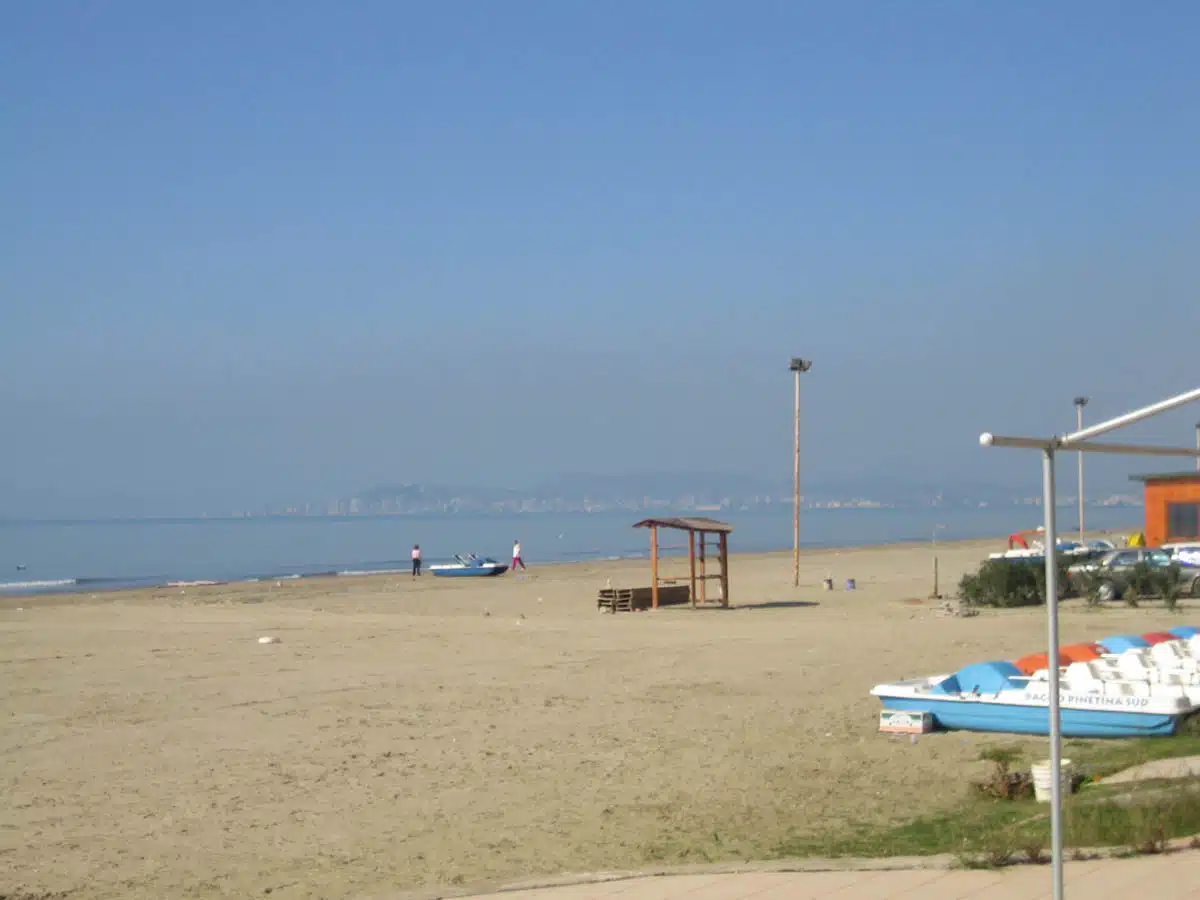
Midsummer is hot. Average highs in Tirana are around 31°C, and heatwaves can push temperatures close to 40°C. July is the driest month, and the sea is at its warmest, around 24 to 26°C. This is by far the busiest time. Holidaymakers from Kosovo, the Albanian diaspora and the rest of Europe fill the coast, and in August nearly half of all foreign arrivals come from Kosovo. Beaches in Durrës, Vlorë, Sarandë and Ksamil get crowded, coastal roads slow down and rooms sell out. Wildfires are a risk in hot, dry spells, so follow local warnings.
Inland, the Beer Festival in Korçë fills the city with music in mid-August, and thousands of Bektashi pilgrims climb Mount Tomorr near Berat in late August.
Autumn (September and October)

September is the second sweet spot. The sea is still warm, the heat eases and the crowds thin once the summer holidays end. It is the best month to combine beach days with hiking, as mountain trails are usually clear until mid-September or a little later. October is mild and good for sightseeing in Tirana, Berat and Gjirokastër, and the sea stays swimmable into early October for many people. Rain increases towards the end of the month, and seasonal beach businesses start to close. The Komani Lake ferry usually runs until late October or early November.
Winter (November to February)

November is the wettest month of the year, and winter on the coast and in Tirana is cool and damp, with highs of around 12°C in January. The mountains are cold and snowy, and snow can block the road to Theth. Coastal resorts are very quiet and many seasonal hotels and restaurants close. This is the quietest time to visit and it works well for a city break: Tirana keeps its cafés, museums and markets open all year. See our guide to things to do in Tirana for ideas. Independence Day on 28 November brings flags and celebrations across the country, and Tirana lights up for Christmas and New Year.
Festivals and events by month

- March: Summer Day (Dita e Verës), a spring festival on 14 March, with the biggest celebrations in Elbasan.
- March: Nevruz, the spring new year marked by the Bektashi community on 22 March, a public holiday.
- June: Kala Festival, a week of electronic music on the beach at Dhërmi.
- August: Beer Festival in Korçë, five nights of music and local beer in the southeast.
- August: Mount Tomorr pilgrimage, a large Bektashi gathering on the sacred mountain above Berat.
- November: Independence Day on 28 November, with flags and public celebrations nationwide.
- December: Christmas and New Year, with festive lights and events in central Tirana.
Tips for planning your trip
If you travel in July or August, book rooms and car hire early, especially in Ksamil, Sarandë and on the Riviera, and expect slow traffic on the coastal roads. Pack sun protection, a hat and plenty of water for summer, and a rain jacket and warm layers from November to March or for the mountains at any time. The weather varies a lot inside the country: the south coast is the warmest and has the longest swimming season, while the Albanian Alps in the north are much cooler and snowy in winter. The big Komani Lake car ferries, the classic route to Valbona, run from about April to October or early November. A small passenger boat often runs in winter, but less often, and mountain roads can close after heavy snow. Check your government’s current travel advice before you go.
Questions about visiting Albania
What is the cheapest month to visit Albania?
Demand for rooms is lowest from November to March, when the coast is quiet. For a cheaper beach trip, May and late September are good choices, as prices on the coast peak in July and August.
Is Albania worth visiting in winter?
Yes, for a city break in Tirana or a trip to Berat and Gjirokastër, as long as you expect some rain. It is not a beach season, and many coastal hotels close.
What is the rainiest month in Albania?
November is usually the wettest month, especially in Tirana and on the coast. July is the driest.

