Best Time to Visit Rome: Month by Month Guide to Weather, Crowds and Festivals
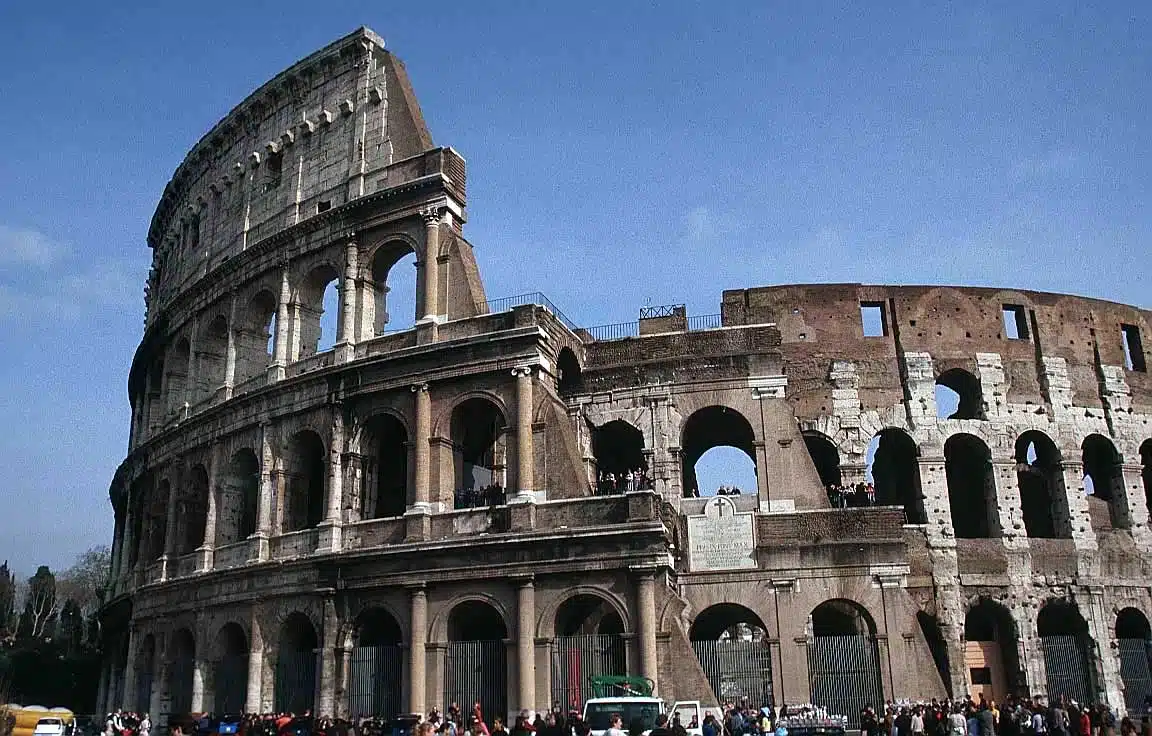
The best time to visit Rome is April to early June and September to October. Days are warm and mostly dry, with highs of around 19 to 27°C, so walking between the ruins, churches and piazzas is a pleasure. July and August are hot and busy, while January and February are the quietest months, with cool days and shorter queues.
This guide covers Rome’s weather season by season, when the crowds peak, the festivals worth planning around and practical tips for booking. Before you go, browse our free photos of Rome to get a feel for the city.
Best time to visit Rome at a glance
- Best overall: April, May, late September and October, for mild weather and long days.
- Best for good weather: May and September, with warm, mostly sunny days of around 23 to 27°C.
- Best for fewer crowds and lower demand: January, February and November, outside the Christmas and New Year holidays.
- Best for festivals: late April for Rome’s birthday on 21 April, and late June for the feast of Saints Peter and Paul.
- Best for sightseeing on foot: October, when the summer heat has gone but evenings are still mild.
- Time to avoid: mid-July to late August, when afternoons are often above 30°C and some local businesses close around Ferragosto.
Spring (March to May)
March is changeable, with highs of around 16°C and some rain. April reaches around 19°C and May around 23°C, with plenty of sun. This is a great time to explore the ancient sites on foot, but crowds build fast from Easter, which falls in March or April and brings pilgrims to the Vatican for Holy Week. Rome’s birthday, Natale di Roma, is on 21 April, with band concerts in central squares and historical re-enactments. Public holidays on 25 April and 1 May make for busy long weekends, and the Italian Open tennis fills the Foro Italico in May. Book timed tickets well ahead: our Colosseum visitor guide explains how.
Summer (June to August)

Summer is hot and dry. Highs are around 28°C in June and around 31°C in July and August, and heatwaves can push afternoons past 35°C. July is usually the driest month. See the ruins early in the morning, as there is little shade on the Palatine; our guide to the Roman Forum and Palatine Hill helps you plan a route.
Evenings are the best part. The Estate Romana programme runs from June to September, with open-air concerts, cinema and shows. Rome honours its patron saints, Peter and Paul, on 29 June, a city holiday with fireworks over Castel Sant’Angelo. In July, Trastevere holds the Festa de’ Noantri. Around Ferragosto on 15 August, many Romans leave town and some family-run shops and restaurants close.
Autumn (September to November)

September is still warm, with highs of around 26°C, and the summer crowds start to thin once Italian schools go back. October is around 22°C and is ideal for long days on foot, although rain becomes more frequent towards the end of the month. The Rome Film Fest takes place in October, with public screenings as well as premieres. November is the wettest month of the year, with highs of around 17°C, but it is also one of the quietest, and queues at the big sights are shorter. All Saints’ Day on 1 November is a national holiday. Pack a light raincoat and keep museums and churches in reserve for wet days.
Winter (December to February)

Winter is mild by northern European standards. Days reach around 12 to 13°C and nights fall to around 4°C, with some rain but rarely snow. December is busy around Christmas: churches display nativity scenes, a Christmas market fills Piazza Navona and pilgrims gather in St Peter’s Square for the Christmas services. Read our St Peter’s Basilica and Vatican visitor guide before you go. The festive season ends on 6 January with Epiphany. After that, January and February are the quietest months, which makes them good for unhurried visits to the Vatican Museums and the Colosseum. Days are short, so start early.
Festivals and events by month

- March or April: Easter and Holy Week, with papal services at the Vatican and the Way of the Cross at the Colosseum on Good Friday.
- April: Natale di Roma on 21 April, the city’s birthday, with concerts, parades and re-enactments.
- May: Internazionali d’Italia, the Italian Open clay court tennis tournament at the Foro Italico.
- June to September: Estate Romana, the summer season of outdoor concerts, films and shows.
- June: Saints Peter and Paul on 29 June, the feast of Rome’s patron saints, with fireworks over Castel Sant’Angelo.
- July: Festa de’ Noantri, a religious festival in Trastevere dating back about 500 years, with processions and free evening shows.
- October: Rome Film Fest, a public film festival with premieres, talks and screenings.
- December: Christmas, with nativity scenes in churches and a Christmas market in Piazza Navona.
Tips for planning your trip
Book hotels and timed tickets for the Colosseum and the Vatican Museums weeks ahead for Easter, late spring, September and October, and for the Christmas holidays. In summer, pack light clothes, a sun hat and a refillable bottle, and remember that St Peter’s and other churches expect covered shoulders and knees all year. In winter, bring layers and an umbrella. Since February 2026 there has been a small ticket for the close-up area by the basin of the Trevi Fountain, while the square around it stays free. In the hot months, Romans escape to the beaches at Ostia, which you can reach by train from the city. Public transport runs a reduced holiday service on public holidays such as 15 August. Entry rules for the Schengen area are changing, so check your government’s current travel advice before you go.
Questions about visiting Rome
What is the cheapest month to visit Rome?
January and February, outside the Christmas and New Year holidays, have the lowest demand for hotels and flights. November is also quiet, though it is the rainiest month.
Is Rome worth visiting in winter?
Yes. Days are mild at around 12°C, queues are shorter, and December brings nativity scenes and a festive market in Piazza Navona.
How hot is Rome in summer?
In July and August, highs average around 31°C, and heatwaves can bring 35°C or more. Sightsee early and late, and rest in the shade in the middle of the day.


