Things to Do in London: 12 Best Sights and Experiences
Heathrow and Gatwick are the largest of London’s several airports, and Eurostar trains arrive at St Pancras International. From Heathrow, the Elizabeth line and Piccadilly line run into the centre.
London is the capital of England and the United Kingdom, a huge city on the River Thames where royal palaces, medieval towers and glass skyscrapers stand side by side. It is worth visiting for its history, free museums, theatres and the river walks that link most of the main sights.
You can see a lot in a few days if you plan by area: the Tower and the City in the east, Westminster and the palaces in the west, and the South Bank in between. Browse our free photos of London and England to get a feel for the place. Here are the 12 best things to do in London, with tips on when to go and how to plan your trip.
1. Explore the Tower of London
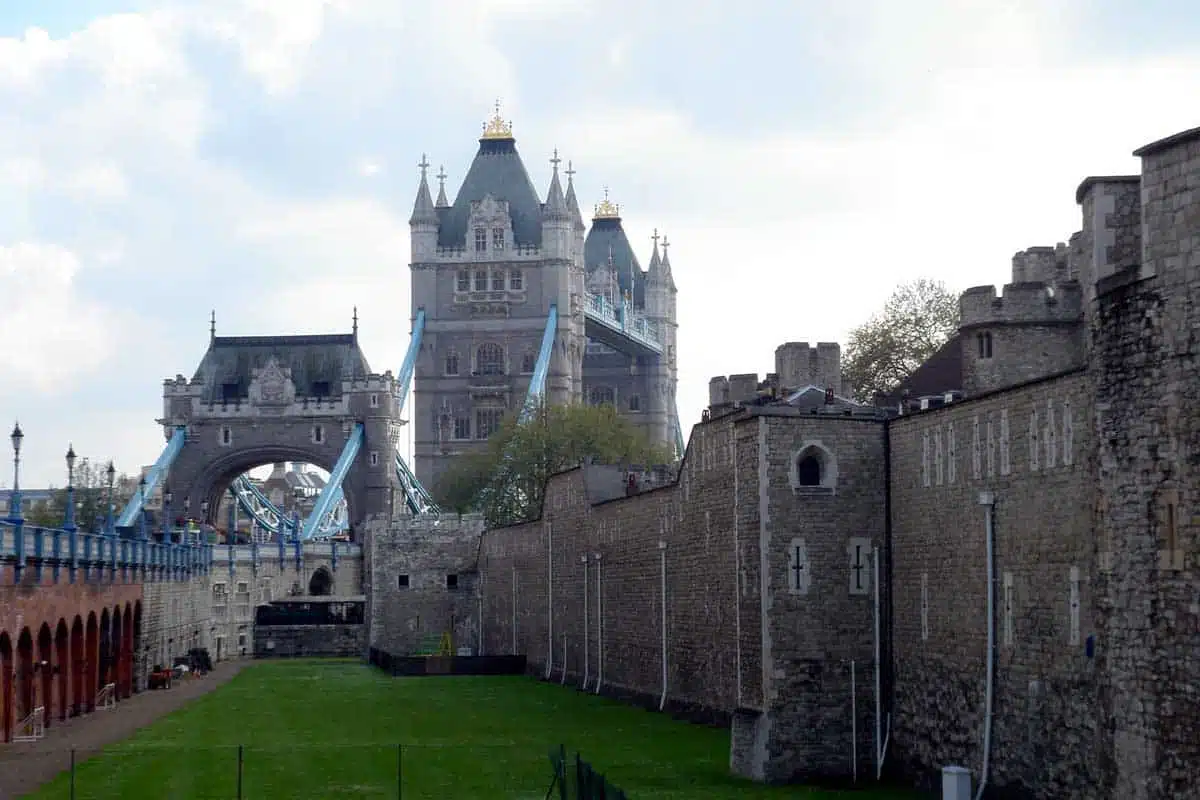
The Tower of London is a UNESCO World Heritage Site. William the Conqueror began the White Tower in the 11th century, and the fortress later served as a palace and a prison. Most people come to see the Crown Jewels and to join a tour with the Yeoman Warders, known as Beefeaters. Tickets are needed, and booking online helps in busy months.
2. Walk across Tower Bridge and visit HMS Belfast
Tower Bridge opened in 1894 and is free to walk across. A ticket for the Tower Bridge Exhibition takes you up to the high-level walkways with their glass floors. The bridge still lifts for tall ships, and lift times are published in advance. Nearby on the south bank is HMS Belfast, a Second World War cruiser run by Imperial War Museums.
3. See Big Ben, Parliament and Westminster Abbey

The Palace of Westminster, home of Parliament, and its clock tower with the bell called Big Ben make London’s most famous view. Parliament runs paid tours, mainly on Saturdays and during recesses, and debates are free to watch when the Houses sit. Across the road, Westminster Abbey has hosted coronations since 1066. Sightseeing needs a ticket, and on Sundays it is open only for worship.
4. Watch the Changing the Guard at Buckingham Palace

Buckingham Palace is the King’s official London home. The Changing the Guard, with soldiers in bearskins and a band, is free to watch from outside. It does not happen every day, so check the official schedule and arrive early for a place near the railings. In summer the State Rooms open to visitors with a ticket.
5. Ride the London Eye and walk the South Bank
The London Eye is a 135 metre observation wheel on the South Bank, opposite Westminster. One turn takes about 30 minutes. Tickets are needed, so book ahead, especially for weekends. Afterwards, walk east along the riverside path past the Southbank Centre and the book stalls under Waterloo Bridge. It is a flat, easy walk.
6. Take a boat on the Thames
Uber Boat by Thames Clippers river buses link piers such as Westminster, London Eye, Bankside, Tower and Greenwich, and you can pay with a contactless card. Sightseeing cruises with commentary also leave from Westminster and Tower piers. A boat to Greenwich makes a good half-day trip, with the Cutty Sark and the Royal Observatory.
7. Climb the dome of St Paul’s Cathedral

Sir Christopher Wren designed St Paul’s Cathedral after the Great Fire of 1666. A sightseeing ticket covers the nave, the crypt with the tombs of Nelson and Wellington, and the dome galleries. More than 500 steps lead to the top, passing the Whispering Gallery. Sightseeing runs Monday to Saturday, and anyone may attend services for free.
8. Cross the Millennium Bridge to Bankside
From St Paul’s, the Millennium Bridge takes walkers across the river to Tate Modern, a modern art gallery in a former power station. Its collection is free, with tickets for some exhibitions. Next door, Shakespeare’s Globe is a reconstruction of the open-air theatre, with tours and plays in the warmer months. A few minutes east, Borough Market is one of London’s oldest food markets.
9. Spend an evening in Covent Garden

Covent Garden grew around a fruit and vegetable market, and its 19th century market hall now holds shops, stalls and cafés. Street performers work the piazza, and the Royal Opera House and London Transport Museum are on the square. West End theatres are a short walk away. Our guide to entertainment and nightlife in the UK has more ideas.
10. Visit Trafalgar Square, the National Gallery and Piccadilly Circus
Trafalgar Square, with Nelson’s Column and its bronze lions, sits at the heart of the West End. On its north side, the National Gallery holds European paintings by artists such as Leonardo, Turner and Van Gogh, and the collection is free to visit. From here it is a short walk to Piccadilly Circus, with its illuminated screens and the statue known as Eros.
11. Spend a morning at the British Museum
The British Museum in Bloomsbury covers two million years of human history. Highlights include the Rosetta Stone, the Egyptian mummies, the Parthenon sculptures and the Sutton Hoo treasure. The permanent collection is free, while some special exhibitions need a ticket. It is very large, so pick a few galleries rather than trying to see everything. Weekday mornings are usually calmer.
12. See the City skyline from the Sky Garden
The City of London is the old Roman and medieval core, now the financial district, where towers such as the Gherkin rise beside old churches. For a view over it all, the Sky Garden at the top of 20 Fenchurch Street has indoor gardens and a terrace above the Thames. Entry is free, but you must book a timed slot online, and slots go quickly.
When to visit London
London works all year, but late spring and early autumn are the most pleasant, with mild weather and fewer crowds than in July and August. Summer brings long evenings, outdoor theatre and the main opening of the Buckingham Palace State Rooms, but also the longest queues. Winter is darker and cooler, but museums are calmer and Christmas lights fill the streets. Rain can fall in any month, so pack a light waterproof.
Tips for planning your trip
Heathrow and Gatwick are the largest of London’s several airports, and Eurostar trains arrive at St Pancras International. From Heathrow, the Elizabeth line and Piccadilly line run into the centre. Many visitors who do not need a visa, including EU and US citizens, now need an Electronic Travel Authorisation (ETA), so check your government’s current travel advice before you go. To get around, tap a contactless card or Oyster card on the Tube, buses and river buses. Buses do not take cash. Allow three or four days, book timed tickets for the Tower, the London Eye and the Sky Garden, and watch your bag in crowds. If you have time to see more of England, head south-west to Durdle Door and the Jurassic Coast.
Questions about London
How many days do you need in London?
Three or four days is enough to see the main sights at a comfortable pace. A week leaves time for more museums, a show and trips such as Greenwich.
Is it free to watch the Changing the Guard?
Yes, you can watch it for free from outside Buckingham Palace. It does not take place every day, so check the official schedule before you go.
Which London museums are free?
The British Museum, the National Gallery, Tate Modern and many other national museums are free to enter. Some special exhibitions charge for tickets.


