Things to Do in Paris: 11 Best Sights and Experiences
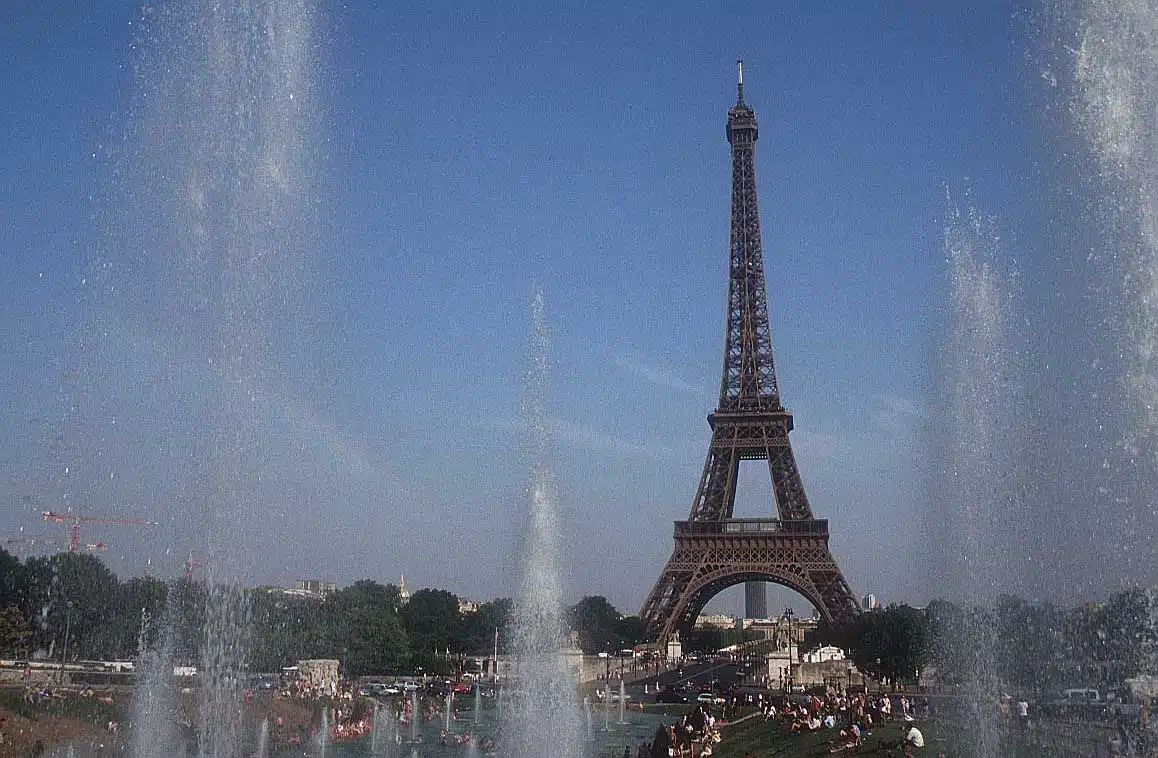
Paris, the capital of France, sits on the River Seine in the north of the country. It packs world-class art, Gothic churches, grand boulevards and a hilltop village into a compact city that rewards a first visit and a tenth.
Many big sights now use timed tickets, and the reopening of Notre-Dame has changed how people plan a day on the islands. Browse our free photos of Paris to get a feel for the city before you go. Here are the 11 best things to do in Paris, with tips on when to go and how to plan your trip.
1. Go up the Eiffel Tower
Gustave Eiffel’s iron tower, built for the 1889 World’s Fair, is still the city’s best-known landmark. You can go to the second floor or the summit, by lift or partly on foot. Lift tickets usually go on sale online about 90 days ahead and busy dates sell out, so book on the official site. For photos from the ground, cross the river to the Trocadéro or walk through the Champ de Mars.
2. Take a boat trip on the Seine
A Seine cruise is the easiest way to see many landmarks in an hour: the Eiffel Tower, the Louvre, the Musée d’Orsay, the two islands and a run of historic bridges. Several companies sail from piers near the Eiffel Tower and the Pont Neuf. Daytime trips are best for photos, while evening cruises show the bridges lit up. In good weather, sit on the open deck.
3. Visit Notre-Dame and the Île de la Cité

Notre-Dame reopened in December 2024 after the 2019 fire, with its roof rebuilt and stonework cleaned. Entry is free. You can reserve a free time slot on the cathedral’s official website, which warns that sites selling paid entry tickets are not official. The towers reopened in September 2025 with a new route. They need an online booking, there is no ticket office, and the climb is steep and narrow.
4. See the stained glass of Sainte-Chapelle
Built in the 13th century by Louis IX to hold holy relics, Sainte-Chapelle stands inside the Palais de Justice, a short walk from Notre-Dame. Its upper chapel is walled almost entirely with stained glass that glows on a sunny morning. You need a ticket with a time slot, and there is a security check, so allow extra time. A combined ticket also covers the Conciergerie, the old royal palace next door.
5. Spend a morning at the Louvre

Once a royal palace, the Louvre holds the Mona Lisa, the Venus de Milo and the Winged Victory of Samothrace. Entry is by timed ticket, so book a slot on the official site. The Apollo Gallery, closed after the jewel theft of October 2025, reopened in July 2026, although its precious objects have been moved out. Pick two or three areas rather than trying to see everything.
6. Walk the Champs-Élysées to the Arc de Triomphe
The Champs-Élysées runs for about two kilometres from the Place de la Concorde to the Arc de Triomphe, with gardens at the lower end and shops and cafés higher up. Reach the arch by the underground passage, never across the traffic. A ticket lets you climb the spiral stairs to the roof, where twelve avenues spread out like a star. The Tomb of the Unknown Soldier lies beneath the arch.
7. Tour the Palais Garnier

Charles Garnier’s opera house opened in 1875 and is a showpiece of Second Empire style, with a marble Grand Staircase and a gilded Grand Foyer. Explore the public areas on a self-guided visit or a guided tour. Visit tickets must be booked online, as none are sold on site. The auditorium, with its Chagall ceiling, is not always open on visits, so the surest way to see it is to book a performance.
8. Climb up to Sacré-Cœur
The white basilica of Sacré-Cœur crowns the Butte Montmartre, the highest hill in the city. Entry to the basilica is free, and the steps in front are a favourite place to watch the sun set over Paris. For a wider view, climb about 300 steps to the dome, which needs a separate ticket and has no lift. To save your legs from the bottom of the hill, take the funicular.
9. Explore Montmartre and the Place du Tertre

Behind Sacré-Cœur, the old village of Montmartre has cobbled lanes, steep stairways and small squares. On the Place du Tertre, painters and portrait artists set up their easels as they have for over a century. Walk on to the Moulin de la Galette, the small vineyard on Rue des Saules and the Musée de Montmartre. Come back after dark, when the streets are quieter and the city lights spread out below.
10. See modern Paris at La Défense
For a different side of the city, take Metro line 1 or the RER A west to La Défense, the business district just outside the city limits. The Grande Arche, a huge hollow cube finished in 1989 for the bicentenary of the Revolution, lines up with the Arc de Triomphe and the Louvre on the city’s historic axis. Walk across the wide esplanade among the towers and outdoor sculptures.
11. Take a day trip to Versailles
The Palace of Versailles, a UNESCO World Heritage Site, was the home of Louis XIV and the royal court. Highlights include the Hall of Mirrors, the State Apartments, the vast formal gardens and the Trianon estate. Versailles lies south-west of Paris and is easy to reach by suburban train. Book palace tickets in advance, arrive early, and allow a full day if you want to see the gardens too.
When to visit Paris
Spring (April to June) and early autumn (September and October) bring mild weather, long days and busy café terraces. July and August are the peak months, and heatwaves can make queues hard work, although many Parisians leave in August and some small restaurants close. Winter is cold and often grey but quieter. Over the 2026 Christmas holidays, the Louvre requires a timed slot for almost every visitor, including those who enter free.
Tips for planning your trip
Paris has two main airports, Charles de Gaulle and Orly, both linked to the centre by public transport, and the Eurostar from London arrives at Gare du Nord. The Metro is the quickest way around, but many central sights are close enough to walk between. Allow three or four days, plus one for Versailles, and group sights by area. Buy tickets only on official websites. Watch for pickpockets on the Metro and at busy viewpoints, and check your government’s current travel advice before you go. Heading south to the Pyrenees? See our guide to things to do in Lourdes.
Questions about Paris
Do I need to book the Eiffel Tower and the Louvre in advance?
Yes, it is strongly advised. The Louvre uses timed tickets, and Eiffel Tower lift tickets often sell out on busy dates, so book both on their official websites.
Is Notre-Dame open, and is it free?
Yes. The cathedral reopened in December 2024 and entry is free, with optional free time slots on its official website, while the towers need a separate online booking.
How many days do you need in Paris?
Three or four days covers the main sights at a relaxed pace. Add a day if you want to visit Versailles or spend longer in the museums.


