11 Most Beautiful Beaches in Europe to Visit
This guide covers the most beautiful beaches in Europe, from a limestone arch on England’s south coast to pine-shaded coves in Mallorca, Crete and Croatia. Each has something special: sea-cut cliffs, very clear water, or a shape that changes with the wind.
We started with beaches our own photographers have visited, then added a few famous ones in Portugal, Sardinia and Crete. You can browse our free beach pictures to get a feel for them before you go. Here are 11 of the most beautiful beaches in Europe, with tips on visiting them.
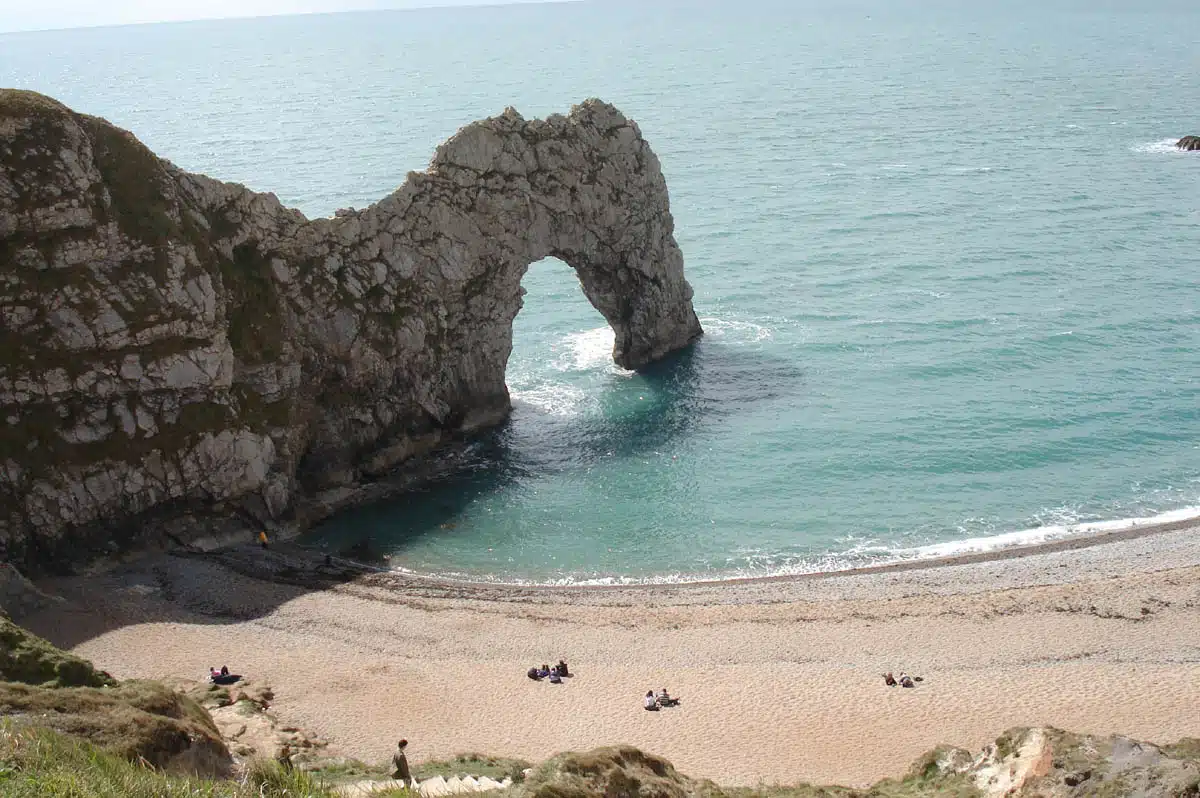
1. Durdle Door, England
Durdle Door is a natural limestone arch on the Lulworth Estate in Dorset, part of the Jurassic Coast World Heritage Site. The curved pebble and shingle beach beside it looks out over clear water and white cliffs. You reach it on foot, either over the hill from Lulworth Cove or from the clifftop car park, then down a steep path and steps. September to May is much quieter than summer. Our guide to Durdle Door and the Jurassic Coast has more ideas nearby.
2. Bournemouth, England
Bournemouth has one of the longest sandy beaches in Britain, running for miles below soft, sandy cliffs. Two piers, rows of beach huts and a long seafront promenade make it an easy day by the sea, and lifeguards patrol parts of the beach in summer. Walk east towards Hengistbury Head for quieter sand. Direct trains run from London, and the beach is a short walk from the town centre. In summer, come early or by train.
3. Formentor Beach, Mallorca, Spain

Platja de Formentor lies on the Formentor peninsula in the far north of Mallorca. It is a long, narrow strip of fine sand lined with pine trees, which give rare natural shade, and the bay is calm and turquoise. In summer, private cars are restricted on parts of the peninsula, so check the current rules or take a bus or boat from Port de Pollença. For more island ideas, read our beginner’s guide to Mediterranean islands.
4. Matala, Crete, Greece

Matala is a small bay on the south coast of Crete, with a sandy beach beside a cliff full of caves. The caves were cut into the soft rock in ancient times, used as tombs in the Roman period, and became famous when hippies lived in them in the 1960s and 1970s. Today they are a fenced archaeological site that you can visit during set hours. The beach gets very busy in July and August, so come early, then stay for the sunset over the Libyan Sea.
5. Primošten, Croatia

Primošten is a small Dalmatian town between Šibenik and Split, with an old town on a former islet now joined to the mainland. Its beaches are pebbly, with clear turquoise water and pine woods that reach almost to the shore. The longest stretches curve around Raduča bay, a short walk from the old town. Above the town, stone-walled vineyards grow the local Babić red wine. Bring water shoes for the pebbles. Our guide to the most beautiful locations in Dalmatia covers more of this coast.
6. Zadar, Croatia
Zadar’s old town sits on a narrow peninsula edged by a long stone promenade. Locals swim from the promenade steps and from pebble beaches with pine shade, such as Kolovare, a short walk from the old town. At the tip of the peninsula you can listen to the Sea Organ, which plays sounds made by the waves, next to the Greeting to the Sun light installation. Zadar has its own airport, and ferries leave for the nearby islands.
7. Durrës, Albania
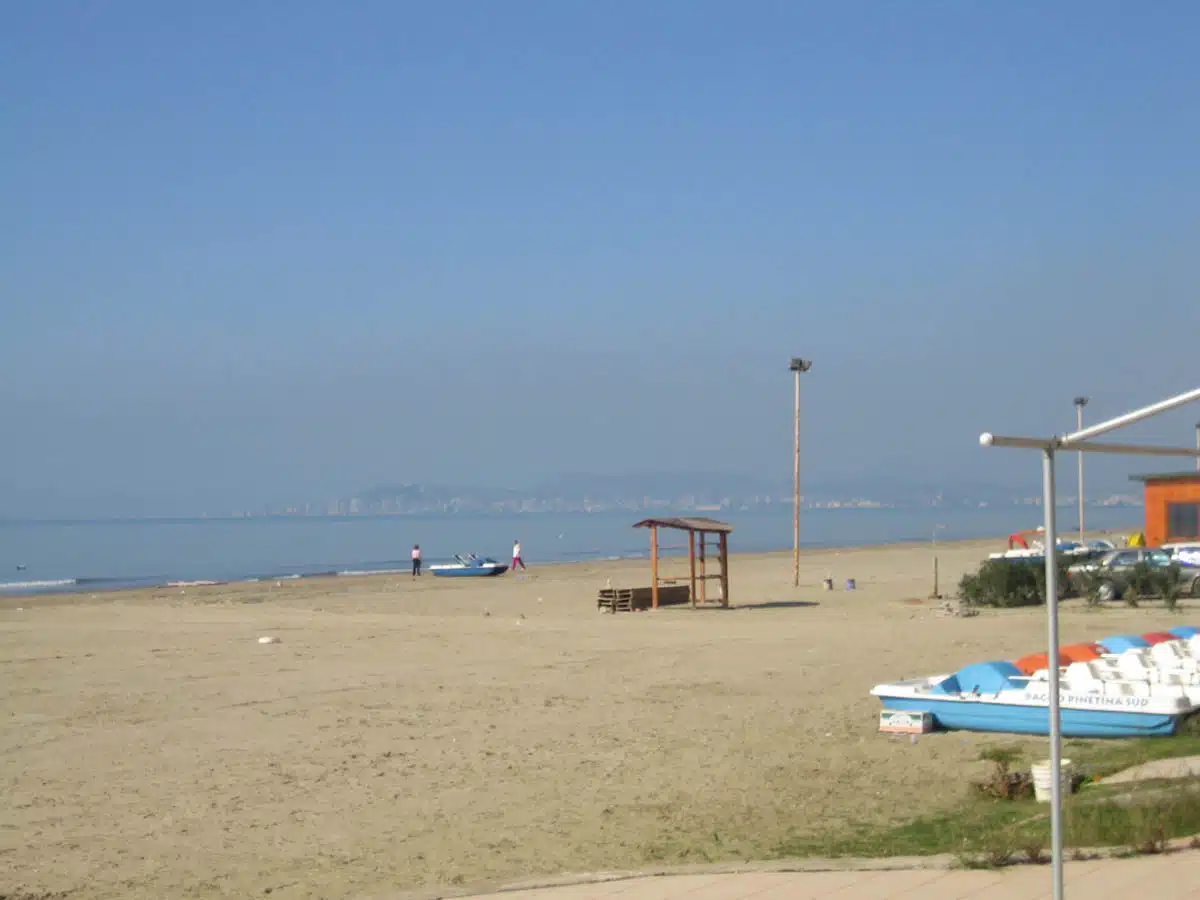
Durrës is Albania’s main port and its busiest beach town. A long sandy beach runs south of the city, with shallow water, rows of sun loungers and pedal boats for hire, which makes it good for families. In the centre you can see a large Roman amphitheatre. Durrës is close to Tirana airport, and ferries arrive from Italy. Visit in June or September for a warm sea and fewer crowds.
8. Praia da Marinha, Portugal
Praia da Marinha near Lagoa in the Algarve is a sandy cove framed by golden limestone cliffs, arches and sea stacks. You reach the sand by a path and steps from the clifftop car park. The clifftop is also one end of the Seven Hanging Valleys Trail, a coastal walk that passes Benagil. Come early for soft light. Do not sit right under the cliffs, as rock falls can happen along this coast.
9. Zlatni Rat, Brač, Croatia
Zlatni Rat, near the town of Bol on the island of Brač, is a spit of fine pebbles that points out into the sea. Its tip shifts with the wind and currents, so the shape changes over time. Pine trees cover the base, and the steady wind makes it popular with windsurfers. Take a ferry from Split to Supetar and cross the island, or a catamaran to Bol when it runs.
10. Cala Goloritzé, Sardinia, Italy
Cala Goloritzé is a small white pebble cove on the Gulf of Orosei in eastern Sardinia, below a tall limestone spire. The water is very clear, and the cove is a protected natural monument. You can only reach it on foot, by a steep trail from the Golgo plateau above Baunei. Visitor numbers are limited, so you must book a place online before you go. Bring plenty of water and proper shoes.
11. Elafonissi, Crete, Greece
Elafonissi is in the far south-west of Crete, where a shallow lagoon separates the beach from a small island that you can often wade across to. Crushed shells give the sand a pink tint in places. The area is a protected nature site, so stay off the dunes and do not take sand or shells home. It is a long, winding drive from Chania, and buses run in summer. Arrive early or late in the day to avoid the crowds.
Tips for visiting
June and September are the best months for most of these beaches: the sea is warm in the south, and there are fewer people than in July and August. Many beaches in Croatia, Dorset and Sardinia are pebbly, so pack water shoes, and bring shade and water, because some coves have no shops. Some protected beaches limit visitor numbers or close parking, so check booking rules a few days ahead. Stay away from cliff edges and the foot of cliffs, and follow lifeguard flags. Before you travel, check your government’s current travel advice and the entry rules for each country.
Questions about beaches in Europe
When is the best time to visit beaches in Europe?
June and September usually give you warm weather and calmer beaches. In the UK, the sea stays cool even in summer, so a sunny day from June to September is best for swimming.
Do you need to book to visit some European beaches?
Yes, a few protected beaches limit numbers. In Sardinia, Cala Goloritzé and La Pelosa need an advance booking in season, so check the official rules before you go.
Are beaches in Europe sandy or pebbly?
Both. Croatia’s Adriatic coast is mostly pebble, while Bournemouth, the Algarve, Durrës and Elafonissi have sand.


