Things to Do in India: 12 Best Places and Experiences
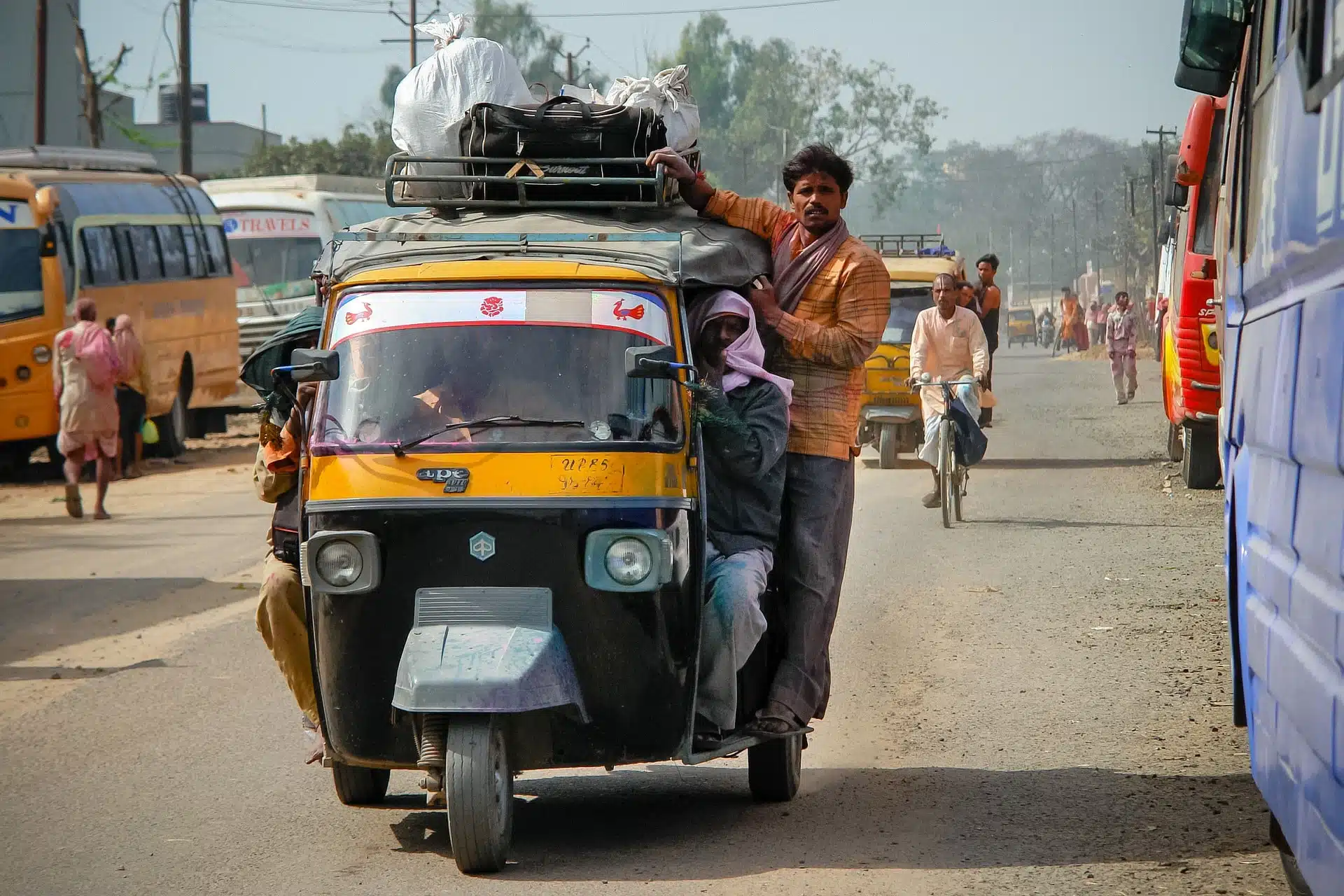
India is a huge country in South Asia, bordered by Pakistan, China, Nepal, Bhutan, Bangladesh and Myanmar, with Sri Lanka just across the sea. It is the seventh-largest country in the world by area. According to UN estimates it has been the most populated country since 2023, with more than 1.4 billion people. The capital is New Delhi.
Travellers come for the history, the religions, the food and the landscapes, which range from Himalayan peaks to tropical beaches. India is also a federal democracy with many languages and cultures, so no two regions feel the same. Here are the 12 best things to do in India, with tips on when to go and how to plan your trip.
1. See the Taj Mahal in Agra
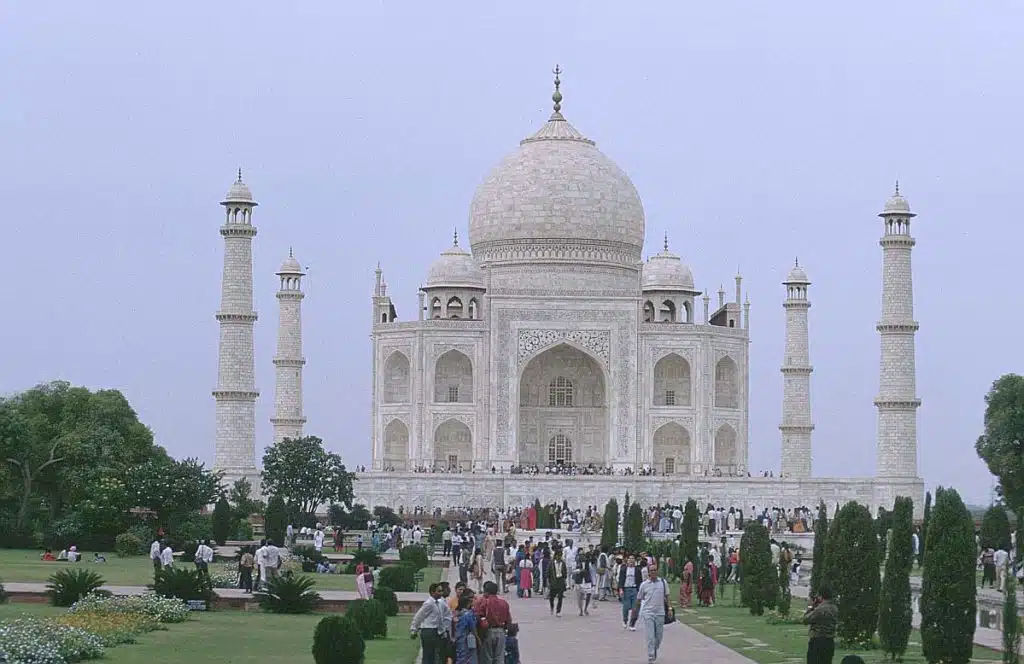
The Taj Mahal is a white marble tomb built by the Mughal emperor Shah Jahan for his wife Mumtaz Mahal. It stands on the Yamuna river and looks best at sunrise, when the crowds are smaller. The complex is usually closed on Fridays. Agra also has its red sandstone fort, and the city is easy to reach by train from Delhi.
2. Explore Old and New Delhi
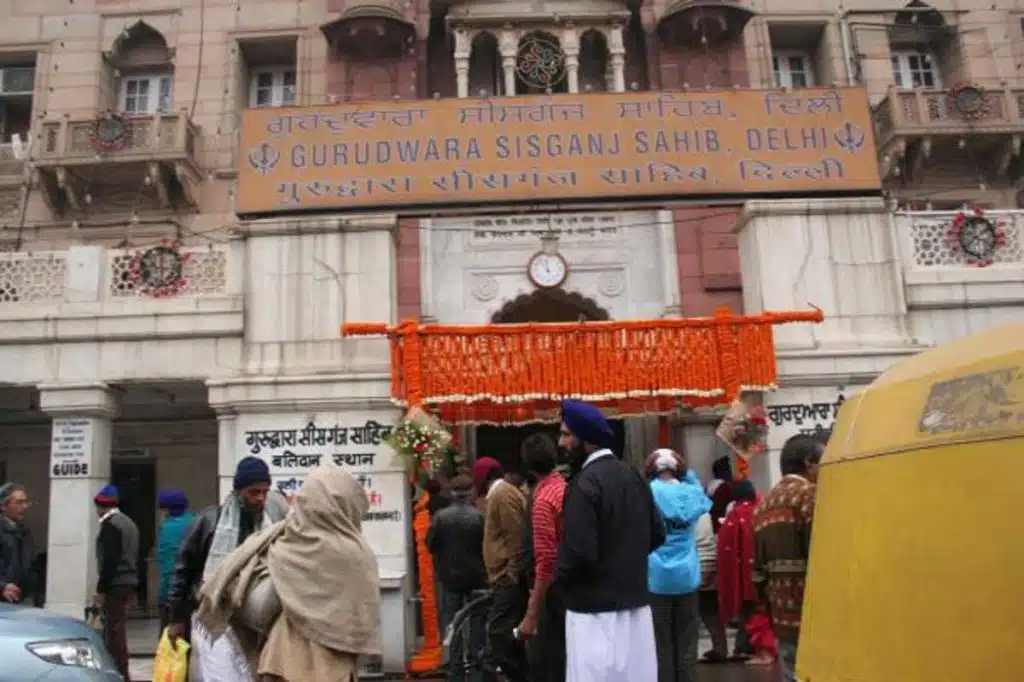
Delhi mixes several eras in one city. Old Delhi has narrow lanes, busy markets and the Red Fort, while New Delhi has wide avenues, government buildings and India Gate. Humayun’s Tomb and the Qutb Minar are other fine historic sites. Take the metro to avoid traffic, and allow at least two full days to see the main areas.
3. Visit the forts and palaces of Rajasthan
Rajasthan is known for its desert scenery and royal history. Jaipur, the “Pink City”, has the City Palace and the Amber Fort. Jodhpur is dominated by Mehrangarh Fort, and Udaipur sits beside its lakes. Many forts have been turned into hotels, so you can stay in one. Trains and drivers link these cities well, and the cooler months are the best time to go.
4. Watch life along the ghats of Varanasi
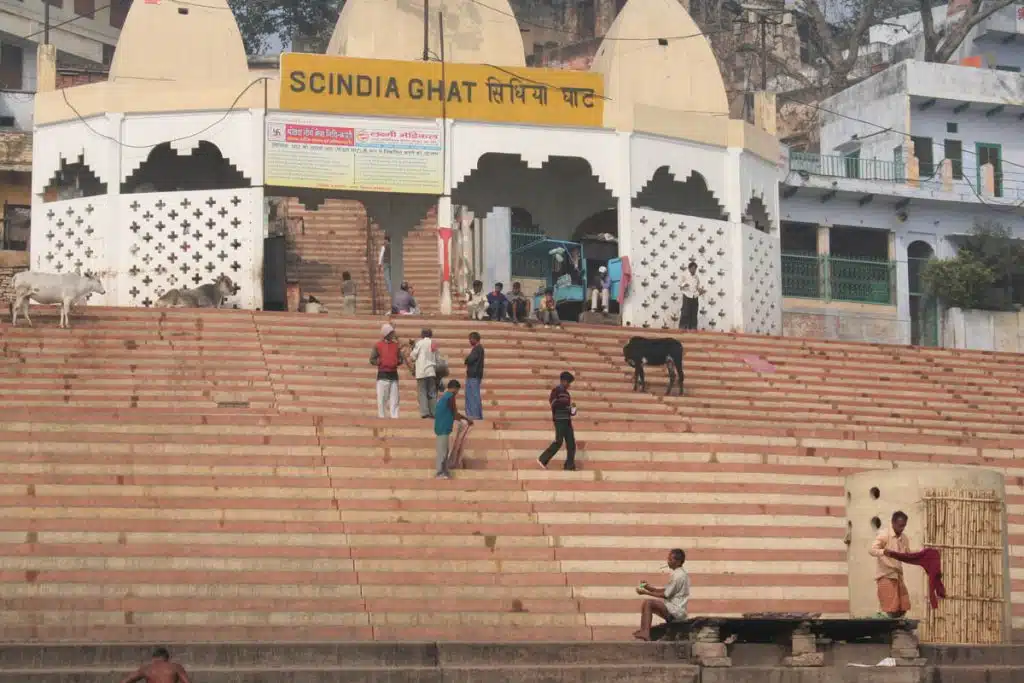
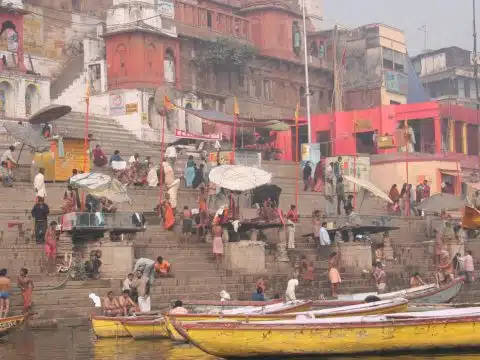
Varanasi is one of the oldest continuously inhabited cities in the world and holy to Hindus. Stone steps called ghats lead down to the Ganges. Pilgrims bathe at dawn, and a boat trip at sunrise is the best way to see the riverfront. In the evening, a fire ceremony called the aarti is held at Dashashwamedh Ghat. Be respectful when you take photos near cremation sites.
5. Walk around the Gateway of India in Mumbai
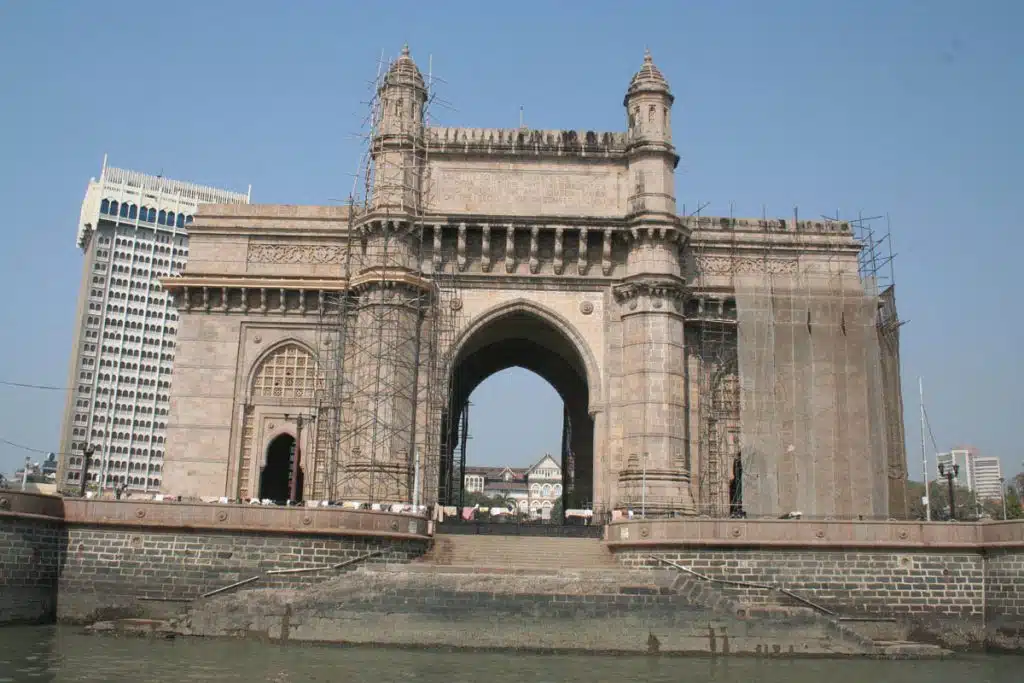
The Gateway of India is a stone arch on Mumbai’s waterfront, built to mark the 1911 visit of King George V and Queen Mary. Next to it stands the Taj Mahal Palace hotel. Ferries leave from here for Elephanta Island and its rock-cut cave temples. Mumbai is also the home of Bollywood, with lively street food, old colonial buildings and a long seafront promenade at Marine Drive.
6. Discover the caves of Ajanta and Ellora
In Maharashtra, the caves of Ajanta and Ellora are both UNESCO World Heritage Sites. Ajanta has Buddhist cave monasteries with ancient wall paintings. Ellora has Buddhist, Hindu and Jain caves, including the Kailasa temple, carved from a single mass of rock. The two sites are a few hours apart, so give each its own day. The nearest big city is Chhatrapati Sambhajinagar, formerly Aurangabad.
7. Cruise the Kerala backwaters
Kerala, on the south-west coast, has a network of canals, rivers and lagoons lined with palms and rice fields. The most popular way to see them is on a houseboat, often from Alleppey (Alappuzha). You can also take a smaller canoe to reach quiet villages. Kerala is also known for spice plantations, Ayurvedic treatments and fresh seafood cooked with coconut.
8. Relax on the beaches of Goa
Goa is the best known beach region in India. The north has lively beaches, markets and nightlife, while the south is generally quieter. Inland, you can visit Portuguese-era churches in Old Goa, a reminder that the area was a Portuguese colony until 1961. Goa is at its best from November to February, when the weather is dry and the sea is calm.
9. Go to Rishikesh and the Himalayas
Rishikesh sits on the Ganges where the river leaves the Himalayan foothills. It is a centre for yoga and meditation and also offers white-water rafting. Further north, Leh and Ladakh have high mountain passes and Buddhist monasteries. Hill stations such as Shimla and Darjeeling offer cooler air. At high altitude, take a day or two to acclimatise before you do anything active.
10. Visit the Golden Temple in Amritsar
The Golden Temple, or Harmandir Sahib, is the holiest shrine of Sikhism. It stands in the middle of a pool, and its upper levels are covered in gold. Visitors of all faiths are welcome, but you must cover your head and take off your shoes. The temple also runs a huge free community kitchen, called the langar, that serves simple meals to everyone.
11. Look for wildlife in the national parks
India has most of the world’s wild tigers, and they have been protected by law since the Wildlife Protection Act of 1972. Jim Corbett National Park in Uttarakhand is one of the oldest parks in the country. Kaziranga in Assam is famous for the Indian one-horned rhinoceros. Safaris are run by park-approved guides, and seeing a tiger is never guaranteed, so plan more than one drive.
12. Eat your way across the country
Indian food changes from state to state. The north is known for breads, creamy curries and kebabs, while the south favours rice, lentils, dosas and coconut. Street snacks such as samosas, pani puri and chaat are popular everywhere. Try biryani, and sweets like jalebi and gulab jamun. If you have a sensitive stomach, choose busy stalls with fresh, hot food.
When to visit India
For most of the country, the best time is from October to March, when it is cooler and drier. April to June is very hot in the plains, and the monsoon brings heavy rain from about June to September. Goa and Kerala are best from November to February. The high roads to Ladakh are usually open only in summer, roughly June to September.
Tips for planning your trip
Many visitors need a visa, and an e-visa is available for many nationalities, so check the official site and your government’s current travel advice before you book. Trains are a good way to cover long distances, and tickets sell out early, so book ahead. Domestic flights save time on very long trips. Drink bottled or filtered water, carry basic medicines, ask your doctor about vaccinations, and dress modestly at religious sites.
Questions about India
How many days do you need in India?
Two weeks lets you see one region well, such as Delhi, Agra and Rajasthan. India is too big to see in one trip, so most people come back for another area.
What is the best time to visit India?
October to March suits most regions. Choose the Himalayas in summer and the south in winter.
Is India easy for first-time visitors?
It can be busy and tiring at first. A simple route, pre-booked trains and hotels, and a few days of rest in between make it much easier.
Free photos: Varanasi (46 photos), Mumbai (43 photos), Ajanta and Ellora (33 photos).