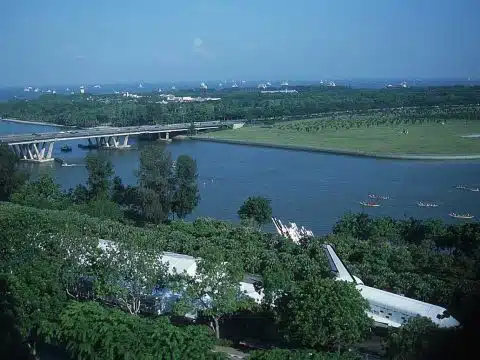
Things to Do in Singapore: 12 Best Places and Experiences
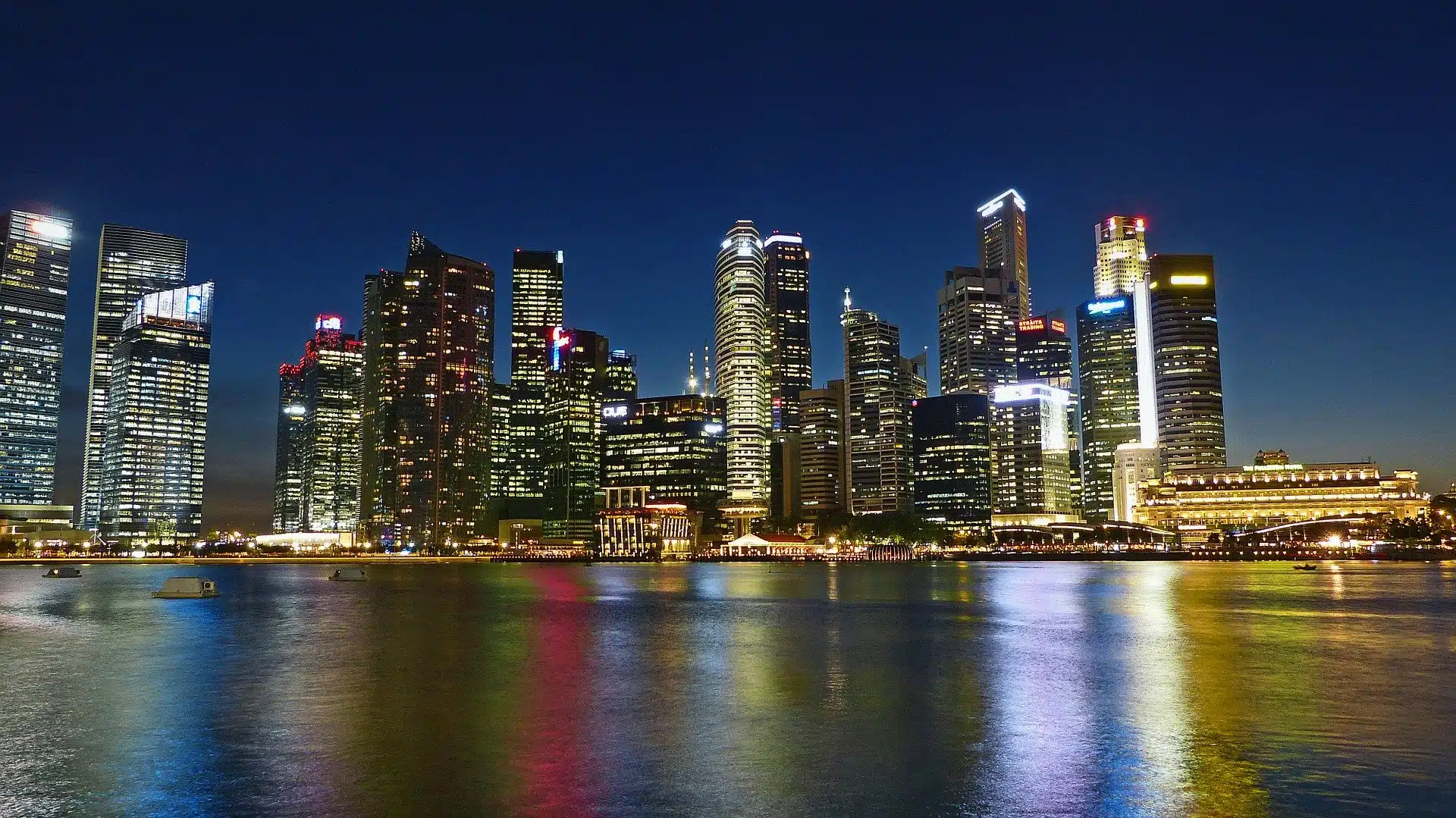
Singapore is an island, a city and a country all at once. It sits at the southern tip of the Malay Peninsula, just north of the equator, and includes the main island plus dozens of small islets. Few places pack so much into so little space.
Modern towers stand beside colonial buildings, temples and shophouses. Gardens, beaches and a very good public transport system make it easy to see a lot in a few days. Here are the 12 best things to do in Singapore, with tips on when to go and how to plan your trip.
1. Gardens by the Bay
Gardens by the Bay is a large waterfront park on reclaimed land beside Marina Bay. Its Supertrees are tall, tree-shaped structures covered in plants, and they light up after dark. Inside the Flower Dome and the Cloud Forest you can see plants from many climates, including a tall indoor waterfall. An elevated walkway links some of the Supertrees. There are also children’s play areas.
2. Marina Bay Sands
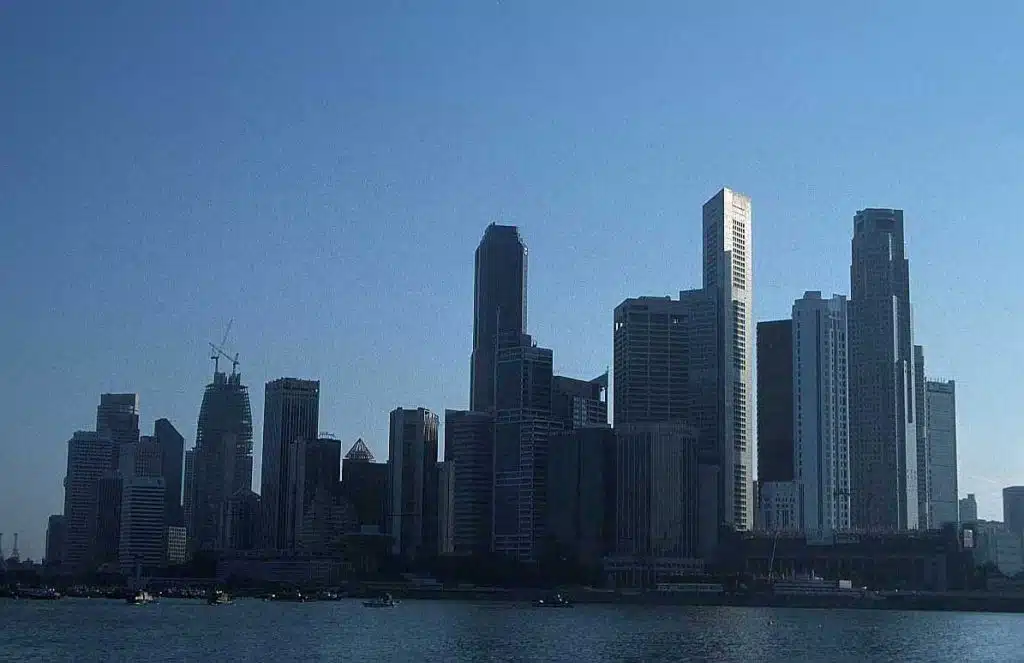
Marina Bay Sands is the hotel and resort with three towers joined by a boat-shaped SkyPark on top. It has become the symbol of modern Singapore. The rooftop infinity pool is for hotel guests only, but the observation deck is open to the public. The complex also has shops, restaurants and a casino. The best views of the building come from across the bay.
3. Merlion Park
The Merlion has the head of a lion and the body of a fish. The lion recalls the name Singapura, which means “Lion City”, and the fish recalls the island’s past as a fishing village. The statue spouts water into the bay. It is a popular place for photos, with Marina Bay Sands and the financial district behind it. Come at dusk for the lights.
4. Singapore River and Boat Quay
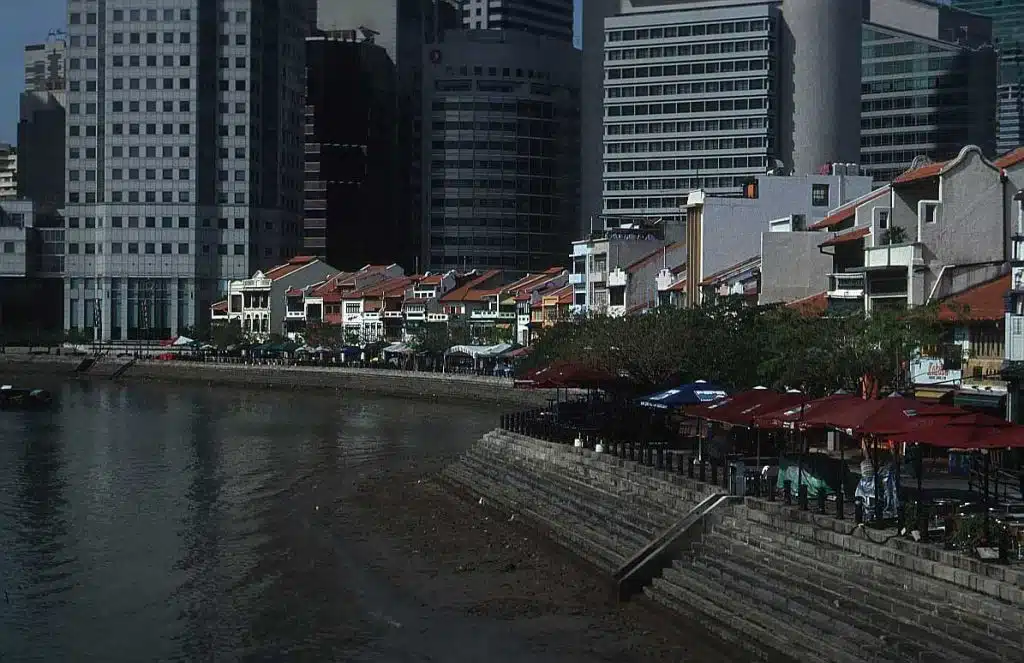
The Singapore River was once the heart of the island’s trade. Today Boat Quay and Clarke Quay are lined with restored warehouses and shophouses, now home to restaurants and bars. You can walk along the water, cross the old bridges or take a river cruise. The Raffles landing site, marked by a statue, is nearby. Evening is the liveliest time.
5. The Civic District and the Padang
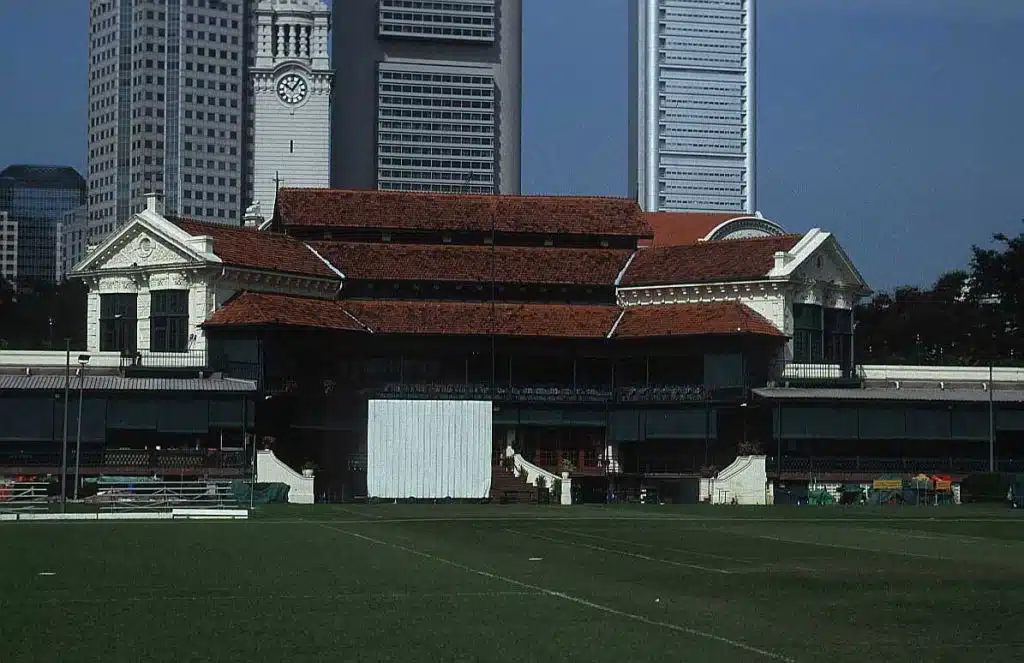
The Padang is a wide green field in the middle of the city, long used for cricket and public events. Around it stand City Hall, the Supreme Court building and the Singapore Cricket Club. This is the best area for a walk through colonial Singapore. The National Gallery Singapore, in two historic buildings, is close by and has a large collection of Southeast Asian art.
6. Sentosa Island
Sentosa is a resort island just off the main island’s south coast. It was once called Pulau Belakang Mati, which means “island of death” in Malay. The name Sentosa means peace and tranquillity. Today it has beaches, the Singapore Oceanarium, Universal Studios Singapore, a zip line and the MegaJump. You can reach it by cable car, by monorail or on foot over a boardwalk.
7. Singapore Botanic Gardens
The Botanic Gardens are a calm break from the city. They opened in the 19th century and are a UNESCO World Heritage Site. Shady paths lead past lakes, lawns and a rainforest patch. The National Orchid Garden is the highlight, with thousands of orchids, including hybrids named after visiting figures. Entry to the gardens is free, but the orchid garden charges a fee.
8. Chinatown, Little India and Kampong Glam
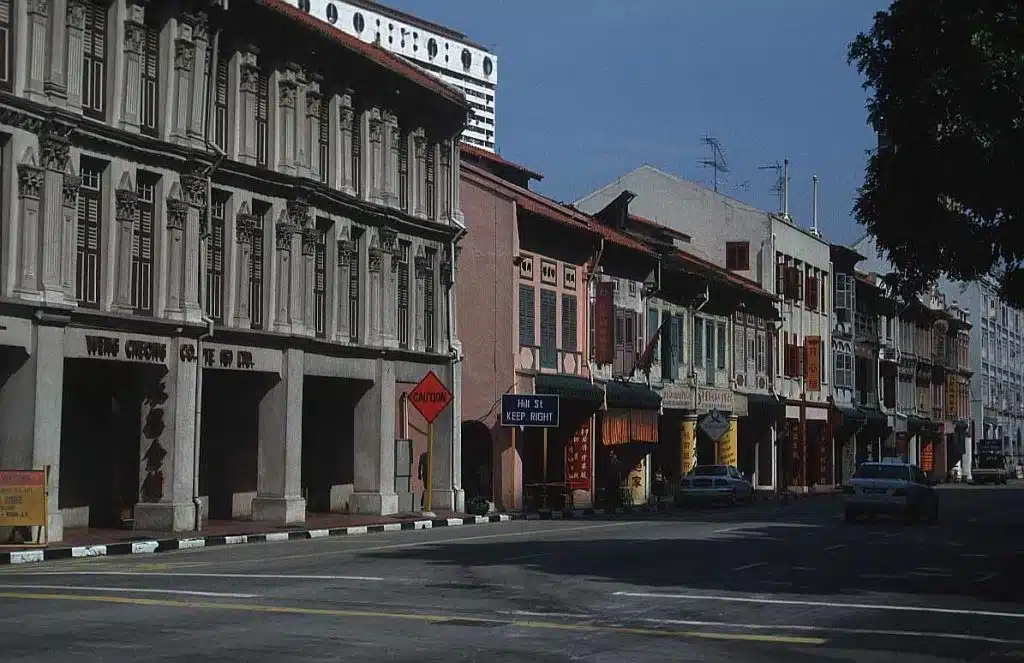
Singapore’s mix of cultures is easy to see on foot. Chinatown has temples, shophouses and food stalls. Little India is known for its colourful shops, flower garlands and spices. Kampong Glam has the Sultan Mosque and a lively street of cafés. Each area is close to an MRT station, so you can visit all three in one day.
9. Singapore Zoo and Night Safari
Singapore Zoo is known for its open enclosures, where many animals live with few visible barriers. Next to it, the Night Safari lets you see nocturnal animals after dark, by tram or on foot. The River Wonders park focuses on animals from the world’s great rivers. These attractions sit in the north of the island, so allow time to travel there.
10. Hawker centres and local food
Eating is one of the main reasons to visit. Hawker centres are open-air food halls where stalls sell dishes such as chicken rice, laksa, satay and chilli crab at low prices. Singapore’s hawker culture is on UNESCO’s list of intangible cultural heritage. Lau Pa Sat, Maxwell Food Centre and Newton Food Centre are well-known places to start. Go early to avoid the lunch queues.
11. Orchard Road
Orchard Road is Singapore’s main shopping street, with large malls, department stores and international brands. Even if you do not plan to shop, the malls are cool, air-conditioned places to escape the midday heat. Many have food courts in the basement. The street is also lined with trees and is especially pretty when decorated for festivals and at Christmas.
12. Pulau Ubin
Pulau Ubin is a small island off the north-east coast, and it feels like old Singapore. A short bumboat ride takes you there from Changi Point. Once there, you can hire a bicycle and ride past villages, forest and mangroves. It is a good place for birdwatching and for a quiet day away from the towers. Bring water and insect repellent.
When to visit Singapore
Singapore is hot and humid all year, with temperatures that change little between months. Rain can fall at any time, but the wetter months are usually November to January. February to April is often a little drier. Outdoor sights are most comfortable in the morning or evening. Large events such as Chinese New Year and the Formula 1 night race bring crowds and higher hotel prices.
Tips for planning your trip
Most visitors arrive at Changi Airport, which has train links to the city. Getting around is easy by MRT, bus and taxi, and you can pay with a contactless card or a transit card. Carry a light umbrella and dress for the heat. Tap water is safe to drink. Check entry requirements, including any arrival card, and your government’s current travel advice before you go.
Questions about Singapore
How many days do you need in Singapore?
Three to four days is enough to see the main sights, try the food and visit Sentosa. Add a day if you want the zoo, Pulau Ubin or a slower pace.
Is Singapore expensive to visit?
Hotels and alcohol can be costly. Food at hawker centres, public transport and many parks are cheap or free, so you can keep costs down.
Is Singapore a country or a city?
Both. Singapore is a sovereign island city-state, with no separate countryside or other cities. This is why you can reach most attractions within an hour by public transport.