Things to Do in Santiago de Chile: 12 Best Sights and Experiences

Santiago de Chile is the capital of Chile and its largest city. It spreads across a wide valley, with the snowy Andes rising to the east. Colonial churches, grand 19th century buildings and a cluster of glass towers stand side by side, and the city makes an easy base for trips to the wine valleys, the mountains and the Pacific coast.
Most of the sights in the centre are within walking distance of each other, and the metro reaches the rest. Before you go, browse our free photos of Santiago de Chile to get a feel for the city. Here are the 12 best things to do in Santiago de Chile, with tips on when to go and how to plan your trip.
1. Climb Cerro Santa Lucía
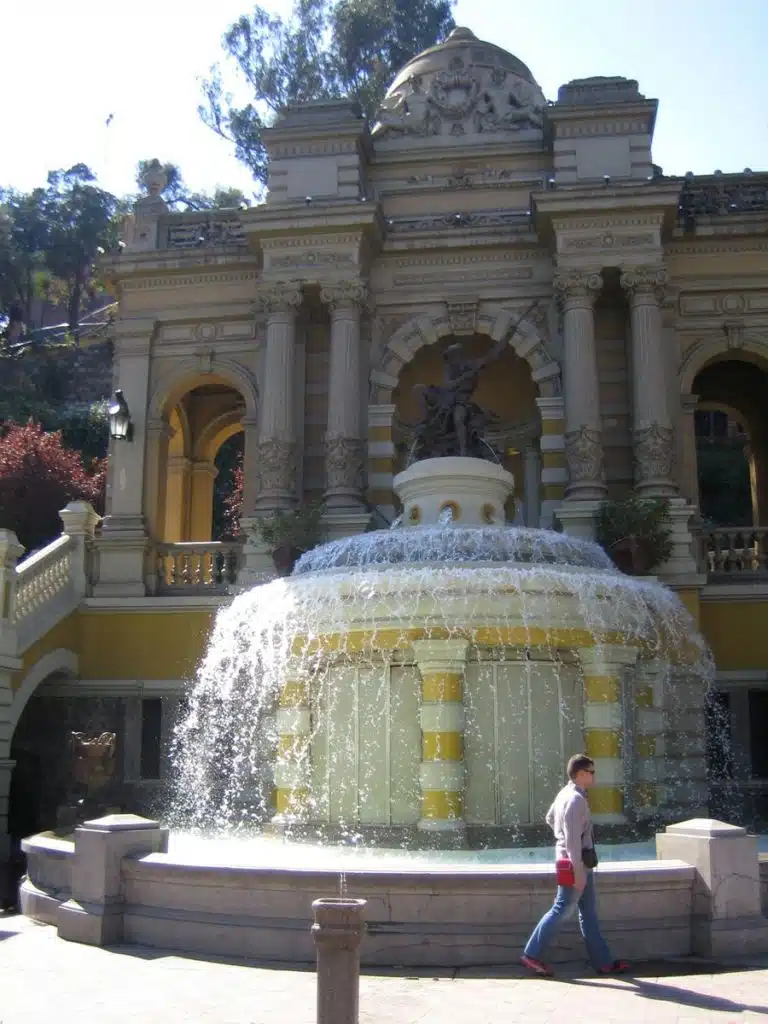
Cerro Santa Lucía is a small rocky hill in the centre, close to where the Spanish founded the city in 1541. In the 1870s the mayor, Benjamín Vicuña Mackenna, turned it into a park. It has stairways, terraces, the Neptune Fountain at the main entrance and a small fort called Castillo Hidalgo. Climb to the top terrace for views over the rooftops to the Andes. Entry is free. Opening hours change between summer and winter, and the park closes when it rains.
2. Plaza de Armas and the Metropolitan Cathedral
The main square has been the heart of Santiago since the city was founded. Around it stand the Catedral Metropolitana, the old Central Post Office and the Palacio de la Real Audiencia, which holds the National History Museum. Under the palm trees you will find chess players, street artists and a statue of the city’s founder, Pedro de Valdivia. Step inside the cathedral to see its long nave, then sit for a while and watch city life go by.
3. La Moneda Palace

La Moneda was built in the late 18th century as the colonial mint. Today it is the seat of the president. It was bombed during the 1973 military coup and later restored. You can see the neoclassical front from Plaza de la Constitución, where you can also watch the changing of the guard on set days. Free guided tours of the inside run all year, but you must book them in advance on the Presidency’s website. The Centro Cultural La Moneda, under the square on the other side of the palace, hosts exhibitions.
4. Museo Chileno de Arte Precolombino
This museum is a block from Plaza de Armas, in the old Royal Customs House, and it is one of the best places in South America to see pre-Columbian art. Its galleries show ceramics, textiles, stone carvings and gold work from Mexico down to the Andes. The rooms on the lower floor cover the peoples who lived in Chile before the Spanish arrived. It is closed on Mondays and you need a ticket. Plan at least two hours.
5. Walk the paseos and old streets of the centre

Pedestrian streets such as Paseo Ahumada and Paseo Huérfanos run through the old centre. They are lined with shops, cafés and street performers, including painted living statues. Look up as you walk: many early 20th century office buildings have carved stone fronts, and there are some fine Art Deco towers. Walk down Calle Nueva York to see the Bolsa de Comercio, the stock exchange building, with French-style buildings close around it.
6. Mercado Central and La Vega
The Mercado Central sits under a cast-iron roof that was made in Britain and put up in the 1870s. Come here to try Chilean seafood, such as caldillo de congrio (a conger eel soup) or paila marina (a seafood stew). Waiters at the entrances will try to bring you to their tables, so take your time and choose for yourself. Then cross the Mapocho river to La Vega Central, a busy produce market where locals shop for fruit and herbs and eat cheap lunches.
7. Barrio Lastarria and the Museo Nacional de Bellas Artes
Lastarria is a small neighbourhood of cobbled streets, bookshops, cafés and restaurants, just east of Cerro Santa Lucía. The GAM cultural centre on the Alameda puts on theatre, dance and exhibitions. A short walk north, the Museo Nacional de Bellas Artes fills a grand early 20th century palace on the edge of Parque Forestal, with Chilean art inside. The Museo de Arte Contemporáneo is at the back of the same building, so it is easy to see both.
8. Cerro San Cristóbal and the Parque Metropolitano
This hill is part of the Parque Metropolitano, the city’s largest green space. It has more than 700 hectares of trails, gardens, picnic areas and viewpoints, and a white statue of the Virgin Mary stands on the summit. You can walk up from Bellavista, take the historic funicular from Pío Nono street or ride a cable car. The lifts sometimes close for maintenance, so check before you go. On clear days you can see across the city to the Andes.
9. Bellavista and La Chascona
Bellavista lies between the Mapocho river and Cerro San Cristóbal. It is the city’s bohemian quarter, with colourful street art, bars, live music and restaurants. Here you will also find La Chascona, the house the poet Pablo Neruda built in the 1950s for Matilde Urrutia. Its odd-shaped rooms and staircases are full of objects from his collections, and many details recall his love of the sea. You need a ticket, so buy one early in busy periods.
10. Sky Costanera and the modern skyline

The business district in Providencia and Las Condes is full of glass office towers, and locals jokingly call it “Sanhattan”. The tallest is the Gran Torre Costanera. Sky Costanera, on its 61st and 62nd floors about 300 metres up, is the highest viewpoint in South America. It gives 360 degree views over the city and the mountains. You need a ticket, and the best time to go is late afternoon on a clear day, so you can stay for sunset.
11. Museo de la Memoria y los Derechos Humanos
This museum tells the story of the human rights abuses under the military dictatorship from 1973 to 1990. It uses documents, photos, letters and personal objects. It is a moving and serious visit, and it helps you understand modern Chile. The museum is near Quinta Normal metro station, beside the Quinta Normal park and its museums. The old streets of Barrio Yungay are a short walk away. Entry is free.
12. Day trips to the Andes, the coast and the vineyards
Cajón del Maipo, a river canyon southeast of the city, is good for hiking, rafting and views of the high Andes. Access to the shore of the El Yeso reservoir is restricted for safety, and the road can close to cars in winter. Valparaíso is a port city with a UNESCO-listed historic quarter and old hillside lifts, about two hours away by bus. Wineries in the Maipo and Casablanca valleys need booking in advance.
When to visit Santiago de Chile

The seasons are the reverse of Europe’s. Spring (September to November) and autumn (March to May) are the best times to visit, with mild days and colour in the parks. Summer (December to February) is hot and dry, and many locals leave the city in January and February, so it can feel quiet. Winter (June to August) is cool. On still days there can be smog, and the clearest views come after rain. Winter is also ski season in the nearby Andes. Around 18 September, the Fiestas Patrias bring food stalls, dancing and celebrations across the city.
Tips for planning your trip
Flights land at Arturo Merino Benítez International Airport, northwest of the city. Airport buses and official taxis run to the centre. The metro is the quickest way to get around. Get a rechargeable bip! card, which also works on city buses. Three or four days is enough for the city, plus extra days for trips out. Many museums close on Mondays, so plan around that. Pickpockets work in busy places like Plaza de Armas, the markets and the metro, so keep an eye on your bags. Check your government’s current travel advice before you go. Santiago lies in an earthquake zone, so read the safety information in your hotel. If you are touring more of South America, see our guides to landmarks in Montevideo and Cuenca in Ecuador.
Questions about Santiago de Chile
How many days do you need in Santiago de Chile?
Three days covers the historic centre, Bellavista and the main viewpoints. Add one or two days for trips to Valparaíso, Cajón del Maipo or a winery.
Can you go inside La Moneda Palace?
Yes, on free guided tours run by the Presidency. Book online in advance, as places are limited, and bring your passport or ID on the day.
Where is the best view of Santiago and the Andes?
Sky Costanera gives the highest view, and Cerro San Cristóbal has the classic view across the valley. For a short climb in the centre, go up Cerro Santa Lucía, ideally on a clear day after rain.