Best Time to Visit Jordan: Seasons, Weather, Crowds and Festivals by Month

The best time to visit Jordan is spring (March to May) and autumn (September to November). Days are warm but not hot, so you can walk all day in Petra, sleep out in Wadi Rum and hike without fighting the heat. April and October are the sweet spots, but they are also the busiest months.
This guide goes through Jordan season by season: the weather in Amman, Petra, the Dead Sea and Aqaba, when the crowds come, what closes in winter, and the festivals and holidays worth planning around. To get a feel for the country first, browse our free photos of Jordan.
Best time to visit Jordan at a glance
- Best overall: April and October, with warm days and cool nights for Petra and Wadi Rum.
- Best for good weather: late March to mid May, when days are mild, rain is rare and the hills are green.
- Best for fewer crowds and lower demand: January and February, if you can handle cold nights and some rain.
- Best for hiking: March to May and October to November, for the Jordan Trail and the Dana to Petra trek.
- Best for the Red Sea: May to June and September to October in Aqaba, for warm water without the worst heat.
- Time to avoid: July and August for desert sightseeing, when the south and the Dead Sea are very hot.
Spring (March to May)
Spring is high season, and for good reason. Days warm up from the high teens in March to the high 20s°C by May, rain fades out after March, and the northern hills around Jerash and Ajloun turn green with wildflowers. It is the best time for long walks: the climb to the Monastery in Petra, the Dana to Petra trek and camping in Wadi Rum. The Dead Sea is pleasant for floating, though the water is still cool early in the season.
Petra is at its busiest in March and April, so arrive at opening time. The wet Siq Trail at Wadi Mujib, near the Dead Sea, reopens in April after its winter closure. Ramadan is moving through late winter at the moment: in 2027 it falls mostly in February, ending in early March.
Summer (June to August)

Summer is hot and dry. Amman reaches around 32°C in July, and Petra, thanks to its altitude, peaks at around 32°C in August. Aqaba and the Dead Sea are much hotter, with Aqaba highs around 37°C and heatwaves above 40°C. Wadi Rum is fierce at midday. Tour groups thin out, but Jordanian and Gulf holidaymakers fill the Aqaba and Dead Sea resorts, especially over Eid.
This is a good season for the Red Sea, where the water reaches around 27°C in August, and for wading through the Siq Trail at Wadi Mujib. In Petra, start at dawn and rest at midday. The Jerash Festival brings concerts, theatre and folk dance to the Roman ruins in late July and early August. Our Jerash day trip from Amman guide explains how to get there.
Autumn (September to November)
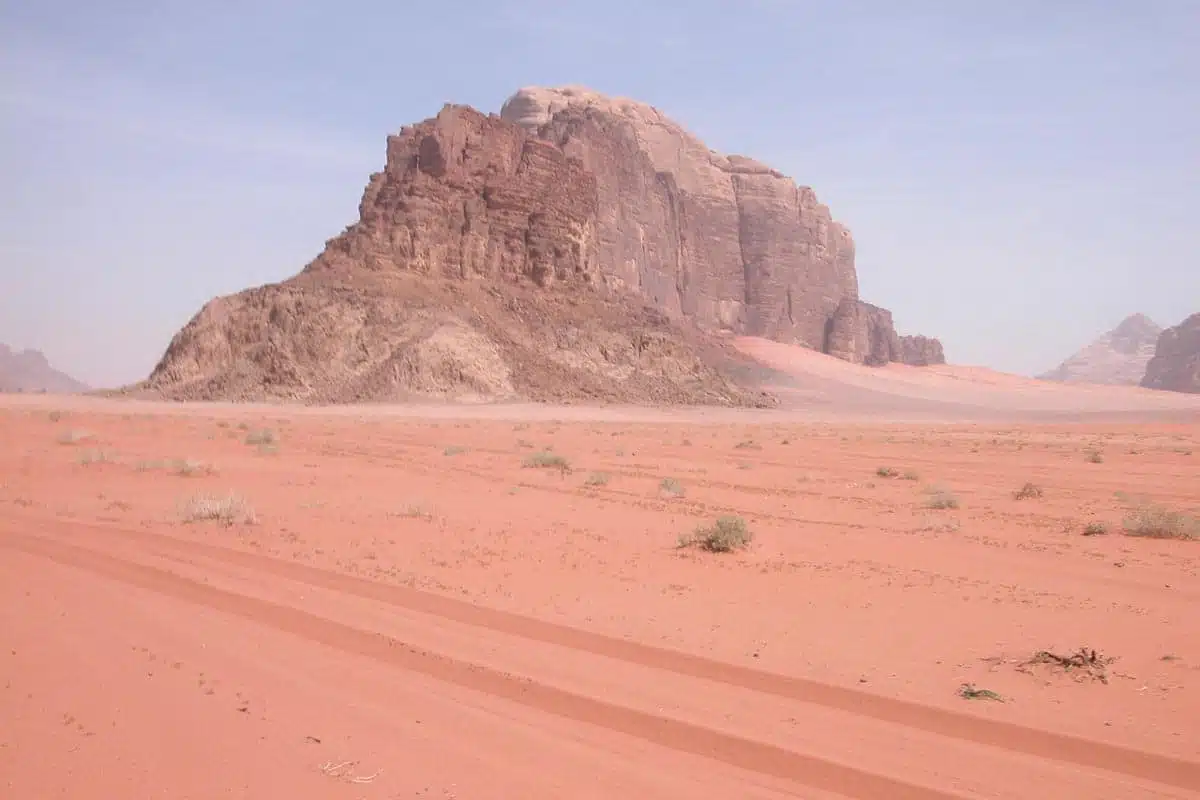
Autumn is the second high season and a favourite with hikers. September is still hot in the south, but by October days in Petra and Wadi Rum are warm and nights are cool. The Red Sea stays around 25°C in October, so you can pair desert days with a few beach days. October and November are the peak months on the Jordan Trail, so book camps, guides and eco-lodges early.
The Petra Desert Marathon runs through the ancient city in early September. The first rains can arrive in November, mostly in the north and the hills. For jeep tours, camel rides and nights under the stars, read our Wadi Rum visitor guide.
Winter (December to February)

Winter is the low season. Amman has highs around 13°C in January with nights around 5°C, and December and January are the wettest months. In some years snow falls on Amman and Petra for a day or two. Nights in Petra and Wadi Rum can drop close to freezing, so desert camps feel cold. Heavy rain can cause flash floods, and Petra closes for safety when the risk is high. The Wadi Mujib Siq Trail is shut from November to March.
The upside is quiet sites and easy bookings. Aqaba stays mild, with days around 20°C and the sea at around 21 to 22°C, which is fine for snorkelling and diving. See our guide to things to do in Aqaba. Christmas is celebrated in Madaba, Fuheis and Amman.
Festivals and events by month
- February and March: Ramadan, the month of fasting, with quiet days, lively evenings and shorter opening hours. It moves about 11 days earlier each year.
- End of Ramadan: Eid al-Fitr, a holiday of family visits that fills hotels in Aqaba and at the Dead Sea.
- April: Dead Sea Ultra Marathon, a road race to the lowest point on Earth, with ultra, half and 10 km races.
- May: Independence Day, a national holiday on 25 May with flags and celebrations across the country.
- July and August: Jerash Festival of Culture and Arts, concerts, plays and folk dance in the Roman theatres.
- September: Petra Desert Marathon, a full marathon and a 25 km race starting inside Petra on sand, gravel and asphalt.
- December: Christmas, a public holiday, marked with lights, church services and markets in Madaba, Fuheis and Amman.
Tips for planning your trip
Book hotels in Petra, desert camps in Wadi Rum and popular hikes well ahead for March to May, October and the Eid holidays, when demand peaks. Pack for big swings in temperature: sun protection and loose, modest clothing for warm days, plus a warm layer for desert nights, and a proper coat and rain jacket from December to February. Jordan is small but varied: the north is greener and cooler, Amman and Petra sit high and can be cold in winter, while the Dead Sea and Aqaba stay warm all year. During Ramadan most sites stay open, but many restaurants close in daylight, so plan meals ahead. In the rainy season, check on the day whether Petra or desert routes are closed after heavy rain. Before you go, check your government’s current travel advice for Jordan and the wider region.
Questions about visiting Jordan
What is the cheapest month to visit Jordan?
Demand is lowest in January and February, outside Christmas and the Eid holidays, and in the heat of July and August away from the beach resorts. Hotels and camps are easier to book and often cheaper then.
Is Jordan worth visiting in winter?
Yes, if you pack warm clothes and keep some flexibility. Petra and Jerash are quiet, the light is clear on dry days, and Aqaba is mild enough for the beach, but rain or rare snow can close Petra for a day.
What is the rainiest month in Jordan?
December and January are the wettest months, with most rain falling in the north and the highlands around Amman. Aqaba and the southern desert get very little rain at any time of year.


