Jordan in Pictures: 83 Free Photos of Petra, Wadi Rum and More
Jordan in 83 free photos: the narrow Siq and the rose-red tombs of Petra, from the Treasury to the Monastery, the sand and cliffs of Wadi Rum, the columns and arches of Roman Jerash, the Citadel and the blue mosque of Amman, the mosaics, desert castles and canyons along the King’s Highway, and the Red Sea at Aqaba. Each set of photos has a short note on the place.
Jordan at a glance
- Getting there: most flights land at Queen Alia airport south of Amman; Aqaba has an airport for the south.
- Getting around: a hire car or a driver is easiest; the JETT buses link Amman, Petra and Aqaba. From Amman to Petra is about three hours by the Desert Highway.
- Money: Jordanian dinar. The Jordan Pass, bought online before you arrive, covers the tourist visa and entry to Petra, Jerash, Wadi Rum and many other sites.
- When to go: March to May and September to November. Summer is very hot in Petra and the desert; winter nights are cold.
How to download: click a photo to see it large, then use Download. The originals are about 1200 × 800 pixels: right for blog posts, slides, social media, school projects and video call backgrounds.
Petra
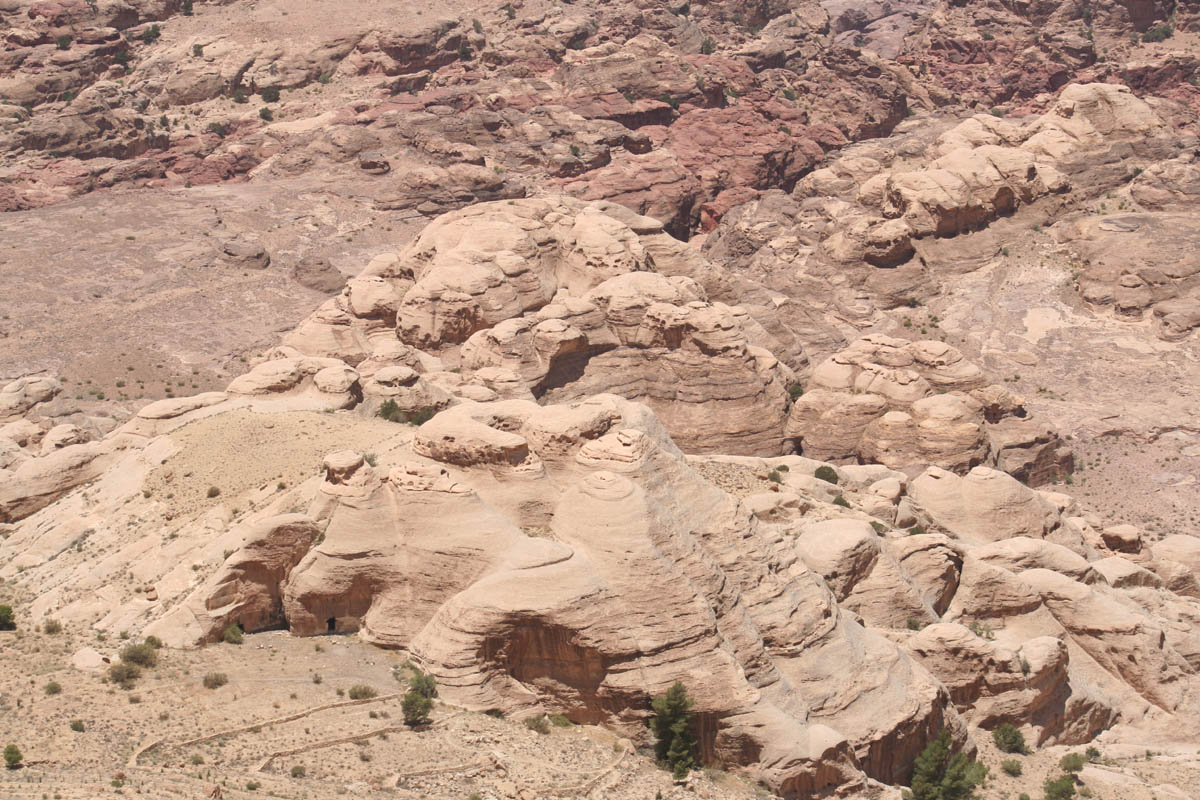
Petra was the capital of the Nabataeans, Arab traders who grew rich on the incense routes and carved their tombs and temples into the red sandstone two thousand years ago. You walk in through the Siq, a gorge more than a kilometre long, until the Treasury appears at its end. Beyond lie the Street of Facades, the theatre, the Royal Tombs and the colonnaded street, and more than 800 steps lead up to the Monastery. Petra is on the UNESCO World Heritage list; plan at least a full day.


Wadi Rum
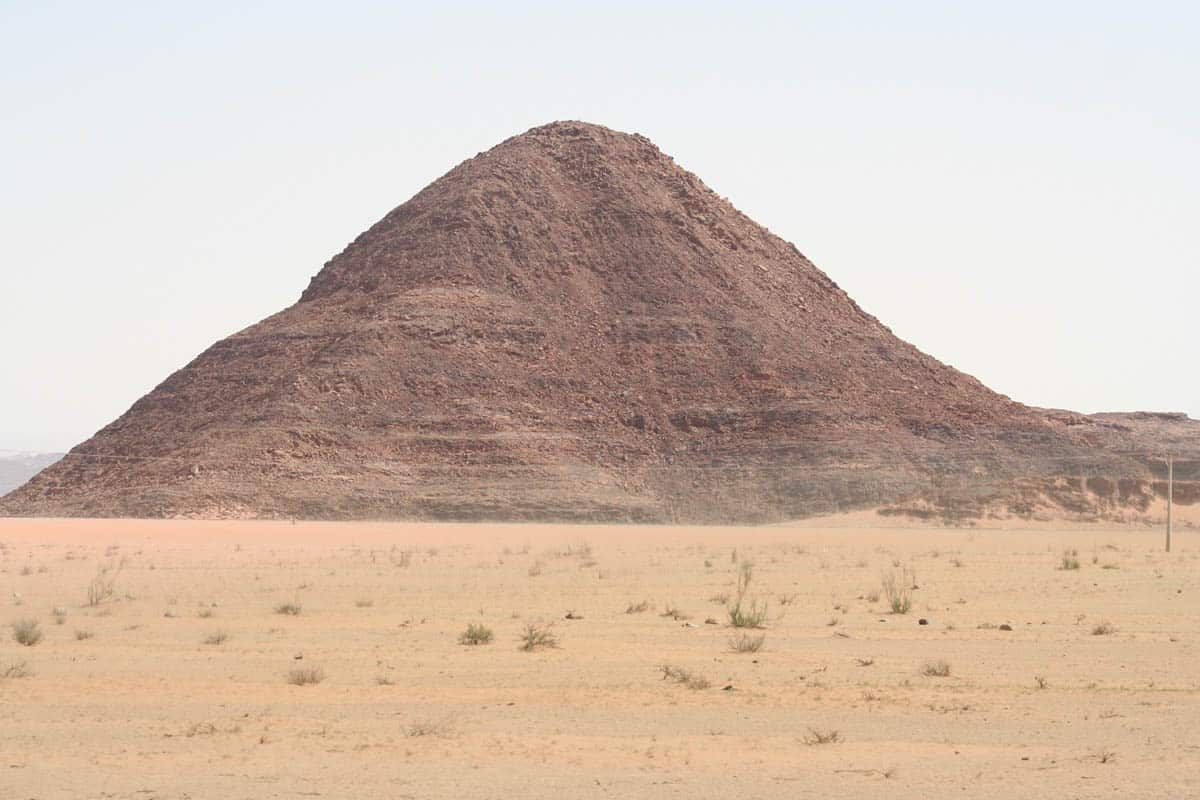
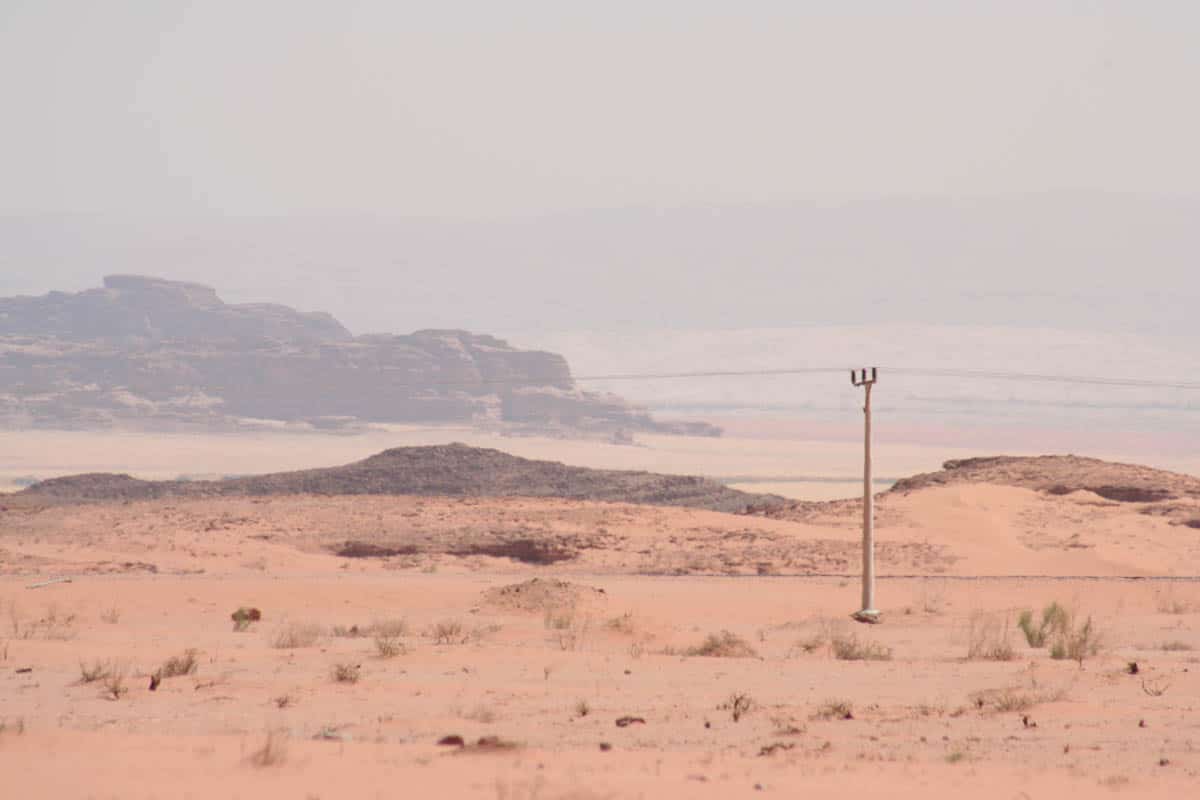
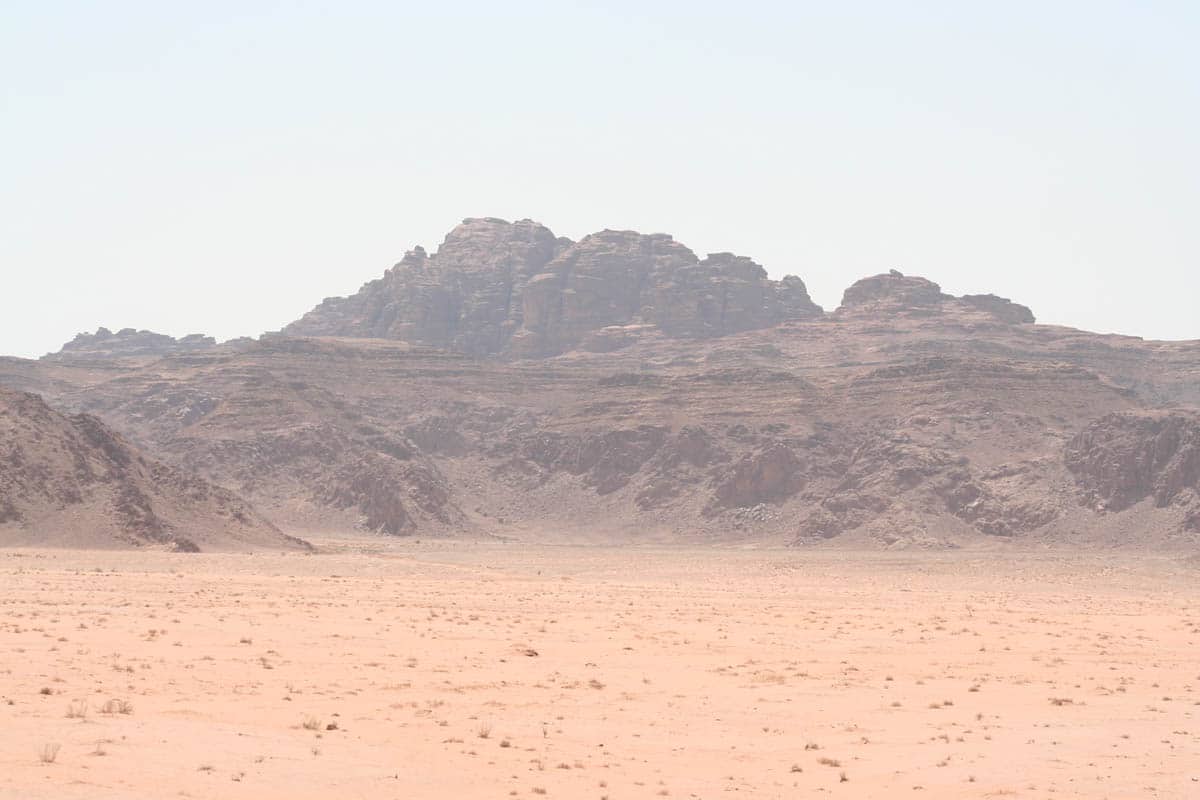
Wadi Rum is a desert valley of red sand between towering sandstone and granite mountains, where Lawrence of Arabia rode in the First World War and films set on Mars have been shot since. Bedouin guides take visitors out by four-wheel drive or camel, and you can sleep under the stars in a desert camp.


Jerash and the north
Jerash, north of Amman, is one of the best-preserved Roman provincial towns anywhere. You enter through Hadrian’s Arch, built for the emperor’s visit in 129, and walk past the hippodrome to the oval plaza, the colonnaded main street, two theatres and the tall columns of the Temple of Artemis. The north of Jordan is green in spring, with olive groves and views over the Jordan Valley.


Amman
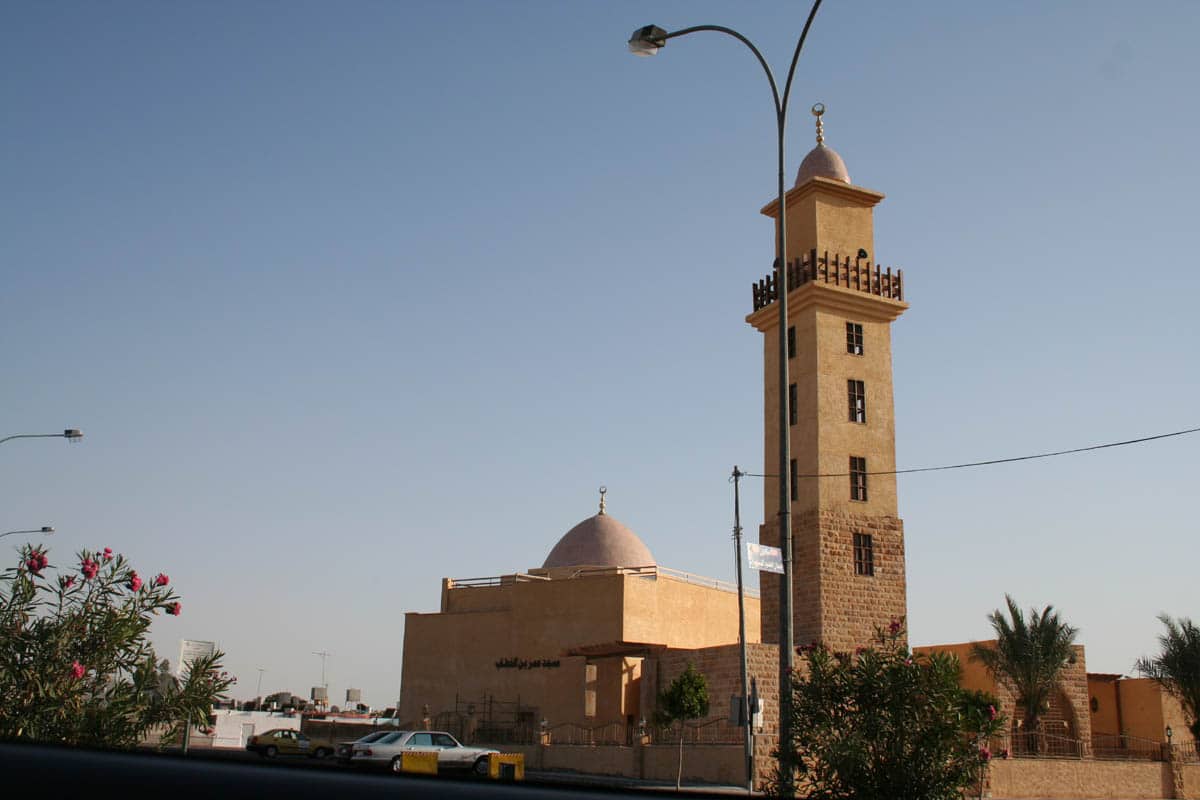
The capital spreads over a series of hills. On the highest, the Citadel, stand the columns of the Roman Temple of Hercules, with a view over the Roman theatre and the white city. The King Abdullah I Mosque, with its blue dome, welcomes visitors outside prayer times.


The King’s Highway, Madaba and the desert castles
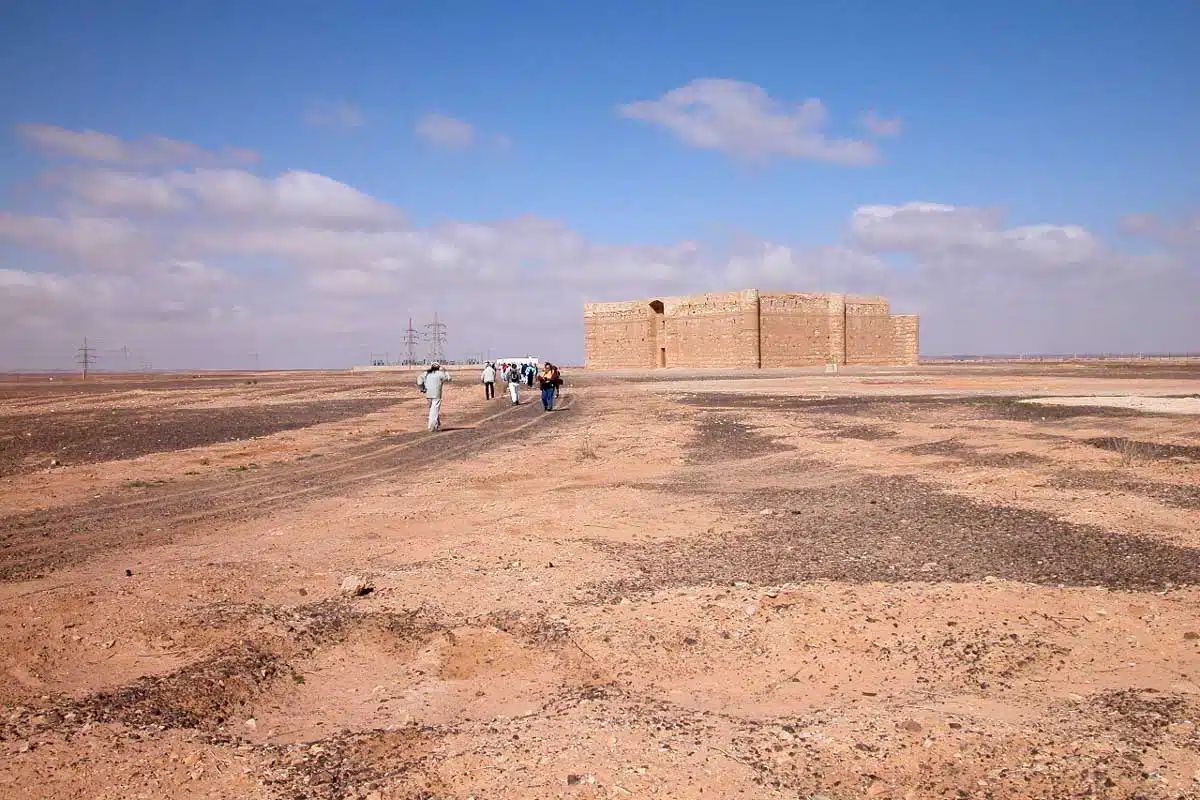
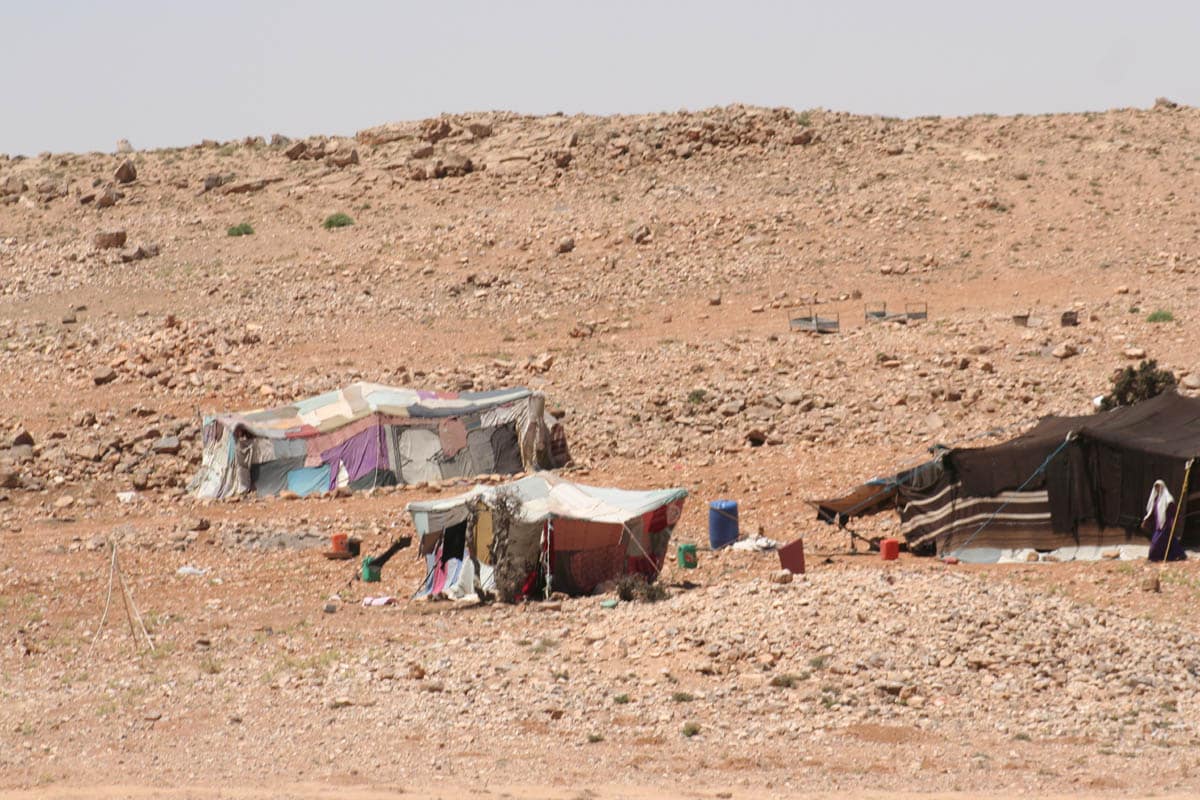
The ancient King’s Highway runs south from Madaba, famous for its mosaics, among them a 6th-century map of the Holy Land, past Mount Nebo, where Moses is said to have seen the Promised Land, and across the deep canyon of Wadi Mujib. East of Amman, Umayyad desert castles such as Qasr Kharana stand alone in the stony desert, and Bedouin tents dot the plains.


Aqaba and the Red Sea
Jordan’s only port, Aqaba, has a short coast on the Red Sea, with coral reefs for snorkelling and diving just south of the town and mountains on the horizon.


More of Petra
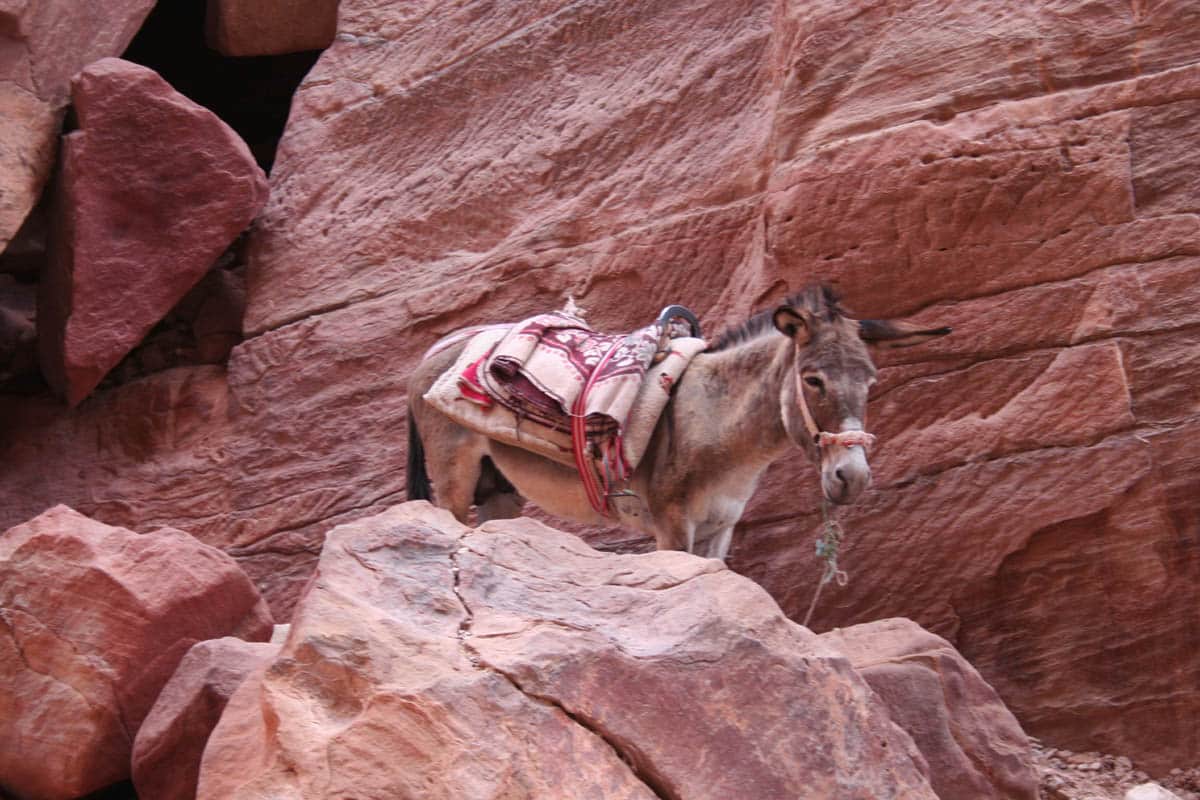
The Siq, the Treasury close up, and the camels and donkeys that carry visitors through the rose-red city.
Wadi Rum and the southern desert
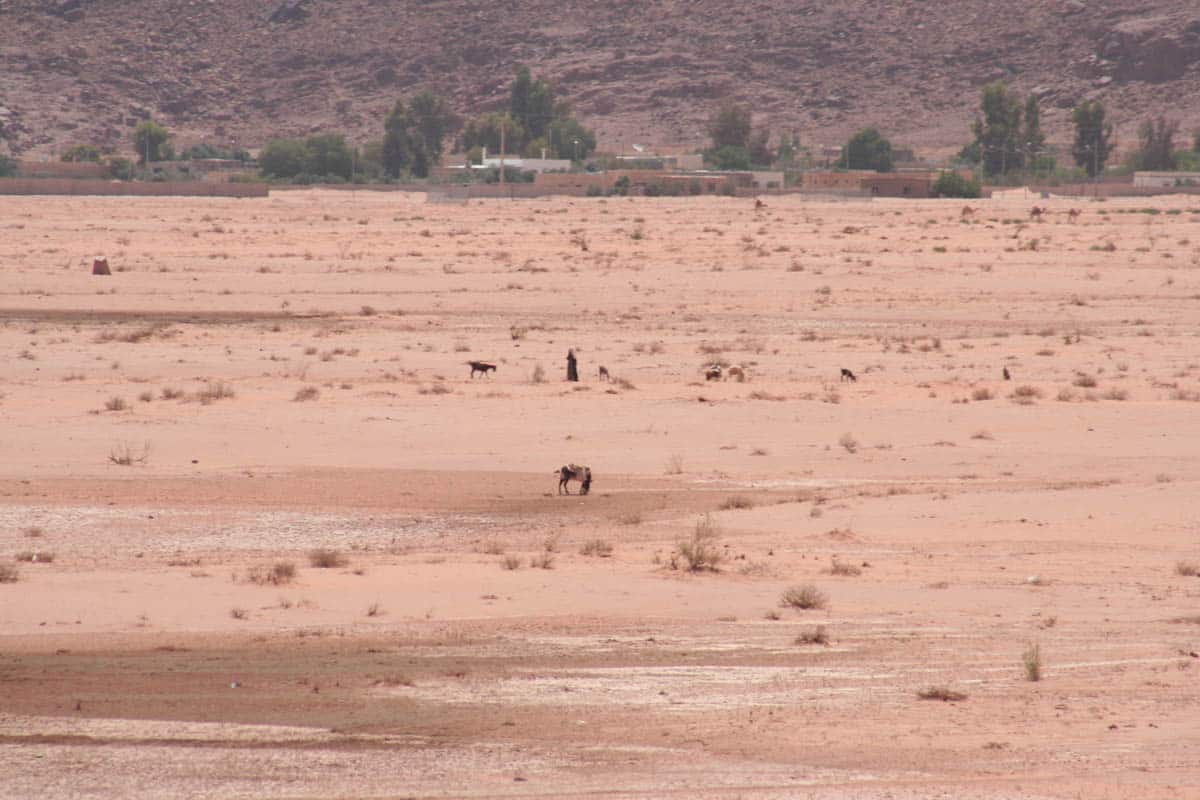
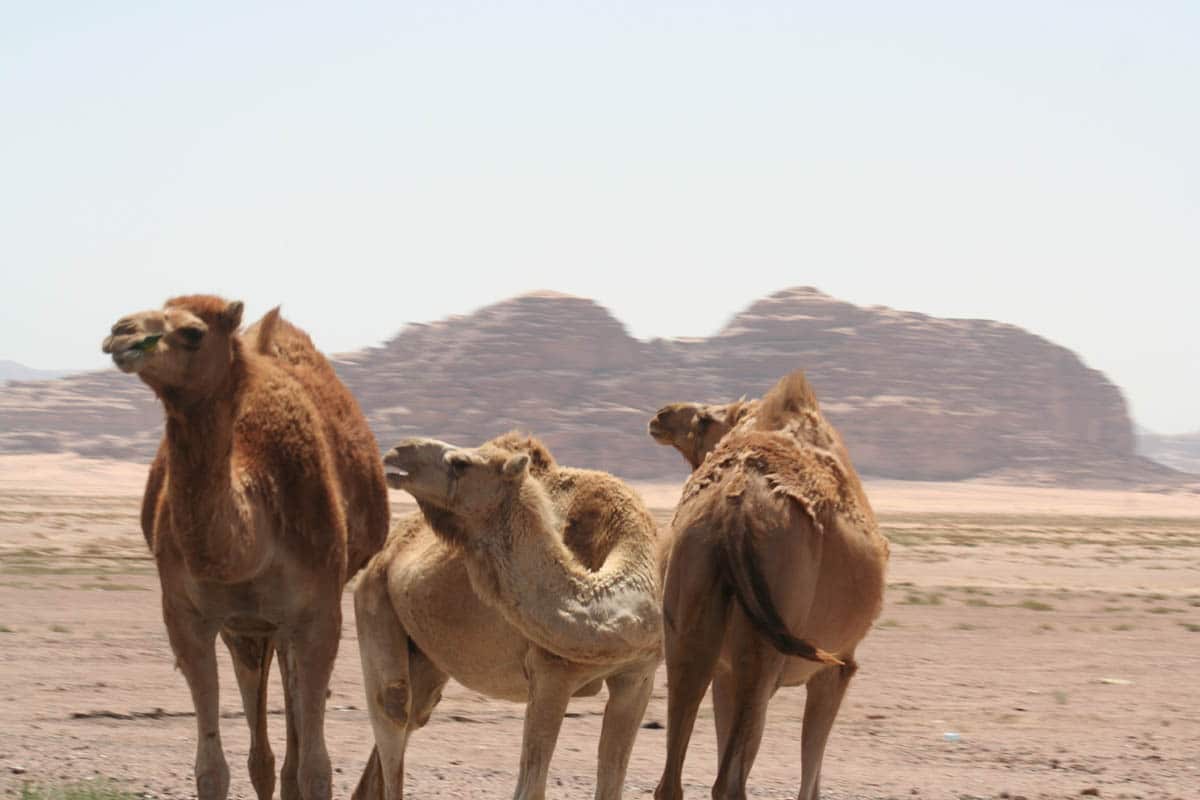
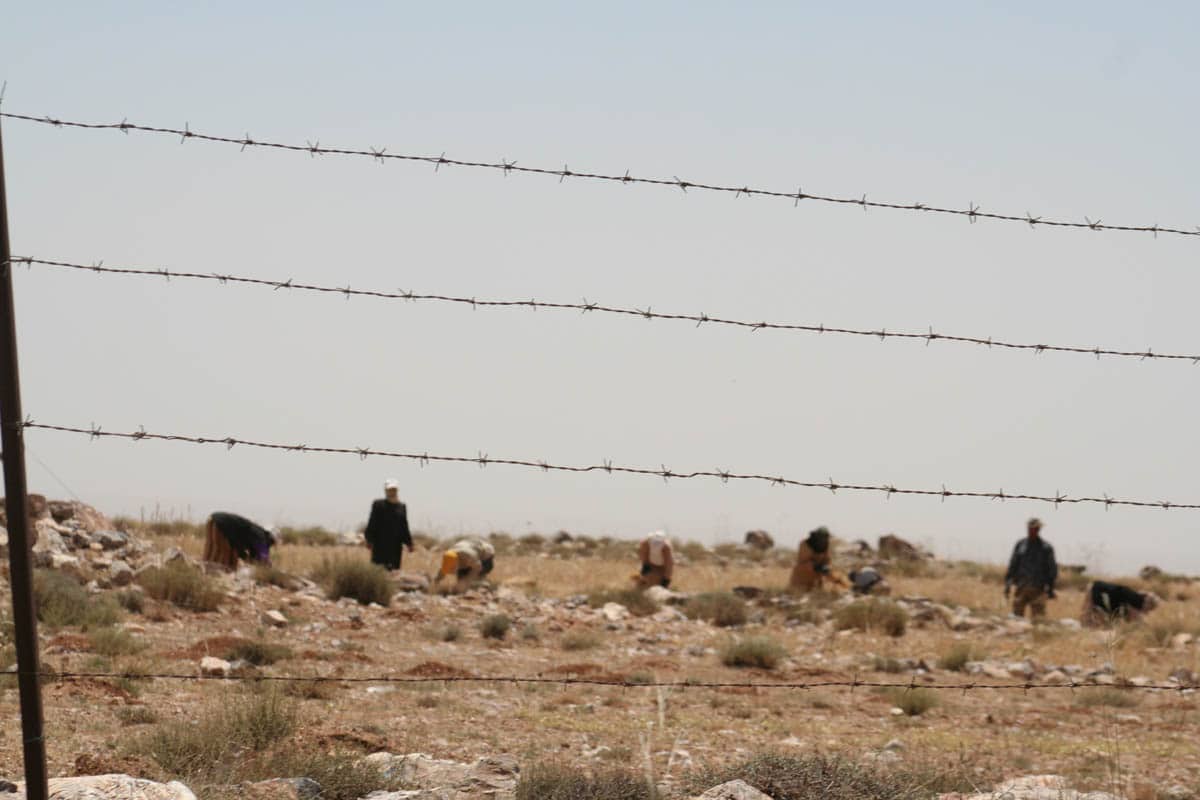
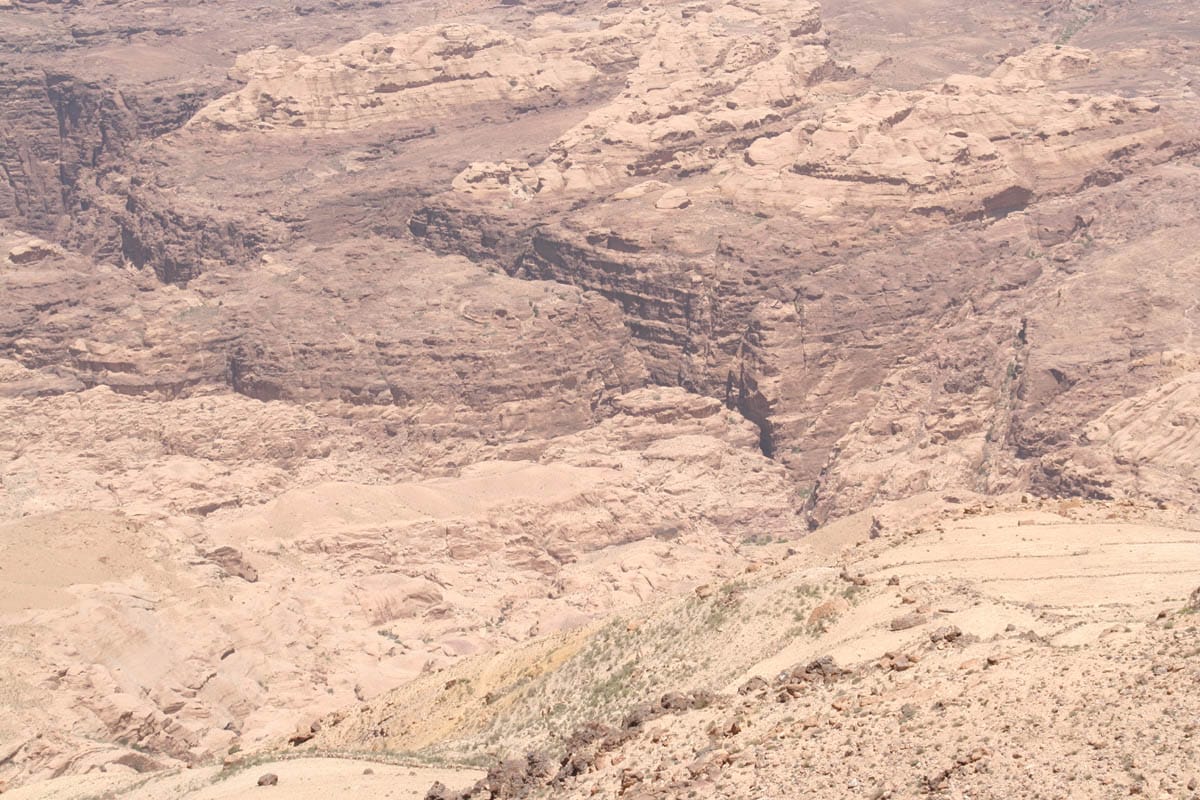
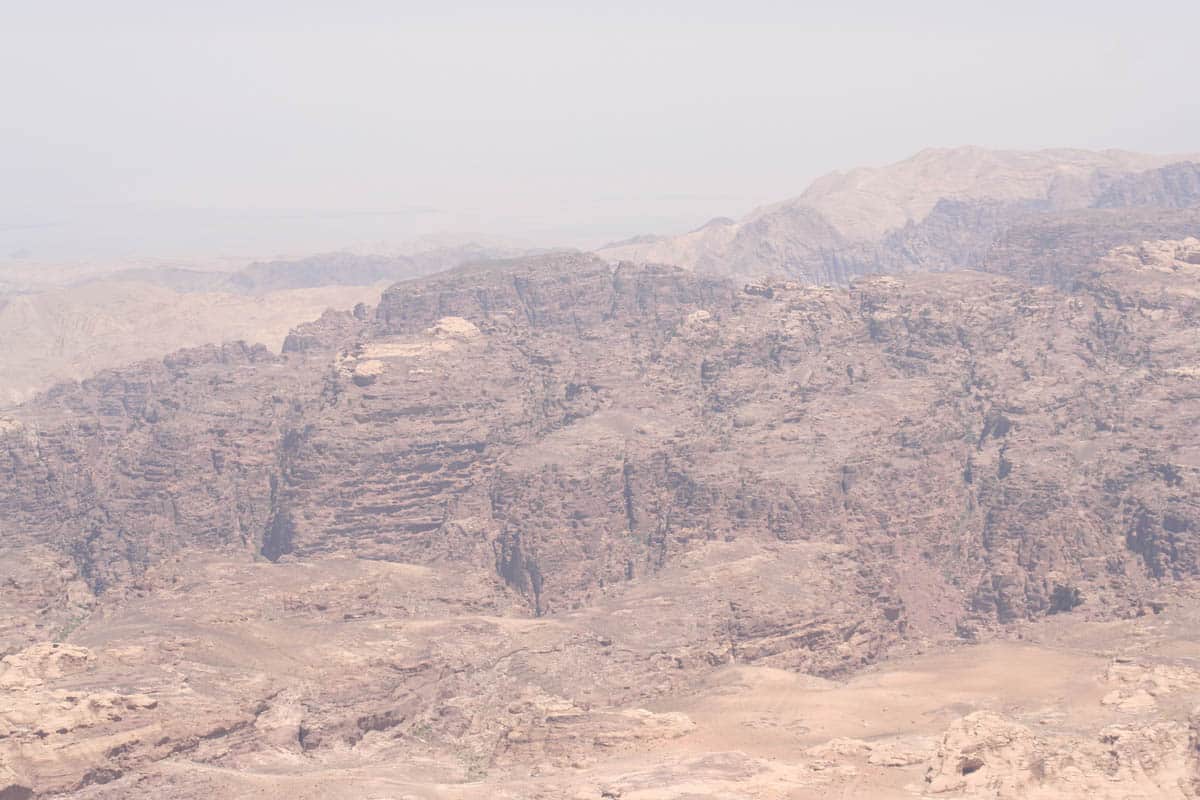
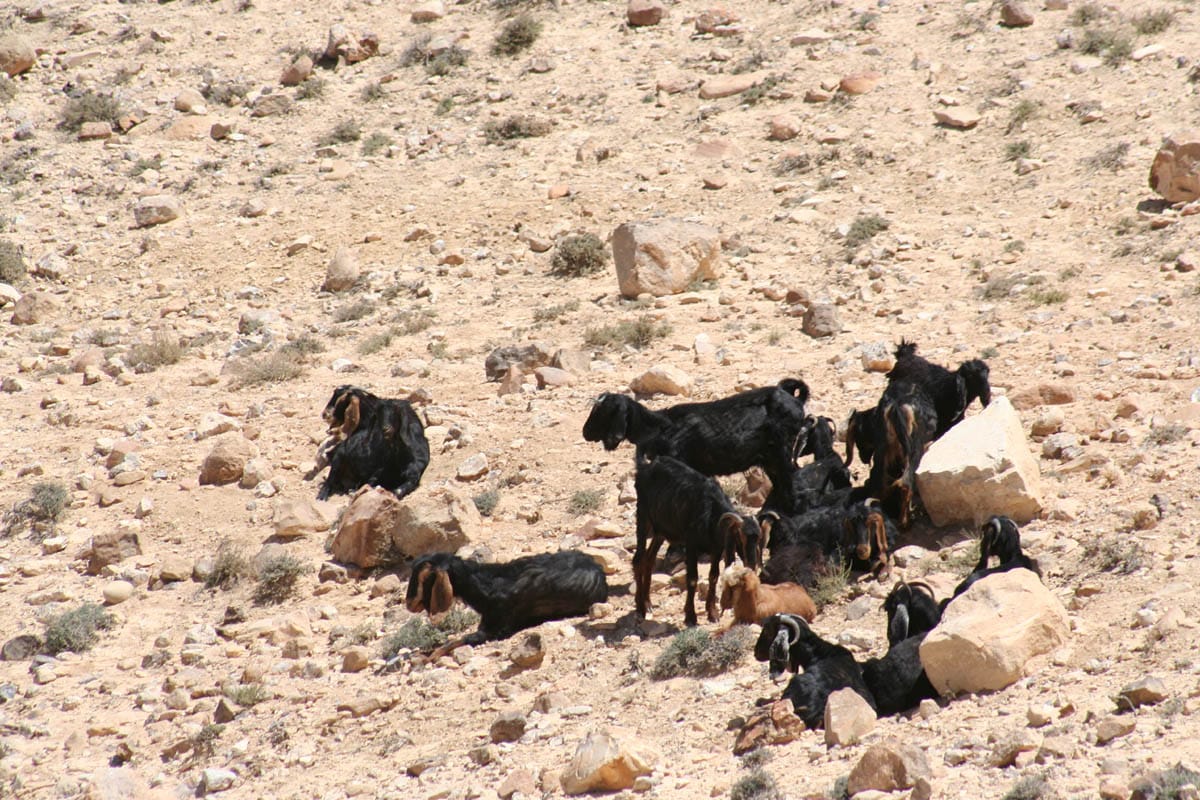
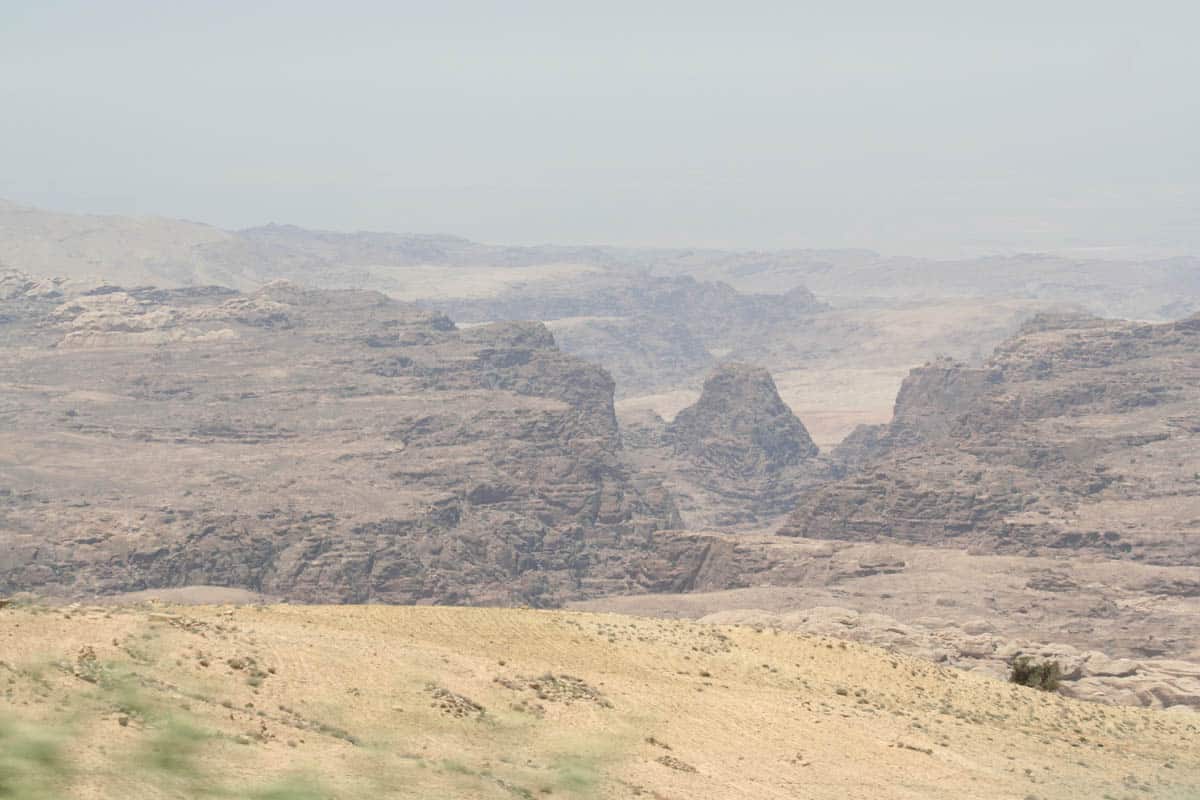
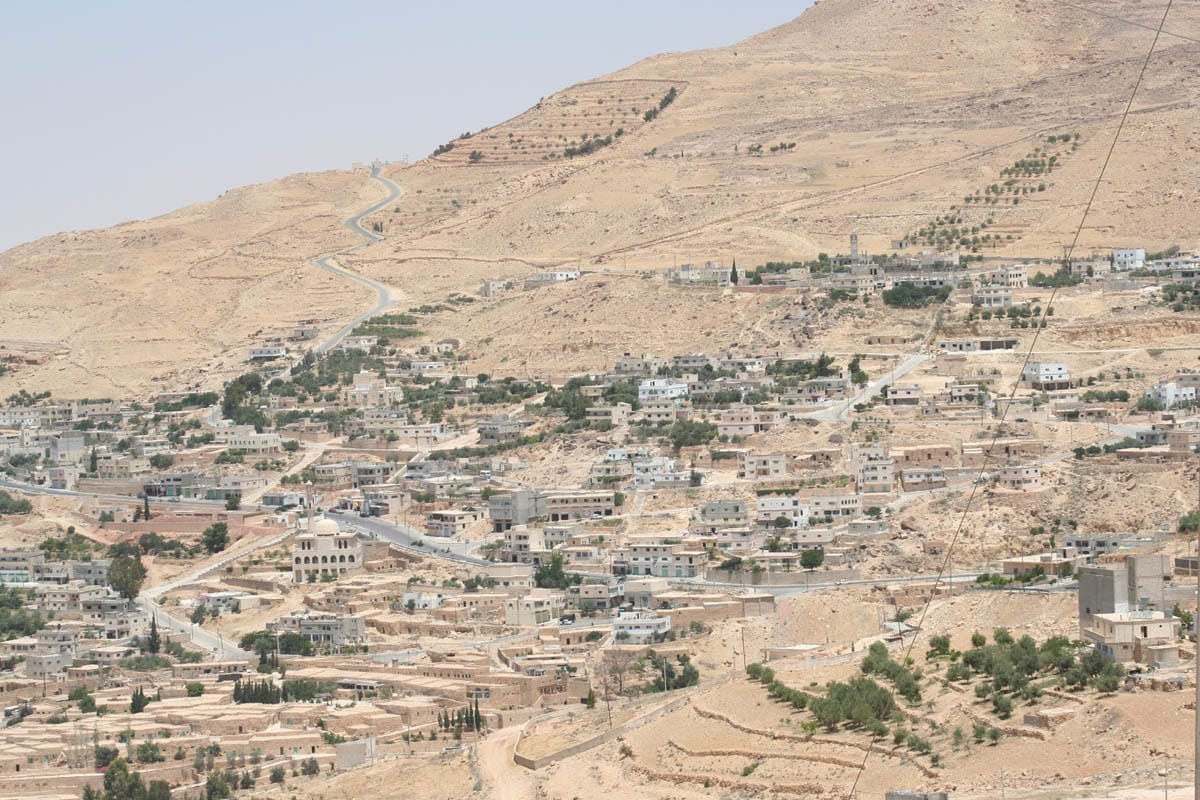
The red sands and rock mountains of Wadi Rum, Bedouin camps, camels and goats, and the highlands around Wadi Musa.
Tips for a first visit
- Buy the Jordan Pass before you fly: it pays for itself with the visa and one day in Petra.
- Enter Petra at opening time to see the Treasury before the crowds, and leave the Monastery climb for the cooler afternoon.
- Spend a night in a Wadi Rum camp for the sunset and the stars.
- Float in the Dead Sea on the way between Amman and the south.
More about Jordan
The Hashemite Kingdom of Jordan, which already captivated travellers in ancient times, today enthrals a new generation as a modern, vibrant nation. From the awe-inspiring starkness of the monolithic rockscapes of Wadi Rum, to the pulsating centre of Amman, Jordan’s capital; from the majestic ruins of a bygone civilization to the timeless majesty of the Dead Sea, Jordan is a fascinating travel destination.
With its multitude of breathtaking and intriguing sightseeing attractions, top-class hotels, aromatic cuisine and countless activities, the traveller is spoilt for choice between inspiration, rest & relaxation and adventure. Marvelling at herds of gazelles, oryx antelopes and migratory birds, camping in the impressive landscape of Wadi Rum or the Dana nature reserve, trekking along ancient caravan routes in the mountains of Moabs and Edoms, hiking in the forested hills of biblical Gilied or experiencing the unforgettable cleansing effects of the Dead Sea mud baths: just a few examples of the treasure trove that awaits visitors to this extraordinary kingdom.
In addition to Amman and Wadi Rum, these photographs include shots of the following places.
Aqaba, a coastal town in the south of Jordan, well known as a scuba-diving and beach resort and the country’s only sea port. Gadara, an ancient Roman city where, according to the New Testament, Jesus cast out demons, turning them into pigs that then rushed down into the sea and drowned. Archaeological excavations began here in 1974 and have uncovered many impressive structures on the site overlooking the Golan Heights and the Sea of Galilee.
Petra, a historic, archaeological city and UNESCO World Heritage site on the slopes of Mount Hor is famous for its incredible rock-cut architecture and is one of the country’s most visited tourist attractions. Gersa or Jerash is located around 50 km north of Amman in a peaceful valley in the Gilead mountains. It is the epitome of Imperial Rome, one of the largest and best preserved sites of Roman architecture outside Italy and its structures are exceptionally well kept.
Accommodation in Amman
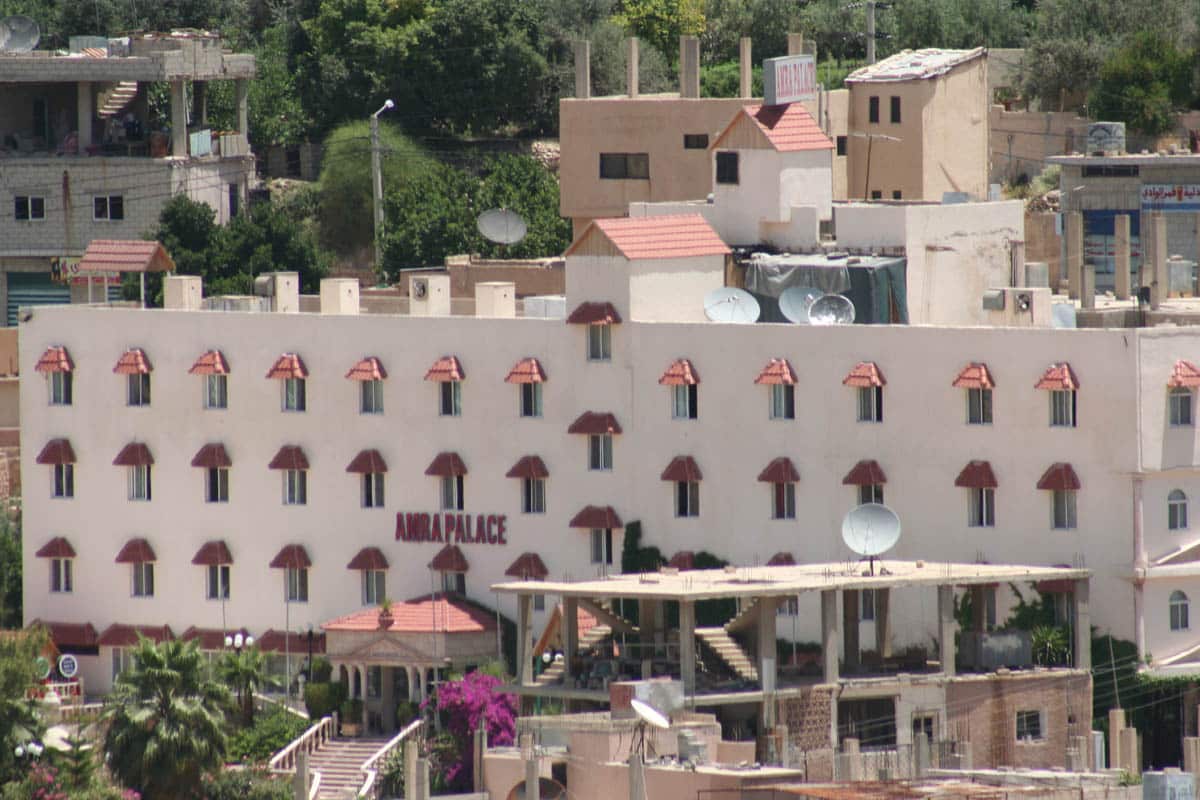
There are numerous luxury hotels in Amman. One of the best is the Four Seasons Hotel, a grand, palace-style hotel five minutes from the business and shopping districts, with spacious rooms and discreet, friendly staff. It has a large swimming pool and gym, and welcomes business people and families alike. Equally palatial is the Sheraton Amman Al Nabil Hotel, still in the luxury class, and again in the heart of Amman, and with a large indoor and an outdoor pool. At the other end of the price scale, but still well recommended, is the two star Jordan Tower in a great location opposite the Roman amphitheatre. This is a guest house style budget hotel that aspires to being a boutique hotel, and it offers an exciting area of streets and alleyways packed with ethnically and culturally mixed traders and shoppers. For something in between, there is the 3-star Arab Tower Hotel (Burj al Arab), which will organise trips for you and arrange bicycle and car hire. There is no swimming pool, but there is a terrace on the roof for a change from air conditioning.
More free photos
- Israel pictures
- Egypt pictures
- Turkey pictures
- Tunisia pictures
- Free stone textures
- Free mountain pictures
- Free desert pictures
- Free rock, cliff and canyon pictures
- Iran pictures
- Free ancient ruins pictures
- Free Greek and Roman column pictures
- Asia pictures
Questions about these Jordan photos
Can I use these Jordan pictures for free?
Yes, for personal and commercial projects. All we ask is a link back to BigFoto.com; the box at the top of the page has a credit link you can copy.
How long do you need in Petra?
One full day for the Siq, the Treasury, the city centre and the Monastery; two days if you also want the High Place of Sacrifice and the quieter trails.