Things to Do in Oran, Algeria: 12 Best Places and Experiences
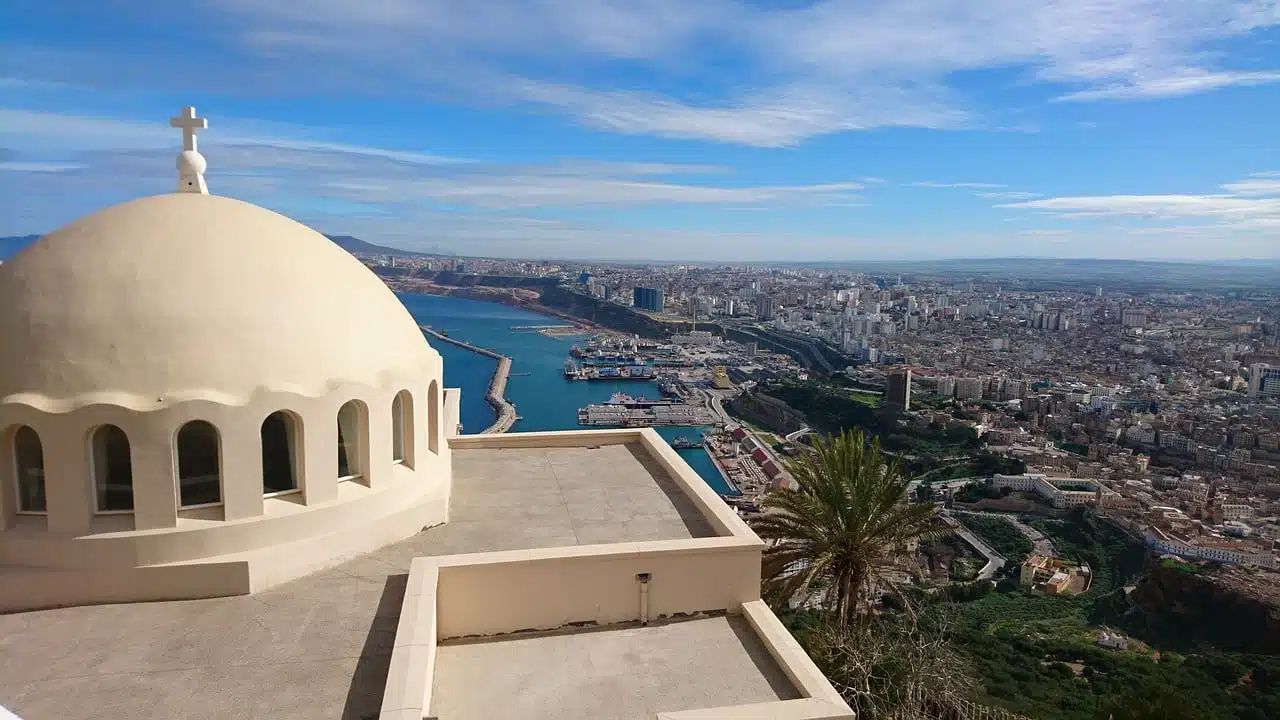
Oran is a port city on the Mediterranean coast of north-western Algeria, and it is the country’s second city after Algiers. It sits between the sea and the Murdjadjo mountain, with an old quarter, grand French-era streets, Spanish forts and long beaches close by.
The city has been shaped by Berbers, Andalusian sailors, Spaniards, Ottomans and the French. It is also the home of raï music. Here are the 12 best things to do in Oran, with tips on when to go and how to plan your trip.
1. Place du 1er Novembre and the city centre
The central square, once called Place d’Armes, is the best place to start. Around it you will find the town hall, guarded by two stone lions, and the opera house, which dates from the early 20th century. The streets nearby show off the French colonial style: tall facades, balconies and arcades. Walk slowly, look up, and stop at a café.
2. Santa Cruz Fort and chapel
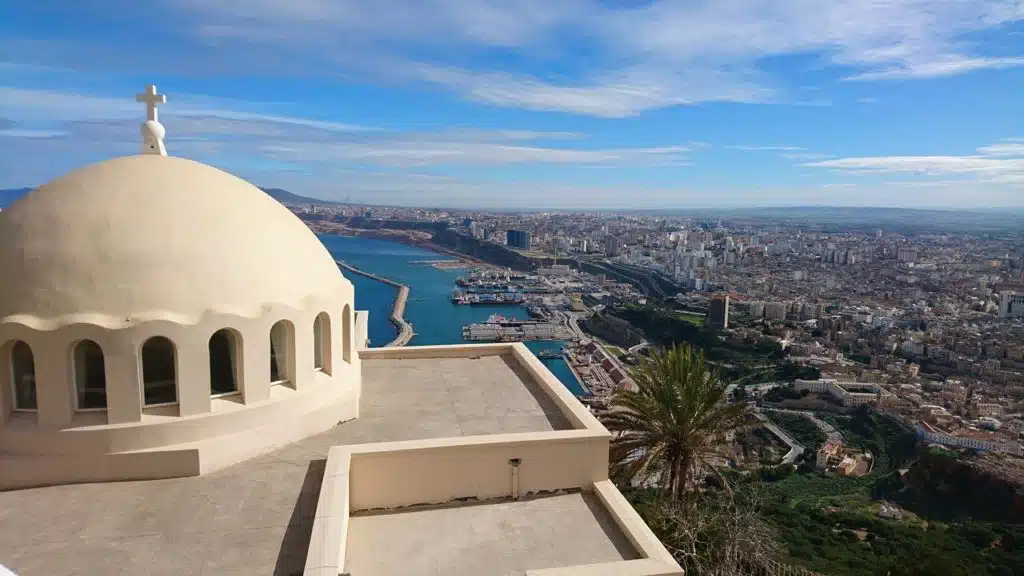
High on the Murdjadjo hillside, Santa Cruz Fort looks down over the city, the port and the open sea. The Spanish held Oran for long periods between the early 16th and late 18th centuries, and this fort is one of their best-known works. Beside it stands a small chapel from the 19th century. Come for the views, especially at sunset.
3. Sidi El Houari, the old quarter
Sidi El Houari is the oldest part of Oran, running down towards the port. Its narrow lanes mix Spanish, Ottoman and Moorish heritage, and some buildings are worn and in need of repair. It rewards a slow wander, with a local guide if you can find one. Go in daylight, keep your bag close, and ask before photographing people.
4. Château Neuf and the Ottoman era
Château Neuf is a large fortified complex of Spanish origin. It later served as a residence for the Ottoman governors, called beys, who ruled the region. Together with the nearby Pasha Mosque, it is a good place to understand how Oran passed from one power to the next. Check locally whether the site is open before you go.
5. Ahmed Zabana National Museum
The city’s main museum is named after Ahmed Zabana, a figure of the Algerian independence struggle. Its collections cover archaeology, natural history and fine art, and they give useful background on western Algeria. Plan an hour or two here on a hot afternoon. Opening times can change, so ask at your hotel before setting out.
6. Medina Jdida and the markets
Medina Jdida, the “new town”, grew up in the 19th century as the Arab quarter of Oran. It is a lively area of small shops, food stalls and busy lanes, and it feels very local. Come to browse spices, clothes and everyday goods, and to see how ordinary Oran shops and eats. Go in the morning when it is cooler and the stalls are fresh.
7. The seafront and the bay
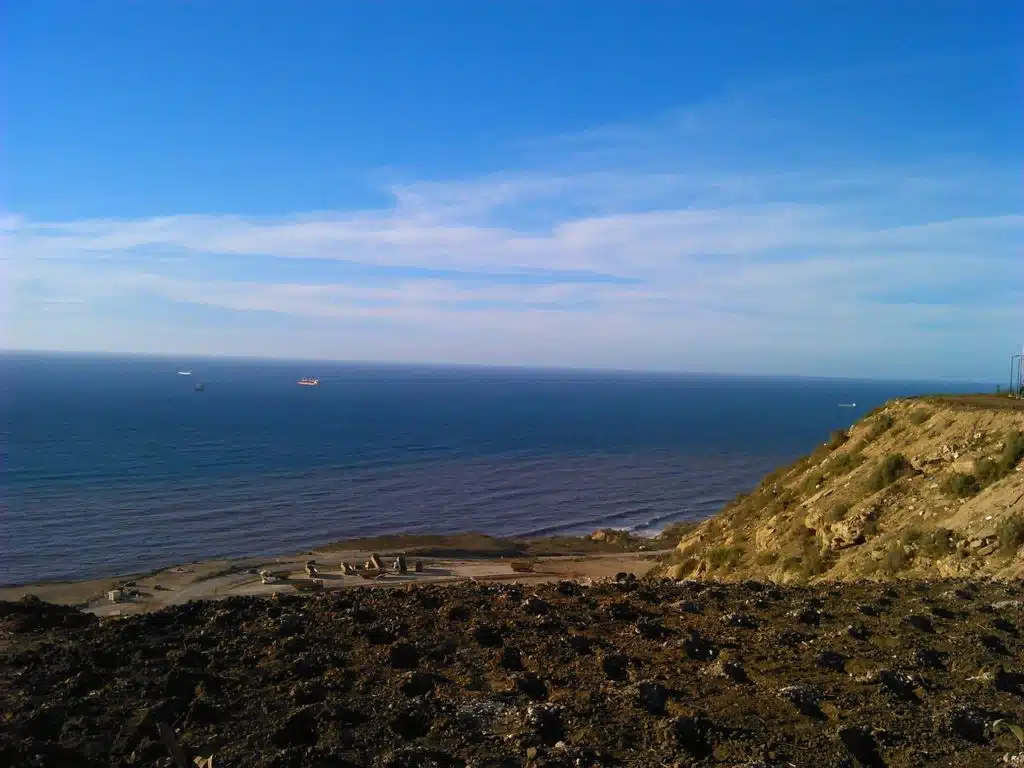
Oran’s setting on a wide bay is a big part of its appeal. The waterfront promenade is a popular place for an evening walk, when families and friends gather to enjoy the sea air. Fishing boats and larger ships share the water. For a different angle, follow the coast road west and watch the cliffs and coves change with the light.
8. Les Andalouses beach
West of the city, Les Andalouses is one of the best-known beach areas on this stretch of coast. It has long sandy shores and calm water in summer, and it is busy with local families in July and August. Come in June or September for more space. Take water, sun cream and a hat, as shade can be limited.
9. Cap Falcon
Cap Falcon is a rocky headland near Les Andalouses, with cliffs, small coves and pine-covered slopes. It suits walkers, picnickers and anyone who wants a quieter stretch of sea. Wear sturdy shoes, as paths can be uneven, and avoid the midday heat. It is easiest to reach by car or taxi from Oran.
10. Raï music and the Raï festival
Raï grew out of the streets and cabarets of Oran, and the city is still proud of it. Singers such as Khaled and Cheb Mami helped carry the style around the world. Local record shops, cafés and weddings are all good places to hear it. A raï festival has been held in Oran in past years, so ask about current dates before you plan around it.
11. Oran’s food, from karantika to seafood
Oran has a strong food culture. Karantika, a baked chickpea flan served warm in bread, is a favourite street snack, and fresh fish and seafood are widely available near the coast. Try it with a little harissa if you like heat. Mint tea and pastries make a fine end to a meal. Eat where locals do, and choose busy places.
12. A day trip to Tlemcen
If you have extra time, Tlemcen is a historic city further west, near the Moroccan border region, known for its mosques, old walls and Islamic heritage. It makes a good contrast with coastal Oran. Allow a full day, travel with a reliable driver or take public transport, and check conditions in the region before you go.
When to visit Oran
Spring (April to June) and autumn (September to October) are the most comfortable seasons, with warm sea air and pleasant days for sightseeing. July and August are hot and busy, and the beaches are crowded, though the sea is at its warmest. Winters are mild but can be wet and windy. Plan around Ramadan, when opening hours change and daytime eating out is limited.
Tips for planning your trip
Oran has an international airport, and trains and long-distance buses link it with Algiers and other cities. In town, taxis and the tram are the easiest ways to move around. Most visitors need a visa for Algeria, so apply well ahead, and check your government’s current travel advice before you book. Arabic and French are widely spoken. Dress modestly, carry some cash in dinars, and ask permission before photographing people.
Questions about Oran
Is Oran worth visiting?
Yes, if you like history, sea views and local city life rather than polished resorts. The mix of Spanish, Ottoman and French heritage, plus the beaches and the music, makes it a rewarding stop in western Algeria.
How many days do you need in Oran?
Two or three days cover the main sights in the city, such as the centre, Santa Cruz Fort, the old quarter and the museum. Add a day for the beaches and Cap Falcon, and another if you want to visit Tlemcen.
What is Oran famous for?
Oran is best known as the birthplace of raï music. It is also known for its Spanish forts, its French-era architecture and its position on the Mediterranean as Algeria’s second city.
Image by rosa from Pixabay
Image by Sadredine Bendani from Pixabay