Things to Do in Petra: 10 Best Places and Experiences
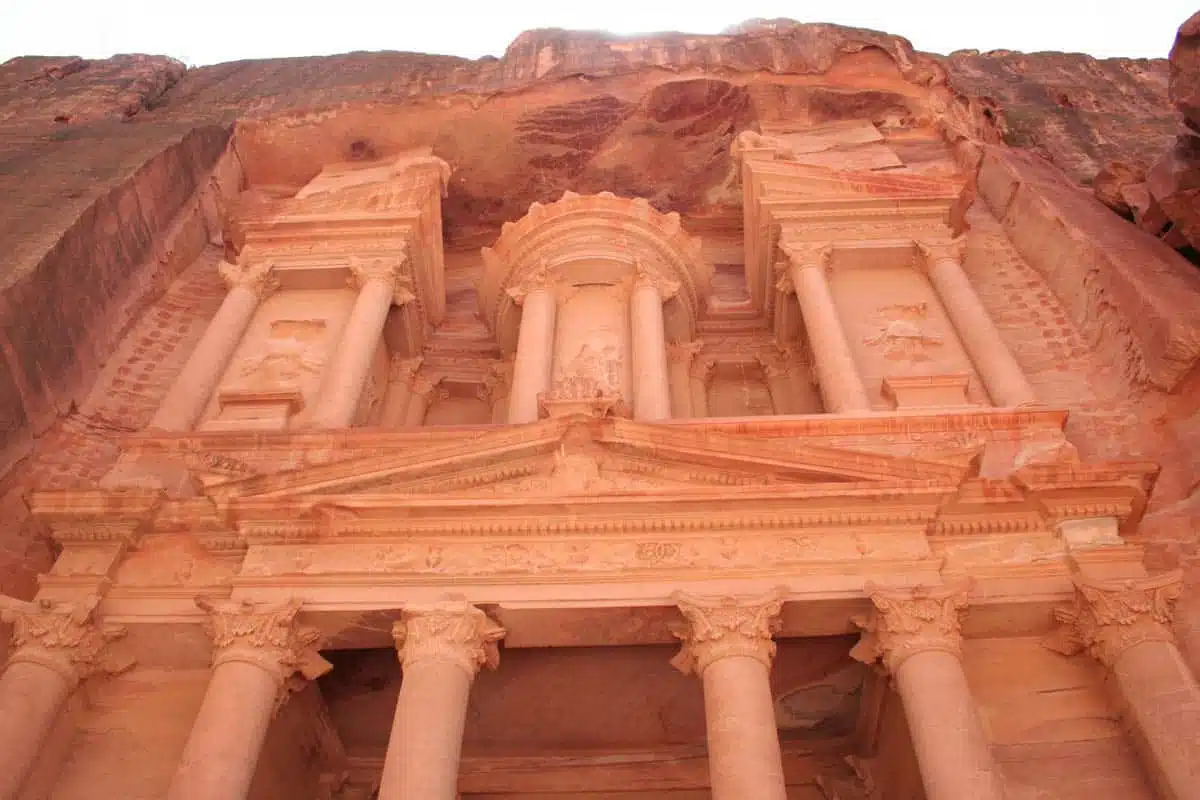
Petra is an ancient city carved into rose-coloured sandstone cliffs in southern Jordan. It was the capital of the Nabataeans, a trading people who made the desert city rich. It has been a UNESCO World Heritage Site since 1985, and in 2007 the Treasury was voted one of the New 7 Wonders of the World.
Petra is also famous from the cinema, including Indiana Jones and the Last Crusade and Transformers: Revenge of the Fallen. Much of the city is still unexcavated, and the walk in alone is memorable. Here are the 10 best things to do in Petra, with tips on when to go and how to plan your trip.
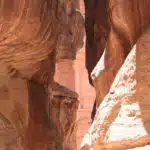
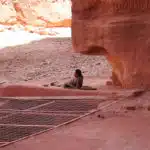
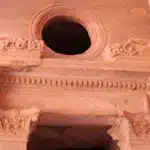
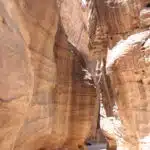
1. Walk through the Siq
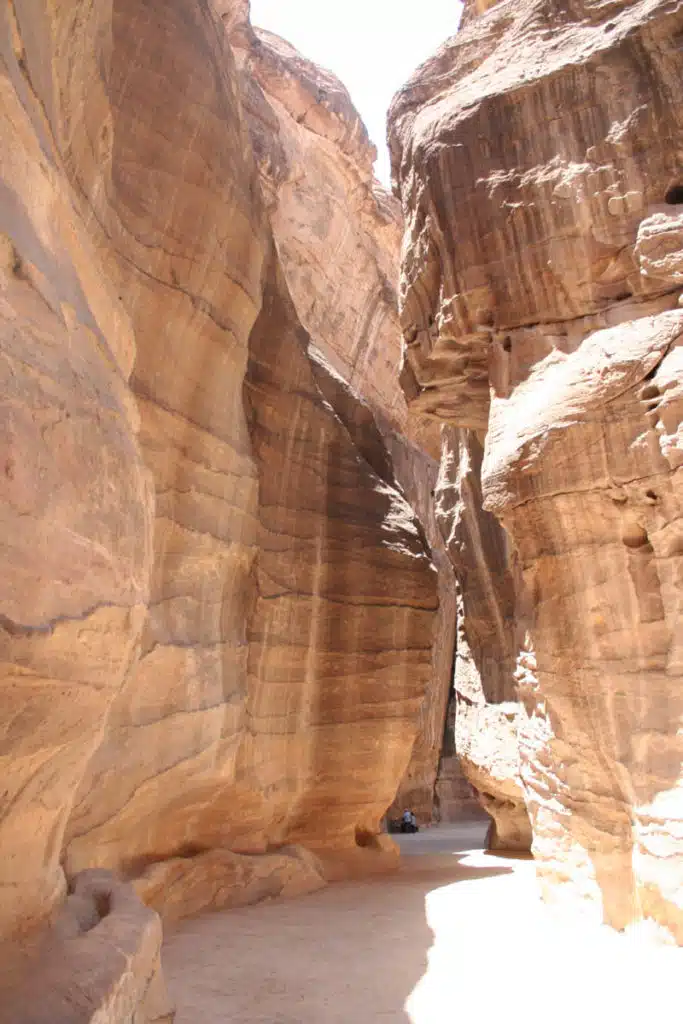
The Siq is the old main entrance to Petra: a narrow gorge about 1.2 km long, with walls up to around 80 metres high. It is mostly natural, but the Nabataeans shaped it. Look for the channels along both sides that carried water into the city, and for the worn carvings of gods, placed close to the water they held sacred.
2. See the Treasury (Al-Khazneh)
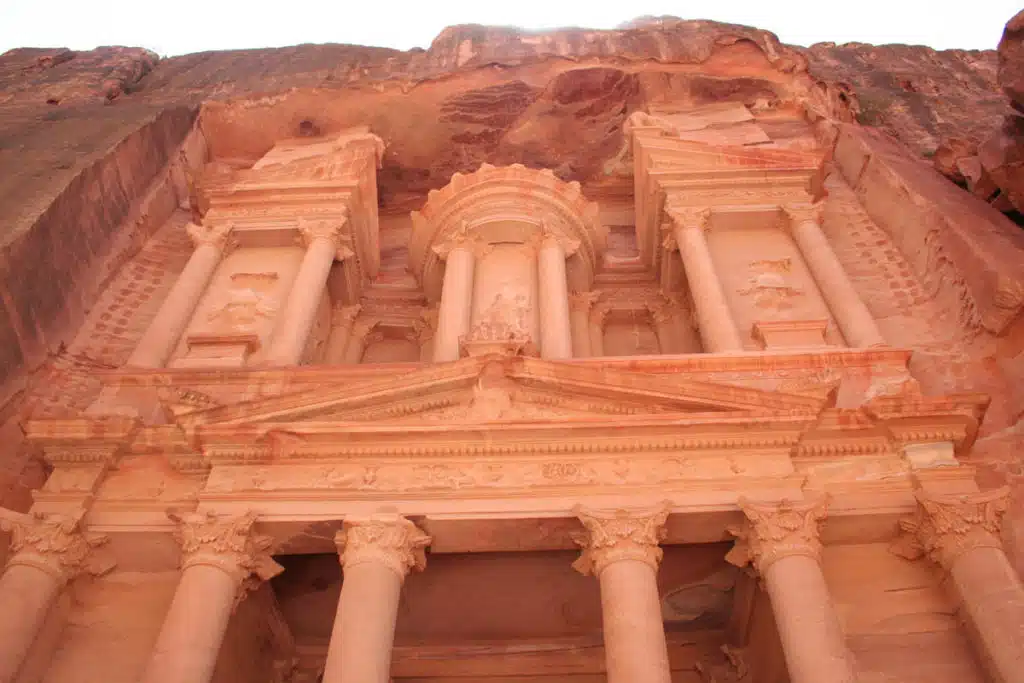
The Siq opens onto the most famous facade in Petra. The Treasury is almost 40 metres high and richly carved with columns, friezes and figures. It was probably built in the 1st century BC, and its exact purpose is still debated. Local legend says a pharaoh’s treasure is hidden in the urn at the top, which is where the name comes from.
3. Follow the Street of Facades
Past the Treasury, the gorge widens into an open valley. Here you find the Street of Facades, a row of monumental Nabataean tombs cut into the cliff face. Many have stepped tops, and some have been worn away by wind and rain. They are thought to have belonged to important people of the city. It is an easy, flat stretch and a good place to slow down and take photos.
4. Sit in the Theatre
The Theatre was carved into the mountainside in the time of King Aretas IV, and the Romans later rebuilt the back wall of the stage. Much of it is cut straight from the rock. Three rows of seats are divided by passages and reached by seven stairways. It could hold around 4,000 spectators, and it is a good spot to rest and look back at the tombs.
5. Visit the Royal Tombs
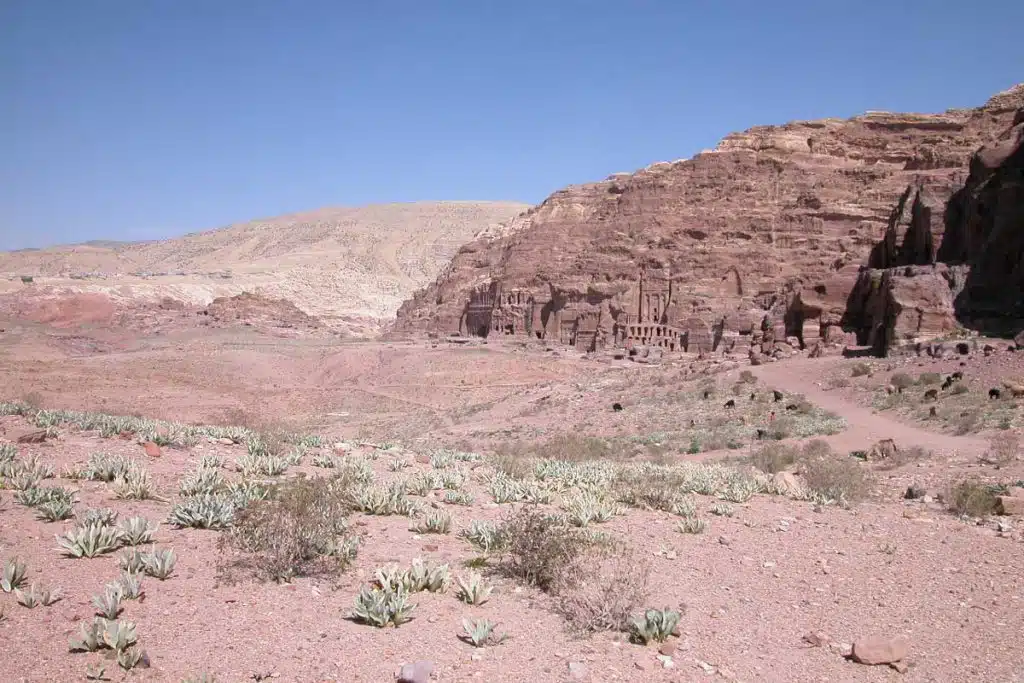
Further along, a group of grand tomb facades rises high above the valley floor. They are known as the Royal Tombs, with names such as the Urn Tomb and the Silk Tomb. The stone shows bands of red, pink, white and yellow, and the colours look strongest in the soft light of morning or late afternoon. Climb the steps to the larger tombs for a closer look inside.
6. Stroll the Colonnaded Street
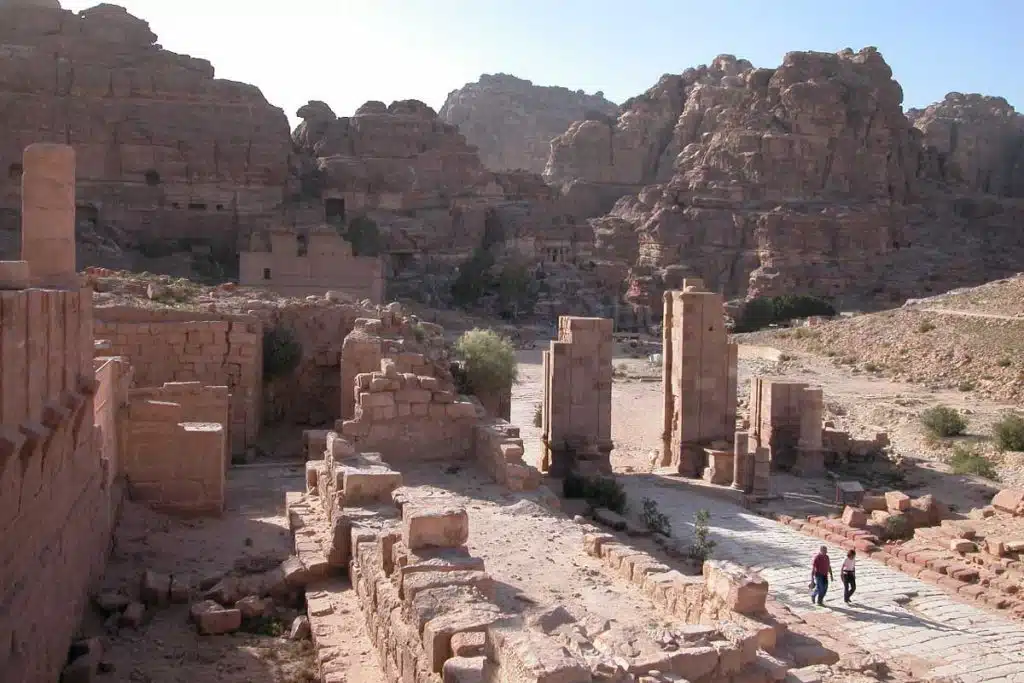
At the heart of the old city, the Colonnaded Street was once the main road lined with columns and shops. Nearby you can see the remains of temples and public buildings, including the Great Temple. After the narrow gorge and the carved tombs, this part shows Petra as a real city with markets, worship and daily life. The ground here is uneven, so wear good shoes.
7. Climb to the High Place of Sacrifice
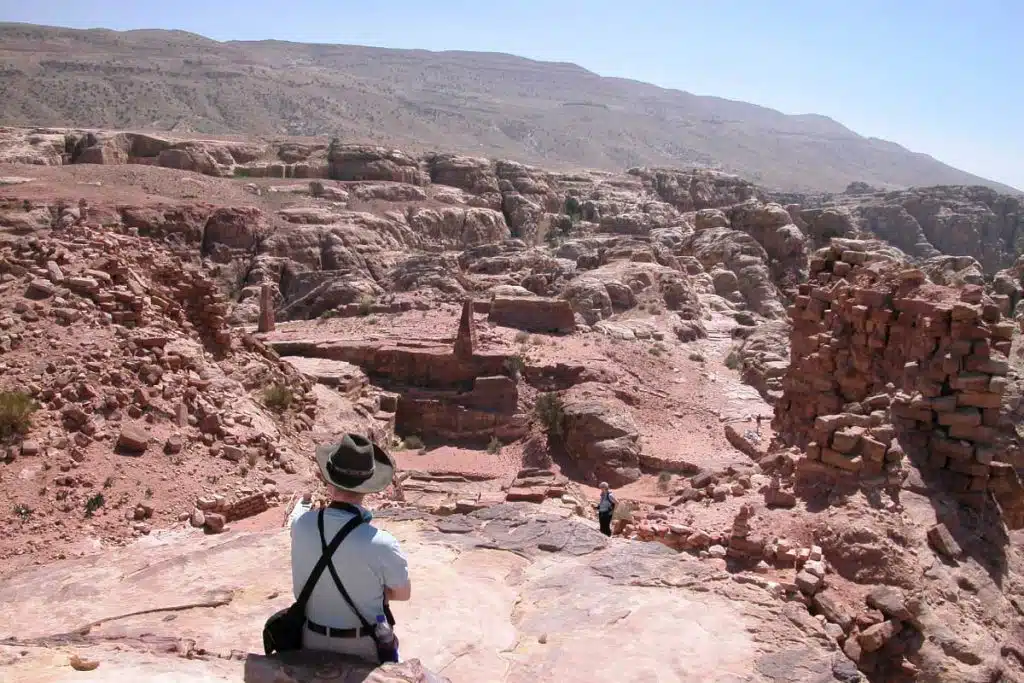
A steep stepped path leads up from the Theatre area to the High Place of Sacrifice. The Nabataeans held ceremonies on this mountain top, and you can still see altars cut into the rock. The climb takes effort, but the view over the valley and the tombs below is one of the best in Petra. Go early to avoid the heat and the crowds.
8. Hike up to the Monastery (Ad Deir)
The Monastery is a huge facade similar to the Treasury but larger and plainer. Getting there means a long climb up several hundred rock-cut steps from the city centre. Allow plenty of time and carry water. The effort is rewarded with fewer visitors than at the Treasury, and a wide open space in front of the building where you can sit and enjoy the view.
9. See the Dam and the water system
Water was the secret of the city of Petra. Near the start of the Siq, a dam was built to hold back seasonal floods and send the water through a tunnel instead. It was restored in the 1960s in the way the Nabataeans built it. Together with the channels in the Siq, it shows how skilled they were at managing water in the desert. The Greeks later called the city Petra, meaning “rock”.
10. Add Little Petra
Just a short drive north of Petra, Little Petra is a smaller site with tombs, rooms and carved facades in a narrow canyon. It is much quieter, and you can look closely at details without a crowd. It makes a good extra stop on the same day or the next morning. It also helps you understand how the Nabataeans lived along their trade routes.
When to visit Petra
Spring (March to May) and autumn (September to November) are the best times, with warm days and cooler mornings. Summer can be very hot, and shade is limited, so start at sunrise. Winter is cooler and can be wet, and rain can make paths slippery. Early morning is the best time of day in any season, both for light and for fewer people.
Tips for planning your trip
Petra is in southern Jordan, next to the town of Wadi Musa, which has hotels and restaurants. It is a few hours by road from Amman, and closer to Aqaba. The site is explored on foot, with horses, carriages and camels available for some stretches, so check the terms first. Plan at least one full day, and two if you want to climb to the Monastery. Wear sturdy shoes, bring water, a hat and sun cream, and check ticket options, such as the Jordan Pass, before you go. Please also check your government’s current travel advice.
Questions about Petra
How long do you need in Petra?
One full day covers the main sights, but two days give you time for the Monastery and the viewpoints at a slower pace.
Is the walk to the Treasury difficult?
No. The way through the Siq is mostly flat, though it is long, so wear comfortable shoes. The climbs to the Monastery and the High Place of Sacrifice are much harder.
Why is Petra so famous?
It combines carved tombs, a remarkable gorge entrance and the story of the Nabataean traders. It is a World Heritage Site and has appeared in well-known films.
Free photos: Jordan (83 photos).