Things to Do in Algiers: 12 Best Places and Experiences
Algiers is the capital of Algeria, a large Mediterranean port city whose white buildings climb the hills above a wide bay. It has an old Ottoman quarter, French-era boulevards, big museums and a modern skyline, all within one city.
Few places mix so much history and culture with so few crowds. The old town is the main draw, but the gardens, hilltop views and Roman ruins along the coast are just as good. Here are the 12 best things to do in Algiers, with tips on when to go and how to plan your trip.
1. Casbah of Algiers
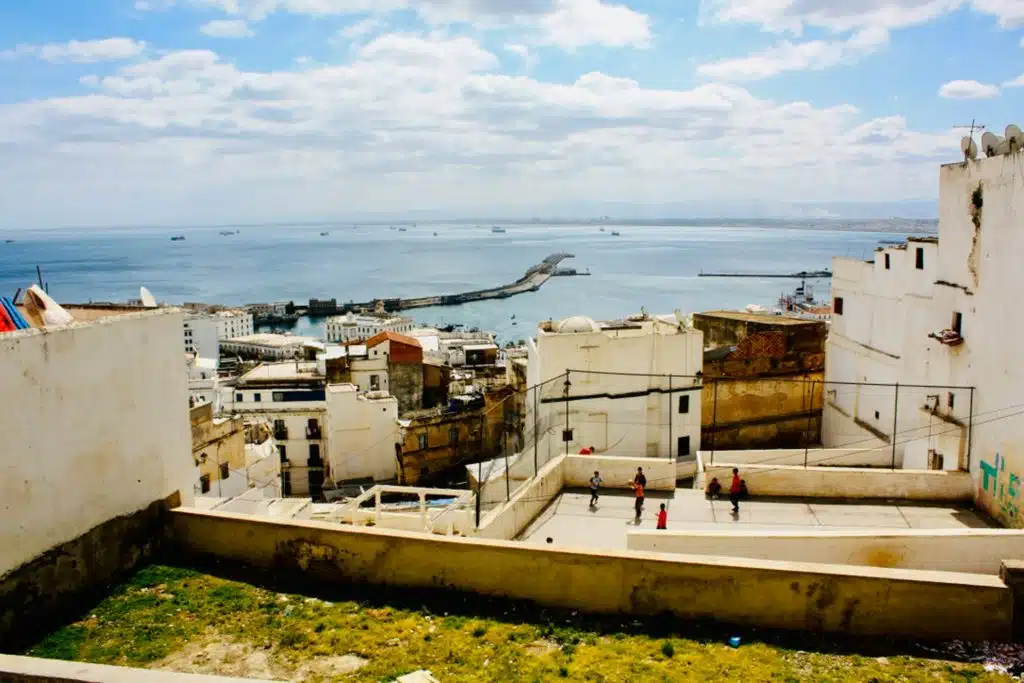
The Casbah is the old walled city and a UNESCO World Heritage site. It is a tight tangle of steep stairs, narrow lanes and houses with carved doors, running down the hill to the sea. Go early, walk slowly and expect some buildings to be in poor repair. A local guide helps you find your way and shows you the best courtyards.
2. Ketchaoua Mosque
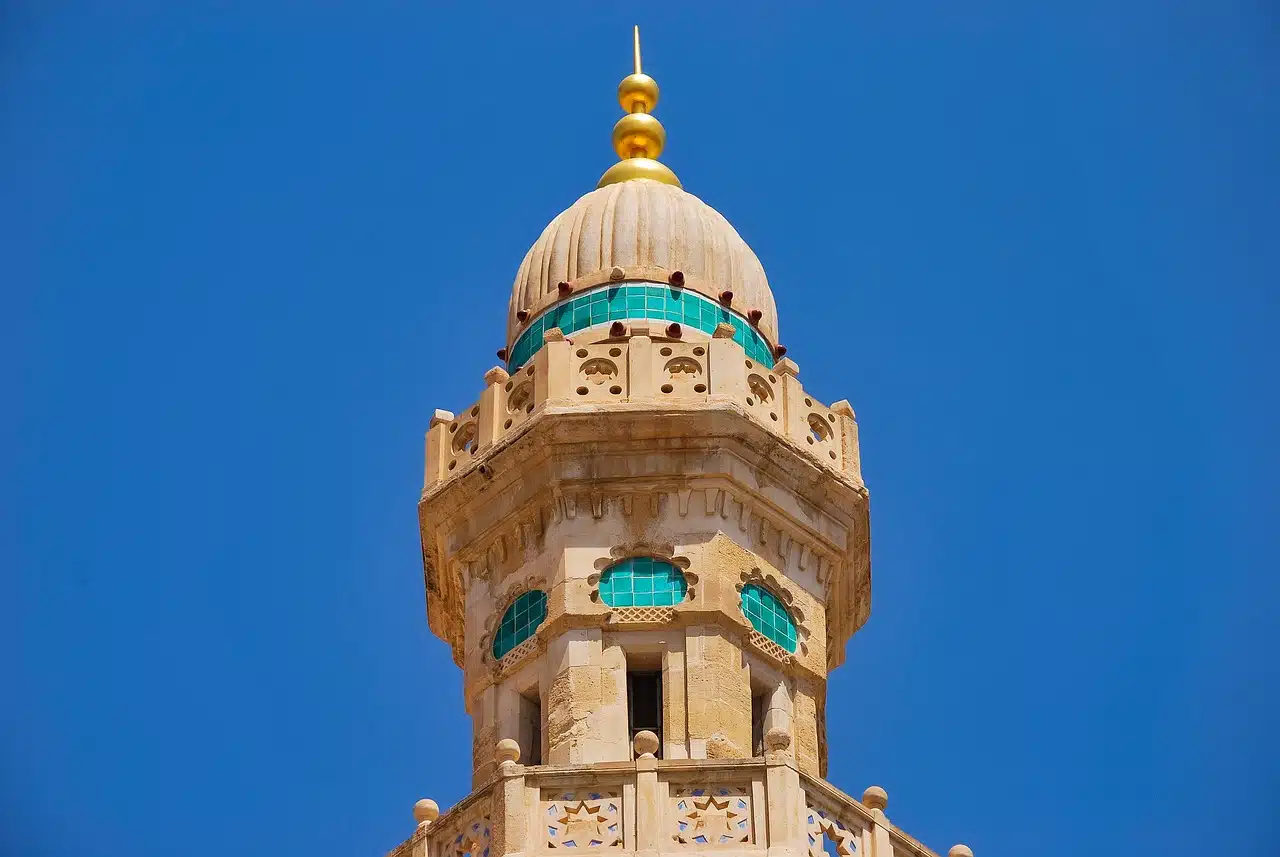
Ketchaoua Mosque stands at the foot of the Casbah, near the port. It was first built in the early 17th century and rebuilt in the 1790s. In 1832 the French turned it into a cathedral, and it became a mosque again after independence in 1962. Its mix of Moorish and Byzantine details makes it one of the most interesting buildings in the old town.
3. Djamaa el-Kebir
Djamaa el-Kebir, the Great Mosque, is one of the oldest religious buildings in the city and dates from the Almoravid period, in the 11th century. It sits close to the harbour, at the edge of the Casbah. The prayer hall is plain, with rows of columns and arches. Its calm look is a good contrast to the busy streets around it.
4. Dar Hassan Pacha
Dar Hassan Pacha is an Ottoman-era palace in the lower Casbah, close to Ketchaoua Mosque. Like many old Algiers houses, it was built around an inner courtyard, with tiled walls, carved wood and marble columns. It is a good place to see how wealthy families lived in the old city. Opening times can change, so check locally before you go.
5. Notre-Dame d’Afrique
Notre-Dame d’Afrique is a 19th-century basilica on a headland above the sea, west of the centre. Its Romano-Byzantine style stands out against the blue water below. Inside, the apse carries a famous inscription asking Our Lady of Africa to pray for Christians and Muslims alike. The terrace outside gives one of the widest views over the bay.
6. Maqam Echahid (Monument des Martyrs)
Maqam Echahid, also called the Martyrs’ Memorial, honours those who died in the war of independence. It opened in 1982 on a hill above the city. Three concrete shapes like palm leaves rise from a base with an eternal flame. It is easy to see from far away, and the terrace gives a good view over the city and the bay.
7. Jardin d’Essai du Hamma
The Jardin d’Essai du Hamma is a large botanical garden, laid out in the 1830s on the low ground east of the centre. It has long avenues of palms and giant fig trees, plus plants from many parts of the world. It is a shady place to cool off in the afternoon, and many families come here at weekends.
8. National Museum of Antiquities and Islamic Arts
This museum is in the Parc de la Liberté, a green park on the slopes above the centre. Its collections range from Roman statues and mosaics to Islamic ceramics, metalwork and manuscripts. It gives useful background to the many layers of Algerian history, from Phoenician and Roman times to the Ottoman period. Allow at least an hour or two.
9. Bardo Museum
The Bardo Museum is housed in a 19th-century villa in Ottoman style. Its collections cover prehistory and ethnography, including rock art and objects from the Sahara and from different regions of Algeria. The building is worth a look in itself, with its tiled rooms and inner courtyard. It is a good stop if you want to understand the country beyond the coast.
10. Grande Poste and the city centre
The Grande Poste is a post office in Neo-Moorish style from the early 20th century. It has white arches, domes and tiled interiors, and it is still in daily use. Stand in the square and you can see the French-era boulevards of the centre, lined with cafés and shops. This is the easiest part of the city for a relaxed walk.
11. The bay and the Great Mosque of Algiers
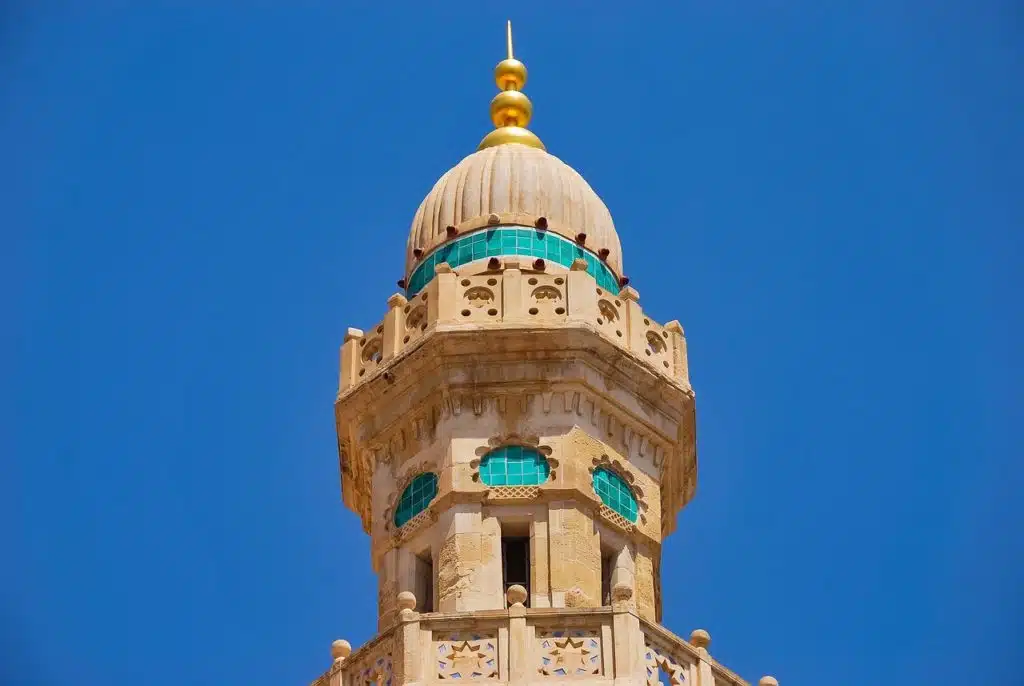
The waterfront is best at the end of the day, when the light turns golden on the white buildings. To the east, the Great Mosque of Algiers (Djamaa el-Djazair) stands by the sea. It is a very large modern mosque, and its minaret is among the tallest in the world. Check locally whether visits inside are possible.
12. Day trip to Tipasa
Tipasa, on the coast west of Algiers, is a Roman port town with ruins right beside the sea. It is a UNESCO World Heritage site, and its columns, streets and basilicas sit among pines and wild flowers. The trip by road takes around an hour or more, depending on traffic. Go in spring or autumn, when the walking is comfortable.
When to visit Algiers
Spring and autumn are the best seasons, with warm days and mild evenings, good for walking the Casbah and its steps. Summer is hot and humid, so plan outdoor sights for the morning and rest at midday. Winter is mild but can be wet and grey, though it is quiet and cheaper. Friday is the main day of prayer, so some places open later.
Tips for planning your trip
Most visitors fly into Houari Boumediene Airport, about 20 km from the centre. Most nationalities need a visa, so check the rules well in advance, and read your government’s current travel advice before you go. In the city, use the metro, trams and taxis, and take a local guide for the Casbah. Dress modestly, and ask before photographing people or official buildings. Families may enjoy the Aquafortland water park on the edge of the city in summer. If you are planning a wider trip, see our pictures of Oran, Algeria, Tunisia, Morocco and Africa.
Questions about Algiers
How many days do you need in Algiers?
Two full days cover the Casbah, the main museums and the waterfront. Add a third day if you want to visit the Roman ruins at Tipasa.
Can I visit the Casbah on my own?
Yes, but the lanes are steep and confusing, and some houses are in poor repair. A local guide makes the visit easier and helps you see the best courtyards and buildings.
Do I need a visa for Algeria?
Most visitors do, and the rules change from time to time. Check with the Algerian embassy or your government’s travel advice before you book.