Things to Do in Dubrovnik: 12 Best Places and Experiences
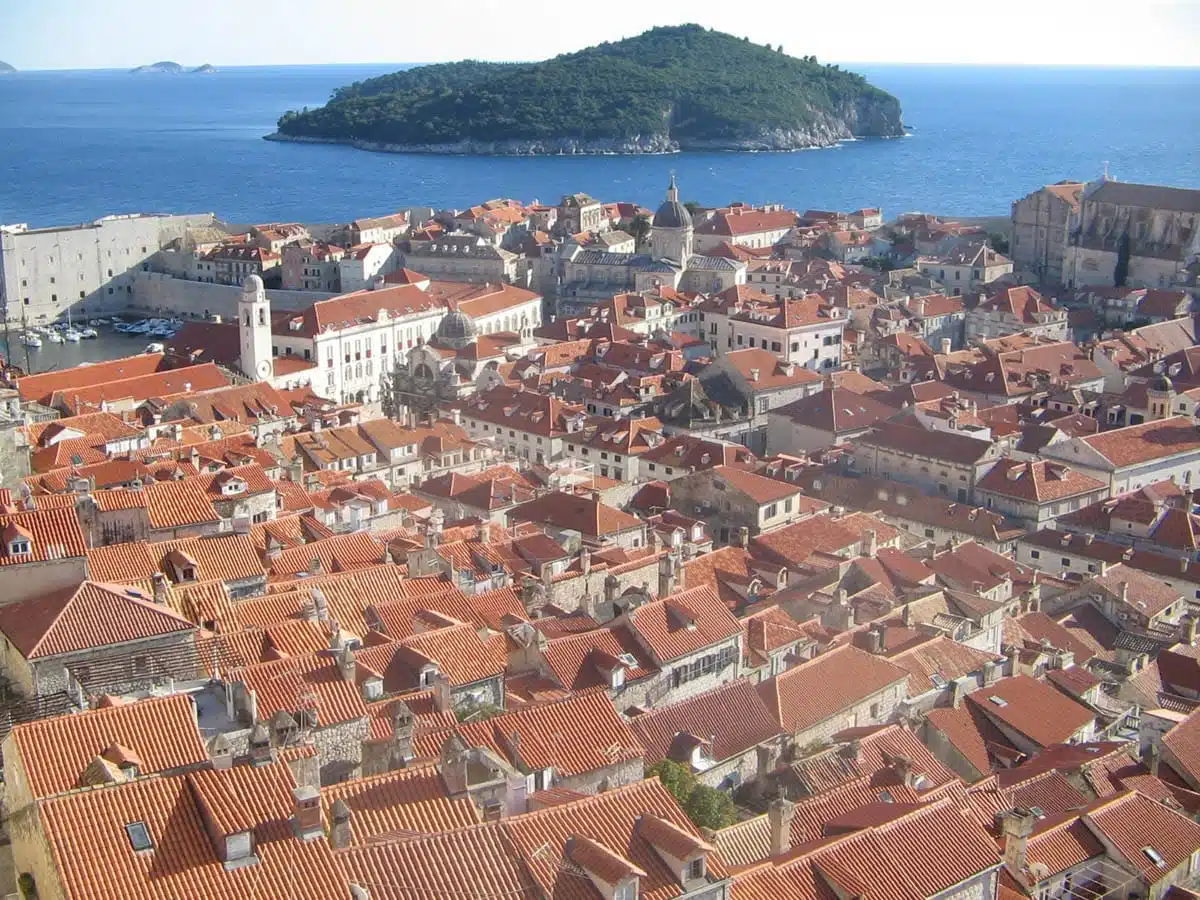
Dubrovnik is a walled port city on the Adriatic coast in southern Croatia. Its stone streets, red roofs and city walls make it one of the most photographed old towns in Europe. The old town is a UNESCO World Heritage Site, and the sea is always close, with clear water on three sides.
You can see the main sights in a day, but most visitors want two or three. There are palaces, churches, forts, an island and good swimming within easy reach. Here are the 12 best things to do in Dubrovnik, with tips on when to go and how to plan your trip.
1. Walk the old city walls
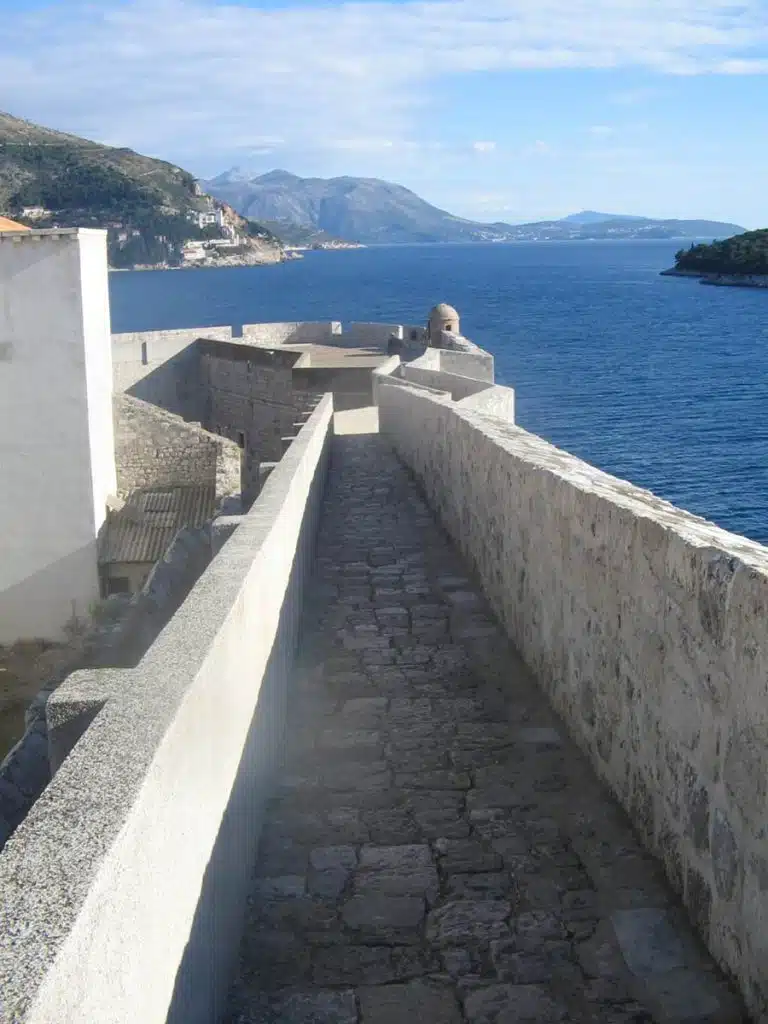
The walls are the best-known sight in Dubrovnik, and the town also appears in the TV series Game of Thrones. They run for almost two kilometres around the old town and were built and strengthened over many centuries. The walk gives views over the Adriatic and the rooftops, and passes towers such as Minčeta and Bokar. Allow one to two hours. The main entrance is by Pile Gate, and admission is charged.
2. Wander Stradun and the old town streets
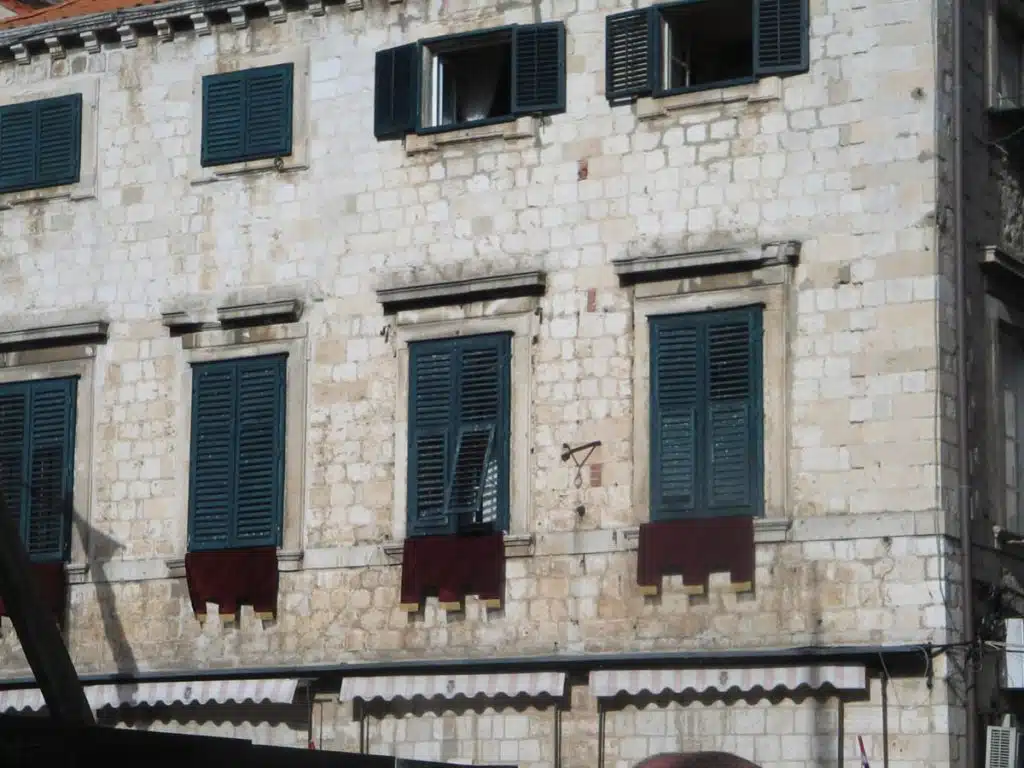
Stradun is the polished limestone main street that runs from Pile Gate to the Old Port. Cars are not allowed inside the walls, so it is easy to walk. Leave the main street and climb the steep side lanes. They are lined with stone houses, flower boxes, small cafés and laundry hanging between the windows. The best light for photos is early in the morning, before the crowds arrive.
3. Visit Dubrovnik Cathedral and Treasury
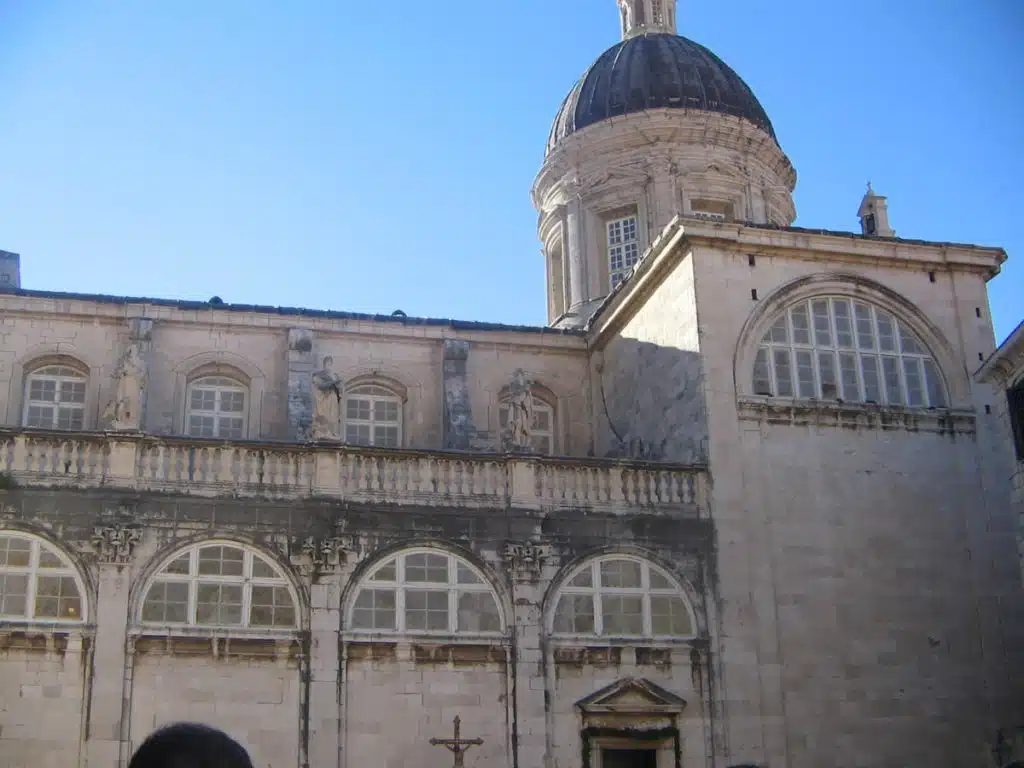
The Baroque cathedral was designed by the Italian architect Andrea Buffalini. It replaced an older Romanesque church that was destroyed in the great earthquake of 1667. Inside you will find paintings by Italian and Dalmatian artists. The Treasury holds many relics and gold and silver reliquaries, including those of St Blaise, the patron saint of the city. His feast day is celebrated every year in February.
4. Stand in Loggia Square
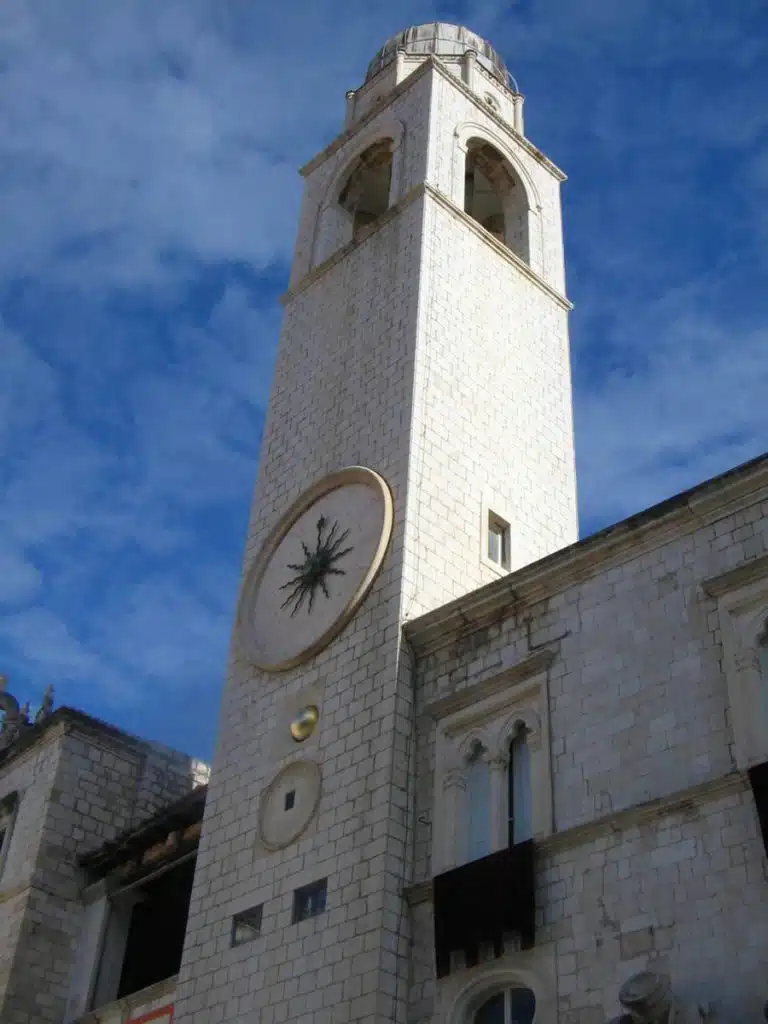
Loggia Square, at the end of Stradun, has long been the meeting point of the city. Look for Orlando’s Column, the Loggia of the Bells from 1480, the clock tower, the main guardhouse and the small Onofrio fountain. The Baroque Church of St Blaise stands here too. Sponza Palace, a fine building that now holds the city archives, is on the same square.
5. See Rector’s Palace
Rector’s Palace was the seat of the Republic of Ragusa, as Dubrovnik was once known. Its mix of Gothic and Renaissance styles shows in the arcade and the carved capitals. Today it houses the Cultural History Museum. Inside you can see period rooms, portraits, coins and furniture that explain how the city ran itself as a trading republic for centuries.
6. Explore the Franciscan Church and Monastery
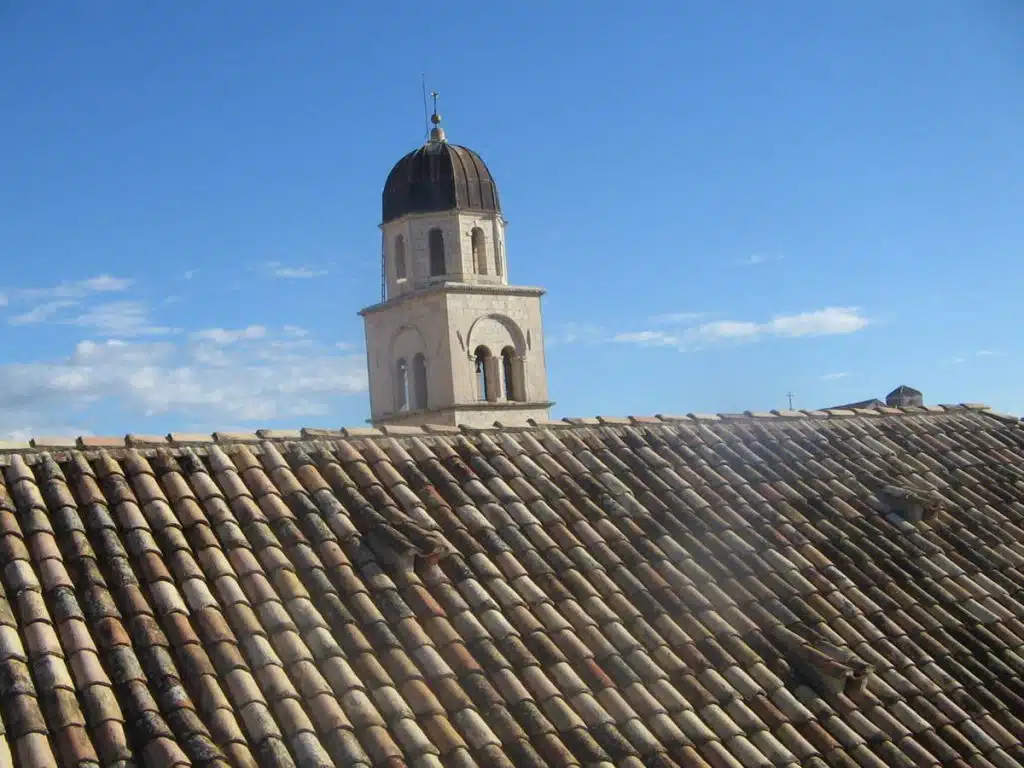
The Franciscan Church and Monastery stands just inside Pile Gate. The monastery has a peaceful cloister and a library with many rare books and manuscripts. Its pharmacy has been in use since 1317, which makes it one of the oldest in Europe. The small museum shows old jars, scales and mortars. It is a quiet stop after the busy walls.
7. Climb up to Fort Lovrijenac
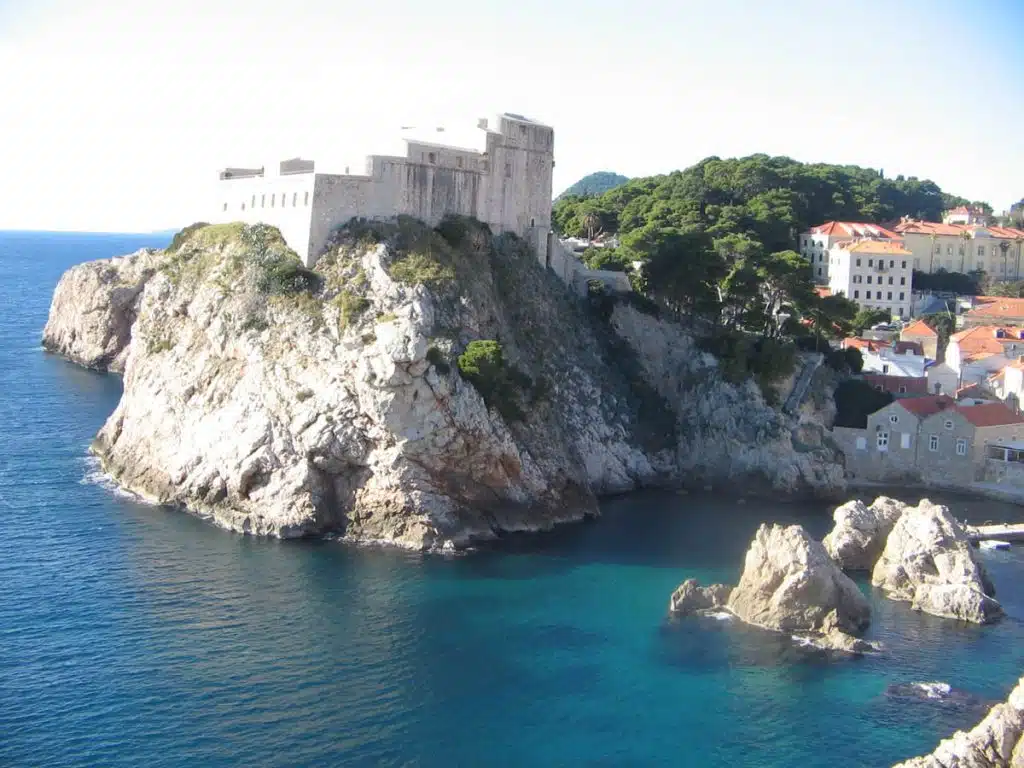
Fort Lovrijenac sits on a rock outside the western wall, high above the sea. It was built to guard the city from attack, and its walls are very thick on the sea side, up to about 12 metres, but thin on the side facing the city. Inside is a open courtyard, and the terraces give some of the best views of the walls and the coast. It is often used as a stage for summer theatre.
8. Take a boat to Lokrum island
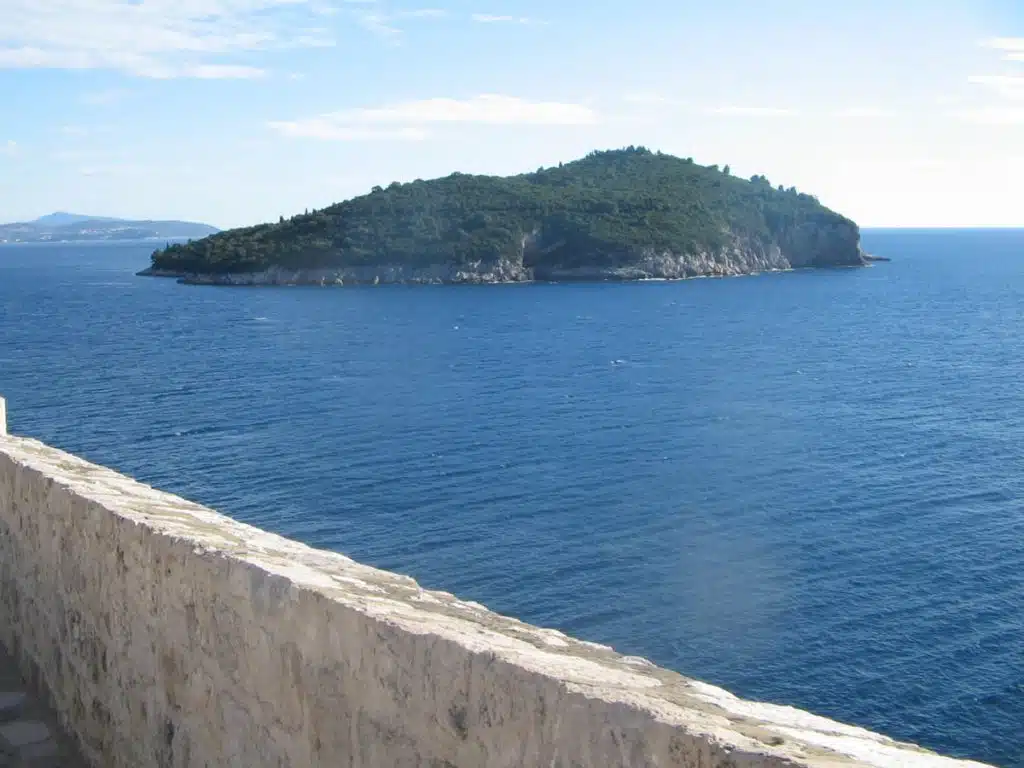
Lokrum lies a short boat ride from the Old Port, and boats run in the warmer months. The island is green and quiet. You can walk to Fort Royal, built under French rule in the early 1800s, for views back to the old town. There is also a small salt lake called the Dead Sea, a former Benedictine monastery and a botanical garden.
9. Ride the cable car up Mount Srđ
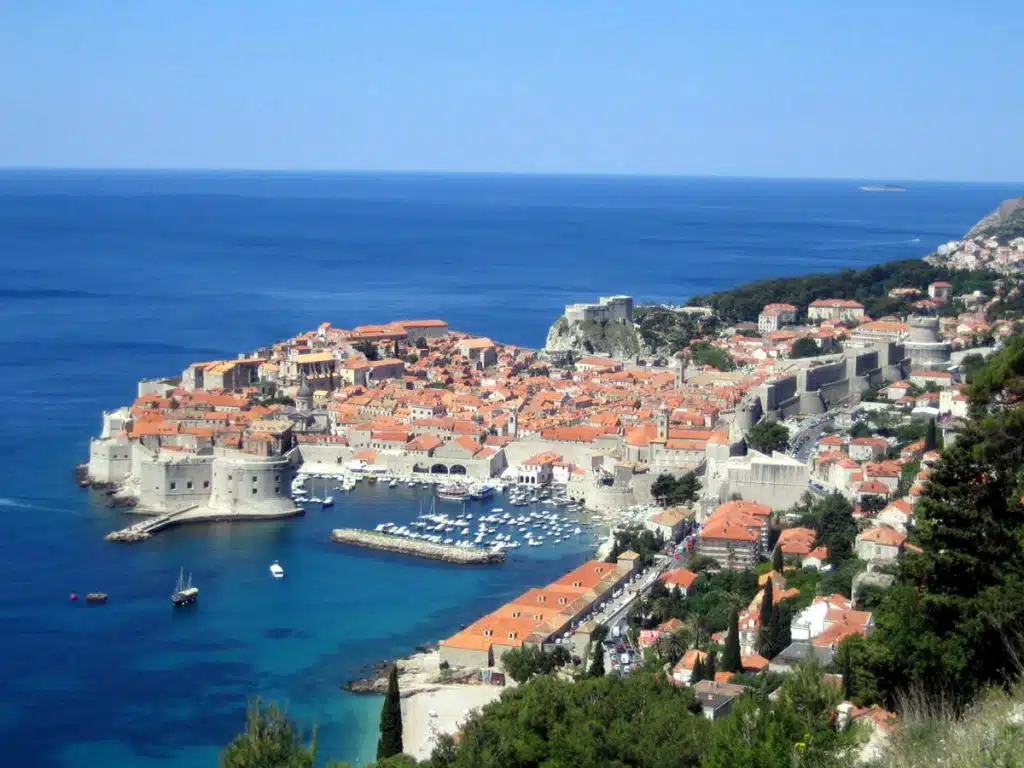
Mount Srđ rises directly behind the old town. A cable car takes you to the top in a few minutes, or you can hike up a steep path. From the viewing terrace you see the whole walled city, the islands and the coast. Go late in the afternoon for softer light, and stay for sunset if you can. Bring a jacket, as it can be windy.
10. Swim and kayak below the walls
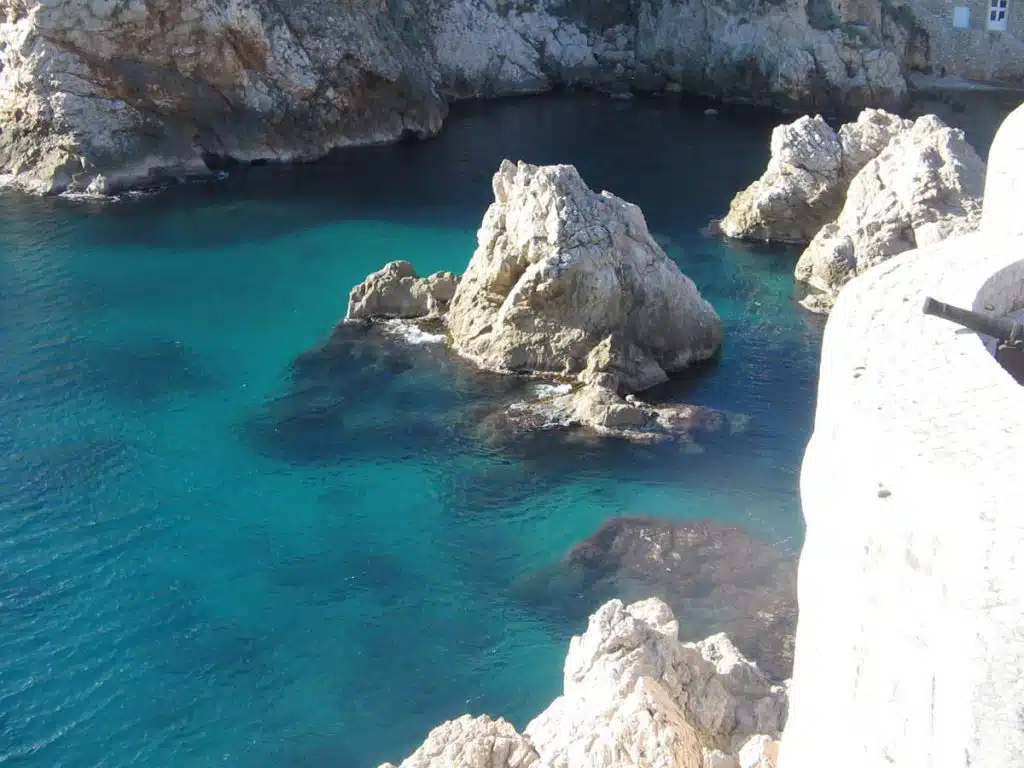
The water around Dubrovnik is clean and clear. Banje Beach is the best-known city beach, just outside Ploče Gate on the east side, with a view of the walls. Many people also swim from the rocks. Sea kayak tours paddle along the base of the walls and into small sea caves. Water shoes help on the pebbles and rock.
11. Spend time at the Old Port
The Old Port is the small harbour on the eastern side of the old town. Fishing boats, tour boats and ferries share the quay, and the stone breakwater shelters the water. It is a good place to sit with a coffee, watch the boats and look up at the walls. Boat trips to Lokrum and along the coast leave from here.
12. Take a day trip to Ston or Korčula
If you have an extra day, leave the city for a while. Ston, up the coast, is known for its long defensive walls and its oysters from nearby Mali Ston. Korčula is an island town with a walled old centre and narrow streets that look a little like a small Dubrovnik. See our galleries for Ston and Korčula.
When to visit Dubrovnik
May, June, September and early October are usually the best months. The weather is warm, the sea is good for swimming and the streets are less crowded. July and August are hot and very busy, especially when cruise ships are in port. Winter is quiet and mild, but some sights, restaurants and boat services have shorter hours or close.
Tips for planning your trip
Dubrovnik Airport is about 20 kilometres south of the city, and buses and taxis run to the old town. The old town itself is pedestrian only, so you will walk everywhere. The marble streets can be slippery and the lanes have many steps, so wear sturdy shoes. Visit the walls early or late to avoid the heat and the crowds. Carry water and sun protection in summer.
Questions about Dubrovnik
How many days do you need in Dubrovnik?
Two days is enough for the old town, the walls and a trip to Lokrum. Add a third day for Mount Srđ, swimming or a day trip.
Is it free to enter the old town of Dubrovnik?
Yes, you can walk through the gates and along Stradun for free. The city walls, the museums and the treasury charge admission.
How long does it take to walk the walls?
Most people take one to two hours, including photo stops. The route has many steps, so it is best to go in the morning, before the heat.
Free photos: Dubrovnik (49 photos), Ston (27 photos), Korčula (54 photos) and more Croatia pictures.