Things to Do in Amritsar: 12 Best Places and Experiences
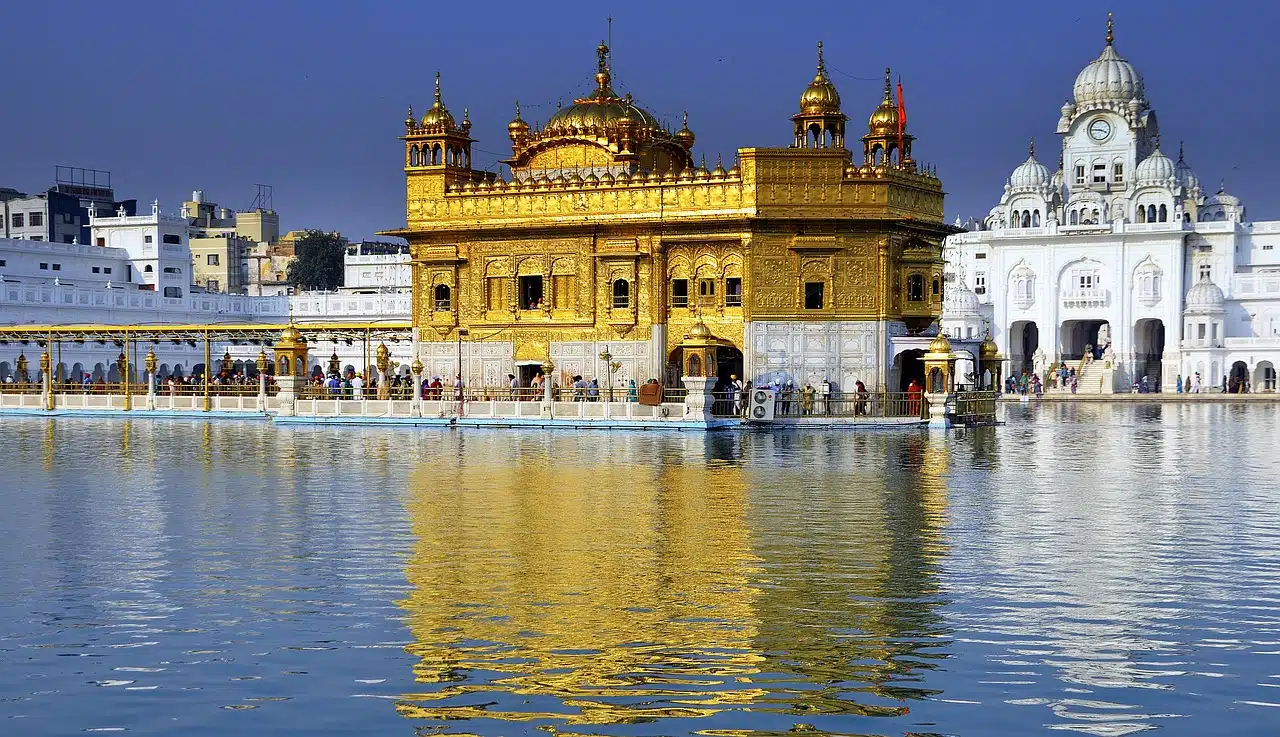
Amritsar is a city in the northwestern Indian state of Punjab, close to the border with Pakistan. It is the spiritual centre of the Sikh faith and the home of the Harmandir Sahib, better known as the Golden Temple. The city was founded in the 16th century around a sacred pool.
Amritsar is worth visiting for its shrines, its memorials to the 20th century, its bazaars and its food. Most sights are in or near the old walled city, so a short stay covers a lot. Here are the 12 best things to do in Amritsar, with tips on when to go and how to plan your trip.
1. Visit the Golden Temple
The Harmandir Sahib is the holiest shrine of Sikhism. It stands in the middle of a large sacred pool, the Amrit Sarovar, and is reached by a white marble causeway. Guru Arjan Dev, the fifth Sikh Guru, began the building work in the late 16th century. The gold covering was added in the early 19th century. Cover your head, remove your shoes and wash your feet before entering. Entry is free.
2. Eat in the Golden Temple langar
Every gurdwara runs a langar, a free community kitchen, and the one at the Golden Temple is among the largest in the world. Visitors of every faith and background sit on the floor in rows and share a simple vegetarian meal of dal, vegetables and bread. Volunteers cook and serve it all. Eating here is a good way to understand the Sikh ideas of equality and service. Donations are welcome but not required.
3. See the Akal Takht
The Akal Takht stands directly across from the Golden Temple causeway. It is the highest seat of Sikh temporal authority, founded by Guru Hargobind in the early 17th century. Decisions affecting the Sikh community are made here. The building has been damaged and rebuilt in its history, and today it is an important place of pilgrimage. It is easy to visit as part of your Golden Temple walk.
4. Walk through Jallianwala Bagh
This walled garden is a memorial to the massacre of 13 April 1919, when British troops fired on a crowd gathered here. Hundreds of people were killed. Bullet marks can still be seen on some of the walls, and the narrow entrance and the well where many people died are preserved. It is a quiet, sobering place, a short walk from the Golden Temple, and it takes about an hour to see.
5. Learn about Partition at the Partition Museum
The Partition Museum is in the old Town Hall in the city centre. It tells the story of 1947, when British India was divided into India and Pakistan and millions of people were forced to leave their homes. It uses personal belongings, photographs, documents and spoken memories. Allow at least two hours. Many visitors find it moving, and it explains a great deal about modern Punjab.
6. Watch the border ceremony at Wagah-Attari
About 30 km from the city, the Wagah-Attari border crossing holds a daily flag-lowering ceremony before sunset. Soldiers from both sides march, stamp and salute while crowds cheer on the Indian side. It is loud, theatrical and very popular. Arrive early to get a seat, check the current timings and security rules before you go, and travel with a taxi driver who knows the route.
7. Admire the Durgiana Temple
The Durgiana Temple is a Hindu temple surrounded by a pool, and its layout echoes that of the Golden Temple. It is dedicated to the goddess Durga and is also linked to Lakshmi and Vishnu. The silver doors are carved with delicate patterns, and the building looks especially fine in the evening light. It is a calm stop that shows the Hindu side of the city’s religious life.
8. Climb Baba Atal Tower
Gurdwara Baba Atal Rai is a short walk from the Golden Temple. Its octagonal tower has nine storeys and is one of the tallest buildings in the old city. It commemorates Baba Atal Rai, the young son of Guru Hargobind. Painted scenes cover the walls inside. The tower is a good place to see how the old city is laid out around the main shrine.
9. Explore Gobindgarh Fort
Gobindgarh Fort is an 18th-century fortress that has been opened to the public. Inside there are exhibits on Punjab’s history, along with performances and displays. It is easy to combine with a walk through the nearby streets. It is a good choice if you want something lighter after the memorials, and it suits families and anyone interested in the region’s military history.
10. Eat Amritsari kulcha and other Punjabi food
Food is a main reason to come. Amritsari kulcha is a stuffed bread, often filled with potato, baked in a tandoor and served with chickpea curry. Add a glass of thick lassi, tandoori dishes and, in winter, makki di roti with sarson da saag, made from maize flour bread and mustard greens. Breakfast is the best time for kulcha, and busy local places usually have the freshest food.
11. Shop in the old bazaars
The lanes around the Golden Temple and Hall Bazaar are full of shops. Look for phulkari embroidery, Punjabi juttis (embroidered leather shoes), spices, dried fruit and sweets. Prices are often negotiable, so bargain politely. The bazaars are crowded and noisy, so keep your valuables close and take your time. Early evening is a lively time to browse.
12. Relax in Ram Bagh
Ram Bagh is a large garden laid out in the early 19th century under Maharaja Ranjit Singh, who ruled the Sikh Empire. His summer palace stands inside and now houses a museum about his life and times. The shaded paths make a calm break from the busy streets. It is a pleasant place to rest in the afternoon.
When to visit Amritsar
The best time is from October to March, when days are mild and sunny, although winter mornings and nights can be cold and foggy. April to June is very hot. The monsoon, from July to September, brings humidity and heavy showers. Big festivals add atmosphere, including Vaisakhi in April, Diwali in autumn and Guru Nanak’s birthday in November, but expect large crowds and book rooms well ahead.
Tips for planning your trip
Amritsar has its own international airport with flights to Indian cities and some overseas destinations. Trains link it to Delhi, Mumbai and Kolkata, and there are also bus services. In the city you can use buses, taxis, ride-hailing apps and auto-rickshaws; agree the fare before you set off. Dress modestly at religious sites, carry a headscarf, and do not bring tobacco or alcohol into gurdwaras. Two days is enough for the main sights. Because the city is near the Pakistan border, check your government’s current travel advice before you go.
Questions about Amritsar
Is it free to enter the Golden Temple?
Yes, there is no entry fee, and the langar meal is free too. You must cover your head, remove your shoes and dress modestly.
How many days do you need in Amritsar?
Two days is enough to see the Golden Temple, Jallianwala Bagh, the Partition Museum and the border ceremony at an easy pace. Add a third day if you want to see the fort and gardens.
What is the best time of day to visit the Golden Temple?
Early morning and late evening are the most atmospheric, with music, lights and cooler air. The temple is open through the night, but queues are longest at weekends and festivals.


