Things to Do in Sydney: 12 Best Places and Experiences
Sydney is the largest city in Australia, built around one of the world’s great natural harbours on the country’s east coast. Most visitors head straight for the Opera House and the Harbour Bridge, and for good reason. The city also has beaches, old sandstone streets, quirky museums and quiet corners that few first-time visitors find.
This guide mixes the classics with five less obvious places, from a secret garden to a bus museum. Here are the 12 best things to do in Sydney, with tips on when to go and how to plan your trip.
1. See the Sydney Opera House
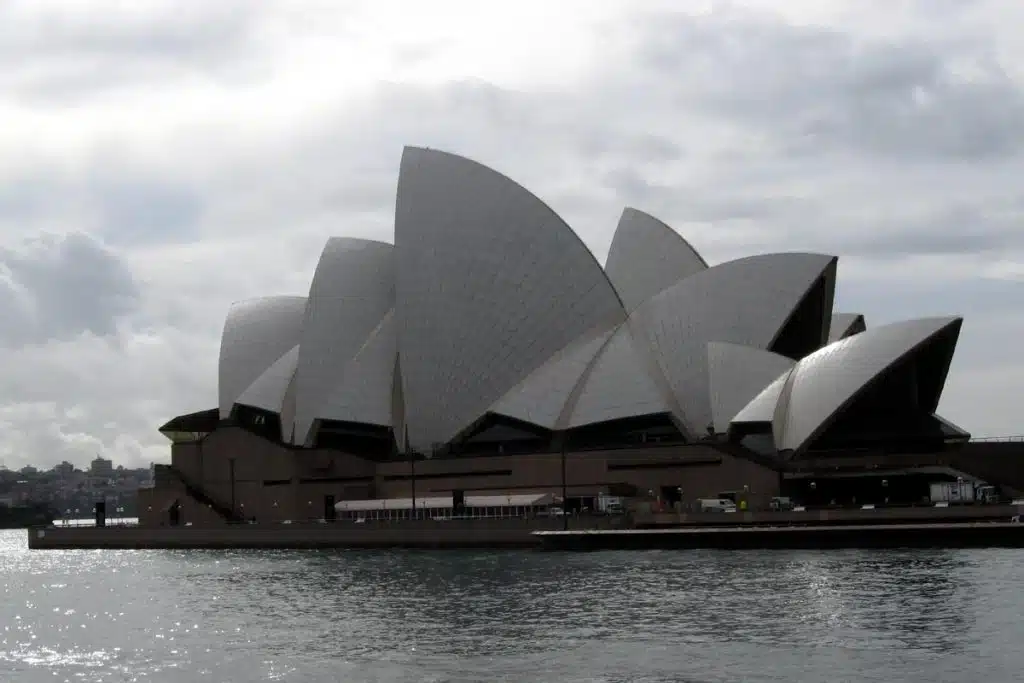
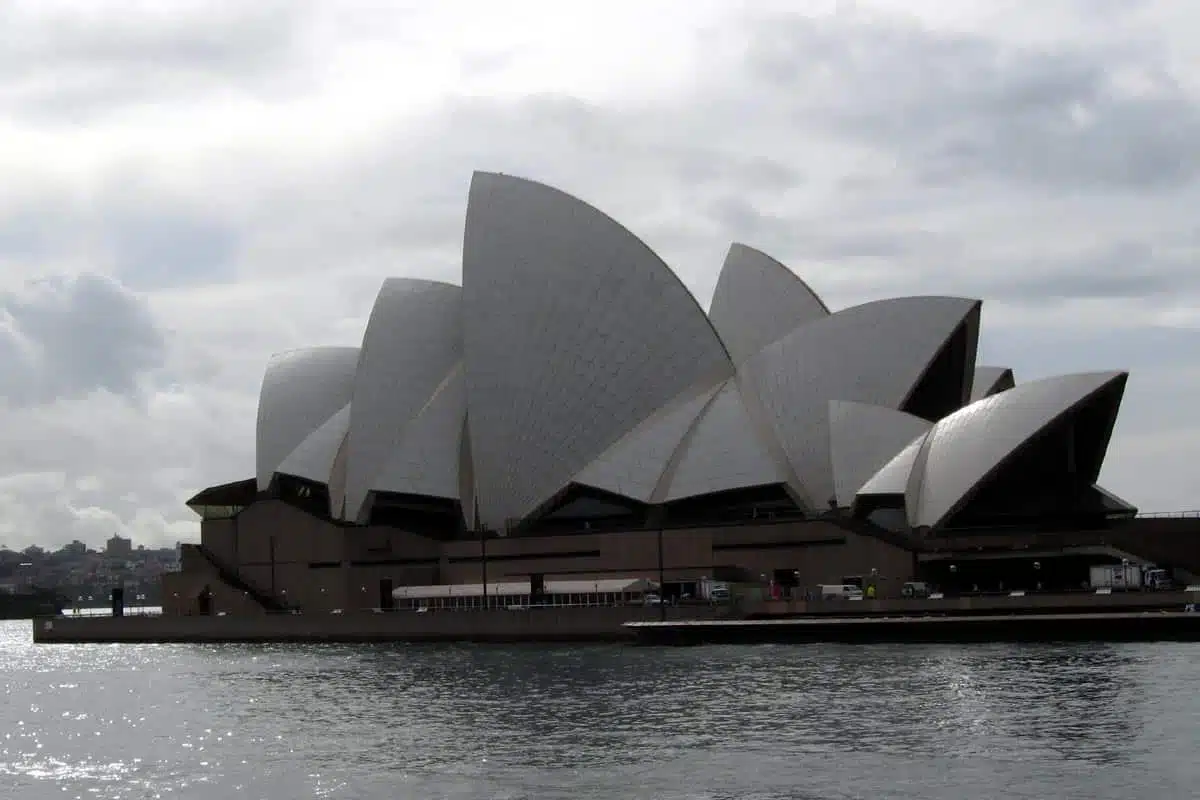
The white sails of the Opera House are the symbol of the city. It was designed by the Danish architect Jørn Utzon and opened in 1973. You can book a guided tour inside, see a concert or opera, or simply walk around the forecourt at Bennelong Point. It looks best from the water or from the Royal Botanic Garden opposite.
2. Walk across the Harbour Bridge
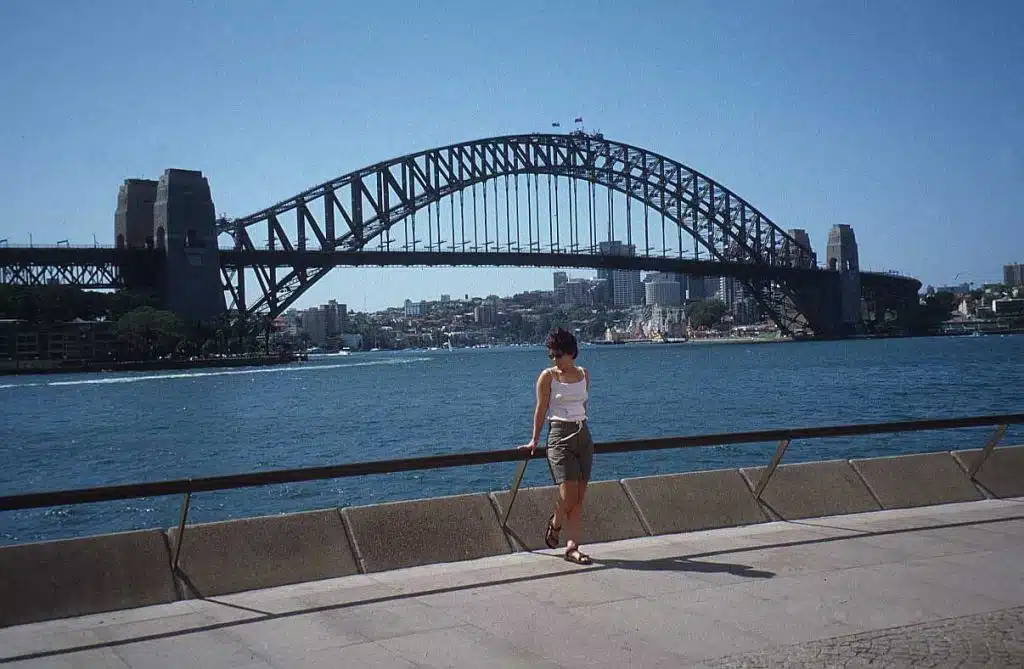
The Harbour Bridge opened in 1932 and is nicknamed “the Coathanger”. A footpath runs along its eastern side, and it is free to use. Walk from The Rocks to Milsons Point for views of the harbour and the Opera House. If you want to go higher, organised climbs and the Pylon Lookout give wider views. Book climbs ahead in busy months.
3. Take a ferry across the harbour
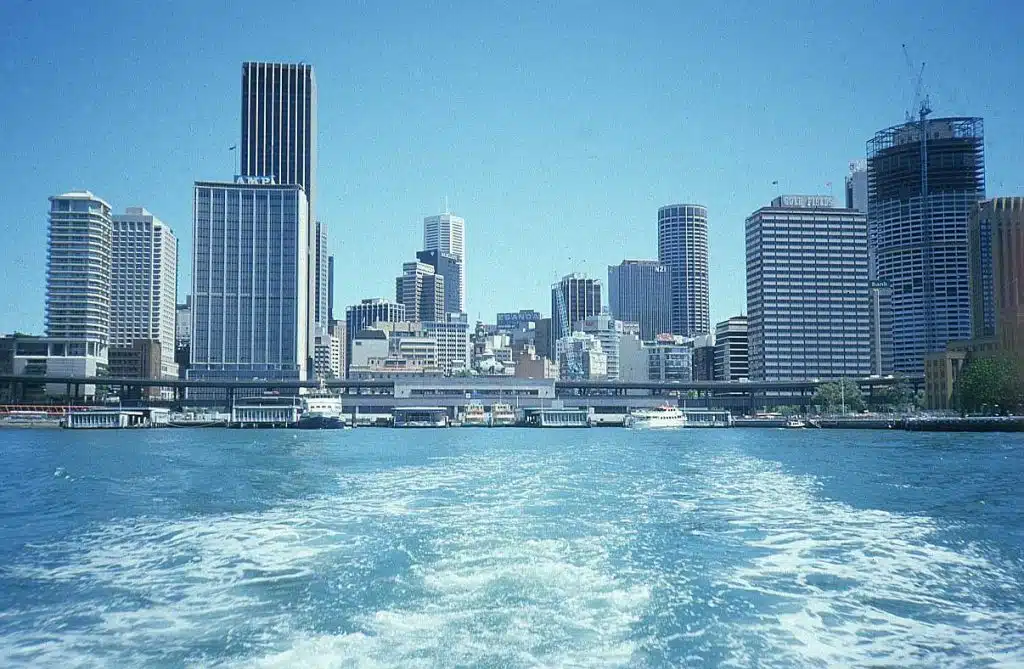
Ferries leave from Circular Quay and are part of normal public transport, so they cost far less than a harbour cruise. The ride to Manly takes about 30 minutes and passes the Opera House, the bridge and several bays. Once there, you can swim, walk along the Corso or follow a coastal path. Sit on the outer deck for the best views.
4. Find Wendy’s Secret Garden
This garden at Lavender Bay was started by Wendy Whiteley after her husband, the artist Brett Whiteley, died in 1992. She began clearing rubbish and weeds from unused railway land and slowly planted it. The council now looks after the site. Paths wind through tall plants, and benches sit in quiet spots with views of the harbour and bridge. Entry is free.
5. Visit Sydney Observatory
The observatory stands on Observatory Hill, above The Rocks, and dates from the 1850s. Its time ball still drops at 1:00 pm every day, a signal that once helped ships set their clocks. In the evening you can book a session to look at the night sky through telescopes, including historic ones. On cloudy nights, a planetarium show is usually offered instead.
6. Explore the Justice and Police Museum
This museum near Circular Quay is housed in a former water police station and magistrates court from the 1850s. Its “City of Shadows” photographs show Sydney’s early twentieth century underworld, with mug shots of small-time criminals who were allowed to choose their own pose. You can also see old weapons seized as evidence. Check the opening days before you go.
7. Meet Eric the Pliosaur at the Australian Museum
Eric is an opalised pliosaur, a marine reptile that lived about 100 million years ago. An opal miner found the skeleton at Coober Pedy in 1987. It was later named after a Monty Python song. After years of uncertainty, the Australian Museum bought it, so it stayed in public hands. The museum stands on College Street, next to Hyde Park.
8. Step inside the Sydney Bus Museum
This is a place for anyone who likes old vehicles. Volunteers look after a collection of retired Sydney buses, plus a few trucks and other oddities, in a historic tram shed. Visitors can climb aboard and sit in the seats. On some open days, you can ride a vintage bus into the city. It is only open on certain days, so check ahead.
9. Walk the Bondi to Coogee coastal path
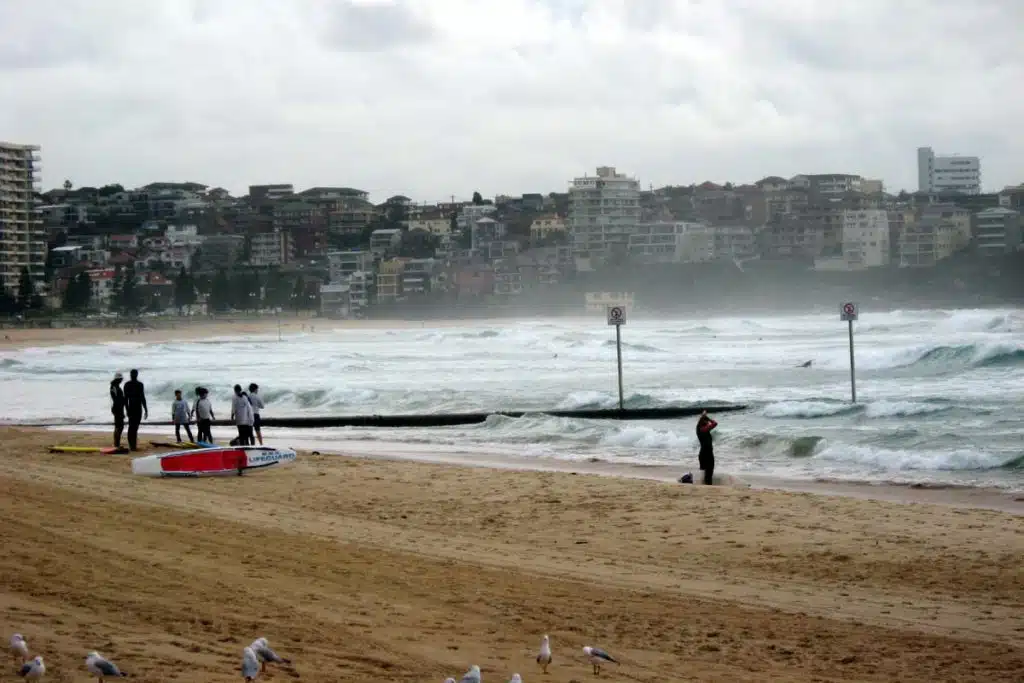
This clifftop walk links several beaches and ocean pools, and takes a few hours at an easy pace. It starts at Bondi Beach, passes Tamarama, Bronte and Clovelly, and ends at Coogee. You can stop for a swim or a coffee along the way. Wear a hat and sun cream, and take water in summer.
10. Relax in the Royal Botanic Garden
The garden lies right beside the harbour and is free to enter. Walk to Mrs Macquarie’s Chair, a stone bench cut into the rocks, for a classic view of the Opera House and the bridge. The garden is also a good place to see native plants and the flying foxes, which are large fruit bats. It makes a calm break between busier sights.
11. Stroll around The Rocks and Darling Harbour
The Rocks is the oldest part of European Sydney, with sandstone buildings, narrow lanes and a weekend market. Darling Harbour, a short walk west, has waterfront restaurants, hotels, museums and an aquarium. Together they make an easy half-day walk. The Rocks is more historic, while Darling Harbour is more modern and family-friendly. Both are close to the city centre.
12. Take a day trip to the Blue Mountains
The Blue Mountains lie west of Sydney and are reached by train in about two hours. The area has sandstone cliffs, eucalyptus forest and waterfalls. Katoomba is the usual base, close to the Three Sisters rock formation and several walking tracks. Start early, wear sturdy shoes and bring layers, as the weather can be cooler than in the city.
When to visit Sydney
Sydney’s seasons are the reverse of Europe’s. Summer runs from December to February and is hot, busy and best for the beaches. Spring (September to November) and autumn (March to May) are mild and good for walking and sightseeing. Winter, from June to August, is cooler but usually dry and sunny, with fewer crowds. The Vivid Sydney light festival is usually held in late May and June.
Tips for planning your trip
Most international visitors arrive at Sydney Airport, which has train links to the city centre. Public transport covers trains, buses, ferries and light rail, and you can pay with an Opal card or a contactless bank card. The centre is compact, so you can walk between many sights. Book tours and observatory sessions in advance, and check your government’s current travel advice and entry rules before you travel.
Questions about Sydney
What are some unusual things to do in Sydney?
Try Wendy’s Secret Garden, the Justice and Police Museum, Sydney Observatory, the Sydney Bus Museum or Eric the Pliosaur at the Australian Museum. These are quieter than the big landmarks.
How many days do you need in Sydney?
Three days is enough to see the main landmarks, take a ferry and walk part of the coast. Add a fourth day if you want to visit the Blue Mountains.
Can you enjoy Sydney on a budget?
Yes. The Harbour Bridge footpath, the Royal Botanic Garden, Wendy’s Secret Garden and the Bondi to Coogee path are all free, and ferries are good value.
Free photos: Kuranda Skyrail (67 photos).