Best Time to Visit Turkey: Month by Month Guide to Weather, Crowds and Festivals

The best time to visit Turkey is April to May or September to October. Days are warm but not too hot, Istanbul and Cappadocia are comfortable for long days on foot, and the coast is quieter than in high summer. For a beach holiday, June to September is best, and the sea is at its warmest in August.
This guide covers Turkey season by season: the weather on the coasts and inland, when crowds and Turkish holidays peak, what is closed in winter, and the festivals worth planning around. Before you go, browse our free photos of Turkey for ideas.
Best time to visit Turkey at a glance
- Best overall: April to May and September to October, for mild weather and lighter crowds.
- Best for good weather: May and late September to October, warm and mostly dry without the summer heat.
- Best for fewer crowds and lower demand: November and March, and January to February outside the New Year and ski holidays.
- Best for beaches and boat trips: June to September, with the sea warmest in August.
- Best for skiing: roughly December to March, at resorts such as Uludağ, Erciyes and Palandöken.
- Time to avoid: July and August for sightseeing in Istanbul and hiking inland, when it is hot and busy.
Spring (March to May)
March is still cool and often wet, and in Istanbul it can feel colder than December. By April and May the whole country warms up: Istanbul reaches around 21°C by day in May and Antalya around 26°C. This is the best season for sightseeing, for walking the Lycian Way and for hiking in Cappadocia while the valleys are green. Istanbul’s parks fill with tulips in April, a good time to tour the palaces and gardens; see our Topkapı Palace visitor guide.
The sea is still cool for most swimmers until late May. Crowds build from Easter onwards. In 2026 and 2027 Kurban Bayramı, the Feast of Sacrifice, falls in May, and many Turks travel that week, so book buses, flights and coastal hotels early.
Summer (June to August)
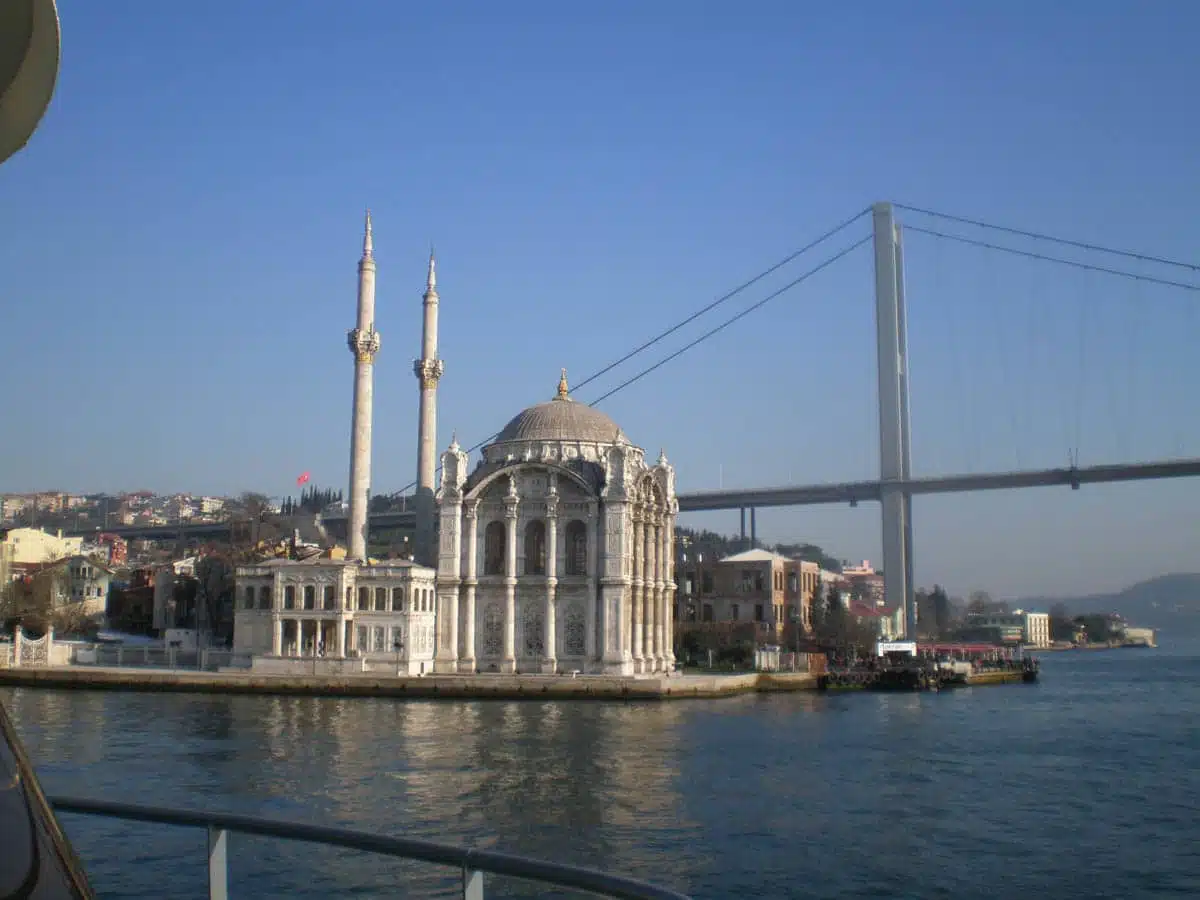
Summer is hot and dry almost everywhere. Antalya reaches around 34°C in July and August and Istanbul around 28°C, while the south east is hotter still. The Aegean and Mediterranean coasts are at their best for swimming, sailing and boat trips, and the sea reaches around 27°C in August. This is peak season: Turkish schools break up from late June to early September and resorts fill with families from Turkey and Europe.
Queues at Hagia Sophia and the Blue Mosque are longest now, so arrive early; our Hagia Sophia and Blue Mosque visitor guide has tips. Summer is the best time for the Black Sea coast and the eastern mountains, and the road to the summit of Mount Nemrut is open. Istanbul hosts its music festival in June and its jazz festival in July.
Autumn (September to November)

September keeps summer weather but with fewer families once schools go back. The sea stays warm into October, so the coast is still good for swimming and gulet cruises, and walking weather returns to the Lycian Way. Istanbul is around 20°C by day in October, ideal for exploring on foot. In Cappadocia, cool, clear mornings suit balloon flights and valley walks; see our guide to things to do in Cappadocia.
Rain returns in November, especially in Istanbul and on the Black Sea coast. Many coastal hotels, beach bars and boat trips close or cut back from November until spring. Republic Day at the end of October brings flags, parades and fireworks to towns across the country.
Winter (December to February)

Winter is cool and wet on the coasts and cold inland. Istanbul reaches only around 9°C by day in January, with frequent rain and a few snowy days. Antalya is milder at around 15°C, but it rains often and the beach resorts are quiet. Central and eastern Anatolia is cold and snowy. Cappadocia under snow is lovely, but balloon flights are cancelled more often because of wind and fog, and the Mount Nemrut summit road is usually closed.
This is ski season, roughly December to March, at Uludağ near Bursa, Erciyes near Kayseri and Palandöken near Erzurum. Istanbul’s museums, bazaars and hammams are quieter, apart from the New Year week. Ramadan falls in February and March in 2026 and 2027; sights stay open, evenings are lively, and the Ramazan Bayramı holiday at the end is a busy travel time.
Festivals and events by month

- April: Istanbul Tulip Festival, millions of tulips planted in city parks such as Emirgan.
- April: Istanbul Film Festival, the city’s main film festival with Turkish and international films.
- June: Istanbul Music Festival, classical concerts in historic venues around the city.
- June or July: Kırkpınar Oil Wrestling in Edirne, a centuries old tournament of wrestlers covered in olive oil.
- July: Istanbul Jazz Festival, concerts across the city from jazz to pop.
- October: Republic Day, a national holiday at the end of the month with parades and fireworks.
- December: Şeb-i Arus in Konya, whirling dervish ceremonies marking the death of the poet Rumi.
Tips for planning your trip
Book well ahead for July and August, Easter, New Year and the two Bayram holidays, whose dates move about 11 days earlier each year. In busy months, book Cappadocia balloon flights early and keep a spare morning in case your flight is cancelled. In summer pack sun protection and light clothes; in winter bring a waterproof jacket and warm layers, especially inland. For mosques, cover shoulders and knees, and women should carry a scarf. Turkey is large, so the best time varies: the Black Sea coast is wet all year and best from June to September, the east is cold in winter and best in summer, and the south east is very hot in summer and best in spring or autumn. Bosphorus ferries run all year, but many coastal boat trips and some island ferries run mainly from spring to autumn. Check your government’s current travel advice before you go, especially for areas near the Syrian border.
Questions about visiting Turkey
What is the cheapest month to visit Turkey?
January and February are usually the cheapest months, outside the New Year week and ski resorts. November and March are also good value, especially on the coast.
Is Turkey worth visiting in winter?
Yes, if you want city sightseeing, snowy Cappadocia or skiing rather than beaches. Istanbul is quieter and its museums and bazaars are easy to enjoy on rainy days.
What is the rainiest month in Turkey?
On the Istanbul, Aegean and Mediterranean coasts, December and January are usually the wettest months. The Black Sea coast gets rain in every season.


