Things to Do in Khiva: 12 Best Sights and Experiences
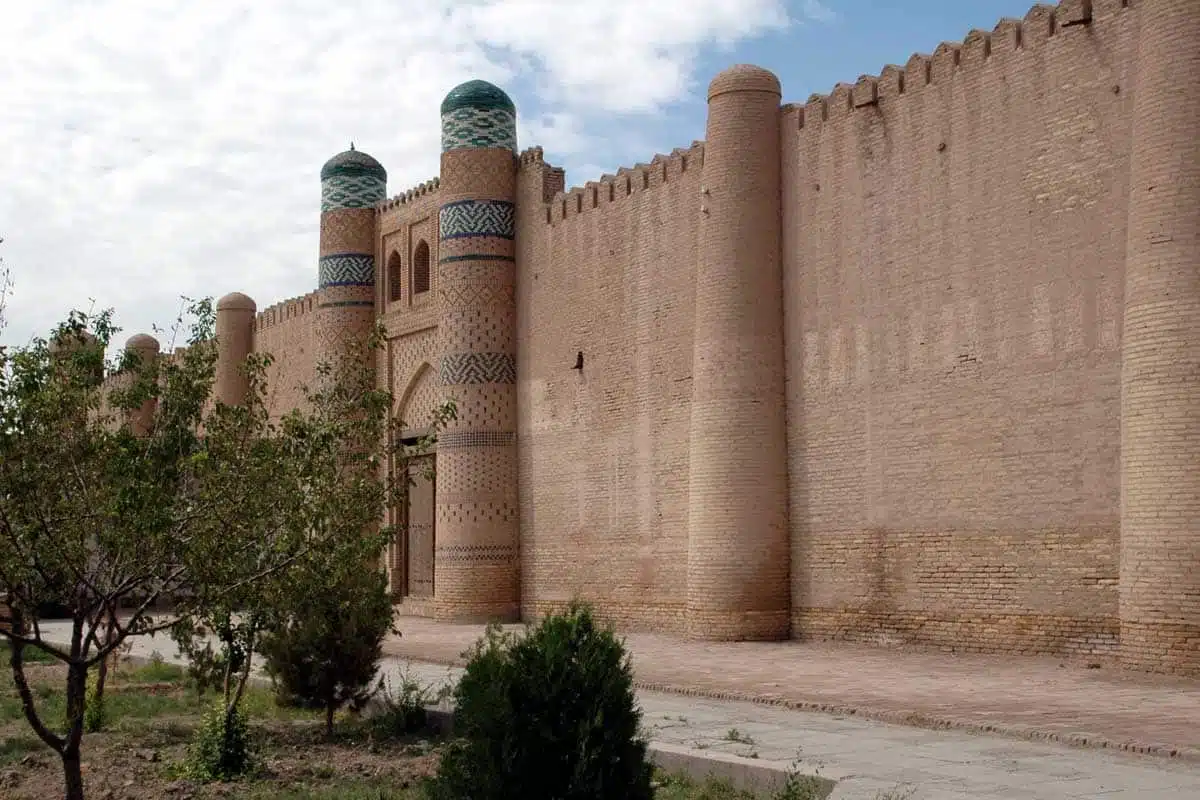
Khiva is an old Silk Road town in the Khorezm region of western Uzbekistan, close to the city of Urgench and the Amu Darya river. At its centre is Itchan Kala, a walled inner town of mud-brick houses, madrasas, palaces and tiled minarets. In 1990 it became Uzbekistan’s first UNESCO World Heritage Site. Caravans once rested here before crossing the desert to Iran, and the town still feels like a place set apart from the modern world.
Itchan Kala is small enough to cross on foot in fifteen minutes, but you can easily fill two days here. Before you go, browse our free photos of Khiva and Uzbekistan. Here are the 12 best things to do in Khiva, with tips on when to go and how to plan your trip.
1. Walk the walls of Itchan Kala
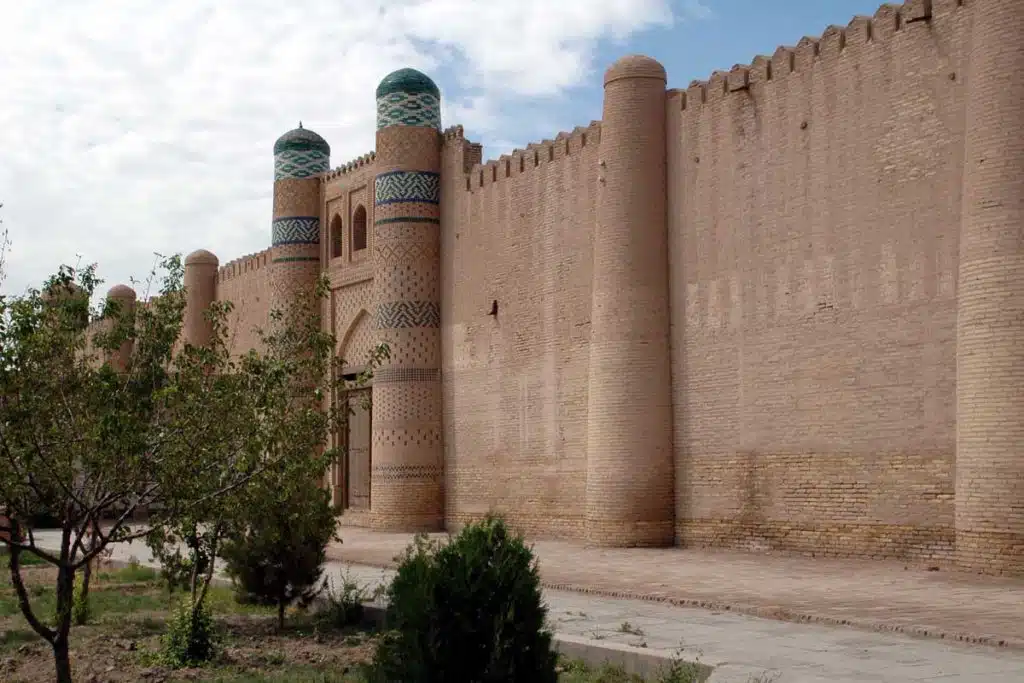
The walls of Itchan Kala are about 10 metres high and made of mud brick. They are the first thing you see when you arrive. Four gates lead inside. The West Gate, Ota Darvoza, is the main entrance and has the ticket office. Near the North Gate you can climb onto a stretch of the wall and walk along the top, looking down on flat roofs, domes and courtyards. Come in the late afternoon, when the low sun turns the walls gold.
2. See the Kalta Minor minaret
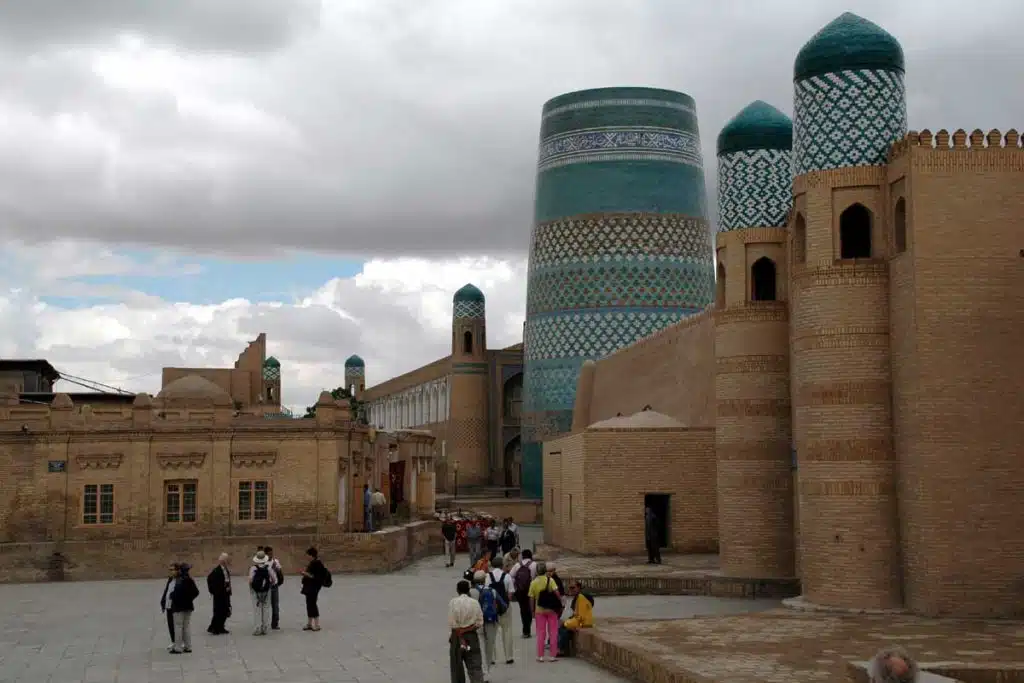
Just inside the West Gate stands Kalta Minor, a short, wide minaret covered in bands of turquoise and green glazed tiles. Muhammad Amin Khan ordered it in the 1850s and wanted it to be the tallest minaret in the Muslim world. Work stopped after his death, so it was never finished. Next to it is the Muhammad Amin Khan Madrasa, the largest in Khiva. It now works as a hotel, and you can often look into its courtyard.
3. Climb the Islam Khodja Minaret
The Islam Khodja Minaret is the tallest in Khiva. It was finished in the early 20th century, which makes it one of the town’s youngest monuments. A narrow, dark staircase with high steps climbs to a small gallery at the top. From there you can see the whole of Itchan Kala and the flat land beyond. The climb needs a separate ticket, and it is not a good idea if you dislike tight spaces. The small madrasa next door holds a museum of applied arts.
4. Watch the sunset from the Kunya Ark
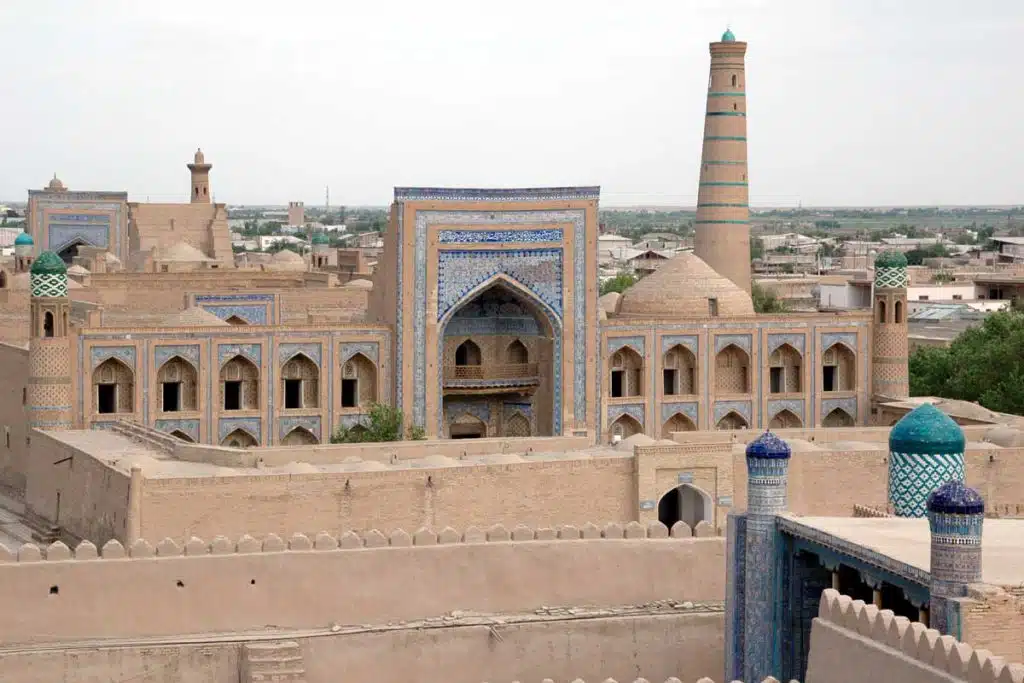
The Kunya Ark was the fortress and residence of the khans of Khiva, built against the western wall. Inside you will find a summer mosque with blue and white tiles, the old reception hall and the former mint. For many visitors, the best part is the Aq Sheikh Bobo bastion, a watchtower on the walls. It gives one of the best views over Khiva’s domes and minarets. Arrive well before sunset, because the small platform fills up quickly.
5. Stand among the columns of the Juma Mosque
The Juma Mosque looks plain from the street, but inside is one large hall with no courtyard. Its flat roof rests on more than 200 carved wooden columns. Most of the present building dates from the late 18th century, but some columns are much older and were reused from earlier mosques. Light falls through openings in the roof, so the hall stays cool and calm even in summer. Look closely and you will see that the carving differs from column to column.
6. Explore the Tash Hauli Palace
Tash Hauli, the “stone courtyard”, was built for Allakuli Khan in the 1830s. The highlight is the harem courtyard. It is lined with tall iwans, open porches with carved wooden columns, and the walls are covered in blue and white majolica tiles. Other courtyards were used for receptions and official business. The palace is one of the best places in Khiva to see local tile work up close. Allow about an hour to explore it properly.
7. Visit the Pahlavon Mahmud Mausoleum
Pahlavon Mahmud was a poet, wrestler and furrier who died in the early 14th century and became Khiva’s patron saint. His mausoleum, under a turquoise dome, has some of the finest tile work in town and is still a place of pilgrimage. Local families and newlyweds often come to pray. Dress modestly, keep your voice low and let worshippers pass first. Women may want to carry a scarf.
8. Wander between the madrasas and the old bazaar
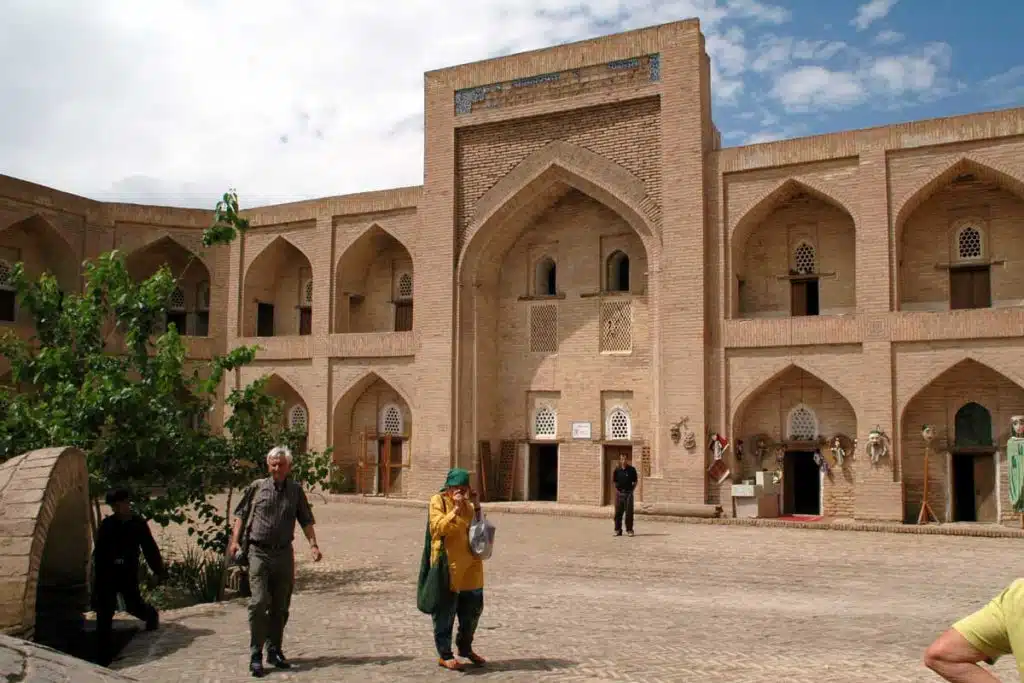
Khiva has many madrasas, and today most hold museums, workshops or small shops. Walk east to the Allakuli Khan Madrasa, the caravanserai and the covered bazaar, or tim, beside the Palvan Darvoza gate, where traders once stopped. In each courtyard, look at the tall portals, the arcades and the small student cells. If you enjoy this style of building, see our free Islamic architecture pictures.
9. Watch craftspeople at work
Khiva is known for its carved wooden doors and columns, and several workshops in Itchan Kala let you watch carvers at work. At silk carpet workshops, weavers copy patterns from the town’s tiles and old manuscripts. You will also see suzani embroidery, ceramics and the big shaggy sheepskin hats of Khorezm. Buying directly from a workshop means the money goes to the people who made the item, and they are usually happy to explain how it was made.
10. Walk through Dishan Kala to the Nurullabay Palace
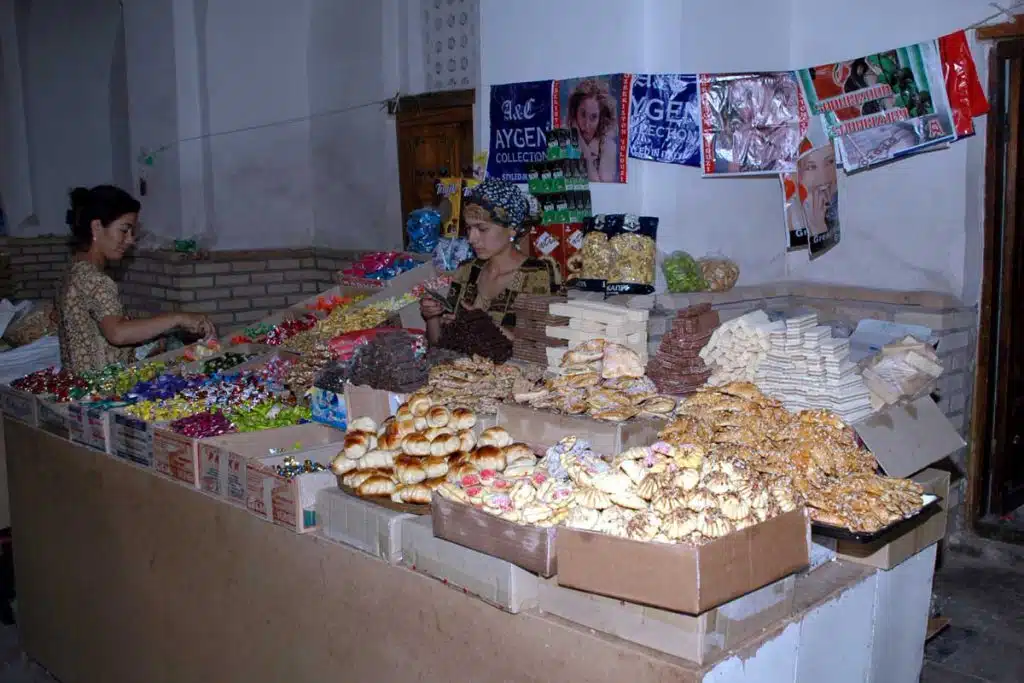
Outside the walls lies Dishan Kala, the outer town, where most of Khiva’s people live. Its main sight is the Nurullabay Palace, built in the early 20th century for the khan and his son. The rooms mix Khorezm wood carving with European-style decoration, which shows the Russian influence of that time. On the way, stop at the local market near the East Gate for bread, dried fruit and spices. It is a good way to see everyday life in Khiva.
11. Try Khorezm food
Khorezm cooking is different from the food you find elsewhere in Uzbekistan. Try shivit oshi, bright green noodles flavoured with dill, served with a meat and vegetable stew and yoghurt. Tukhum barak are soft dumplings filled with egg. Many cafés in Itchan Kala have rooftop terraces or shaded courtyards where you can order green tea and watch the evening light on the minarets. Alcohol is served in some places, but not all.
12. Take a day trip to the desert fortresses of ancient Khorezm
North-east of Khiva, in the Karakalpakstan region, mud-brick fortresses rise from the edge of the Kyzylkum desert. The best known are Ayaz Kala, Toprak Kala and Kyzyl Kala, and some are more than 2,000 years old. Most people visit on a full-day trip by car with a driver, which hotels can arrange. You can also stay overnight in a yurt camp near Ayaz Kala. Bring water, a hat and sun cream, as there is little shade.
When to visit Khiva
The best times to visit are spring, from April to May, and autumn, from September to October. Days are warm and evenings are pleasant. Summers are very hot and dry, and temperatures can pass 40°C, so plan sightseeing for early morning and evening. Winters are cold and quiet. Many cafés and shops close, but you will have the monuments almost to yourself. In any season, tour groups are busiest in the middle of the day. Early mornings and the hour before sunset are calmer.
Tips for planning your trip
The nearest airport is in Urgench, about 30 km away, with flights from Tashkent and some international routes. From there a taxi to Khiva is short. Khiva also has a railway station, with trains from Tashkent via Samarkand and Bukhara. The journey is long, so book ahead in high season. Many travellers come by road from Bukhara through the desert. Itchan Kala is compact and best explored on foot. Two nights is ideal: one full day for the old town and one for the desert fortresses. A combined ticket from the West Gate covers most monuments, but some extras, such as minaret climbs, cost more. Carry cash in Uzbek som, as cards are not accepted everywhere. Entry and registration rules for Uzbekistan depend on your nationality, so check your government’s current travel advice before you go.
Questions about Khiva
How many days do you need in Khiva?
One full day covers the main sights of Itchan Kala. Two nights give you time for sunset views, museums and a trip to the desert fortresses.
Do you need a ticket to visit Itchan Kala?
Yes. Buy the combined ticket at the West Gate, because it covers entry to most monuments and museums. Some sights, such as the minaret climbs and certain viewpoints, need an extra ticket.
How do you get from Bukhara to Khiva?
You can take the train or travel by road across the Kyzylkum desert by car or shared taxi. Both take most of a day, so leave early.