Best Time to Visit Austria: Seasons, Weather, Crowds and Festivals Month by Month
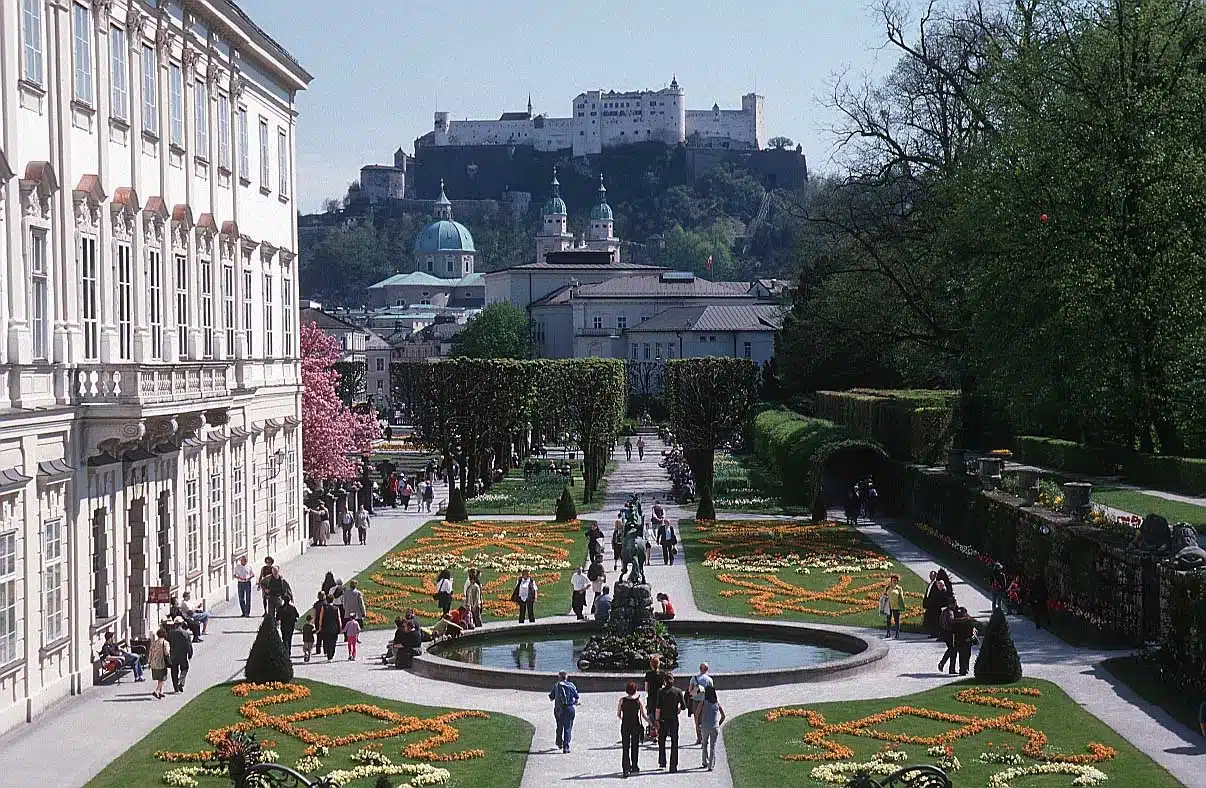
The best time to visit Austria is May, June and September, when the weather is mild, the mountain roads and trails are open and the cities are calmer than in July and August. For skiing, come from January to March, and for Christmas markets, from mid-November to Christmas Eve.
This guide goes through the year season by season, with the weather, crowds and events in Vienna, Salzburg, Graz, the Danube valley and the Alps, followed by festivals by month and practical planning tips. To get a feel for the places first, browse our free photos of Austria.
Best time to visit Austria at a glance
- Best overall: May, June and September, for mild days, open Alpine roads and smaller crowds.
- Best for warm weather: July and August, with highs around 27°C in Vienna and lakes warm enough to swim.
- Best for fewer crowds: April and early November, when city sights are quiet and hotels are easier to book.
- Best for skiing: January to March, when snow is most reliable in the main resorts.
- Best for Christmas markets: mid-November to Christmas Eve, in Vienna, Salzburg and Graz.
- Time to avoid: late October to early December in the Alpine resorts, when many lifts, huts and hotels close between seasons.
Spring (March to May)
March still feels like winter, and the ski season carries on in the higher resorts until around Easter. In the lowlands, days warm up through April and May, parks and palace gardens fill with flowers, and pavement cafés reopen. May is pleasant for sightseeing but can be one of the wetter months in Vienna, so pack a light rain jacket.
Spring is a good time for city breaks, as queues at Schönbrunn and in Salzburg’s old town are shorter than in summer. In the Wachau, the apricot trees blossom in spring, and the river boats start running again. The Grossglockner High Alpine Road usually opens in early May. High hiking trails often stay under snow until June. Easter brings markets, the Salzburg Easter Festival and a short rush of school holiday visitors.
Summer (June to August)

Summer is the warmest and busiest season. Vienna reaches highs of around 27°C in July, with some hotter spells, while the mountains stay fresher. Afternoon thunderstorms are common in the Alps, so start hikes early. This is the best time for hiking, cycling along the Danube and swimming in the lakes of Carinthia and the Salzkammergut.
Austrian school holidays run from early or mid-July to early or mid-September, depending on the state, and many Europeans travel at the same time, so Salzburg, Hallstatt and the lakes get crowded. June is a good compromise: long days, open mountain huts and fewer people. Events include the Donauinselfest in Vienna, in late June or early July, the Salzburg Festival from late July to the end of August and the Bregenz Festival on Lake Constance. Note that the Vienna State Opera takes a summer break in July and August.
Autumn (September to November)
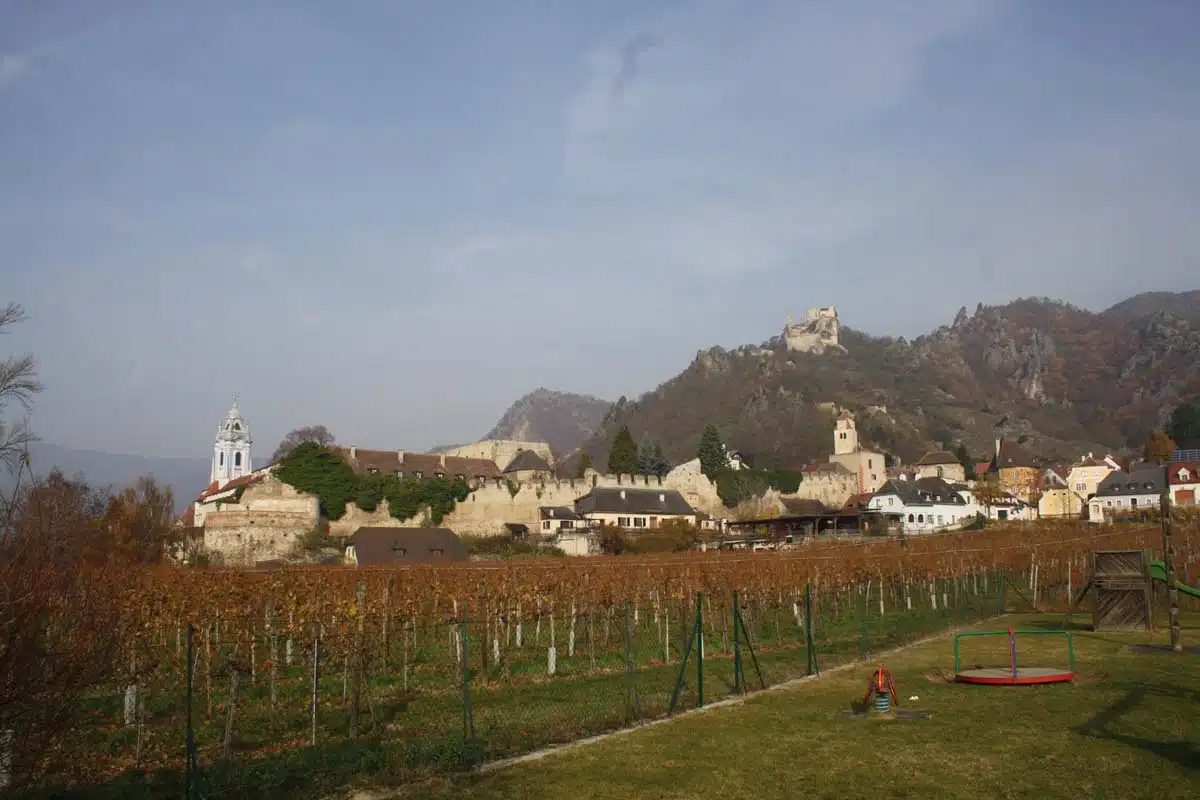
September is one of the best months of the year. Days are still warm, the summer crowds have gone home, and the mountains are clear for hiking. It is grape harvest time in the Wachau and around Vienna, when wine taverns serve Sturm, the young, partly fermented wine. In Alpine villages, cattle are brought down from the summer pastures in decorated processions, mostly in September.
October brings autumn colours to the vineyards and forests, and cooler, often foggy mornings. Many mountain huts and high lifts close by mid-October, and the Grossglockner road usually shuts in late October or early November. November is grey and quiet until the Christmas markets open in the middle of the month. Linz hosts the Ars Electronica Festival in September.
Winter (December to February)

Winter is cold, with highs around 4°C in Vienna in January and frost at night, and much colder in the mountains. December is busy in the cities thanks to the Christmas markets, with mulled wine, roasted almonds and crafts on the main squares. In early December, Krampus runs take place in many Alpine towns, with costumed devils parading through the streets.
The ski season starts in December, and January to March usually brings the best snow. Avoid the Christmas and New Year weeks and the February school holidays if you want quieter slopes and easier booking. In the cities, January is calm and good for museums, cafés and concerts. Vienna’s ball season peaks in January and February, ending with Carnival.
Festivals and events by month

- January: New Year’s Concert, the Vienna Philharmonic’s waltz concert on New Year’s Day.
- January and February: Vienna ball season, with hundreds of balls and the Opera Ball, usually in February.
- March or April: Salzburg Easter Festival, opera and concerts around Easter.
- June or July: Donauinselfest, a large free open-air music festival on Vienna’s Danube Island.
- July and August: Salzburg Festival, opera, concerts and theatre from late July to the end of August.
- July and August: Bregenz Festival, opera on a floating stage on Lake Constance.
- September: Ars Electronica Festival in Linz, a festival of art, technology and society.
- November and December: Christmas markets across the country, plus Krampus runs in early December.
Tips for planning your trip
Book early for the Salzburg Festival, Christmas market weekends, ski resorts in the February holidays and any summer stay at the lakes, as these periods fill fast. Pack layers all year: even in summer, mountain evenings are cool and storms can roll in quickly, while winter needs a warm coat, gloves and shoes with good grip. Remember that Austria varies a lot inside its borders. Vienna and the east are drier and warmer in summer, while the Alps in Tyrol, Salzburg and Vorarlberg get more rain and snow. Mountain roads, cable cars and huts follow their own seasons, so check that they are open before you plan a route, and note that Danube boats in the Wachau run mainly from spring to autumn. Check your government’s current travel advice and entry rules before you go.
Questions about visiting Austria
What is the cheapest month to visit Austria?
Prices and demand are usually lowest in the quiet months: November before the Christmas markets, January after New Year in the cities, and April after Easter. Ski resorts are cheapest at the very start and end of the season.
Is Austria worth visiting in winter?
Yes. Winter brings skiing, Christmas markets, the ball season and cosy coffee houses, and the cities are quieter in January than at any other time.
What is the rainiest time of year in Austria?
Summer is the wettest season in most of Austria, with frequent afternoon thunderstorms in the Alps. In Vienna, late spring and summer are wetter than winter, when February is usually the driest month.


