Things to Do in Greece: 12 Best Places to Visit
Greece is a country in southeastern Europe, with a long mainland coast and thousands of islands in the Aegean and Ionian seas. Few places mix ancient history, mountain scenery and sea so closely. This guide to Greece covers the places most worth your time.
Some of these sights are in the capital. Others are a long bus ride or a ferry away, but they repay the effort. Here are the 12 best things to do in Greece, with tips on when to go and how to plan your trip.
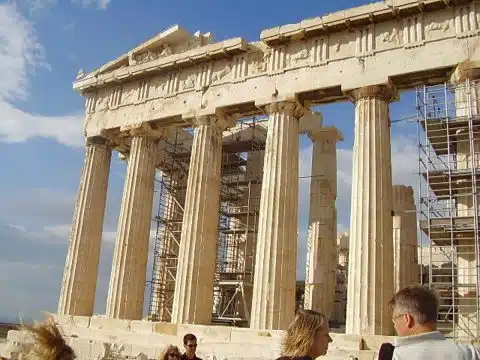
1. Climb the Acropolis in Athens
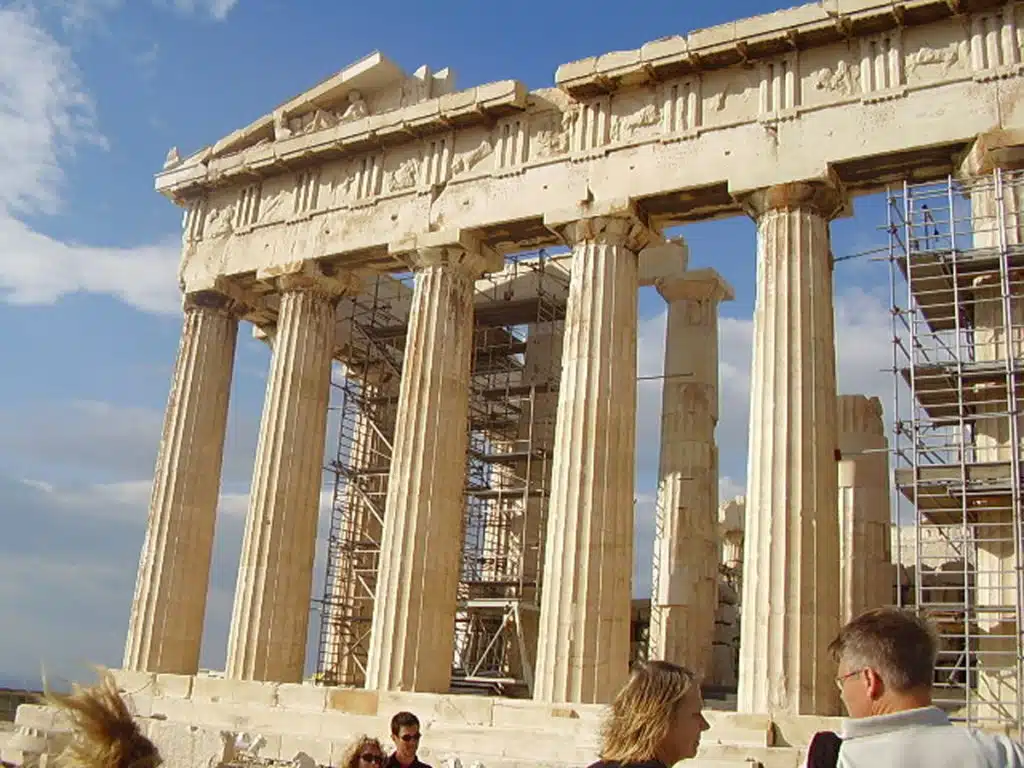
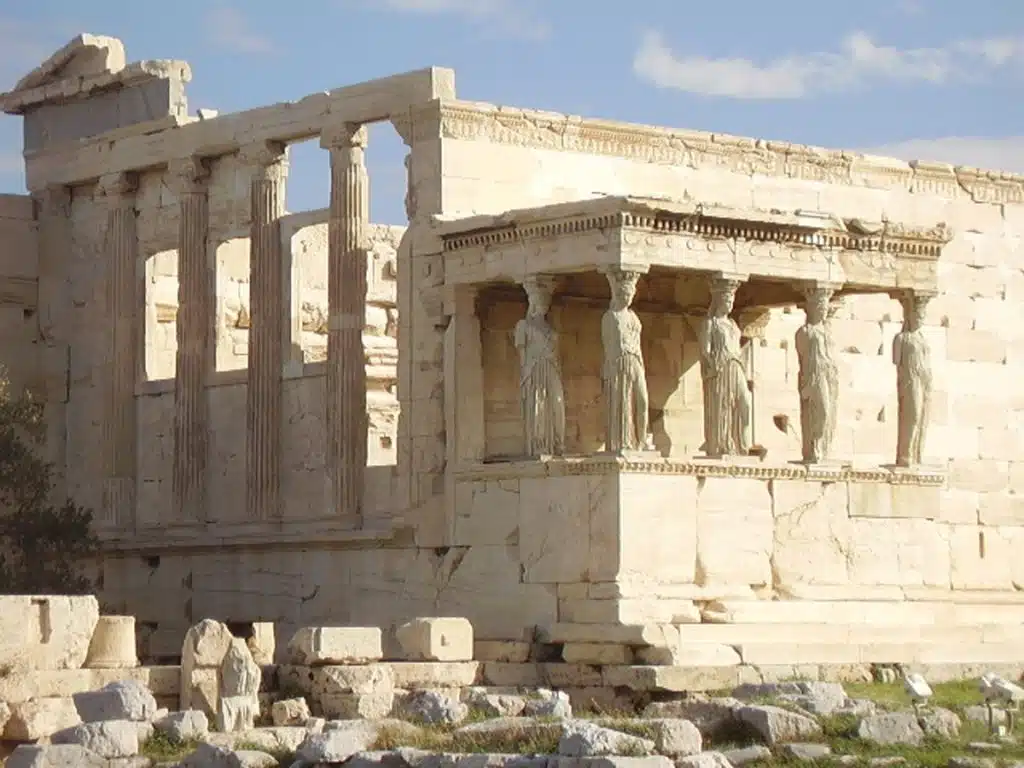
The name Acropolis means “high city”, and the rock can be seen from much of Athens. The temples on top were built in the 5th century BCE. The Parthenon is the best known, but the Erechtheion, with its Porch of the Caryatids, is just as memorable. Legend says the goddess Athena gave the city its first olive tree. Go early, as the site gets crowded.
2. Walk the Ancient Agora
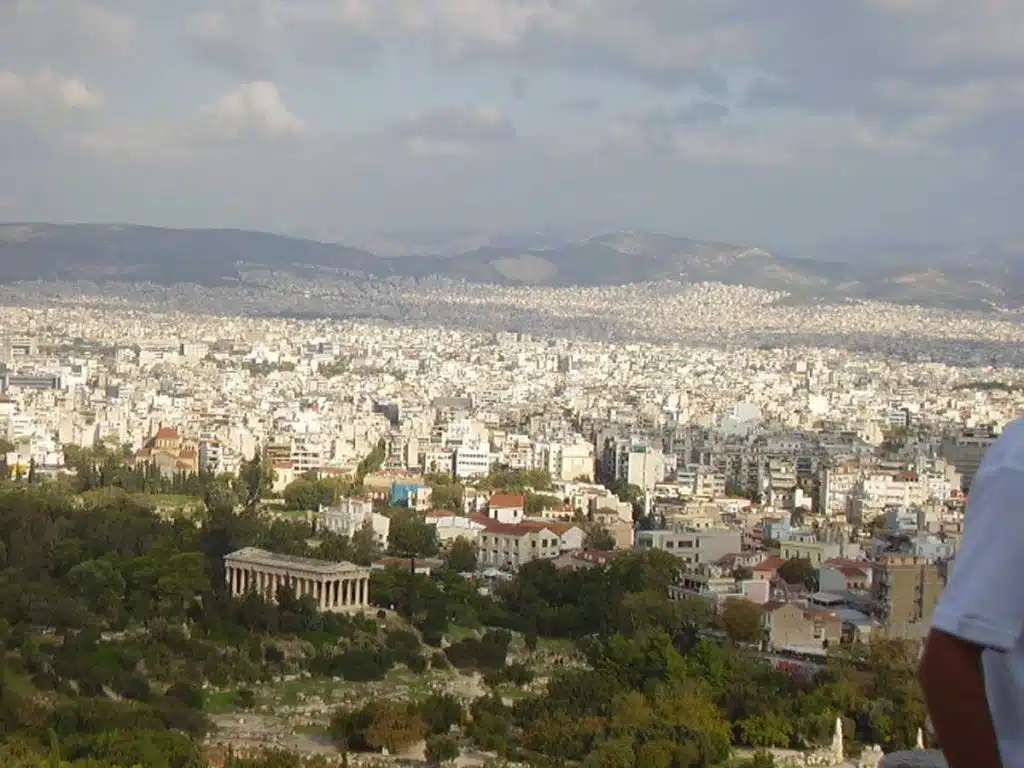
The Agora was the marketplace and meeting place of ancient Athens. It is a good contrast to the Acropolis, because it is greener and quieter. The Temple of Hephaestus is the highlight, one of the best preserved Greek temples anywhere. Allow a couple of hours to walk among the ruins and visit the museum in the reconstructed stoa.
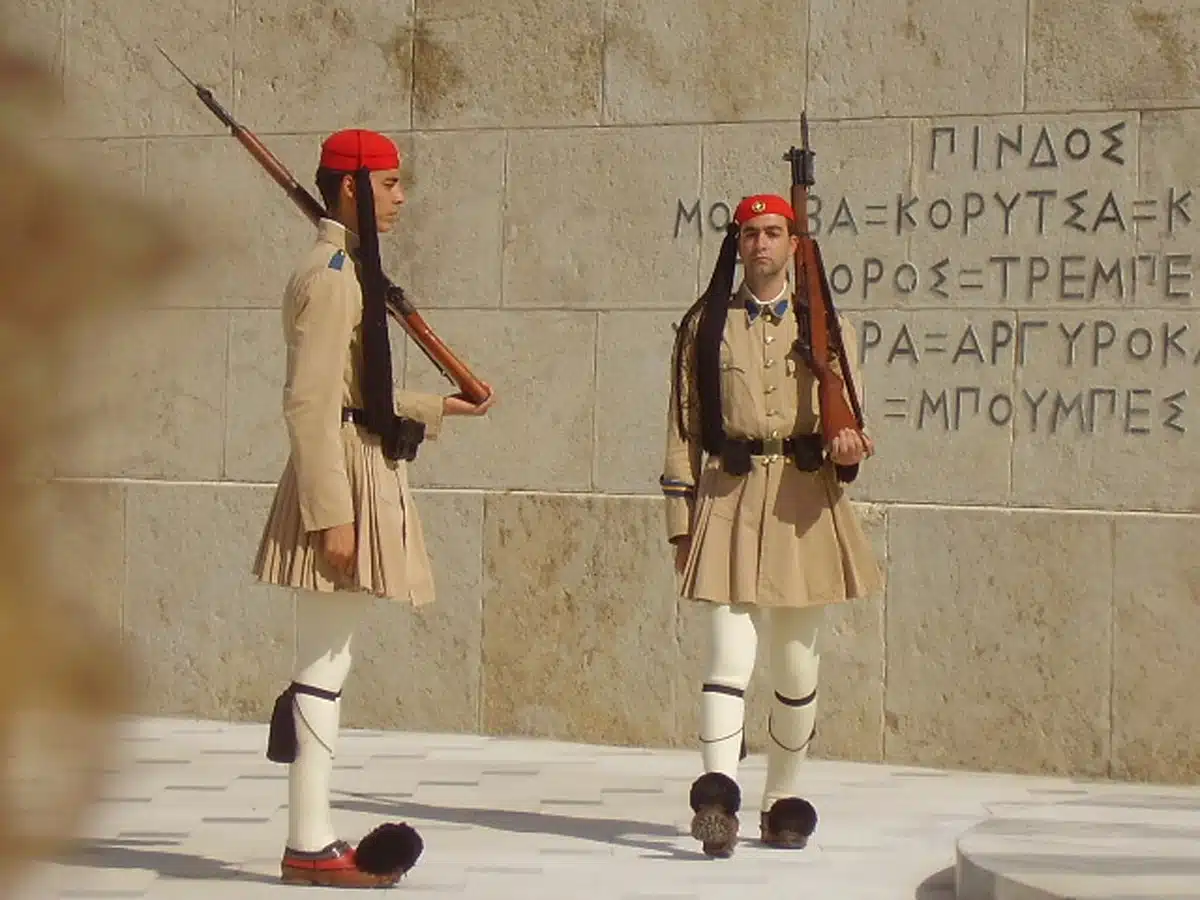
3. Watch the Evzones at Syntagma Square
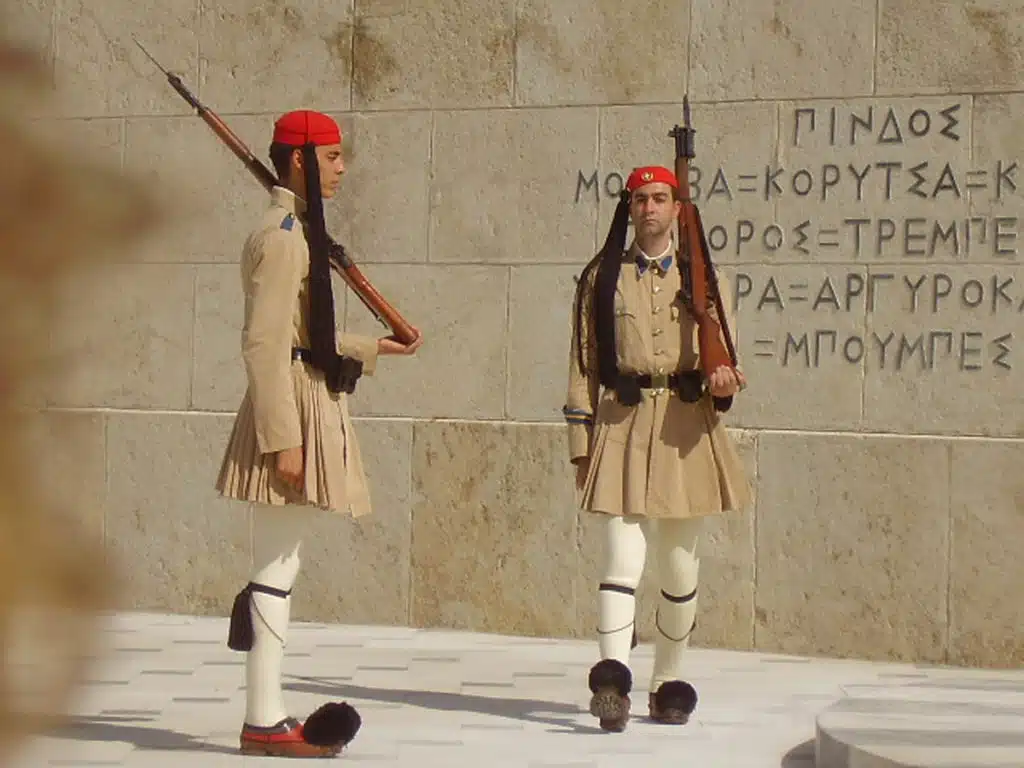
The Evzones are the ceremonial guards who stand in front of the Tomb of the Unknown Soldier, by the Parliament building. Their uniform includes a pleated white kilt and red caps with a long tassel. The changing of the guard is slow and precise, and it is free to watch. It also fits easily into a walk between the Plaka district and the National Garden.
4. Visit the monasteries of Meteora
Near the towns of Kalambaka and Kastraki, in central Greece, tall rock pillars rise above the Thessaly plain. Monasteries stand on top of them, built mainly from the 14th century onwards. Six are still active today, and Meteora is a UNESCO World Heritage Site. Dress modestly, as the monasteries are working religious communities, and check which days each one is closed. Sunset viewpoints are especially popular.
5. Take in Santorini
Santorini is known for white houses on the edge of a flooded volcanic crater. Its name comes from Saint Irene, linked to a church at Perissa. A huge eruption in the Bronze Age shaped the island, and the Minoan town of Akrotiri was buried under ash. Today you can visit the site, walk the cliff path between Fira and Oia, and swim from the black sand beaches.
6. Learn about Mount Athos
Mount Athos is a monastic community on the easternmost finger of the Chalkidiki peninsula. It is one of the holiest places in Orthodox Christianity. Only men may enter, and visitors need a permit arranged well in advance. Most people go by boat from the Chalkidiki coast. Women can see the monasteries from a sightseeing boat that sails along the shore. The monks also produce wine and other local goods.
7. Explore Mycenae
Mycenae sits on a hill in the northeast of the Peloponnese. It was a major centre of Bronze Age Greece, and Homer’s Agamemnon was said to be its king. Enter through the Lion Gate, one of the oldest monumental sculptures in Europe, then look at the royal tombs. The Corinth Canal cuts the Peloponnese off from the mainland, so you could say it is technically an island.
8. Stroll the old harbour of Chania
Chania, on the island of Crete, has a Venetian harbour, an old Ottoman quarter and a lighthouse at the end of the sea wall. The walk from the old port to the lighthouse is easy and pleasant, especially at sunset. Narrow lanes behind the harbour hold small shops, cafes and tavernas. Crete itself has been inhabited for thousands of years, and you can see more in our Crete photo gallery.
9. Visit Delphi
Delphi lies on the slopes of Mount Parnassus. In ancient times it was home to the oracle of Apollo, and people came from across the Greek world to ask for advice. The ruins include the Temple of Apollo, a theatre and a stadium, with wide views over the valley below. The museum holds the famous bronze Charioteer. It is an easy day trip from Athens, though an overnight stay is more relaxed.
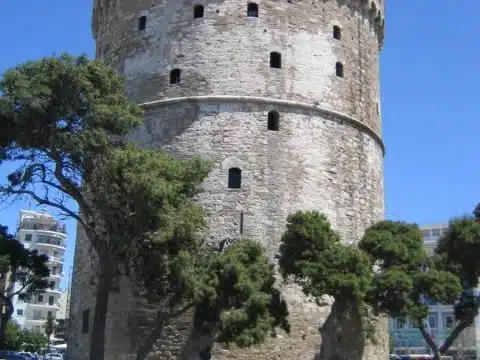
10. Discover Thessaloniki and Kavala
Thessaloniki is Greece’s second city, with a lively waterfront and the White Tower as its symbol. It has Roman monuments, Byzantine churches and a good food scene. Further east, Kavala has an old town on a headland and a harbour with fishing boats. Nearby, the ruins of Philippi are an important site for early Christian history. See more in our Thessaloniki and Kavala pictures.
11. See ancient Olympia
Olympia, in the western Peloponnese, was the birthplace of the ancient Olympic Games. You can walk through the original stadium, see the ruins of the Temple of Zeus and visit the museum. It is a calm, shaded site, with pine trees between the stones. The Olympic flame for the modern Games is still lit here, using the sun’s rays.
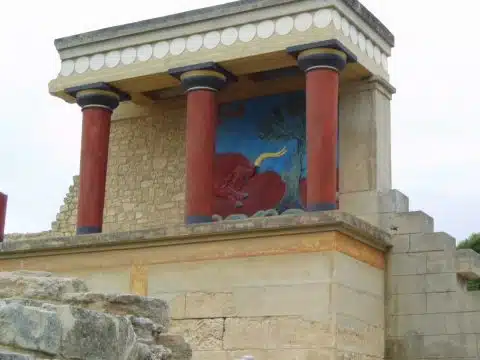
12. Tour the palace of Knossos
Knossos, near Heraklion on Crete, was the centre of the Minoan civilisation. The palace has colourful columns, wall paintings and a maze of rooms that may have inspired the myth of the Labyrinth. Some of the site was reconstructed in the early 20th century, so it helps to take a guide. Pair it with the archaeological museum in Heraklion, which holds many of the finds.
When to visit Greece
The best times to visit are April to early June and September to October. The weather is warm, the sea is pleasant in autumn and the main sites are less crowded. July and August are hot and busy, especially in Athens and on Santorini. Winter is quiet and some island services close, but Athens, Thessaloniki and the mainland sites stay open.
Tips for planning your trip
Athens has the main international airport, and Thessaloniki and several islands have their own airports too. Trains and buses link the big cities, and ferries and short domestic flights connect the islands. A hire car is the easiest way to reach Mycenae, Delphi and Meteora, though buses also serve them. Book ferries and Mount Athos permits ahead in summer, and carry water, sun protection and good walking shoes for the ruins.
Questions about Greece
How many days do you need in Greece?
Ten days to two weeks lets you combine Athens, one or two mainland sites and an island. If you have less time, stay in Athens and add Delphi or Meteora.
Is Greece better for history or beaches?
It is good for both. Athens, Mycenae, Olympia and Delphi cover ancient history, while Crete and the Cyclades have the beaches. Many trips combine the two.
Can women visit Mount Athos?
No. Only men can enter the Mount Athos peninsula and they need a permit. Women can see the monasteries from boats that sail along the coast.
Free photos: Athens (25 photos), Crete (42 photos), Thessaloniki and Kavala (42 photos).