Things to Do in Thessaloniki: 12 Best Sights and Experiences
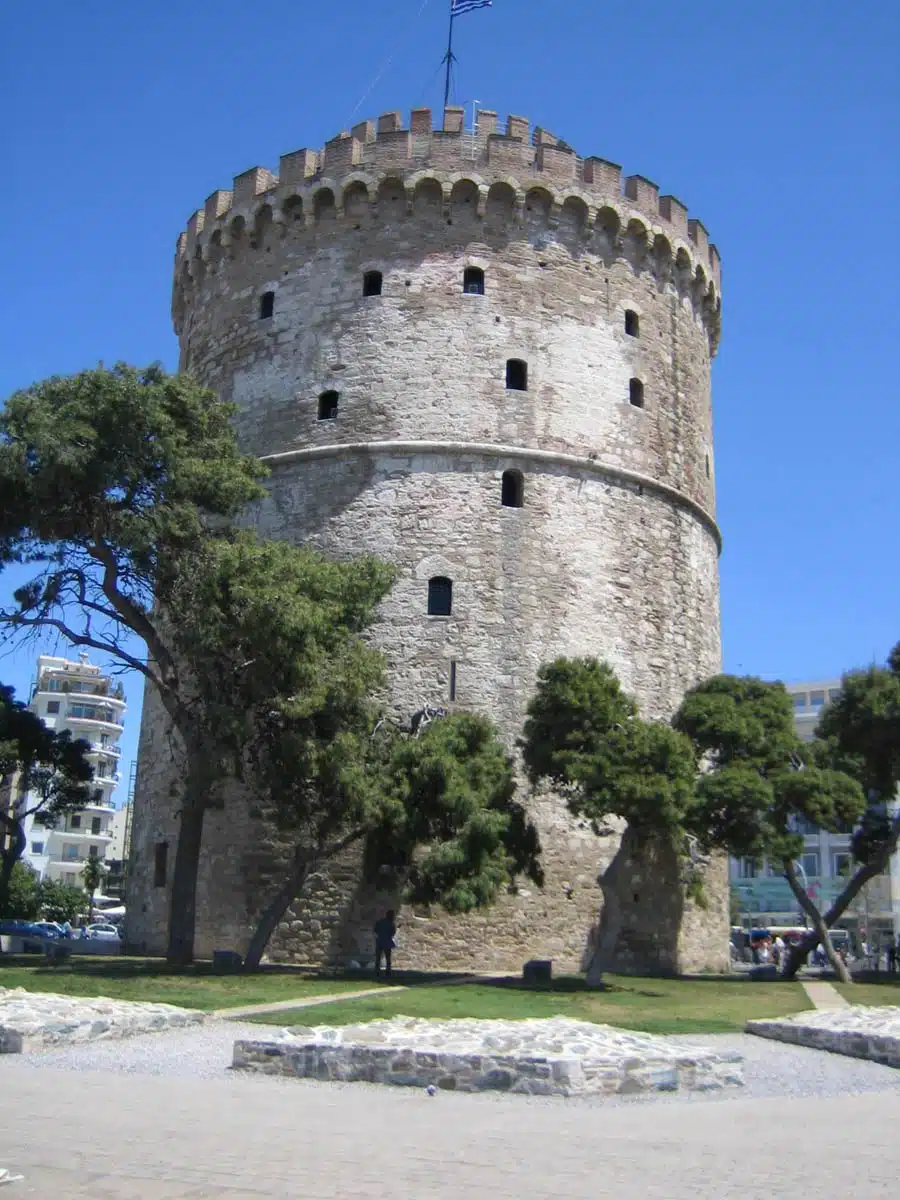
Thessaloniki is Greece’s second city, a busy port on the Thermaic Gulf in the north of the country. Founded in 315 BC and named after a half-sister of Alexander the Great, it mixes Roman monuments, Byzantine churches and a long seafront with student life and some of the best food in Greece.
Most sights are within walking distance, so the city suits a long weekend or a base for northern Greece. Get a feel for it with our free photos of Thessaloniki and Kavala. Here are the 12 best things to do in Thessaloniki, with tips on when to go and how to plan your trip.
1. Climb the White Tower
The round White Tower on the seafront is the symbol of the city. The Ottomans built it in the 15th century to guard the harbour, and it later served as a prison. Today it holds a museum on the city’s history, reached by a spiral ramp, with a roof terrace looking over the bay. You need a ticket, and opening times change between summer and winter.
2. Walk the seafront promenade

The waterfront runs for several kilometres from the port past the White Tower to the eastern suburbs. The New Waterfront section has themed gardens and a cycle path, and it is where locals come for an evening stroll. Look for the bronze statue of Alexander the Great on horseback and the Umbrellas, a tall sculpture by George Zongolopoulos. Go at sunset, when Mount Olympus can be seen across the gulf on clear days.
3. Have a coffee on Aristotelous Square

After a great fire destroyed much of the centre in 1917, the French architect Ernest Hébrard drew up a new plan for the city. Its centrepiece is Aristotelous Square, a wide space running down to the sea and framed by arcaded buildings full of cafes. It is the city’s main meeting point for concerts and New Year celebrations, and a statue of Aristotle stands at the upper end.
4. See the Rotunda and the Arch of Galerius
Around 300 AD the Roman emperor Galerius built a palace complex here. The Arch of Galerius on Egnatia Street, known locally as Kamara, is covered in carved scenes of his wars against the Persians. Just uphill, the massive round Rotunda has served as a mausoleum or temple, a church and a mosque, and its minaret still stands. Inside, look up at the early Christian mosaics in the dome.
5. Visit Hagia Sophia and the Byzantine churches

Fifteen of the city’s early Christian and Byzantine monuments are listed together as a UNESCO World Heritage Site. Hagia Sophia, from the 8th century, has a mosaic of the Ascension in its dome. Seek out smaller churches too, such as Panagia Chalkeon with its striped brick walls and Osios David in the upper town. These are working churches, so dress modestly.
6. Explore the Church of Agios Dimitrios
Agios Dimitrios honours the city’s patron saint, a Roman soldier martyred here in the early 4th century. The large basilica was badly damaged in the 1917 fire and rebuilt, but several early mosaic panels survived. Do not miss the crypt, built over a Roman bath where the saint is said to have been killed. His feast day on 26 October is a major event in the city.
7. Wander through the Roman Forum
A short walk north of Aristotelous Square, the Roman Forum was uncovered in the 1960s when work began on a new courthouse. You can see the paved square, the remains of shops and a small odeum, or theatre. An underground gallery called the Cryptoporticus and a small museum explain how the forum worked.
8. Spend a morning at the Archaeological Museum
The Archaeological Museum of Thessaloniki is one of the most important in Greece. Its themed galleries cover life in ancient Macedonia, from prehistoric times to the Roman city. Highlights include the bronze Derveni Krater, decorated with figures of Dionysus, and gold jewellery and wreaths from ancient tombs. Allow two to three hours. A ticket is needed.
9. Discover the Museum of Byzantine Culture
Thessaloniki was the second city of the Byzantine Empire, and this museum, close to the Archaeological Museum, tells that story. Its modern building presents icons, wall paintings, mosaics, coins and everyday objects from early Christian to post-Byzantine times. The clear displays help you understand the churches you see around town. Opening times change by season.
10. Climb to Ano Poli and the Heptapyrgio
Ano Poli, the upper town, largely escaped the 1917 fire. Its steep lanes have old houses, small churches and good-value tavernas. Follow the Byzantine walls up to the Heptapyrgio, also called Yedi Kule, a fortress that served as a prison until 1989. The view over the rooftops to the bay is best late in the afternoon.
11. Eat your way through the markets and Ladadika

Thessaloniki is known across Greece for its food. Kapani market, near Aristotelous Square, is a maze of stalls selling fish, olives, spices and cheese. The 1920s Modiano covered market has been restored and reopened as a food market with places to eat. In the evening, head to Ladadika, an old warehouse district near the port now full of tavernas and ouzo bars. For breakfast, try bougatsa, a pastry filled with custard or cheese.
12. Take a day trip to Vergina (Aigai)
About an hour’s drive west, Vergina is the site of Aigai, the first capital of ancient Macedon and a UNESCO World Heritage Site. Inside a large earth mound, an underground museum shows the royal tombs, one linked to Philip II, father of Alexander the Great. The restored Palace of Aigai reopened in 2024. Buses run to nearby Veria, but a car or tour is easier.
When to visit Thessaloniki
Spring (April to June) and autumn (September and October) are the best times to visit, when it is warm but comfortable for walking. July and August are hot and humid, and many locals leave for the beaches of Halkidiki. Winters are cool and can be windy, but the city stays lively thanks to its students. Big events include the Thessaloniki International Fair in September and the film festival in November.
Tips for planning your trip
Thessaloniki Makedonia Airport has flights from many European cities, and the X1 bus links it with the centre and the main coach station. Trains run to Athens. The compact centre is best seen on foot, and a new driverless metro runs from the railway station to the eastern districts and Kalamaria. Plan two or three days for the city, plus extra days for Vergina, Halkidiki or Mount Olympus. Opening times change between summer and winter, so check before you go. For a longer trip, our guide to the essential places to visit in Greece and our Greece pictures can help you choose where to go next.
Questions about Thessaloniki
How many days do you need in Thessaloniki?
Two full days are enough to see the main sights, museums and the upper town. Add a third day for a trip to Vergina or a beach in Halkidiki.
Can you swim in Thessaloniki?
The bay along the city seafront is not a place for swimming. Locals go to beaches south east of the city or drive to Halkidiki, which is about an hour away.
Is Thessaloniki easy to explore on foot?
Yes, the centre is flat and most sights lie between the seafront and Egnatia Street. Only Ano Poli is steep, so take a taxi up and walk back down.


