Best Time to Visit Riga: Seasons, Weather, Crowds and Festivals

The best time to visit Riga is from late May to early September, when the days are long, the weather is mild and café terraces fill the Old Town. June is the favourite for many visitors, with light evenings that last until close to midnight and the midsummer holiday of Līgo and Jāņi. For a Christmas market and quiet, cosy sightseeing, come in December.
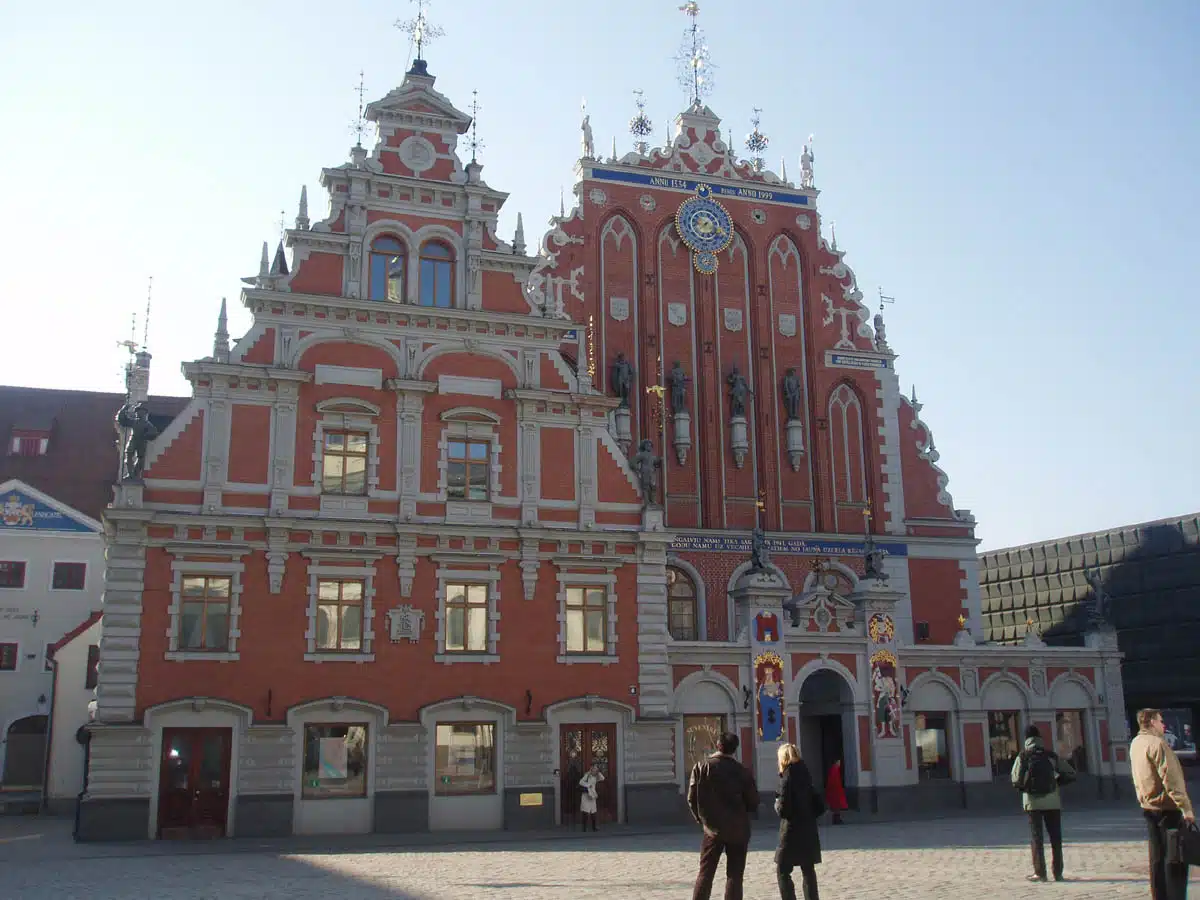
This guide goes through Riga season by season: the weather, the crowds, what is good to do and what is harder. It also lists the festivals worth timing a trip for, and gives practical planning tips. To see the city before you go, browse our free photos of Riga.
Best time to visit Riga at a glance
- Best overall: June to August, for long days, warm weather and outdoor events.
- Best for good weather: July, the warmest month, with an average of around 18°C.
- Best for fewer crowds and lower demand: May and September, mild months with fewer tour groups than midsummer.
- Best for the beach: July and August, for day trips to the sandy coast at Jūrmala.
- Best for festivals: June for midsummer, and December for the Christmas market on Dome Square.
- Time to avoid: January to March, if you dislike cold, short days, slush and icy pavements.
Spring (March to May)
Spring comes slowly to Riga. March often still feels like winter, with night frosts and leftover snow, and April is cool and changeable. May is when the city wakes up. The trees in the parks along the city canal turn green, café terraces open again and the evenings grow long. It is a good time to walk the Old Town and the Art Nouveau streets of the Quiet Centre before the summer groups arrive.
Pack layers, as a sunny morning can turn into a cold, windy afternoon. In May, look out for the Riga Marathon and Museum Night, when museums stay open late. 4 May, Restoration of Independence Day, is a public holiday, so expect some closures and busier parks.
Summer (June to August)

Summer is high season. July is the warmest month, with an average of around 18°C and warmer afternoons, and June has very long days. Summer is also the wettest part of the year, so expect sudden showers and the odd thunderstorm. The Old Town is busiest in July and August, when tour groups and cruise passengers fill the squares and hotels are in highest demand.
Midsummer, on 23 and 24 June, is the biggest holiday of the year. Many locals leave for the countryside, so the city feels quiet and some businesses close. For a beach day, take the train to Jūrmala, less than an hour away, but expect the Baltic Sea to feel cool. In August, the Riga City Festival fills the streets with concerts and markets.
Autumn (September to November)

September is often mild and settled, with fewer visitors and the summer crowds gone. It is one of the best months for a city break. October brings golden parks but also more rain, cooler days and earlier sunsets. The Riga International Film Festival takes place in October.
November is grey and dark, yet it is when Latvia celebrates its statehood. On Lāčplēsis Day, 11 November, people place candles along the castle wall by the river, and Independence Day follows on 18 November. Around these dates, the Staro Rīga light festival usually turns buildings, parks and bridges into light installations. From October, bring a waterproof jacket and warm layers.
Winter (December to February)

Winter is cold and short on daylight. January averages around minus 3°C, and in December the sun sets in mid-afternoon. Snow is common but not guaranteed, and slush and icy pavements are more usual than deep drifts, so pack shoes with good grip.
December is the busy exception. The Christmas market on Dome Square, with wooden stalls, hot drinks and crafts, runs from late November or early December into early January. A plaque on Town Hall Square marks the story that Riga set up one of the first decorated Christmas trees, in 1510. January and February are the quietest months and the best value, good for museums, concerts, the opera and long lunches in warm cafés.
Festivals and events by month
- May: Riga Marathon, a big running weekend with races through the city centre and across the Daugava.
- May: Museum Night, when museums across Riga open late into the evening.
- June: Riga Opera Festival, a highlight of the season at the Latvian National Opera.
- June: Līgo and Jāņi, the midsummer festival with flower wreaths, folk songs and bonfires.
- August: Riga City Festival, celebrating the city’s birthday with concerts, markets and events in the streets.
- October: Riga International Film Festival, with screenings in cinemas around the city.
- November: Lāčplēsis Day, Independence Day and the Staro Rīga light festival.
- December: Christmas market on Dome Square, with stalls, crafts and seasonal food.
Tips for planning your trip
Book well ahead for midsummer, July and August, and December weekends, when hotels in the Old Town fill up fast, and plan early if you want to stay in Jūrmala in summer. Pack layers and a rain jacket at any time of year, and warm boots, a hat and gloves from November to March. Riga is often milder in winter than eastern Latvia, while the coast can feel cool and windy even in early summer. If you plan a day trip to Sigulda and the Gauja valley, late September and October bring the best autumn colours. Airlines add extra routes in summer, and boat trips on the city canal mostly run in the warmer months. Check your government’s current travel advice before you travel. For ideas on how to fill your days, see our guide to things to do in Riga.
Questions about visiting Riga
What is the cheapest month to visit Riga?
January and February usually have the lowest demand for hotels and flights, outside the New Year holiday. Early spring and November are also good value.
Is Riga worth visiting in winter?
Yes, especially in December, when the Christmas market and lights make the Old Town festive. It is cold and dark, but museums, concerts and cafés keep the city lively.
What is the rainiest month in Riga?
Rain falls all year, but July and August usually bring the most, often as short, heavy showers. Late winter and early spring are usually the driest months.
