10 Most Beautiful Islands in Croatia to Visit

This guide covers the most beautiful islands in Croatia, from the bare, rocky Kornati in the north of Dalmatia to green Mljet and little Lokrum near Dubrovnik. Croatia has more than a thousand islands, islets and reefs, and each one is a little different: old stone towns, pine woods, quiet coves and some of the clearest water in the Mediterranean.
We have picked islands you can reach by public ferry, catamaran or a short boat trip, and our photographers have been to several of them. You can browse more of their work in our free island pictures. Here are 10 of the most beautiful islands in Croatia, with tips on visiting them.
1. Kornati Islands, Croatia
The Kornati National Park protects 89 islands, islets and reefs off the coast between Zadar and Šibenik. The islands are almost bare, with pale rock, dry stone walls and steep cliffs facing the open sea. There are no towns, only a few stone houses and small restaurants in the bays. You need a park ticket to sail in. The easiest way is a day trip by boat from Murter, Zadar or Šibenik, as many tours include the ticket. Read our Kornati National Park guide for more detail.
2. Hvar, Croatia
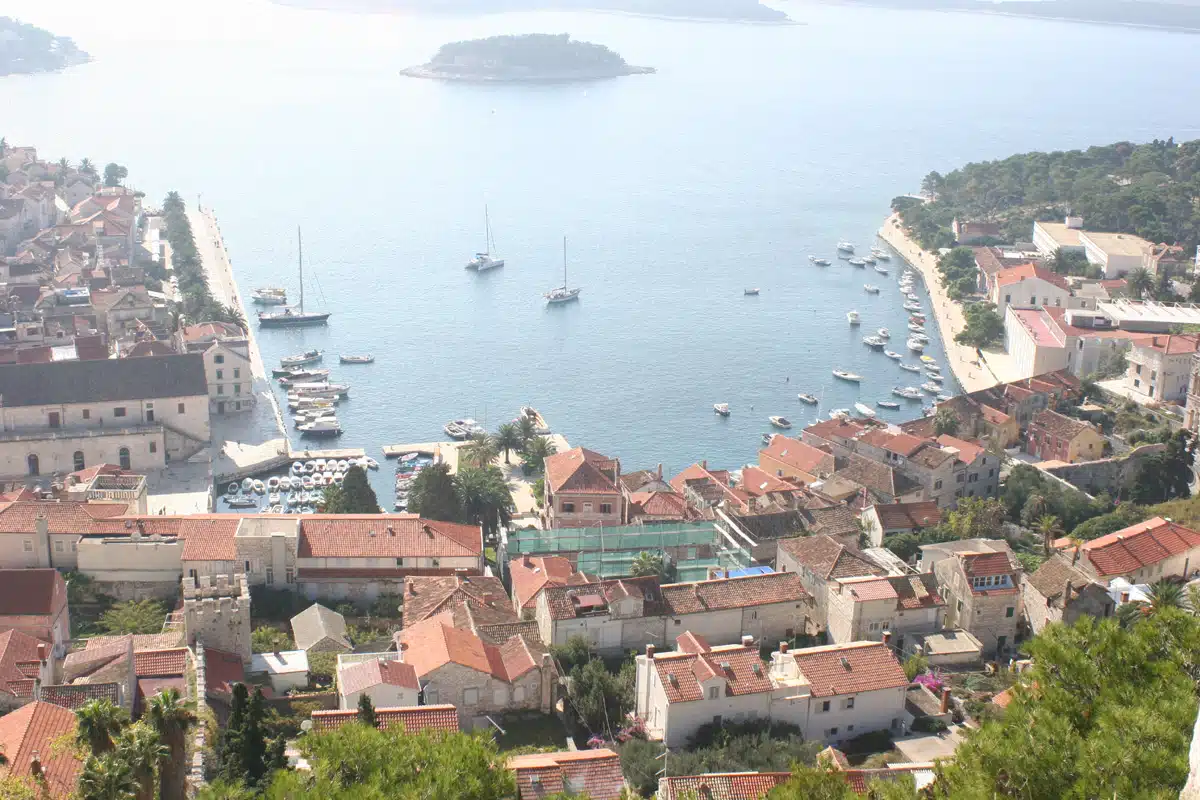
Hvar is one of the sunniest islands in Croatia. Hvar town has a large main square, a harbour full of boats and the Fortica fortress on the hill above, which you pay to enter. The view from the top takes in the town and the Pakleni islands. Inland, the Stari Grad Plain is a UNESCO World Heritage site, a farming landscape laid out by Greek settlers in the 4th century BC. Ferries and catamarans run from Split. See our list of things to do in Hvar.
3. Pakleni Islands, Croatia

The Pakleni islands are a chain of small, wooded islands just off Hvar town. They have pine trees, rocky coves and a few beach restaurants. Palmižana on Sveti Klement is the best known spot, and Jerolim and Marinkovac are popular for swimming. In summer, taxi boats leave from the Hvar town waterfront and take only a short time to cross. Check the last boat back before you settle in for the day, and bring water and shade.
4. Lokrum, Croatia
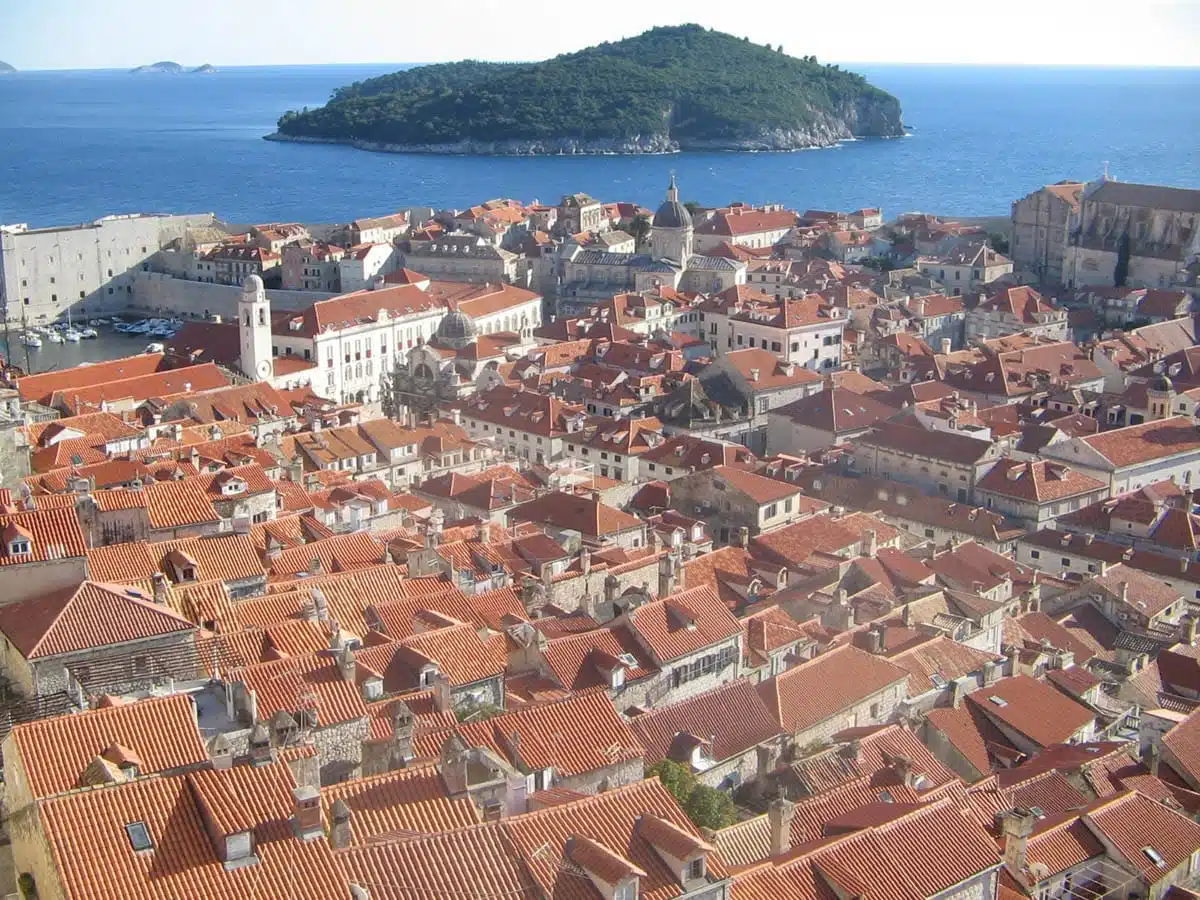
Lokrum is a small, forested island just across the water from Dubrovnik’s old town. It is a protected nature reserve with a ruined Benedictine monastery, a botanical garden, peacocks and a small salt lake called the Dead Sea. The rocks along the shore are good for swimming. The official boat leaves from Dubrovnik’s Old Port and the crossing takes about 15 minutes. It runs from spring to autumn, and your ticket includes entry to the reserve. Nobody may stay overnight, so note the time of the last boat.
5. Zlarin, Croatia

Zlarin is a small, quiet island in the Šibenik archipelago, famous for its long history of coral diving and coral jewellery. Cars are not allowed, so you walk or cycle between the village, the pine woods and the coves. The harbour with its long seafront is the heart of island life, and a coral centre tells the island’s story. Passenger boats from Šibenik take about 25 minutes. It makes an easy day trip, or a calm base for a few nights. Read more about the island of Zlarin.
6. Vis, Croatia
Vis lies further out to sea than most Dalmatian islands, and it feels quieter and less built up. The two towns, Vis and Komiža, have stone houses on the harbour and good fish restaurants. Stiniva, a cove enclosed by tall cliffs, is one of the best known beaches in Croatia. From Komiža, small boats go to the island of Biševo to see the Blue Cave, where sunlight turns the water bright blue around midday. You need a ticket for the cave, and visits stop when the sea is rough. Ferries and catamarans run from Split.
7. Korčula, Croatia
Korčula town sits on a small peninsula, surrounded by old walls and towers. Its streets are laid out in a herringbone pattern, which keeps out strong winds and lets in cool air. The town claims to be the birthplace of Marco Polo, and you can still see the sword dance called moreška in summer. The rest of the island has vineyards, olive groves and small bays. Fast passenger catamarans connect Korčula town with Split and Dubrovnik in season, and a short car ferry crosses from Orebić on the Pelješac peninsula.
8. Mljet, Croatia
Mljet is one of the greenest islands in the Adriatic, largely covered in pine and oak forest. The western part is a national park with two saltwater lakes, Veliko Jezero and Malo Jezero. A boat takes you to St Mary’s islet in the big lake, where a Benedictine monastery stands among the trees, and the trip is included in the park ticket. You can walk or rent a bike to go around the lakes. Seasonal passenger boats from Dubrovnik make a day trip possible, but staying a night gives you more time.
9. Brač, Croatia
Brač is the largest island in Dalmatia and the closest big island to Split. Its best known sight is Zlatni Rat near Bol, a long pebble beach that reaches out into the sea and changes shape with the wind and waves. Vidova Gora, above Bol, is the highest peak on any Adriatic island, with wide views over Hvar. Brač stone has been quarried for centuries. Car ferries run from Split to Supetar, while passenger catamarans go to Bol, which is closer to the beach.
10. Lošinj, Croatia
Lošinj is in the Kvarner Gulf in the north of Croatia. It is known for its mild climate, pine forests and long seaside paths. Mali Lošinj has a deep, sheltered harbour lined with colourful houses. A resident group of bottlenose dolphins lives in the waters around the island, and local groups work to protect them. To get there by car, cross the bridge to Krk, take the ferry to Cres and drive south over the small bridge at Osor. Boat lines also connect Mali Lošinj with Rijeka.
Tips for visiting
Plan your island trip around the ferry and catamaran routes, as they decide how easily you can move between places. Split, Dubrovnik, Šibenik, Zadar and Rijeka are the main ports. Timetables change by season and boats run less often from autumn to spring, so check them shortly before you travel. In July and August, buy tickets in advance and arrive early for car ferries. Carry some cash for small villages, where cards are not always accepted, and bring water shoes for rocky beaches. National parks such as Kornati and Mljet need a ticket. Croatia is part of the Schengen area, so check your government’s current travel advice and entry rules before you go.
Questions about the most beautiful islands in Croatia
Which Croatian island is best for a first visit?
Hvar and Brač are easy choices, as both are close to Split and have frequent boats. If you are based in Dubrovnik, Lokrum and Mljet make good day trips.
When is the best time to visit the Croatian islands?
June and September give warm sea water, fewer crowds than high summer and a full boat timetable. Many hotels, restaurants and boat trips close or run less often in winter.
Do I need a car on the Croatian islands?
Not for small islands such as Zlarin, Lokrum or the Pakleni islands, which you explore on foot. On larger islands such as Brač, Korčula or Lošinj, a car or scooter helps you reach beaches and villages away from the main town.


