Things to Do in San Francisco: 12 Best Sights and Experiences
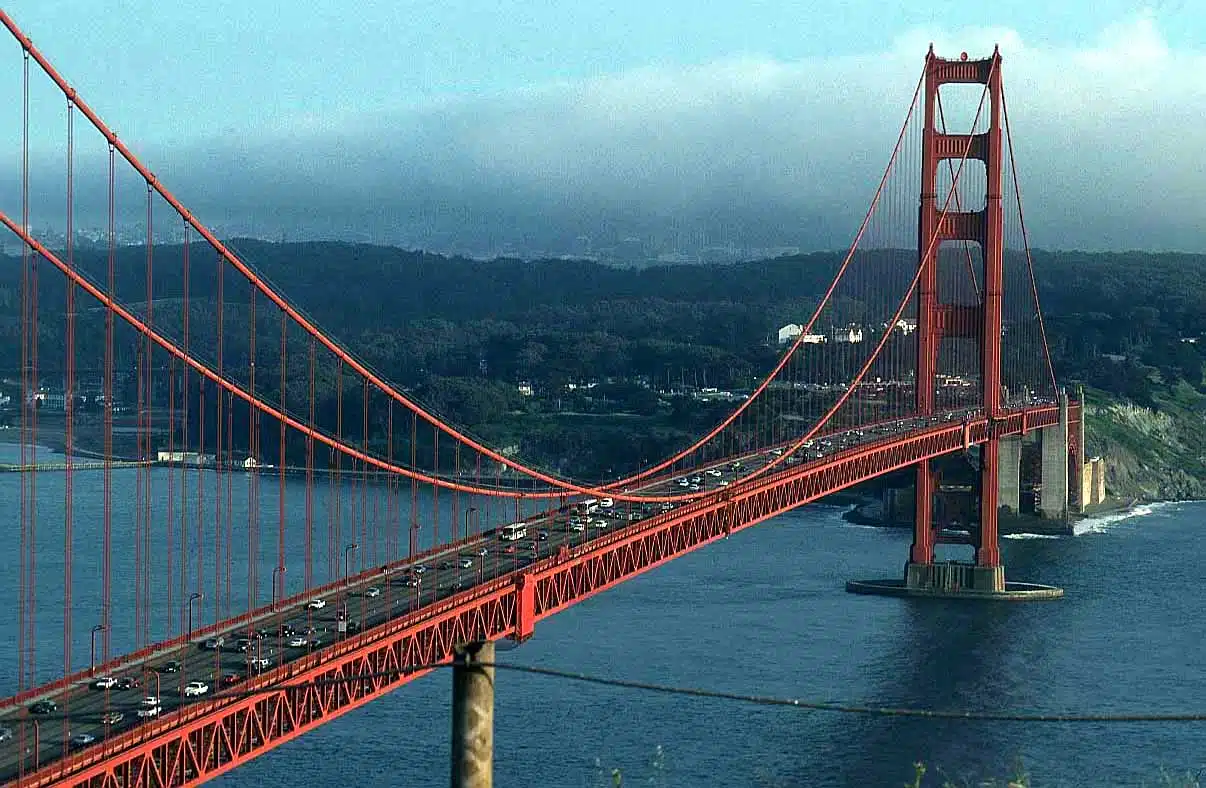
San Francisco sits on the tip of a hilly peninsula in Northern California, between the Pacific Ocean and San Francisco Bay. It is a compact city of steep streets, Victorian houses, cable cars and sea views, with the Golden Gate Bridge and Alcatraz close by.
Before you go, browse our free photos of San Francisco to get a feel for the city. Here are the 12 best things to do in San Francisco, with tips on when to go and how to plan your trip.
1. Walk across the Golden Gate Bridge
The bridge opened in 1937 and its orange towers are the city’s best-known sight. People on foot use the east sidewalk, which starts near the Welcome Center at the southern end. Crissy Field, a flat path along the bay, leads there from the Marina. For the classic view, go to the Marin Headlands on the north side, or stand under the bridge at Fort Point.
2. Take the ferry to Alcatraz

Alcatraz was a military fort and then a federal prison until 1963. Today the National Park Service runs it, and the only way to visit is on the official ferry from Pier 33. Tickets often sell out, so book well ahead. The best part is the audio tour of the cellhouse, with the voices of former guards and inmates. Plans announced in 2025 for the island’s future could affect visits, so check the latest news before you book.
3. Ride a cable car

Three cable car lines still run: Powell-Hyde, Powell-Mason and California Street. The Powell lines start at the turntable at Powell and Market Streets, near Union Square, where queues can be long. The California Street line is usually quieter. Pay with a Clipper card or the MuniMobile app. The free Cable Car Museum on Mason Street shows the cables and wheels that pull the cars.
4. See Lombard Street and Russian Hill

The famous crooked block of Lombard Street runs between Hyde and Leavenworth Streets, with eight tight bends lined by flowers. Cars can only drive down, but it is better on foot: take the steps on either side and look back up from the bottom. The Powell-Hyde cable car stops at the top. Spend some time on Russian Hill too, where quiet streets like Greenwich Street drop steeply towards the bay.
5. Fisherman’s Wharf and the sea lions at Pier 39
Fisherman’s Wharf is busy and full of tourists, but it is fun for a few hours. At Pier 39, sea lions have rested on the floating docks since around 1990, and you can watch them for free. Their numbers change through the year. The pier also has a carousel, shops and the Aquarium of the Bay. Try clam chowder in a sourdough bread bowl.
6. Hyde Street Pier and Ghirardelli Square
At the western end of the Wharf, Hyde Street Pier is part of San Francisco Maritime National Historical Park. Historic ships are moored here, including the Balclutha, a square-rigged sailing ship from 1886. You need a ticket to go on board. Next door, Ghirardelli Square is a former chocolate factory with shops and cafés, and views over Aquatic Park.
7. Chinatown and North Beach
San Francisco’s Chinatown is one of the oldest in North America. Enter through the Dragon Gate on Grant Avenue and wander the side streets, bakeries and temples. Walk north into North Beach, the old Italian quarter, for coffee, focaccia and pasta. City Lights Bookstore on Columbus Avenue was a centre of the Beat writers in the 1950s and is still open.
8. Coit Tower and Telegraph Hill
Coit Tower stands on top of Telegraph Hill above North Beach. It was built in 1933, and the lobby has murals from the 1930s showing life and work in California. You need a ticket for the lift to the top, where you can see the bridges, the bay and downtown. Walk down the Filbert Steps on the east side, past gardens and wooden cottages, to reach the Embarcadero.
9. The Ferry Building and the Embarcadero
The Ferry Building, with its clock tower from 1898, is now a food hall with local bakeries, cheese shops, oyster bars and coffee. A farmers’ market is held outside several days a week and is busiest on Saturday mornings. Ferries leave from here for Sausalito and Oakland, across the bay. Walk along the Embarcadero for views of the Bay Bridge.
10. The Painted Ladies and Victorian houses

The Painted Ladies are a row of colourful Victorian houses on Steiner Street, facing Alamo Square park. Sit on the grass for the famous view of the houses with downtown behind them. People live in these houses, so keep the noise down and stay off the steps. Many more Victorian houses survive in Pacific Heights, Haight-Ashbury and the streets around Buena Vista Park.
11. Watch the city from Twin Peaks
The two Twin Peaks rise to about 280 metres near the centre of the city and give the widest view over San Francisco. From Christmas Tree Point you look down Market Street to downtown, the Bay Bridge and the bay. Part of the road to the top is now closed to cars and open to people walking and cycling. Bring a jacket, as it is often windy.
12. Murals and palm trees in the Mission
The Mission District is the city’s old Latino neighbourhood and one of its sunniest. See the murals in Balmy Alley and Clarion Alley, then visit Mission Dolores, finished in 1791 and the oldest building in San Francisco that is still intact. Walk along palm-lined Dolores Street to Mission Dolores Park, where locals meet on sunny days. Finish with a burrito from a local taquería.
When to visit San Francisco
San Francisco is mild all year, but it is rarely hot. September and October are often the warmest and clearest months. Summer brings cool fog, especially near the ocean and the Golden Gate, and the bridge can disappear for hours. Winter is the rainy season but still mild, with fewer crowds, and Alcatraz tickets are easier to get. The weather can change quickly from one neighbourhood to the next, so dress in layers in any season.
Tips for planning your trip
Most visitors fly into San Francisco International Airport (SFO), and BART trains link it to downtown. You do not need a car in the city. Walk, and use Muni buses, trams and cable cars with a Clipper card on your phone or a Muni Visitor Passport. Thieves often break into cars, so never leave anything where it can be seen. A car is useful for day trips to Muir Woods, Napa or the coast. Read our guide on how to hire a car abroad. Three or four days is enough for the main sights. Check your government’s current travel advice and US entry rules before you go. Planning a longer US trip? See our Chicago travel guide too.
Questions about San Francisco
How many days do you need in San Francisco?
Three days is enough for the bridge, Alcatraz, the cable cars and a few neighbourhoods. Add a day or two for Muir Woods, Sausalito or the wine country.
Do you need to book Alcatraz in advance?
Yes. Tickets often sell out, especially in summer and at weekends. Only buy from the official ferry company, which leaves from Pier 33.
Can you walk across the Golden Gate Bridge?
Yes. People on foot use the east sidewalk, and the times it is open change with the season. Bring a warm layer, as it is often windy.


