Best Time to Visit India: Seasons, Weather, Festivals and Crowds Month by Month

The best time to visit India for most trips is October to March. The monsoon has gone, the plains of the north and Rajasthan are dry and warm rather than hot, and the beaches of Goa and Kerala are at their best. The big exception is the Himalaya: Ladakh is best from June to September, when the high roads are open.
This guide goes through India’s seasons one by one: the weather, the crowds, what is open or closed, and the festivals worth timing a trip for. It ends with planning tips and answers to common questions. You can also browse our free photos of India from Varanasi, Mumbai, Agra, Ajanta and Ellora.
Best time to visit India at a glance
- Best overall: November to February, dry and sunny across most of the country.
- Best for good weather: December and January for Goa and Kerala, February and March for the north before the heat.
- Best for fewer crowds and lower demand: October before Diwali, or late February and March after the winter peak.
- Best for the Himalaya and Ladakh: June to September, when the road from Manali to Leh is usually open.
- Best for tiger safaris: March to June, as most core zones of tiger reserves close from July to September.
- Time to avoid: April to June on the plains for the heat, and July and August for beaches because of heavy rain.
Winter (December to February)
This is peak season. The north is dry and sunny, with days around 20°C in Delhi in January and cold nights, so bring a warm layer. Goa and Kerala are warm and dry, which is ideal for beaches and the backwaters. The catch in the north is fog. Dense fog is most common from late December to the third week of January, and it can delay flights and trains by hours and hide the Taj Mahal at dawn. Christmas and New Year are the busiest weeks of the year in Goa and Rajasthan, so book early. In the mountains the high passes are snowed in and the road to Ladakh is closed. Delhi holds its Republic Day parade on 26 January.
Summer (March to May)

March is still pleasant in most places and brings Holi, the festival of colours. After that the heat builds fast. By May, Delhi averages around 40°C by day, and sightseeing in Agra, Rajasthan or Varanasi means early starts and long afternoon breaks. This is the best time for tiger safaris, because animals come to the waterholes and the dry forest is easier to see through. Indian families head to hill stations such as Shimla, Manali and Darjeeling during the school holidays in May and June, so these get busy. The road from Manali to Leh usually opens in late May or early June.
Monsoon (June to September)
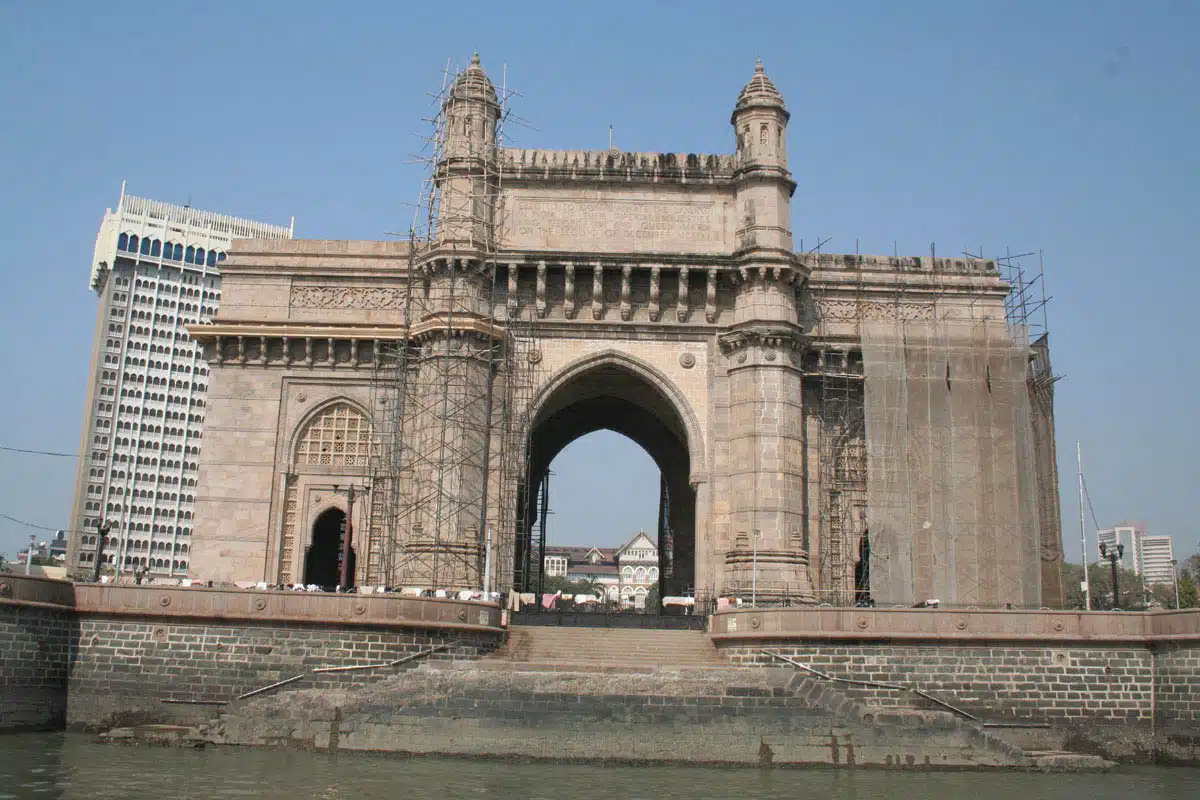
The southwest monsoon normally reaches Kerala around 1 June and spreads over the whole country by early to mid July. It starts to retreat from the northwest in mid September and has usually gone by mid October. Mumbai and the west coast get the heaviest rain. In Goa most beach shacks are taken down and swimming is not allowed on most beaches. In Varanasi the Ganges rises, the lower ghats flood and boat rides are often suspended. Most tiger reserve core zones close from July to September. On the plus side, the Western Ghats turn green, hotels are quieter, and Ladakh has its best weather. Ganesh Chaturthi fills Mumbai in August or September, and Kerala celebrates Onam.
After the monsoon (October and November)
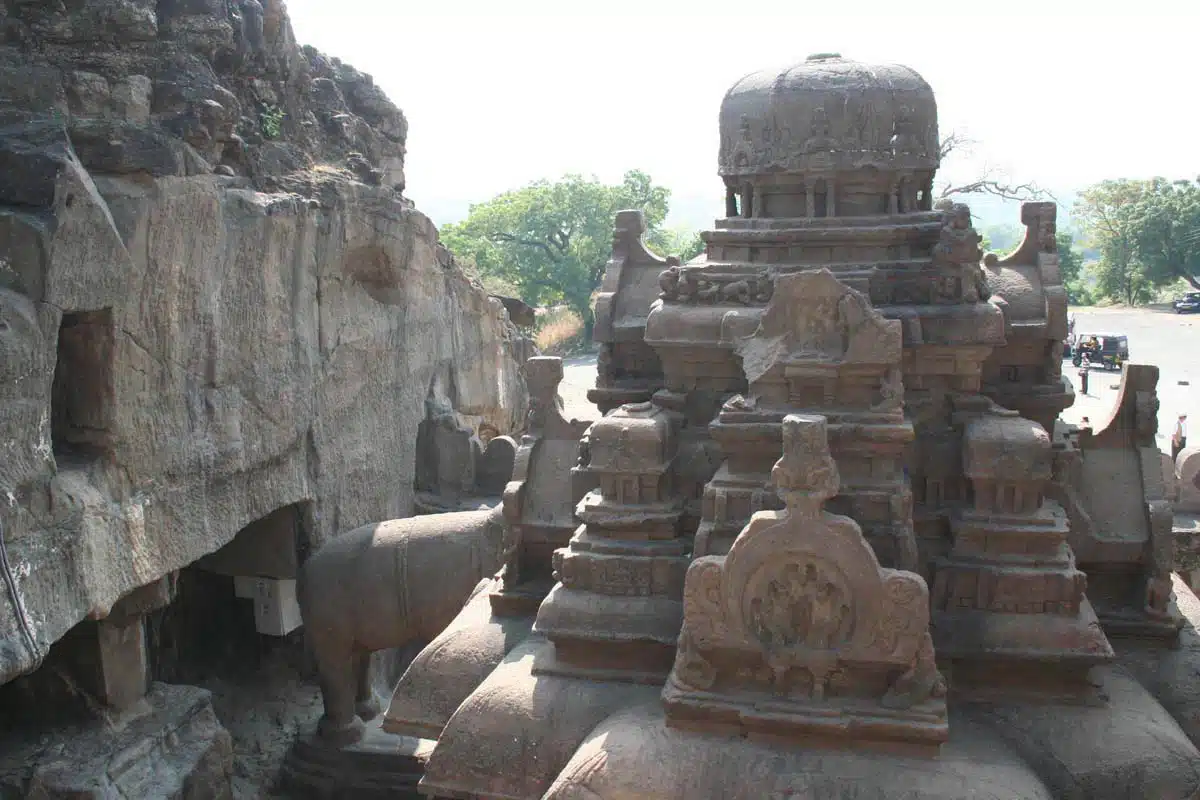
These are some of the best months of all. The rain has cleared from most of the country, the landscape is still green, skies are clear and the heat eases week by week. It is a good time for the cave temples of Ajanta and Ellora, for Rajasthan and for Varanasi. It is also festival season: Durga Puja, Diwali, the Pushkar Camel Fair and Dev Deepawali all fall in these months, and Diwali week is a peak time for domestic travel. Beach shacks in Goa reopen in October and November. The exception is the southeast: Tamil Nadu and Chennai get most of their rain from October to December, and cyclones can hit the east coast. The road to Leh usually closes by mid October.
Festivals and events by month

- January: Republic Day, a large military and cultural parade in New Delhi on 26 January.
- February or March: Holi, the spring festival of colours, loudest in the north around Mathura, Vrindavan and Varanasi.
- August or September: Ganesh Chaturthi, ten days of street shrines in Mumbai ending with idols carried into the sea.
- September or October: Durga Puja, when Kolkata fills with themed pavilions and the city stays up late.
- October or November: Diwali, the festival of lights, with lamps, fireworks and family visits across India.
- October or November: Pushkar Camel Fair in Rajasthan, a livestock fair and pilgrimage on the edge of the desert.
- November: Dev Deepawali in Varanasi, when the ghats are lit with lamps on the full moon about two weeks after Diwali.
- December: Hornbill Festival near Kohima in Nagaland, ten days of music, dance and food from the Naga tribes.
Tips for planning your trip
Book trains, flights and hotels well ahead for Christmas and New Year, Diwali week, Holi and the Pushkar and Hornbill festivals, as long-distance trains often sell out. India is huge, so match the region to the month: the north and Rajasthan suit October to March, Kerala and Goa suit November to March, Tamil Nadu is best from January to March, and Ladakh from June to September. Pack layers for northern winter nights, light cotton that covers shoulders and knees for temples, and rain gear from June to September. In December and January, leave a spare day before an international flight from Delhi in case fog causes delays. Foreign visitors need a Protected Area Permit for Nagaland and some other border regions, but the permit is not needed for Nagaland from 26 November to 15 December each year, which covers the Hornbill Festival. You should also check your government’s current travel advice, especially for Kashmir and the northeast.
Questions about visiting India
What is the cheapest month to visit India?
July and August are usually the cheapest months, as the monsoon keeps visitors away from Goa, Kerala and Rajasthan and hotels cut their rates. Ladakh is the exception, as these are its busiest months.
What is the rainiest month in India?
July is the wettest month for most of the country, with Mumbai and the west coast getting the heaviest downpours. Chennai and Tamil Nadu are different, with most of their rain falling from October to December.
Is it too hot to visit India in May?
On the plains it is very hot, with Delhi around 40°C by day, so May is hard for sightseeing in Agra or Rajasthan. It is a good month for the hill stations, for tiger safaris and, from late May, for the start of the season in the Himalaya.


