Best Time to Visit Mumbai: Seasons, Weather, Monsoon and Festivals
The best time to visit Mumbai is November to February, when the monsoon is over, the air is drier and days stay around 30°C with cooler nights. December and January are the most comfortable months, and late January and February add the city’s big arts festivals before the heat builds again in March.
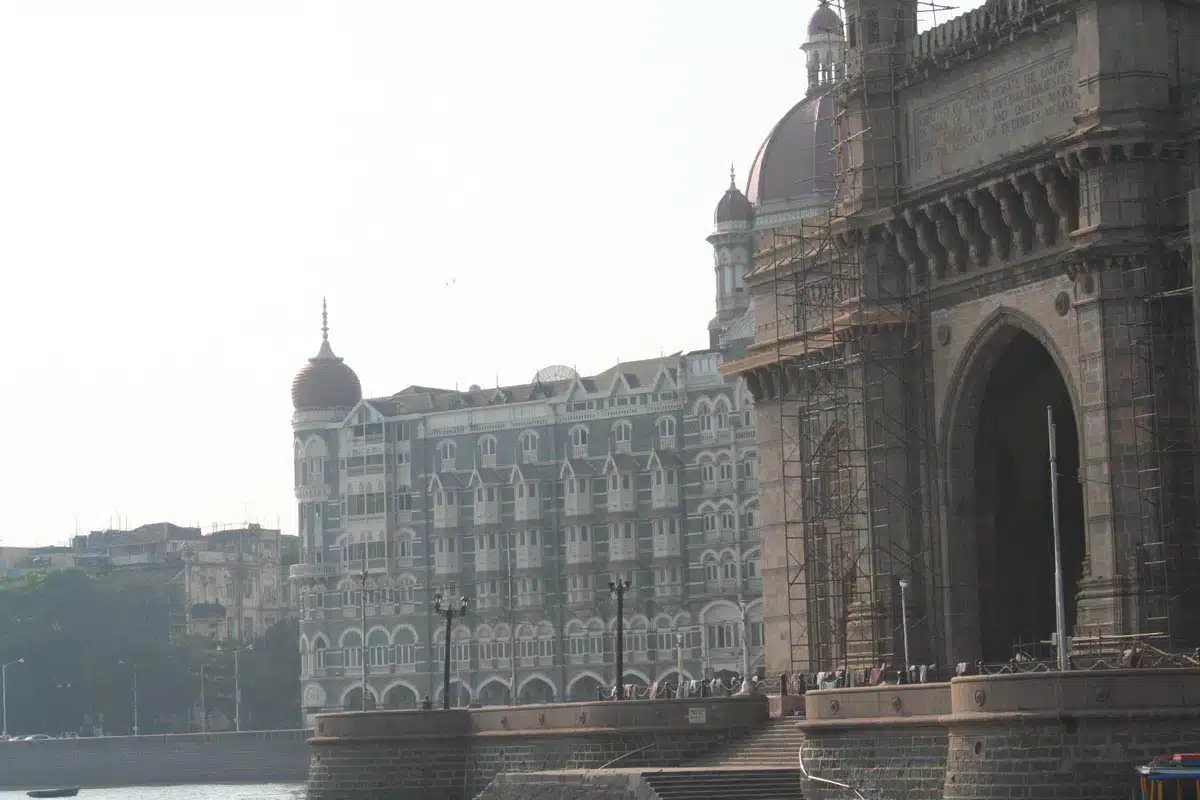
This guide goes through Mumbai’s seasons one by one, with the weather, crowds, festivals and what is open or closed, so you can choose the right month for your trip. For a first look at the city, browse our free photos of Mumbai, from the Gateway of India to the harbour and Elephanta Island.
Best time to visit Mumbai at a glance
- Best overall: December to February, dry and sunny with the mildest heat of the year.
- Best for good weather: December and January, with clear days and nights below 20°C.
- Best for fewer crowds and lower demand: June to September, if you can live with heavy rain.
- Best for festivals: August or September for Ganesh Chaturthi, September or October for Navratri, and October or November for Diwali.
- Best for Elephanta and harbour trips: November to March, when the sea is calm and ferries run normally.
- Time to avoid: July, the wettest month, and the sticky heat of May.
Cool dry season (November to February)
This is Mumbai’s peak season. The rain has gone, humidity drops and daytime highs are around 30°C, with January nights below 20°C. November can still feel hot. Clear skies make this the best time for walking the Fort area, watching the sunset on Marine Drive and taking the ferry to Elephanta Island. For ideas, see our guide to things to do in Mumbai.
It is also the busiest time. Christmas and New Year bring Indian and foreign visitors, and the wedding season fills hotels and halls. The Tata Mumbai Marathon closes roads in January, and the Kala Ghoda Arts Festival fills the Fort area in late January or early February. On still winter days, haze often hangs over the city, so harbour views can be grey.
Hot season (March to May)

Heat and humidity build from March. By May, highs are around 33°C, but the damp air makes it feel much hotter and nights stay warm. March is still a fair month to visit, with Holi bringing coloured powder to the streets, and Gudi Padwa, the Marathi new year, falls in March or April.
April and May are hard work for sightseeing. Go out early and late, and save museums for the middle of the day. Alphonso mangoes fill the markets in this season. Indian school holidays in May put more people on trains and flights. Cyclones can form in the Arabian Sea from May, so watch the forecast late in the season.
Monsoon (June to September)

The monsoon usually reaches Mumbai around the second week of June and stays until early October. July is the wettest month. Days of heavy rain can flood roads and stop local trains, so keep plans flexible. Highs drop a little, to around 30°C, but it is very humid. The sea is rough, so the Elephanta ferry is often cancelled or suspended, and the beaches are for looking at, not swimming.
Tourist demand is at its lowest and hotels are quieter. Locals love this season: waves crashing on Marine Drive, roasted corn at the roadside and green hills a train ride away. Ganesh Chaturthi, the city’s biggest festival, falls in August or September, with ten days of decorated pandals and huge processions to Girgaum Chowpatty.
After the monsoon (October)
October is a short season of its own. The rain usually ends in the first week or two, but the sun returns with force. Highs reach around 33°C and the air is still humid, a spell locals call October heat. Ferries to Elephanta normally run again after the monsoon. Navratri brings nine nights of garba and dandiya dancing, and Diwali falls in October or November, with lamps, fireworks and busy sweet shops. Many Indians travel over Diwali, so book trains, flights and hotels early. Cyclones are possible again in October and November, though most pass out at sea.
Festivals and events by month

- January: Tata Mumbai Marathon, a big city race held on the third Sunday of the month.
- January to February: Kala Ghoda Arts Festival, nine days of art, music, theatre and talks in the Fort area.
- February: Elephanta Festival, classical dance and music staged by Maharashtra Tourism on Elephanta Island.
- March: Holi, the spring festival of colours, with powder and water fights across the city.
- March or April: Gudi Padwa, the Marathi new year, with processions in Girgaon and other old districts.
- August or September: Ganesh Chaturthi, ten days of festivities ending with idol immersions in the sea.
- September or October: Navratri, nine nights of garba and dandiya dancing.
- October or November: Diwali, the festival of lights, with lamps, fireworks and sweets.
Tips for planning your trip

Book hotels well ahead for December, New Year, Diwali and the Ganesh Chaturthi weeks, when rooms in south Mumbai fill fast. Pack light cotton clothes, a hat and sunscreen for most of the year, a light layer for winter evenings and air-conditioned trains, and a good umbrella and quick-drying shoes for the monsoon. The suburbs around the airport get more rain than Colaba in the south, and traffic between the two can take a long time in the wet season. Read our Elephanta Caves guide before you go, and check the weather on the day, because harbour ferries depend on the sea. Check your government’s current travel advice before you travel.
Questions about visiting Mumbai
What is the cheapest month to visit Mumbai?
The monsoon months, especially July and August, have the lowest tourist demand, so hotels are quieter and easier to book. Expect heavy rain and possible delays.
Is Mumbai worth visiting in the monsoon?
Yes, if you are flexible and enjoy the rain, as the city feels lively and the hills nearby turn green. Do not plan a short trip around the Elephanta ferry or tight connections, because floods and rough seas can stop both.
What is the rainiest month in Mumbai?
July is usually the wettest month, with June, August and September also very wet. January to April are almost completely dry, and March and April usually get the least rain.


