Best Time to Visit London: Seasons, Weather, Crowds and Festivals

For most visitors, the best time to visit London is May, June or September. Days are long and mild, with afternoons around 18 to 21°C, the parks are green, and the crowds are smaller than in the school summer holidays. If you would rather have quieter museums and lower hotel demand, go in January, February or November and pack for rain.
This guide goes through London season by season: the weather, how busy it gets, what is harder to do, and the festivals worth planning a trip around. You will also find quick picks for different kinds of trip, planning tips and answers to common questions. To get a feel for the city before you go, browse our free photos of London.
Best time to visit London at a glance
- Best overall: May, June and September, for mild weather, long days and fewer crowds than high summer.
- Best for warm weather: July and August, with afternoons around 23°C and the most sunshine.
- Best for fewer crowds and lower demand: January to early March and November, outside the school holidays.
- Best for parks, river walks and outdoor events: late May to early September.
- Best for Christmas lights and markets: late November and December.
- Time to avoid: Christmas Day if you rely on public transport, as Tube, bus and train services do not run.
Spring (March to May)
Spring starts cool and ends pleasant. Afternoons are around 12°C in March and around 18°C by May, and showers can come in any month. Daffodils and blossom fill the Royal Parks in March and April, and it is a good season for long walks along the South Bank. The London Marathon runs through the streets in April, and the Chelsea Flower Show takes place in May. Easter and the half-term holiday at the end of May are busy, so book hotels early for those weeks. Our Westminster visitor guide covers the Abbey, Parliament and Big Ben, which are easier to enjoy before the summer queues build.
Summer (June to August)

Summer is the warmest and busiest season. Afternoons are usually around 21 to 24°C, and heatwaves above 30°C now happen in some years. Many deep Tube lines and older buildings have no air conditioning, so hot spells can feel tiring. Days are very long, with light until after 9pm around midsummer. June brings Trooping the Colour and the start of Wimbledon, which runs into July. The BBC Proms fill the Royal Albert Hall from July to September, and the State Rooms at Buckingham Palace open to visitors in summer. Late July and August are the peak, as UK schools are on holiday. Expect long queues at the main sights and book timed tickets ahead.
Autumn (September to November)
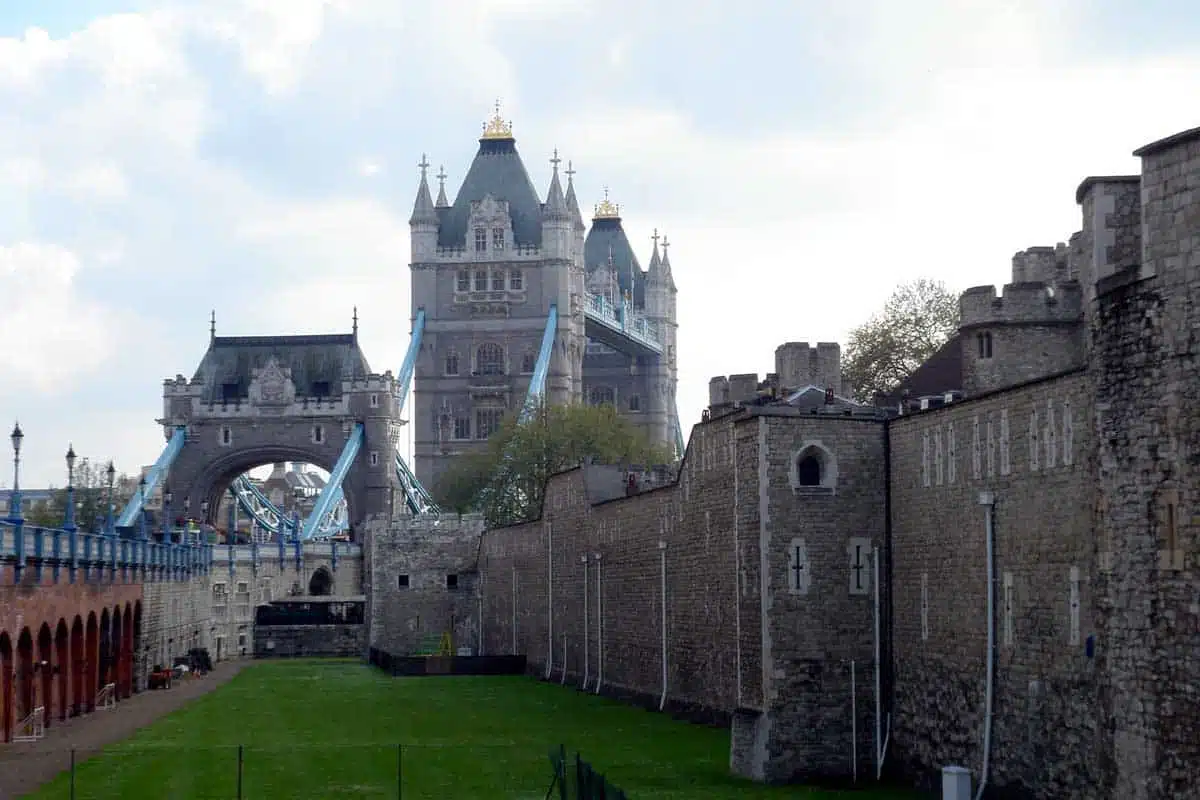
September is one of the best months. Afternoons are often around 20°C, schools are back and the crowds thin out. Open House London opens the doors of buildings that are usually closed to the public. October turns cooler, at around 15°C, and the leaves change colour in Hyde Park, Regent’s Park and Kew Gardens. Autumn is the wettest part of the year, with October often the rainiest month, and the half-term week in late October is busy. The clocks go back at the end of October, so evenings get dark early. Around 5 November, Bonfire Night brings fireworks across the city. It is a good season for the Tower and the river: see our Tower Bridge and Tower of London guide.
Winter (December to February)

Winter in London is grey and damp rather than very cold. Afternoons are around 8 to 9°C, frost is common on clear nights, and snow is rare and seldom lasts in the centre. It gets dark at about 4pm in December. From November, Christmas lights go up on Oxford Street, Regent Street and Covent Garden, and Winter Wonderland runs in Hyde Park. December is busy with shoppers. On 25 December most places close and no TfL public transport runs, with only limited services on Boxing Day. January and February are the quietest months, good for museums, galleries and theatre, and hotel demand drops. Chinese New Year brings celebrations to the West End in January or February.
Festivals and events by month

- January or February: Chinese New Year, a parade, food and stage shows in Chinatown and the West End.
- April: London Marathon, a race of tens of thousands of runners that finishes on The Mall.
- May: RHS Chelsea Flower Show, Britain’s best-known garden show, in the grounds of the Royal Hospital Chelsea.
- June: Trooping the Colour, the King’s Birthday Parade on Horse Guards Parade, with a flypast over Buckingham Palace.
- Late June to July: Wimbledon, the grass-court tennis championships in south-west London.
- July to September: BBC Proms, a long season of classical concerts, mostly at the Royal Albert Hall.
- August: Notting Hill Carnival, a huge Caribbean street festival over the bank holiday weekend.
- December: New Year’s Eve fireworks over the Thames by the London Eye, a ticketed event.
Tips for planning your trip
Book hotels and timed tickets early for summer, Easter, the school half-terms and December. Do the same for big event weekends such as Wimbledon and Notting Hill Carnival, when nearby streets are closed and buses are diverted. Pack layers and a light waterproof in any month, because the weather can change several times in a day, and bring comfortable shoes, since you will walk a lot. Some Tube lines close at weekends for engineering works, so check before you travel, and remember that no TfL services run on Christmas Day. The Changing of the Guard goes ahead all year, but the schedule changes with the season and it can be cancelled in very wet weather. Our Changing of the Guard guide explains how to get a good view. Entry rules for the UK have changed in recent years, so check your government’s current travel advice and the UK entry requirements before you book.
Questions about visiting London
What is the cheapest month to visit London?
January and February usually have the lowest hotel demand, as long as you avoid the New Year and the February half-term. November is also fairly quiet until the Christmas season starts.
Is London worth visiting in winter?
Yes, if you plan around museums, galleries, theatre and the Christmas lights. Expect short days, cool damp weather and no public transport on Christmas Day.
What is the rainiest month in London?
October is often the wettest month, but rain falls through the whole year in fairly small amounts. Showers are usually short, so a light waterproof is enough on most days.


