Things to Do in Copenhagen: 12 Best Sights and Experiences
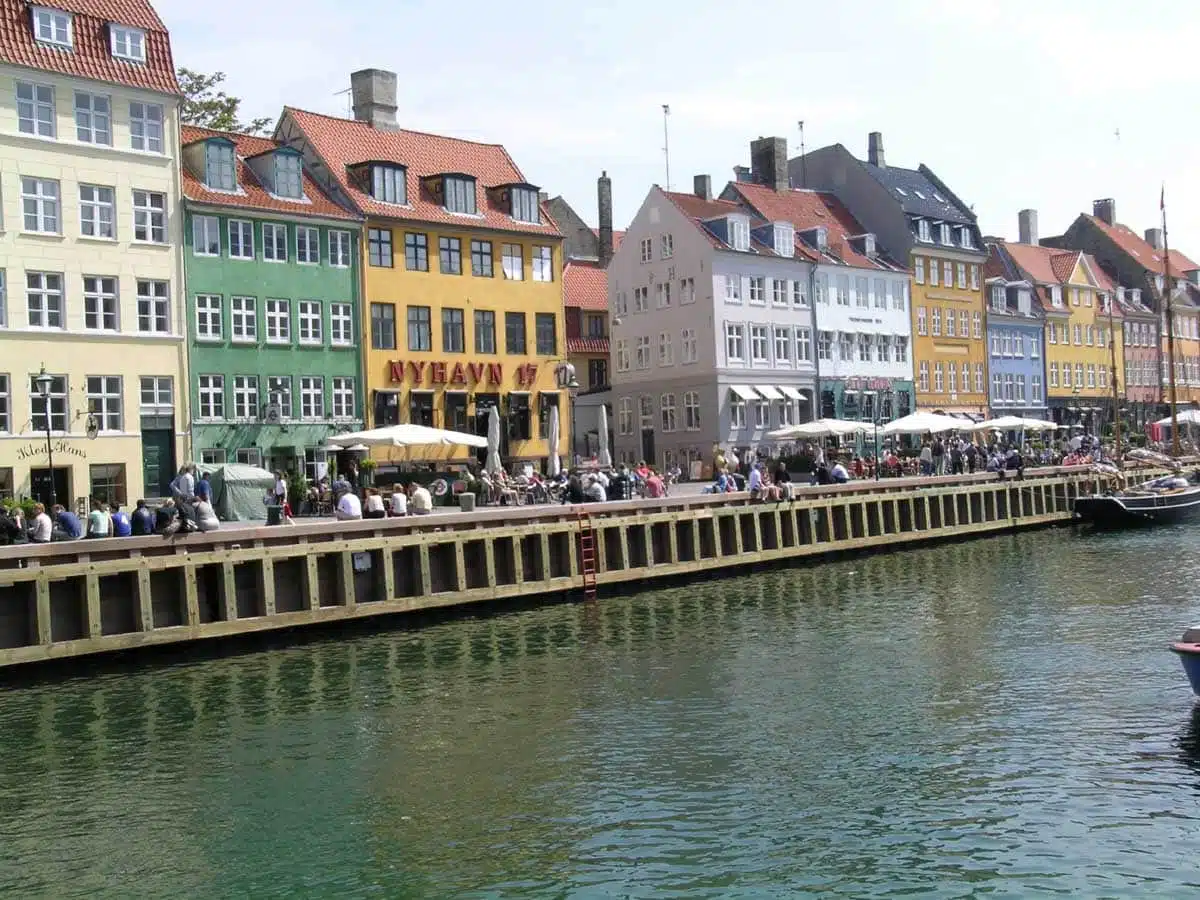
Copenhagen is Denmark’s capital, a compact harbour city on the east coast of Zealand, facing Sweden across the Øresund. It mixes royal palaces and old church spires with clean harbour water, cycle lanes and a relaxed street life, and most of the main sights sit within walking distance of each other.
You can watch the Royal Guard at Amalienborg, eat by the canal in Nyhavn and spend the evening in Tivoli, all in one day. Browse our free photos of Copenhagen to get a feel for the city. Here are the 12 best things to do in Copenhagen, with tips on when to go and how to plan your trip.
1. Walk along Nyhavn
Nyhavn is the canal dug in the 1670s to bring ships into the heart of the city. Today its north side is a row of brightly painted townhouses with café terraces, and old wooden sailing ships are moored along the quay. Hans Christian Andersen lived in several houses here. Come early for quiet photos, or in the evening when the terraces fill up.
2. Take a canal tour
The easiest way to understand Copenhagen’s layout is from the water. Classic canal tours leave from Nyhavn and from Ved Stranden near Gammel Strand, and take about an hour. Routes usually pass the Opera House, Christianshavn’s canals, the Black Diamond and the Little Mermaid. Some departures have a live guide, others an audio guide. Bring a layer, as it can be cool on the water.
3. See Amalienborg and the Royal Guard

Amalienborg is the home of the Danish royal family: four matching 18th-century palaces set around an octagonal square, with a statue of King Frederik V on horseback in the middle. The Royal Life Guard, in bearskin hats and dark uniforms, march every day from their barracks by Rosenborg Castle and change the guard here at noon. The Amalienborg Museum, inside one of the palaces, shows royal rooms and needs a ticket.
4. Visit the Marble Church
Frederik’s Church, known to everyone as the Marble Church, stands just behind Amalienborg, and the two line up on one long axis down to the harbour. Begun in the 18th century, it was only finished in the 1890s. Its green copper dome is the largest in Scandinavia. Visits up into the dome are by guided tour on set days only, and times change by season, so check before you go.
5. Explore Rosenborg Castle and the King’s Garden
Rosenborg is a Renaissance castle built by King Christian IV in the early 1600s. Inside you walk through royal rooms full of tapestries and furniture, and the treasury in the basement holds the Danish Crown Jewels. Tickets are needed, and booking ahead is wise in summer. The castle sits in the King’s Garden, the city’s oldest royal park and a favourite picnic spot.
6. Find the Little Mermaid and Kastellet
The Little Mermaid, a small bronze statue from 1913 based on Andersen’s fairy tale, sits on a rock at Langelinie, about a 20-minute walk north of Amalienborg. It is small and draws crowds, so go early. Next to it is Kastellet, a star-shaped 17th-century fortress that is still used by the military. You can walk its grassy ramparts and see its red barracks and windmill.
7. Stroll down Strøget

Strøget is a chain of car-free shopping streets running from City Hall Square to Kongens Nytorv. It became pedestrian in 1962 and is one of the longest walking streets in Europe. Stop at the Stork Fountain on Amagertorv, a popular meeting point. The side streets and squares just off Strøget are quieter and have better cafés.
8. Climb the Round Tower
The Round Tower, or Rundetårn, was built by Christian IV between 1637 and 1642 as an observatory. Instead of stairs, a wide spiral ramp winds up inside the tower, so the climb is gentle. The top gives wide views over the old town’s rooftops. The tower is part of the Trinitatis complex, with the church right next to it. Tickets are needed. It is a short walk north of Strøget.
9. See City Hall Square and City Hall
City Hall Square, or Rådhuspladsen, is the busy centre of Copenhagen and the start of Strøget. The red-brick City Hall was finished in 1905. Guided tours in English and trips up the tower show more of the building. Inside, look for Jens Olsen’s World Clock, a complex astronomical clock. A statue of Hans Christian Andersen sits by the boulevard on the side of the building.
10. Spend an evening in Tivoli Gardens

Tivoli opened in 1843 and is one of the oldest amusement parks in the world. It mixes gardens, old and new rides, concert stages and restaurants, right opposite the main railway station. It is best after dark, when the lights come on. Tivoli is not open all year: it runs in seasons around Easter, summer, Halloween and Christmas, and closes between them. You need an entry ticket, and rides cost extra unless you buy a ride pass.
11. Visit Slotsholmen: Christiansborg, Børsen and the Black Diamond
The small island of Slotsholmen holds Christiansborg Palace, home of the Danish Parliament and the Supreme Court. Ticketed visits include the Royal Reception Rooms and the ruins of older castles underneath. Next door is Børsen, the 17th-century Stock Exchange with its spire of twisted dragon tails. A fire in April 2024 destroyed the spire and much of the building, and it is now being rebuilt. On the harbour front, the Black Diamond is the modern glass and black granite wing of the Royal Library.
12. Wander around Christianshavn

Across the harbour, Christianshavn is a canal district with houseboats and waterside bars. The Church of Our Saviour has a corkscrew spire with an outside staircase you can climb. It closes in winter and in bad weather, so check first. Nearby is Freetown Christiania, a self-governing community founded in 1971. Its cannabis stalls on Pusher Street were removed in 2024, but follow any signs on photography and check your government’s current travel advice.
When to visit Copenhagen
May to September is the best time for most visitors. Days are long, café terraces and harbour baths are open, and Tivoli runs its summer season. July and August are the busiest months. Late spring and early September are quieter. From mid-November to Christmas the city has Christmas markets, lights and Tivoli’s Christmas season. Winter days are short and cold, but museums and cosy cafés still make a good city break.
Tips for planning your trip
Copenhagen Airport is close to the city. The M2 metro line runs to Kongens Nytorv and Nørreport, and trains go to Central Station next to Tivoli. The metro runs around the clock. The centre is easy to walk, and cycling is the local way to get around: keep right and signal before turning. Three days is enough for the main sights. With more time, see our list of top tourist attractions in Denmark for day trips. The Copenhagen Card covers public transport and many attractions. If your trip continues to Norway, read our guide to Oslo’s historical landmarks.
Questions about Copenhagen
How many days do you need in Copenhagen?
Two full days cover Nyhavn, Amalienborg, Strøget and Tivoli. Three or four days let you add museums, Christianshavn and a day trip.
Is Tivoli Gardens open all year?
No. Tivoli opens in seasons around Easter, summer, Halloween and Christmas and closes in between, so check the dates before you plan your visit.
When is the changing of the guard in Copenhagen?
The Royal Life Guard changes at Amalienborg every day at noon, after marching from their barracks near Rosenborg Castle. Arrive 15 minutes early for a good view.


