Best Beaches in Australia: 10 Places to Visit
Australia has more than 10,000 beaches, from busy city surf beaches to empty white bays that you can only reach by boat. This list covers some of the best around the country: city beaches in Perth and Sydney, tropical sand in Queensland and the Kimberley, and quiet bays in national parks in Western Australia, Tasmania and Victoria. Each one is worth the trip for something different, such as kangaroos on the sand, sunset camel rides or rainforest growing right down to the sea.
Some of these beaches are an easy bus ride from the city. Others need a ferry, a boat tour or a long drive, so it helps to plan ahead. Before you go, have a look at our free beach pictures for ideas. Here are 10 of the best beaches in Australia, with tips on visiting them.
1. Rottnest Island, Western Australia
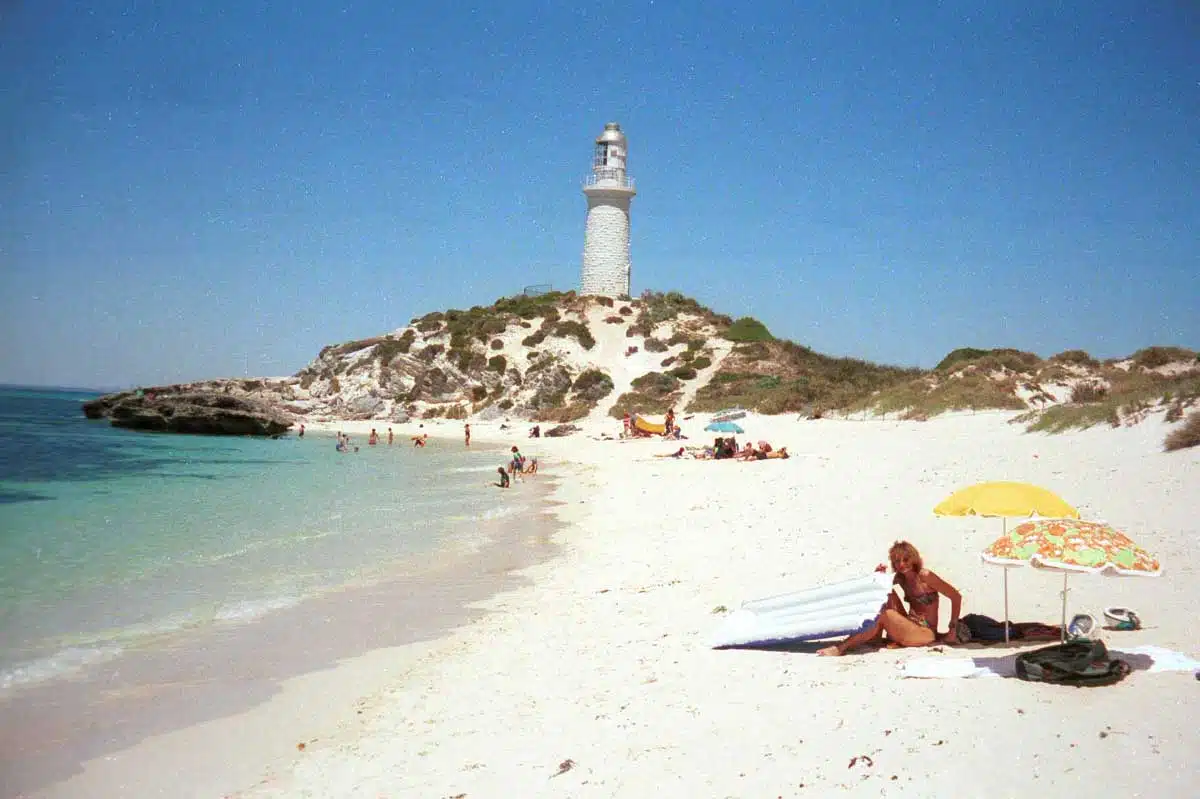
Rottnest Island, called Wadjemup by the local Noongar people, lies off the coast near Perth. It has dozens of sheltered bays with clear water, such as The Basin, Parakeet Bay and Little Salmon Bay, which are good for swimming and snorkelling. Visitors cannot bring cars, so most people get around by bike. You will probably see quokkas, but do not touch or feed them. Ferries run from Fremantle, Perth and Hillarys. Every visitor pays an island admission fee, and it is included in the ferry fare. Book early for summer weekends.
2. Cottesloe and Perth’s city beaches, Western Australia

Perth faces the Indian Ocean, so the sun sets over the sea. Cottesloe is the best-known beach. It has more than a kilometre of white sand, grassy banks shaded by Norfolk pines and the Indiana building on the shore. Locals swim out to the floating platform just offshore, and the water is good for snorkelling on calm days. Further north, City Beach and Scarborough are also popular. Stay until sunset, and come on a weekday morning in summer if you want more space on the sand.
3. Bondi and Sydney’s ocean beaches, New South Wales

Bondi is a one-kilometre curve of sand in Sydney’s Eastern Suburbs. Lifeguards patrol it all year, and the Icebergs ocean pool sits at the southern end. From there the coastal walk runs about 6 km south past Tamarama, Bronte and Clovelly to Coogee, with places to swim along the way. The waves can be strong, so always swim between the red and yellow flags. To get there, take a bus from the city centre, or the train to Bondi Junction and then a bus. Once you have seen the beaches, try these alternative things to do in Sydney.
4. Cape Tribulation, Queensland

At Cape Tribulation, the Daintree Rainforest meets the Great Barrier Reef. These are two World Heritage areas side by side. Rainforest grows right down to beaches such as Myall Beach and Cape Tribulation Beach, and boardwalks lead through the mangroves and forest. To get there by road, you drive north from Cairns or Port Douglas and cross the Daintree River on a cable ferry. The beaches are remote and unpatrolled, and saltwater crocodiles and marine stingers live in the area. Walk on the sand, but do not swim in the sea.
5. Whitehaven Beach, Queensland
Whitehaven Beach runs for about 7 km along Whitsunday Island and is often called the most beautiful beach in Australia. Its sand is almost pure silica, so it is very white and stays cool underfoot. At the northern end, a short track climbs to Hill Inlet Lookout, where you can see the swirling patterns of sand and water at low tide. There are no roads, so you can only get there by boat, seaplane or helicopter, usually from Airlie Beach or Hamilton Island. Bring a stinger suit in the warmer months. Our guide to the Whitsunday Islands has more ideas.
6. Cable Beach, Western Australia
Cable Beach in Broome has 22 km of white sand facing the Indian Ocean. It was named after the telegraph cable laid between Broome and Java in 1889. The classic way to see it is on a camel ride at sunset. You can also simply watch the sun go down from the sand. The best time to visit is the dry season, from about May to October. Marine stingers are around from roughly November to May. Read the warning signs on the beach, because crocodiles are occasionally seen here too.
7. Lucky Bay, Western Australia
Lucky Bay is in Cape Le Grand National Park, about 60 km east of Esperance on the south coast. It has very white sand that squeaks when you walk on it, and calm, turquoise water. It is best known for the wild kangaroos that often lie on the beach. Keep your distance and do not feed them. There is a campground behind the bay, and walking trails link it to other beaches in the park. You need to pay a park entry fee for each vehicle. Bring food and water, as there are few services.
8. Wineglass Bay, Tasmania
Wineglass Bay is a perfect curve of white sand in Freycinet National Park on Tasmania’s east coast. Most people first see it from the Wineglass Bay Lookout, a steep walk of about one and a half hours return. If you want to reach the sand, carry on down to the beach. Allow around three hours for the full return walk. The beach is not patrolled and the water is cold for much of the year. You need a valid parks pass to enter. Walk early in the morning or later in the afternoon to avoid the busy middle of the day.
9. Hyams Beach, New South Wales
Hyams Beach is on Jervis Bay, about three hours’ drive south of Sydney. It is famous for its fine white sand and clear, calm water, which is good for swimming and snorkelling. Dolphins are often seen in the bay. The village is small and gets very crowded in the summer holidays, and parking is limited. Arrive early, visit outside school holidays, or stay nearby and walk in. The beaches in neighbouring Booderee National Park are usually quieter.
10. Squeaky Beach, Victoria
Squeaky Beach is in Wilsons Promontory National Park, about three hours’ drive south-east of Melbourne. It gets its name from the fine quartz sand, which squeaks under your feet. Large orange granite boulders sit at each end, and they make good subjects for photos. A short coastal walk links it to Tidal River, the park’s main campground. The surf can be strong and the beach is not patrolled, so take care in the water. If you are exploring Victoria’s coast, you can also visit the Twelve Apostles on a separate trip west of Melbourne.
Tips for visiting
Australia is a big country, so pick one or two regions rather than trying to see every beach on one trip. The south, including Sydney, Perth, Victoria and Tasmania, is best from about December to March. The tropical north is best in the dry season, from about May to October. Swim at patrolled beaches between the red and yellow flags, and read the signs about rip currents, stingers and crocodiles. The Australian sun is strong, so wear a hat and sunscreen and carry water. Book ferries, boat tours and park passes ahead in busy months. Most visitors need a visa or electronic travel authority before arriving, so check your government’s current travel advice and Australia’s entry rules before you go.
Questions about beaches in Australia
What is the most beautiful beach in Australia?
Whitehaven Beach in the Whitsundays tops most lists because of its very white silica sand and the views over Hill Inlet. Lucky Bay and Wineglass Bay are close rivals.
Is it safe to swim at Australian beaches?
It is safe at patrolled beaches if you swim between the red and yellow flags and follow the lifeguards’ advice. In the tropical north, crocodiles and stingers mean you should only swim where local signs say it is safe.
When is the best time to visit beaches in Australia?
For the southern beaches, go in summer, from about December to March. For Queensland and northern Western Australia, the dry season from about May to October is more comfortable and falls mostly outside stinger season.


