Free Photos, Set 02: 105 Mixed Pictures
Set 02 of the BigFoto library: 105 free photos of signs and inn signs, wheat fields and meadows, trees and leaves, lakes and weather, town life and everyday objects close up, grouped by subject below. Click any photo to see it large and download it.
How to download: click a photo to see it large, then use Download. The originals are about 1200 × 800 pixels: right for blog posts, slides, social media, school projects and video call backgrounds.
Signs and symbols
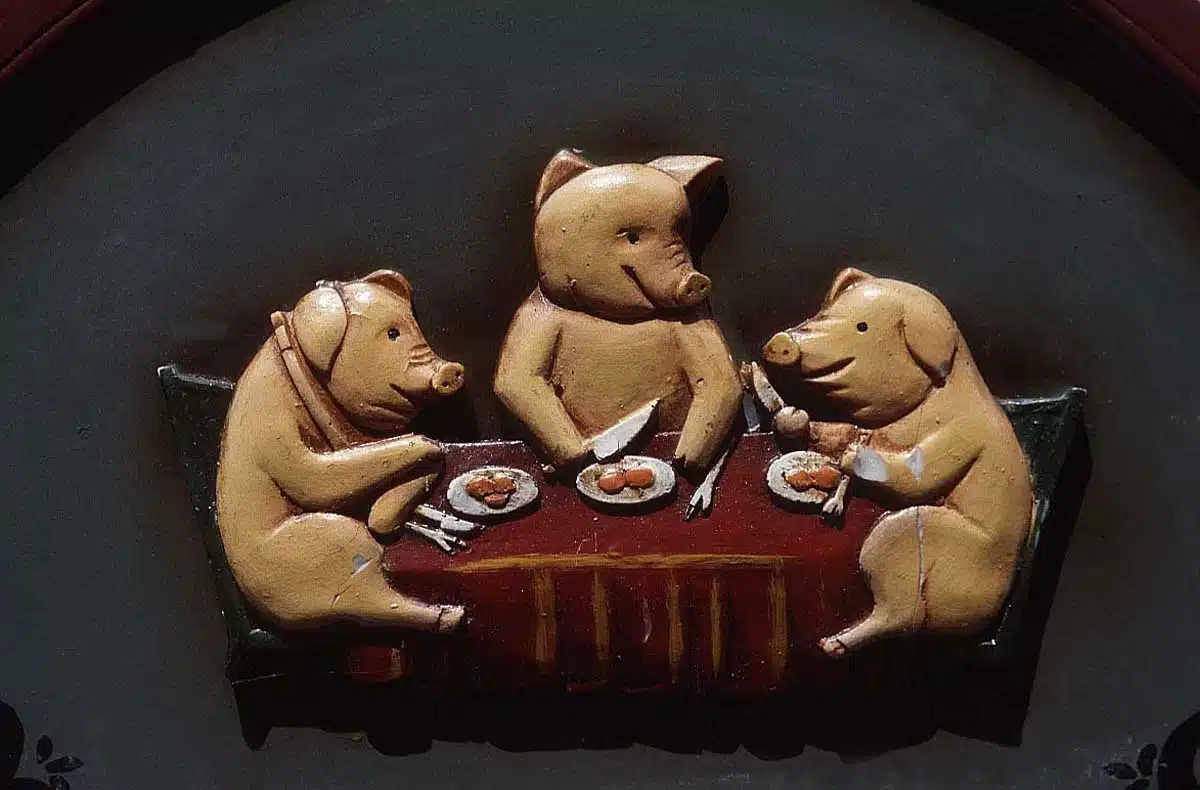
Warning and ban signs, a red traffic light, a bicycle lane, FOTO and TAXI set in paving stones, and painted inn and shop signs.


Fields, meadows and trees
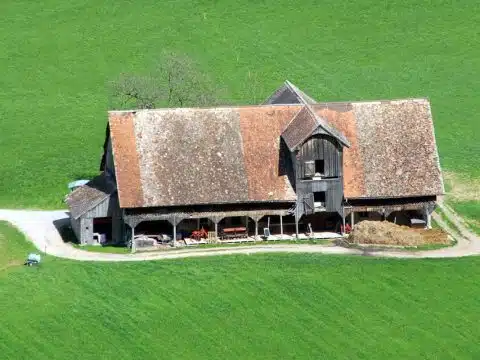
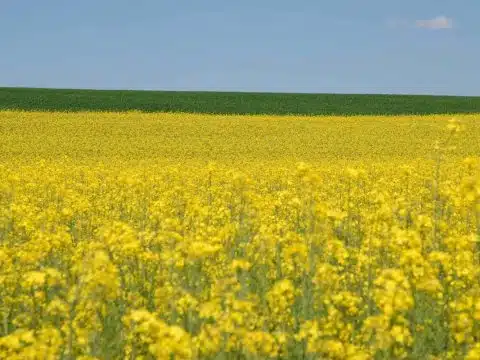
Wheat and poppies, spring meadows, an Alpine hut, snowy hills and trees, autumn leaves and stacked logs.


Lakes, sky and weather
A sailing boat, a frozen lake, the sun behind clouds, raindrops on a window and jet skis on a beach.


Town and everyday life
Classic cars, recycling containers, café chairs, doors and letter boxes, a fruit stall, shop windows and house fronts.


Objects and textures close up
Chess pieces, beads, chains, a CD, candles, a padlock, pipes, strings and paving patterns.


About photography
Negative-positive technique
William Henry Fox Talbot was an English gentleman of means. Whilst on a grand tour of Europe, he considered the possibility of permanently imprinting the charming images obtained with his small camera obscura. Upon his return to England, Talbot experimented by sensitising a piece of writing paper and exposing it for over an hour.
The fragile lilac-tinted sheet is acclaimed today as the world’s first negative. Thus the negative-positive technique was born, making possible the creation of multiple prints from a single negative. In1839 Talbot published all the technical details required to duplicate his technique. At about this time the British astronomer Sir John Herschel made the vital discovery that sodium thiosulfate (hypo) was the best fixing agent to make photographs permanent.
The “inventor” of photography.
In the 19th century, several talented individuals were all trying to find the secret of capturing images and rendering them permanent. But it is Louis Jacques Mandé Daguerre who is most widely regarded as the inventor of photography. He worked closely with Joseph Niépce – accredited with having taken the world’s first photograph – and then Niépce’s son, Isidore. Following a demonstration of their invention – the daguerreotype – to the French Acadamy of Sciences, both Daguerre and Niépce were awarded state pensions in return for handing over full details of the invention to the Ministry of the Interior.
On 19 August 1839, astronomer and physicist Dominique François Argo, a Daguerre supporter, made the technical details public. Daguerre followed by publishing a 70-page document describing the process. Opticians throughout Paris were besieged by people clamouring to buy the necessary equipment. In 1839 a daguerreotype of the Boulevard du Temple in Paris, captured the image of a human being – considered to be the first ever.
National Geographic Photography
More free photos
- Free photos, set 01
- Free photos, set 03
- Free summer backgrounds
- Free car pictures
- Free close-up pictures
- Free wood textures
Questions about set 02
Can I use these photos for free?
Yes, for personal and commercial projects. All we ask is a link back to BigFoto.com; the box at the top of the page has a credit link you can copy.
Why is this a mixed set?
These photos were added to the library in batches of about a hundred and did not fit one theme or place. They are grouped by subject on this page; the sets before and after it hold more of the same kind of everyday pictures.