Things to Do in Lanzarote: 11 Best Sights and Experiences

Lanzarote is the easternmost of Spain’s Canary Islands, out in the Atlantic off the north-west coast of Africa. Huge eruptions in the 1730s buried around a quarter of the island under lava, and its black lava, red cones and white villages look like nowhere else in Europe. The whole island is a UNESCO Biosphere Reserve, and the artist César Manrique shaped many of its best sights.
Most people come for winter sun, but the island rewards anyone who explores. You can walk through lava tubes, taste wine grown in volcanic ash and look down on La Graciosa from a cliff-top viewpoint. Browse our free photos of Lanzarote. If Lanzarote is part of a longer trip, see our best places to visit in Spain. Here are the 11 best things to do in Lanzarote, with tips on when to go and how to plan your trip.
1. Timanfaya National Park and the Fire Mountains
Timanfaya protects the lava fields and volcanoes left by the eruptions of 1730 to 1736. Drive up to Islote de Hilario, where staff show how hot the ground still is: water poured into a pipe shoots out as steam and dry brush catches fire. Your ticket includes the Ruta de los Volcanes, a coach tour through the craters with commentary. Private cars cannot drive this route. Arrive early, as queues build at the park entrance by late morning.
2. Ranger walks, the visitor centre and camel rides
You cannot wander freely across the lava, but you can get closer. The visitor centre at Mancha Blanca explains the eruptions and has a short trail over the lava. National park rangers also lead guided walks, such as the Tremesana route, and places must be booked in advance. On the road south of the park, the Echadero de los Camellos offers short camel rides on the volcanic slopes.
3. La Geria wine region

Between Uga and Masdache, the LZ-30 road crosses La Geria, a wine landscape unlike any other. Farmers plant each vine in a pit dug into the black volcanic ash and protect it from the wind with a low half-moon wall of stone. Several bodegas along the road open for tastings, and the local white Malvasía volcánica is worth trying. Choose a driver, or join a wine tour.
4. Mirador del Río
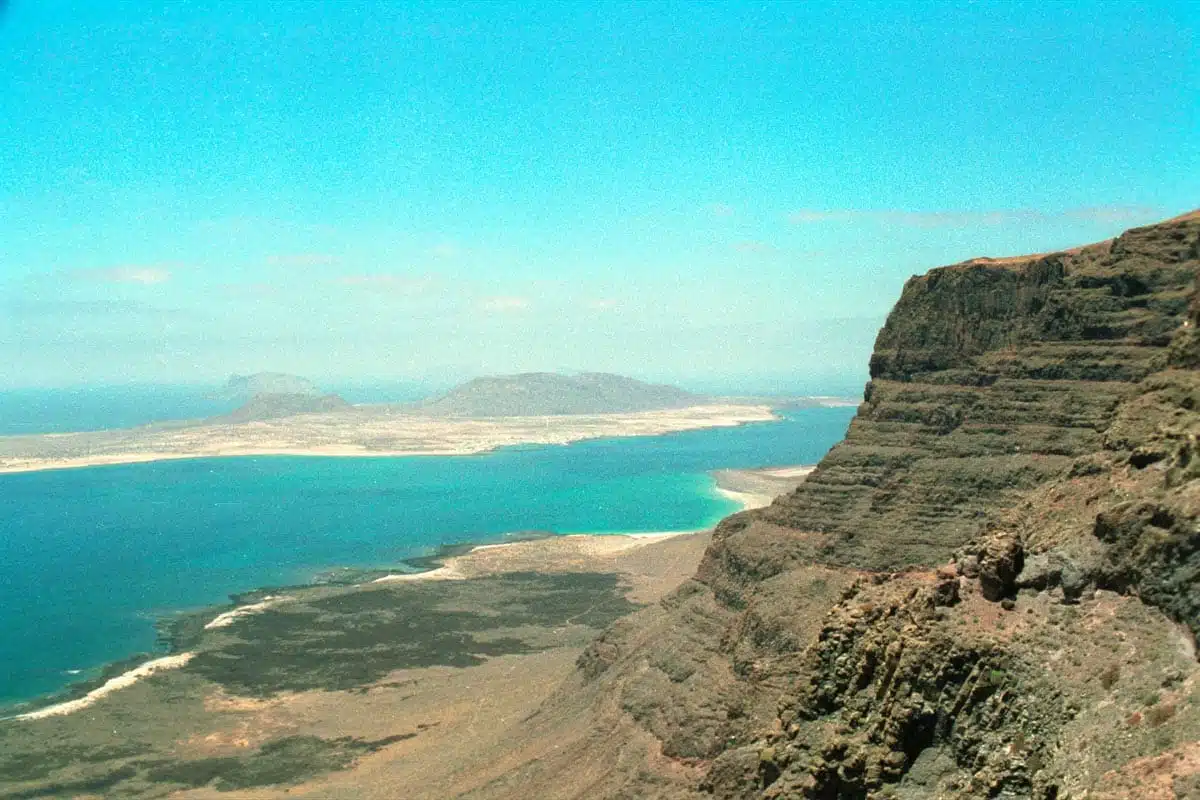
At the northern tip of the island, Manrique hid a viewpoint inside the Famara cliffs. From its curved windows and outdoor terraces you look straight down to the strait of El Río and across to La Graciosa and the smaller islets of the Chinijo Archipelago. Entry needs a ticket. Go on a clear morning, as cloud can sit on the cliffs later. On the way, stop in Haría, a village in a valley of palm trees.
5. A day trip to La Graciosa
Ferries run from the small port of Órzola to Caleta de Sebo, the main village on La Graciosa, in about half an hour. The island has sandy tracks instead of paved roads, so visitors walk, hire bikes or take a 4×4 taxi. Playa de las Conchas in the north-west is one of the finest beaches in the Canaries, but currents there can be strong. Take water and sun cream, as there is very little shade.
6. Jameos del Agua and Cueva de los Verdes
Both sights lie in a lava tube formed by the Monte Corona volcano in the north-east. At Jameos del Agua, Manrique turned collapsed sections of the tube into gardens, a white pool and a concert hall. A dark lake inside is home to tiny blind white crabs. Nearby, Cueva de los Verdes is seen on a guided tour through lit galleries. Both need tickets, and opening times change by season.
7. Jardín de Cactus

In Guatiza, among fields of prickly pear once farmed for the red dye cochineal, Manrique turned an old quarry into a garden. Thousands of cacti from around the world grow on terraces of volcanic stone. It opened in 1990 and was one of his last projects on the island. Allow about an hour, and come early or late in the day for softer light.
8. Teguise and its Sunday market

Teguise was the capital of Lanzarote until the 19th century, and its cobbled streets, churches and old mansions show it. On Sunday mornings the town fills with a large market selling crafts, local food, clothes and souvenirs. Arrive early, or come on a weekday to see the quiet town. Above it, the Castillo de Santa Bárbara on the rim of the Guanapay volcano houses a small museum about pirates.
9. Fundación César Manrique
Visit the house Manrique built for himself at Taro de Tahíche, near Arrecife. The upper floor looks like a traditional white Lanzarote home, while the lower level sits inside volcanic bubbles in a lava flow, linked by tunnels. It now holds his paintings and works by artists he admired. Manrique also campaigned against high-rise building, which is one reason Lanzarote has so few tall hotels.
10. The Papagayo coves
East of Playa Blanca, a string of golden sandy coves lies inside the protected area of Los Ajaches. Playa Mujeres, Playa del Pozo and Papagayo itself have clear, calm water that suits swimming and snorkelling. A dirt track leads to car parks above the beaches, and there is a charge for vehicles entering the protected area. Bring water and shade, as facilities are very limited.
11. El Golfo, Los Hervideros and the Salinas de Janubio
The west coast road south of Timanfaya links three good stops. At El Golfo, the Charco de los Clicos is a green lagoon inside a half-eroded crater, beside a black beach; view it from the paths, as you cannot go down to the water. At Los Hervideros, waves crash into caves in the lava cliffs. Further south, the Salinas de Janubio are salt pans in a coastal lagoon. El Golfo is popular at sunset.
When to visit Lanzarote
Lanzarote is a year-round destination thanks to its mild climate and very low rainfall. Winter days are usually warm enough for the beach, so it is busy from November to March; our guide to winter sun in Spain covers other options too. Spring and autumn suit walking, while July and August are hot and busy. Trade winds blow often, so pack a light layer.
Tips for planning your trip
Most visitors fly into César Manrique-Lanzarote Airport, a short drive from Arrecife and the main resorts. A hire car is the easiest way to see the island, as buses link the main towns but serve the northern and inland sights less often. Allow five days to a week. From Playa Blanca, ferries cross to Corralejo, so you can add a day in Fuerteventura. Wear sturdy shoes on lava and use strong sun cream. Before you travel, check your government’s current travel advice and entry rules for Spain.
Questions about Lanzarote
Do I need a car in Lanzarote?
It is not essential, but it helps a lot. Buses and tours reach the main sights, but a car lets you reach Timanfaya early.
Can you walk in Timanfaya National Park?
Not freely, as the lava is protected. You can take the coach tour from Islote de Hilario, follow the short trail at the Mancha Blanca visitor centre, or book a ranger-led walk.
How many days do you need in Lanzarote?
Three days cover the main sights at a fast pace. A week gives you time for La Graciosa, the beaches and long lunches.


