Things to Do in Fez: 12 Best Places and Experiences
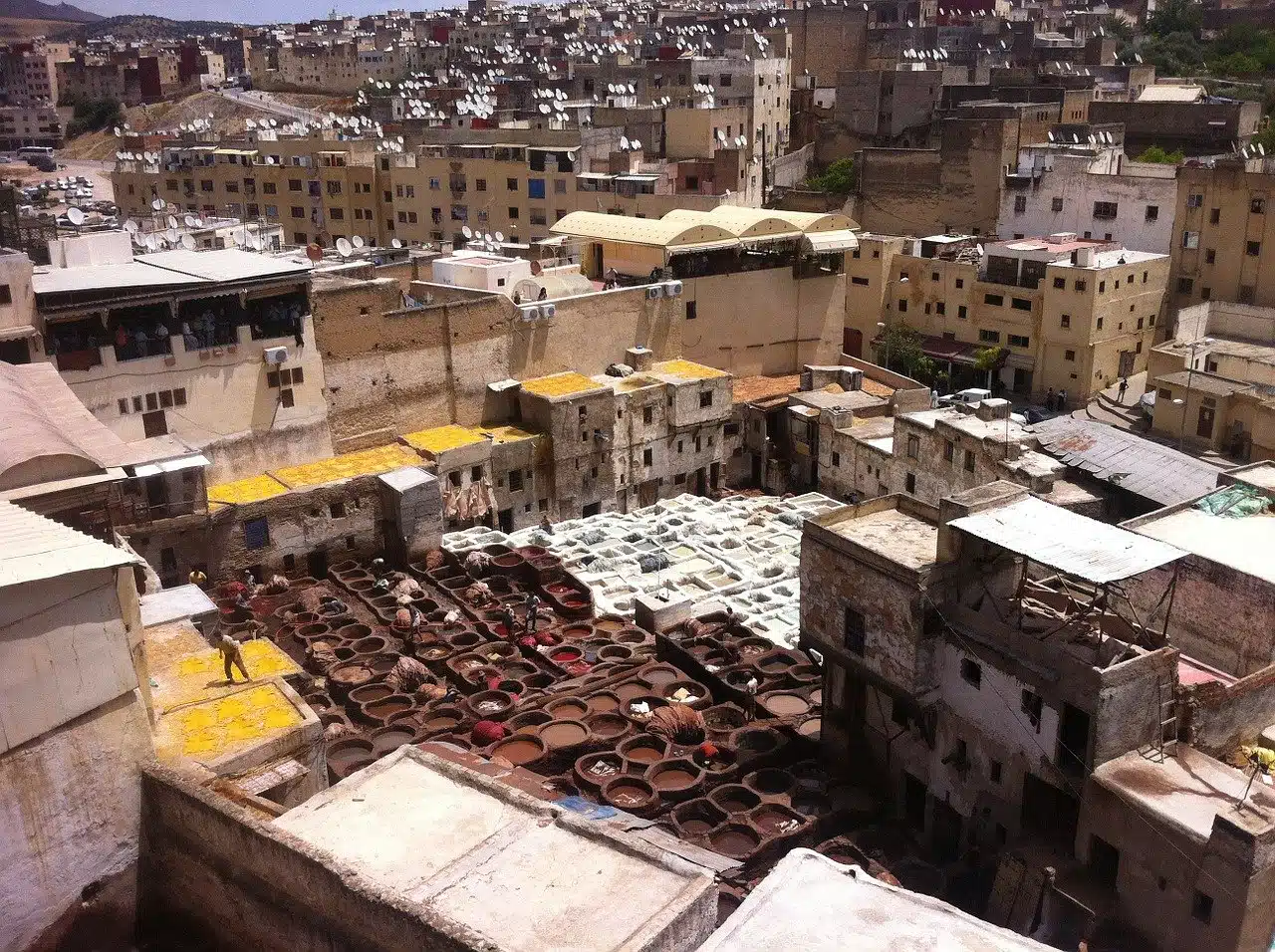
Fez (also spelled Fes) is a city in northern Morocco and the oldest of the country’s four imperial cities. Its old walled town, Fez el-Bali, is a UNESCO World Heritage site. It is one of the largest car-free urban areas in the world, and many of its lanes follow the same lines as they did centuries ago.
Visitors come for the medina, the leather tanneries, the old madrasas and the souks. The city also has real depth: it has been a centre of learning and religion for more than a thousand years. Here are the 12 best things to do in Fez, with tips on when to go and how to plan your trip.
1. Get lost in the medina of Fez el-Bali
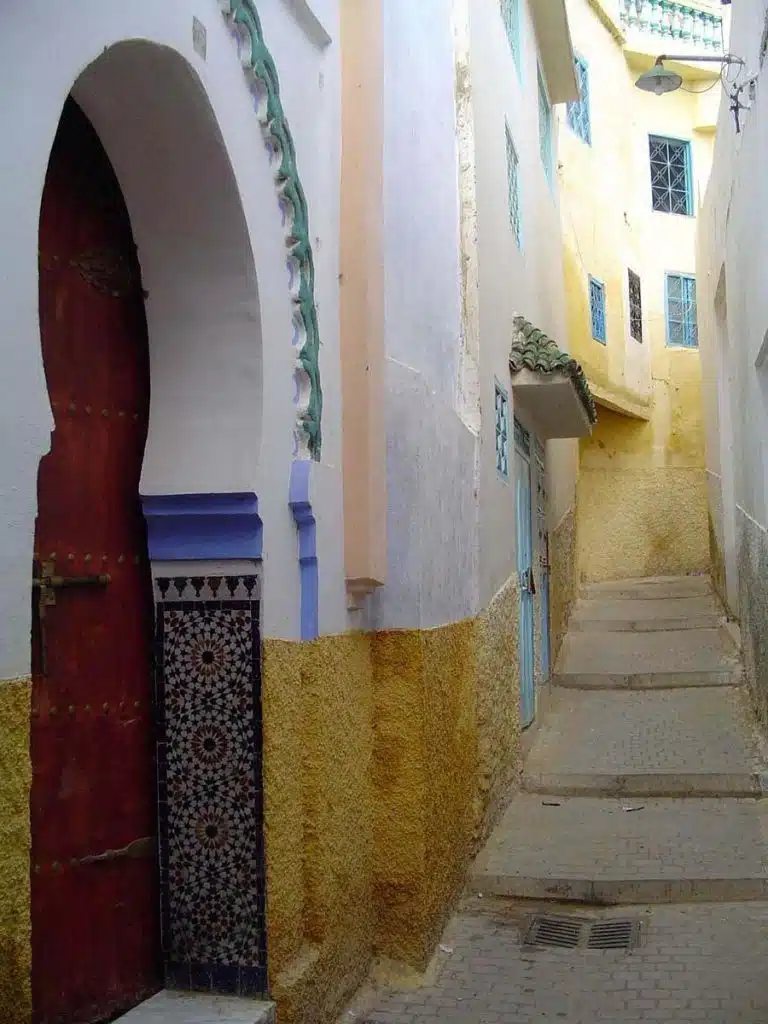
The medina is a maze of thousands of narrow lanes, and cars cannot enter. That makes it a relief for walkers, although the odd motorbike or donkey cart will squeeze through the crowd. Do not worry about getting lost. Everyone does, and shopkeepers will usually point you towards a main gate. Go early in the morning, when the lanes are quiet and the light is soft.
2. Watch leather being dyed at Chouara tannery
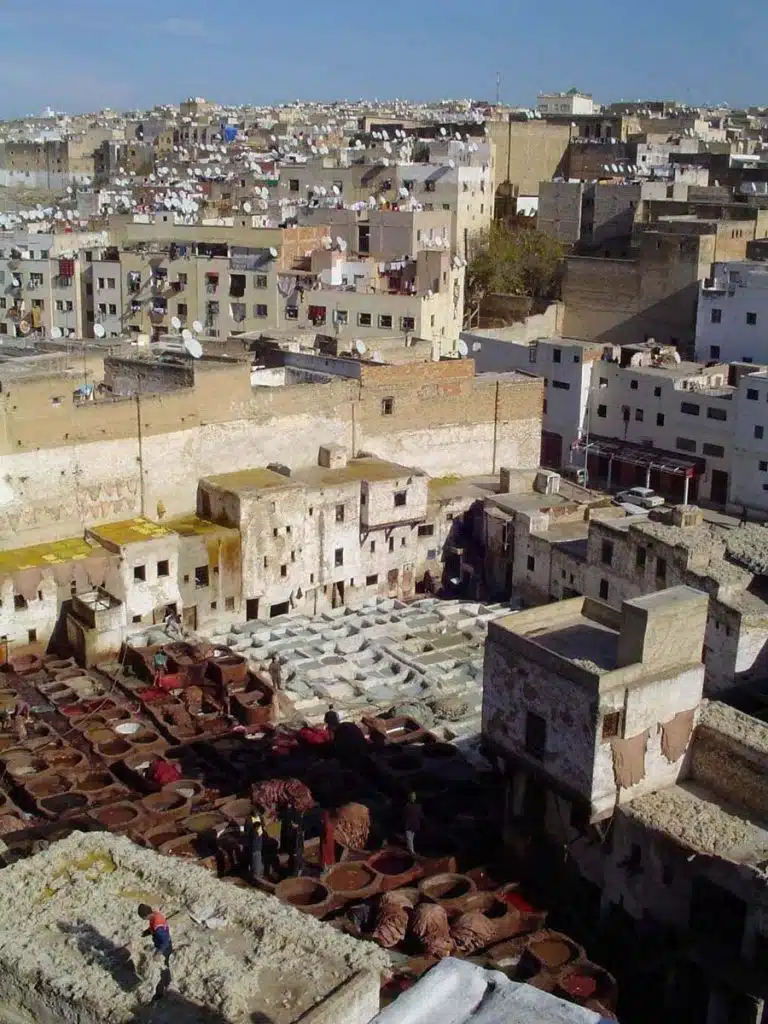
Chouara is the best known of the city’s tanneries, and it has worked in much the same way for centuries. Workers soak and dye the hides by hand in rows of stone vats. You watch from the terraces of the surrounding leather shops, where staff may hand you a sprig of mint to hold under your nose. The smell is strong, so bring a scarf. Expect a gentle sales pitch for the bags and slippers inside.
3. Wander through the souks
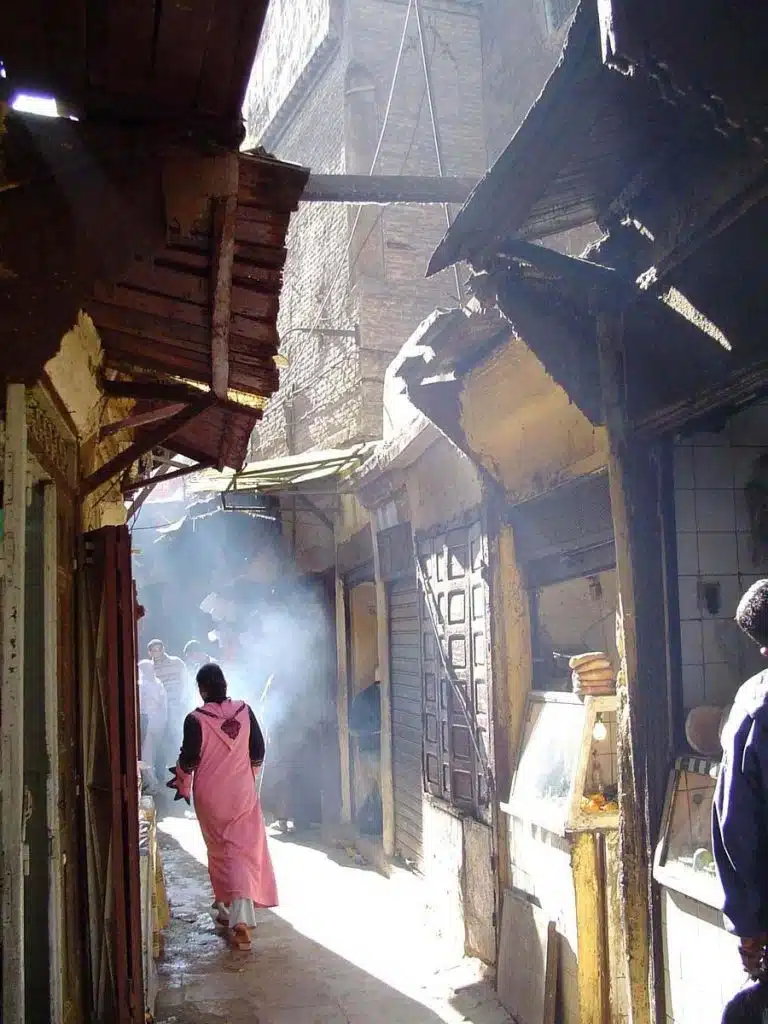
Keep a few days free for the souks. They are filled with colourful rugs, silver trinkets, pottery, spices and leather goods, and many of the crafts are still made in the workshops next door. Bargaining is normal, so stay friendly and relaxed. If you want to take a photo of a stall, a craftsman or his goods, always ask first. Not everyone is comfortable being photographed.
4. Visit the University of al-Qarawiyyin
Al-Qarawiyyin was founded in 859 AD by Fatima al-Fihri, first as a mosque. It grew into one of the leading centres of learning in the Muslim world and is often described as one of the oldest universities still in operation. It became part of the modern state university system in 1963. The teaching focuses on Islamic religious and legal sciences, with other subjects offered too. You can admire the doorways and courtyards from the lane outside.
5. See the old water clock
Fez has one of the oldest water clocks in the world, the Dar al-Magana, built in 1357 opposite the Bou Inania Madrasa. A steady flow of water drove a mechanism that struck the hours. Nobody knows exactly how it worked, because documentation is scarce. The brass bowls were removed for restoration in 2004, and the clock is still being studied. The row of wooden platforms and windows on the wall is still worth a look.
6. Step inside the Bou Inania Madrasa
This 14th-century Marinid madrasa is one of the few religious buildings in Fez that non-Muslim visitors can enter. The courtyard is lined with carved cedar, stucco and zellige tilework, and a small channel of water runs through the centre. It is a good place to see traditional Moroccan decoration up close. Check the opening times and any entry fee locally, as they can change.
7. Buy a Fez hat in the city that named it
The red felt hat known as the fez takes its name from this city. Until the 19th century, Fez was the main place where it was made. Today, similar hats are also produced in Turkey and elsewhere, but it still feels right to buy one here. Look in the medina for shops selling tarbooshes, and ask about the felt and the dye before you pay.
8. Photograph the Royal Palace gates
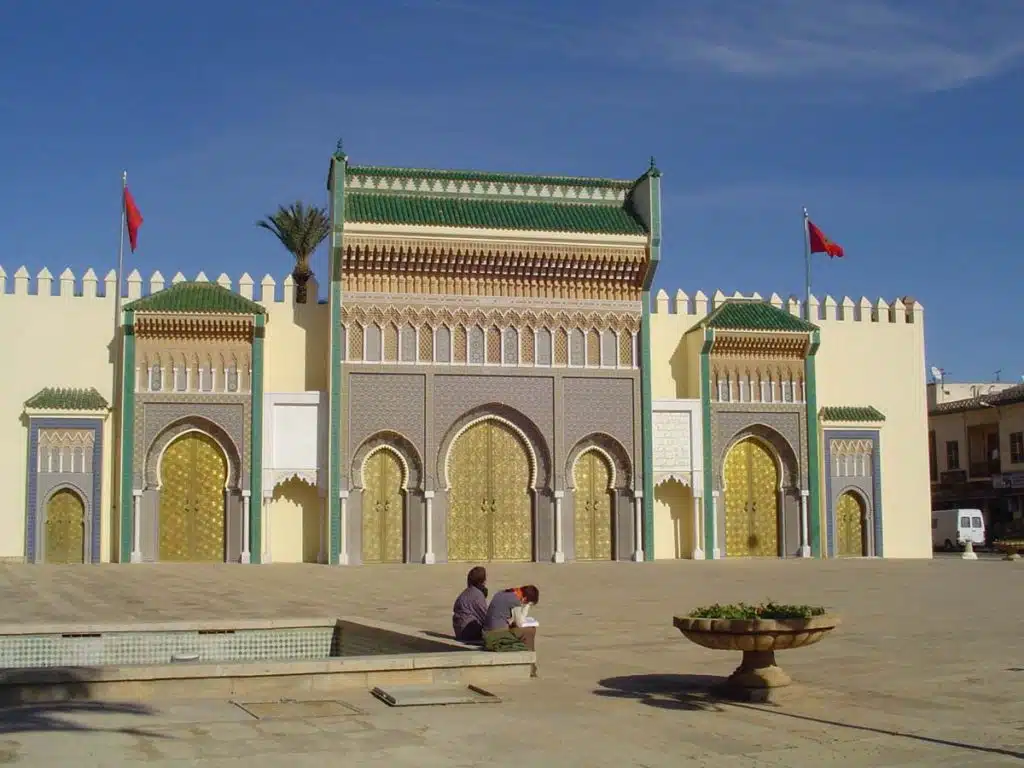
The Royal Palace sits in Fez el-Jdid, the newer royal quarter founded in the 13th century. The palace is closed to the public, but the huge brass doors and the tiled walls around them make a fine stop. The square in front is easy to reach and usually calm. Go in the morning or late afternoon for the best light on the metal and tilework.
9. Explore the Mellah
The Mellah is the old Jewish quarter of Fez el-Jdid, near the palace. Its streets look different from the medina, with tall houses and balconies that open onto the street. A historic synagogue and a Jewish cemetery with white tombs are nearby. The quarter shows how Jewish and Muslim communities shared this city for centuries, and it is usually less crowded than the main medina.
10. Learn about Fez as an imperial capital
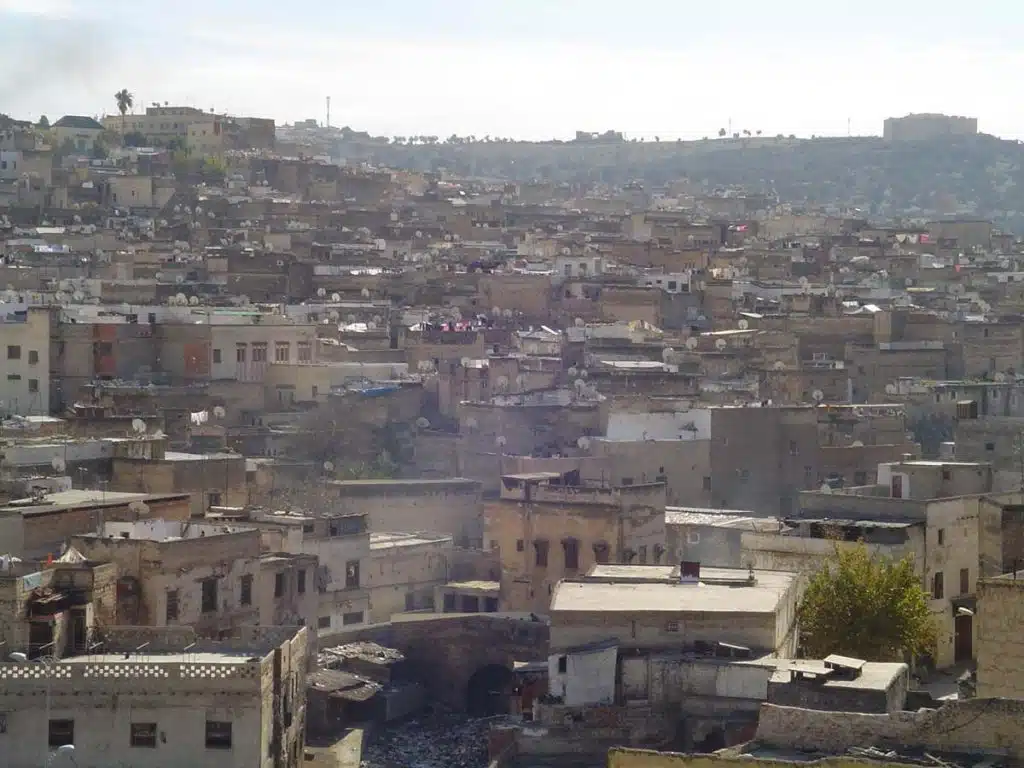
Fez is the oldest of Morocco’s four imperial cities, founded in 789 AD. The others are Marrakech, Meknes and Rabat. Fez served as the capital under the Idrisid, Marinid, Wattasid and Alaouite dynasties. That long history explains why the city has so many madrasas, fountains, palaces and gates. A local guide can help you connect the dates with the places you pass.
11. Spot the city’s mosques
Every neighbourhood in Fez traditionally had its own mosque, along with a bakery, a school and a public fountain. As a result, the city has hundreds of mosques, and their minarets rise above the rooftops from many viewpoints. Most mosques in Morocco are closed to non-Muslims, so admire them from outside. If you want to know which religious buildings you can visit, ask a local tourist office or a licensed guide.
12. Climb to the Marinid Tombs for the view
On a hill north of the medina, the ruined Marinid Tombs give one of the best views over Fez. From here the old town spreads out below you, a mass of flat roofs, domes and minarets. Go in the late afternoon, when the light turns golden and the call to prayer drifts across the valley. Take a taxi up, and walk down if you feel like it.
When to visit Fez
Spring (March to May) and autumn (September to November) are the most comfortable seasons, with warm days and cool evenings. Summer can be very hot, so plan walking in the early morning and late afternoon. Winter is cooler and can be wet. During Ramadan, which moves each year, some places keep shorter hours, but evenings are lively.
Tips for planning your trip
Fez has an airport with flights from several European cities, and trains run from Rabat, Casablanca and Tangier. Taxis are the easiest way to reach the medina gates, but inside you will walk. Staying in a riad in the medina saves time. Wear comfortable shoes, carry small change, and agree prices before you buy. For day trips, consider Meknes or the Roman site of Volubilis. Check your government’s current travel advice before you go.
Questions about Fez
How many days do you need in Fez?
Two to three days is enough to see the main sights in the medina and Fez el-Jdid. Add an extra day if you want a day trip to Meknes or Volubilis.
Is Fez easy to get around?
The medina is on foot only, and it is easy to get lost. Many visitors hire a licensed guide for the first day. Outside the walls, small taxis are cheap and plentiful.
Can non-Muslims enter mosques in Fez?
Most mosques are closed to non-Muslims. The Bou Inania Madrasa is one of the few religious buildings you can usually enter, so check locally for current rules.
Free photos: Rabat, Fes and Meknes (46 photos), Tangier and Tétouan (85 photos).