Traditional Houses Around the World: 10 Places to See

Some houses tell you where you are at a glance: wooden homes on stilts above the water, rooms cut into soft rock, farmhouses with grass growing on the roof, tall brick canal houses and colourful Victorian terraces. This list covers the best places to see these traditional homes. Each style grew out of local materials and needs, and many are still lived in.
Most of them fit into a city break or a day trip, and several have small museums where you can step inside. For more ideas, browse our free house pictures. Here are 10 famous traditional houses and villages around the world, with tips on visiting them.
1. Tai O, Hong Kong
Tai O is a fishing village on the west side of Lantau Island. It is home to the Tanka people, who have built their houses on stilts above the tidal flats for generations. The houses are joined by walkways along the creek, and the scene changes a lot between high and low tide. Short boat trips leave from the village and are the easiest way to see the stilt houses from the water. To get there, take bus 11 from MTR Tung Chung Station or bus 1 from the Mui Wo ferry pier.
2. Nzulezo, Ghana

Nzulezo is a whole village built on stilts over a lake in the Amansuri wetland in western Ghana. Homes stand on wooden platforms joined by a long boardwalk. The journey is half the experience: you reach the village by dugout canoe from the visitor centre at Beyin, about 90 km west of Takoradi. The ride takes about an hour and passes through swamp forest with herons, egrets and kingfishers. Bring water and sun protection, and check your government’s current travel advice before you go.
3. Khlong Bang Luang, Bangkok, Thailand
On the Thonburi side of the Chao Phraya River, old wooden houses stand on stilts along the khlongs, the canals that once served as Bangkok’s streets. Khlong Bang Luang is one of the best-known canal communities, with wooden homes, small temples and the Artist’s House, an old wooden home now used as an arts space. Long-tail boat tours run through these canals from piers on the river, and some stop here. Go early in the day, when it is cooler and the light on the water is softer.
4. Cappadocia, Türkiye

In central Türkiye, people carved homes, churches and pigeon houses into soft volcanic rock over many centuries. Göreme National Park and the Rock Sites of Cappadocia are a UNESCO World Heritage Site. In Göreme, Uçhisar and Ortahisar you can walk past rock-cut houses, and many old cave dwellings are now hotels where you can spend the night. The Göreme Open Air Museum, a group of rock-cut churches with painted walls, needs a ticket. Spring and autumn are the most comfortable seasons for walking in the valleys.
5. Árbær Open Air Museum, Reykjavík, Iceland

Árbæjarsafn is part of Reykjavík City Museum. It brings together old buildings from around the city on the site of Árbær, a farm that was worked well into the 20th century. You can see turf-roofed farmhouses with white wooden gables, a small turf church, workshops and furnished rooms. Turf was the main building material in Iceland for centuries because timber was scarce. The museum is open all year, with shorter hours in winter, and offers guided tours in English. Pair it with our guide to Reykjavík’s cultural and historical attractions.
6. Canal Ring, Amsterdam, Netherlands
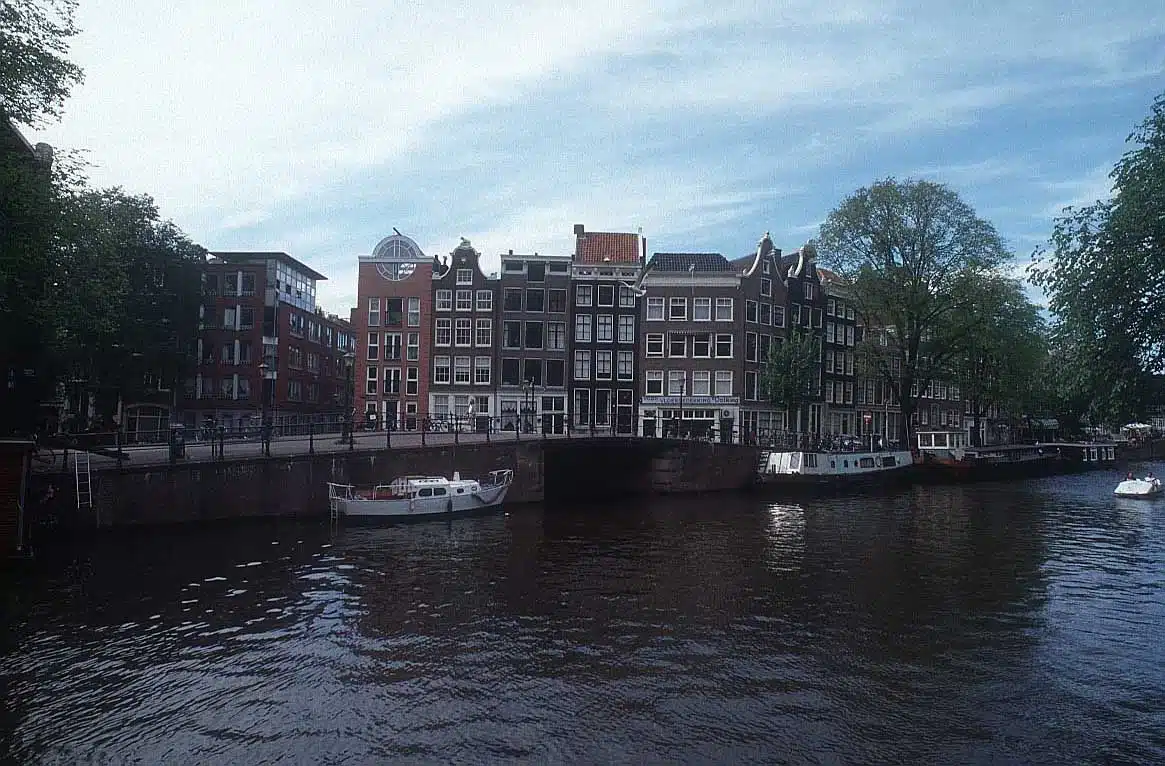
Amsterdam’s 17th-century canal ring is a UNESCO World Heritage Site, lined with tall, narrow brick houses with step, neck and bell gables. Many still have a hoisting beam at the top, used to lift goods and furniture through the windows because the stairs inside are so steep. Walk along the Herengracht, Keizersgracht and Prinsengracht, or take a canal boat for the view from the water. To see inside, visit the Museum of the Canals at Herengracht 386 or Museum Van Loon. For more ideas, see our things to do in the Netherlands.
7. Three Brothers, Riga, Latvia
The Three Brothers on Mazā Pils iela in Old Riga are the oldest medieval dwelling houses in the city. Legend says three men of one family built them. Side by side, they show how Riga homes changed over the centuries. Today they hold the Latvian Museum of Architecture, so you can go inside as well as admire the fronts. The street is a short walk from Riga Cathedral. Find more ideas in our guide to things to do in Riga.
8. Victorian houses, San Francisco, USA

San Francisco has thousands of Victorian and Edwardian wooden houses, painted in bright colours, with bay windows and carved trim. The most photographed row is the Painted Ladies on Steiner Street, facing Alamo Square park. Walk on to the streets around Buena Vista Park and Haight-Ashbury, then to Pacific Heights for larger, grander homes. These are private houses, so stay on the pavement and keep noise down. The Painted Ladies face the park, so late afternoon light is usually best for photos.
9. Sassi di Matera, Italy
In Matera, in southern Italy, the Sassi are two old districts of houses and churches dug into the limestone of a ravine. By the 1950s living conditions were so poor that residents were moved to new housing. Since then the area has been restored, and many caves are now homes, hotels and restaurants. The Sassi and the Park of the Rupestrian Churches are a UNESCO World Heritage Site. Visit a furnished cave house museum to see how families once lived alongside their animals. Wear good shoes for the steep stone steps.
10. Glaumbær, Iceland
Glaumbær in Skagafjörður, north Iceland, is a turf farm whose buildings date from the mid-18th century to 1879. A farming family lived here until 1947, and it is now part of the Skagafjörður Heritage Museum. Inside, a passage links a row of turf-walled rooms, from the kitchen to the shared sleeping room. Glaumbær is close to the Ring Road, so it is an easy stop on a road trip around Iceland. It is open daily from late May to late September, with limited opening at other times.
Tips for visiting
Many of these houses are still homes. Stay on public paths, keep voices down, ask before you photograph people and do not fly drones over houses without permission. In stilt villages and canal districts, a boat trip gives the best view, and in Tai O it is worth checking the tides, since low and high water look very different. Cave and turf houses have low doors, uneven floors and steep steps, so wear good shoes and mind your head. Book cave hotels early for spring and autumn, carry some cash for small boat trips, and check museum opening times, as many change by season.
Questions about traditional houses around the world
Do people still live in these traditional houses?
Yes, in most of them. Families live in the stilt houses of Tai O, Nzulezo and Bangkok, and in the canal houses and Victorians, while the Icelandic turf houses are now mainly museums.
Can you stay overnight in a cave house?
Yes. Cappadocia and Matera both have many cave hotels in restored rock-cut homes, from simple rooms to larger suites.
Why did Icelanders build houses from turf?
Timber was scarce in Iceland, while turf and stone were easy to find. Thick turf walls and roofs also kept the heat in during long, cold winters.


