Things to Do in Merida, Mexico: 12 Best Places and Day Trips
Merida is the capital of the state of Yucatan in south-eastern Mexico. It was founded by the Spanish in 1542 on the site of the Maya city of T’ho. Today it is a walkable colonial city with grand mansions, lively plazas, good food and a strong Maya heritage.
It also makes an excellent base. Within a day’s drive you can reach Maya cities, swimming cenotes, old henequen haciendas and a coastline full of flamingos. Here are the 12 best things to do in Merida and around it, with tips on when to go and how to plan your trip.
1. Plaza Grande and the Cathedral
Plaza Grande, also called the Plaza de la Independencia, is the heart of the city. Shady trees, stone benches and cafes surround it. On one side stands the Cathedral of San Ildefonso, built in the 16th century with stone taken from Maya temples. It is one of the oldest cathedrals in the Americas. Come in the evening, when the square fills with families and street musicians.
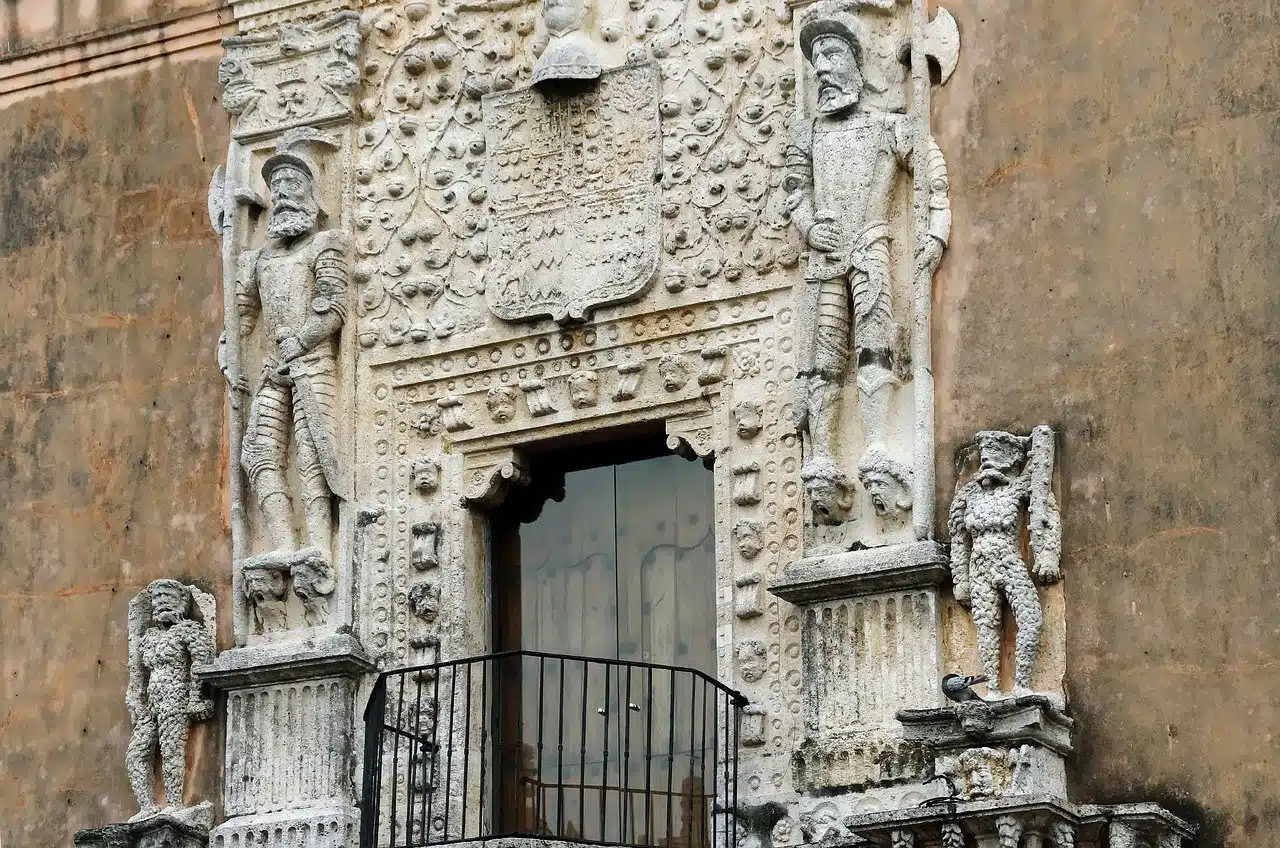
2. Casa de Montejo
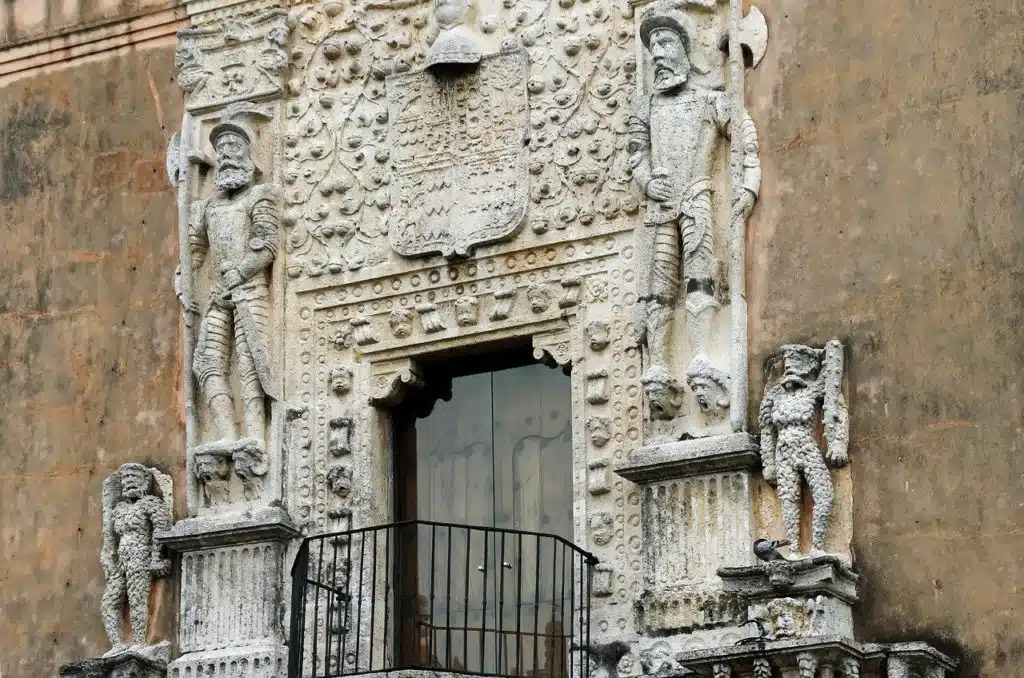
This mansion stands on the south side of the plaza. It was built in the 1540s for the Montejo family, who founded the city. Its carved stone facade is a fine example of plateresque style, with coats of arms and figures above the doorway. Parts of the house can be visited, so you can see how a wealthy colonial family lived.
3. Paseo de Montejo
This wide, tree-lined avenue was laid out in the late 19th century. Wealthy families built mansions along it during the henequen boom, when the region grew rich from rope fibre. Many of the houses are still standing, and some are now banks, offices or museums. It is a pleasant place for a walk, a bike ride or a coffee in the shade.
4. Gran Museo del Mundo Maya
This modern museum is a good place to start before you visit the ruins. It explains Maya history, art and daily life, and also looks at Maya communities today. Its collection includes objects from sites across the Yucatan Peninsula. Allow a couple of hours, and note that exhibits are mainly in Spanish and English.
5. Santa Lucía Park and Sunday events
Parque de Santa Lucía is a small, quiet square lined with arcades, a short walk from the plaza. It is known for evening music and dance events, and for its cafes and restaurants. On Sundays, central streets close to traffic and the city fills with markets, craft stalls, food and performances. It is the best day to see local life.
6. Yucatecan food and the market
Yucatecan cooking is different from the food in the rest of Mexico. Try cochinita pibil, which is pork slow-cooked in citrus and achiote, as well as sopa de lima and panuchos. The central market, Mercado Lucas de Gálvez, is a busy place to browse spices, fruit and snacks. Go in the morning, when the stalls are at their best.
7. Mayapan ruins
Mayapan lies south-east of Merida, roughly an hour away by road. It was a major Maya centre in the Post-Classic period, from about the 13th to the 15th century. A defensive wall once surrounded the city, and many temples, halls and shrines survive. Mayapan is much quieter than the big-name sites, so you can explore at a relaxed pace.
8. Uxmal
Uxmal is a UNESCO World Heritage Site south of Merida, about an hour and a half by road. It is famous for the Pyramid of the Magician, with its rounded sides, and for the Governor’s Palace. The buildings are covered in detailed stone carving in the Puuc style. Bring a hat and water, as there is little shade.
9. Chichen Itza
Chichen Itza is the best known Maya site in Mexico and also a UNESCO World Heritage Site. Its main landmark is El Castillo, a stepped pyramid dedicated to the feathered serpent god Kukulkan. You can also see a huge ball court and an observatory known as El Caracol. It is a long day trip from Merida, so go early to beat the heat and the crowds.
10. X’batun cenote and other cenotes
Cenotes are natural sinkholes filled with clear groundwater, and the Yucatan has thousands of them. X’batun lies about an hour’s drive from Merida, and the area around Cuzamá, south-east of the city, has several more you can visit. The water can look aquamarine or deep blue, with roots and vines hanging down. Many cenotes rent life jackets, and weekdays are usually quieter.
11. Hacienda Sotuta de Peón
This working henequen hacienda near Tecoh shows how the plant was turned into rope fibre during the boom years. Guides take you through the fields and the processing buildings. You ride in a small cart on rails pulled by a mule, called a truk. The visit usually ends with a swim in a cenote on the property.
12. Celestún and its flamingos
Celestún is a small fishing town on the Gulf of Mexico, about an hour and a half west of Merida. It sits beside a biosphere reserve with shallow lagoons and mangroves. Boat trips take you to see flocks of flamingos, along with many other birds. The flamingos are usually easiest to see in the cooler months.
When to visit Merida
The dry season, from about November to March, is the most comfortable time, with warm days and cooler evenings. From April to October it gets hot and humid, and the main rains fall in the summer and early autumn. The Atlantic hurricane season runs from June to November. Whatever the month, plan outdoor sightseeing for the morning.
Tips for planning your trip
Merida has its own international airport, and long-distance buses connect it with Cancún, Campeche and other cities. In town, most sights are within walking distance. For the ruins, cenotes and haciendas, a hire car gives you the most freedom, though organised tours are easy to find. Izamal, the “yellow town” with its large convent, also makes a good day trip. Wear light clothes, bring sun cream and carry some cash for small entrances. Check your government’s current travel advice for Mexico before you go.
Questions about Merida
How many days do you need in Merida?
Allow two days for the city and at least two or three more for day trips to the ruins, cenotes and the coast. A week lets you see everything at an easy pace.
Is Merida a good base for Chichen Itza and Uxmal?
Yes. Both sites can be reached in a day from Merida by car, bus or tour. Chichen Itza is about two hours away and Uxmal about an hour and a half.
What is a cenote?
A cenote is a natural sinkhole where the limestone has collapsed to reveal groundwater. The Maya considered many of them sacred, and today visitors can swim or snorkel in them.