Things to Do in Akko (Acre): 12 Best Places and Experiences
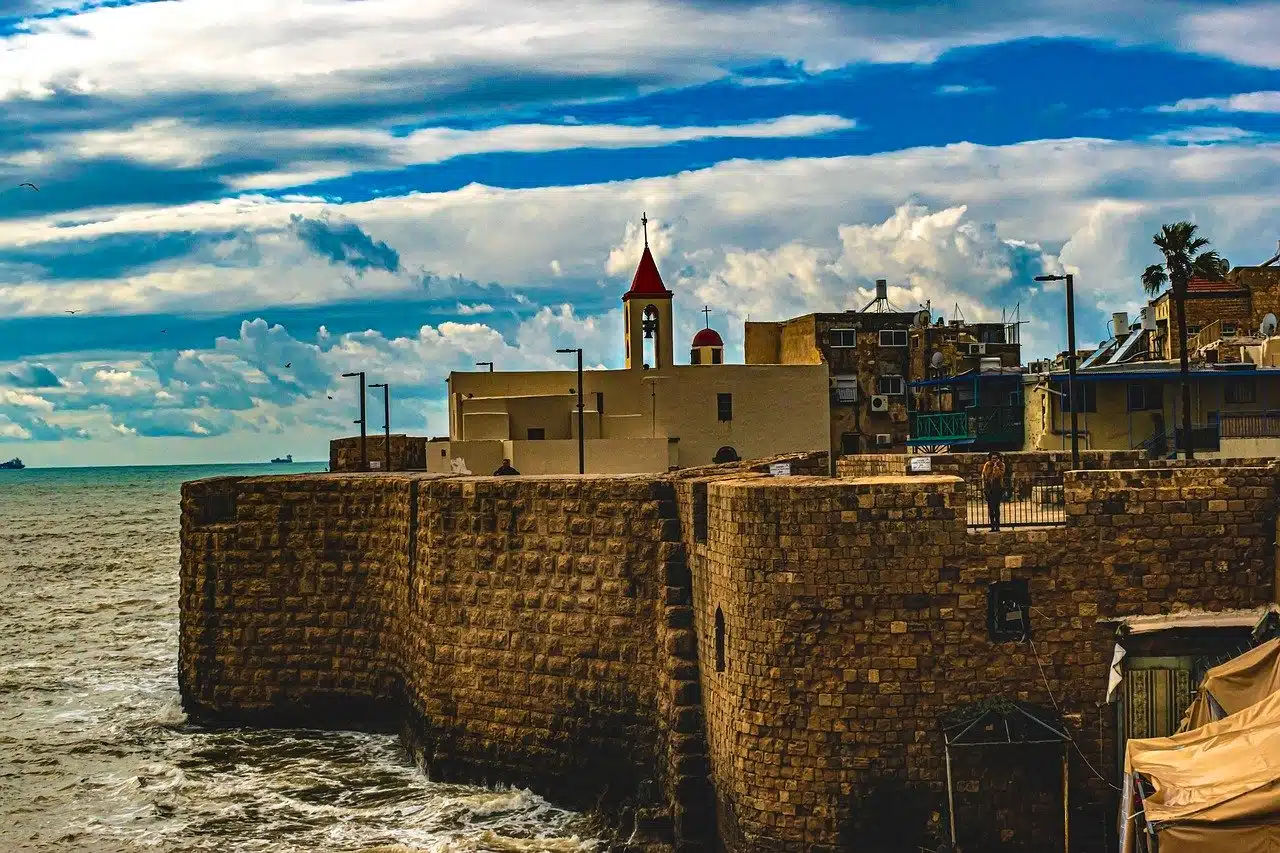
Akko, also known as Acre, is an ancient walled port city on the coast of northern Israel, at the northern end of Haifa Bay on the Mediterranean. People have lived here for thousands of years. Phoenicians, Crusaders, Ottomans and many others have left their mark. The Old City is a UNESCO World Heritage Site and is still a living neighbourhood with homes, markets and fishing boats.
It suits many kinds of traveller. History fans can walk through Crusader halls and a secret tunnel. Photographers get sea walls, stone alleys and a busy harbour. Food lovers can eat fresh fish and seafood in family-run restaurants by the water. Here are the 12 best things to do in Akko (Acre), with tips on when to go and how to plan your trip.
1. Wander the Old City of Acre
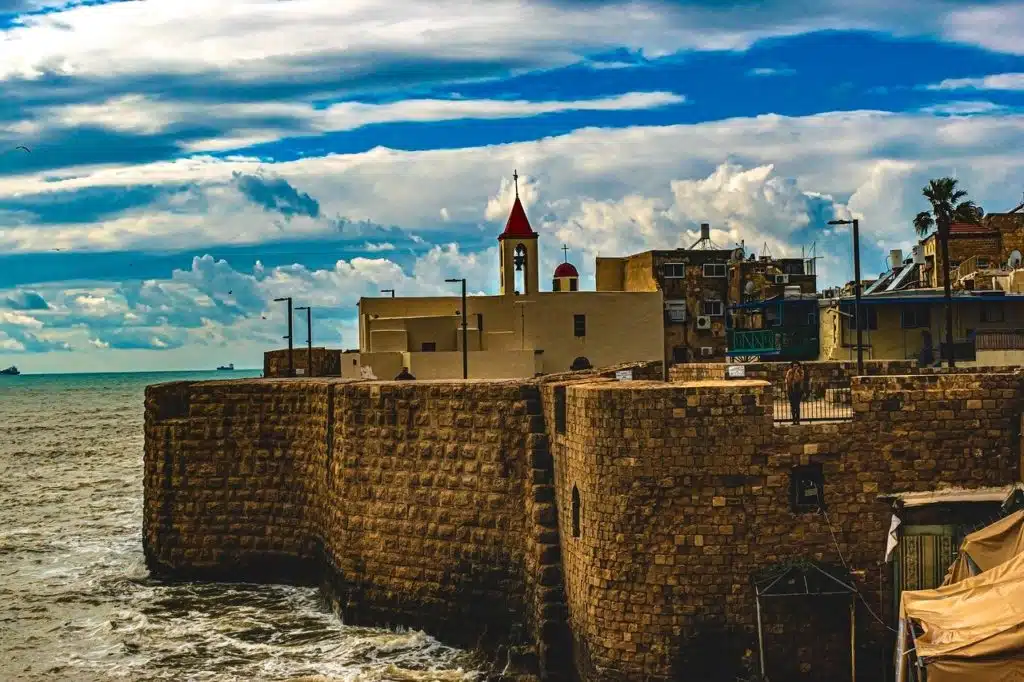
The Old City was added to the UNESCO World Heritage List in 2001. Most of what you see above ground is Ottoman, built on top of the Crusader town, which still lies underneath. Start without a fixed plan. Walk the narrow lanes, look into courtyards and let the sea breeze guide you towards the harbour.
2. Walk along the city walls
Massive walls surround the Old City on its land and sea sides. The Crusaders built the first defences, and the Ottomans strengthened them in the 18th century. They helped the city hold out when Napoleon besieged it in 1799. You can walk on parts of the ramparts and along the sea wall. The views of the water, the rooftops and the minarets are excellent, especially late in the afternoon.
3. Explore the Hospitaller Fortress
Acre was the main base of the Knights Hospitaller from 1191 until the city fell in 1291. They ran a hospital here for sick pilgrims. Today you can walk through huge vaulted halls, a refectory and a crypt, all partly underground. It is one of the best places in Israel to understand life in a Crusader city. Allow at least an hour.
4. Walk through the Templar Tunnel
This narrow passage, about 350 metres long, links the Templar fortress area with the port. It was found by accident in 1994 and opened to visitors in stages. You walk along a wooden path, and the stone walls feel close on both sides. It is short but atmospheric, and it gives a real sense of how the Crusaders moved around under their own city.
5. Visit the Citadel and the Underground Prisoners Museum
The Ottoman citadel stands in the north of the Old City, on older Crusader foundations. Under British rule it was used as a prison. Today part of it is a museum about Jewish underground fighters who were held and tried here. You can see the cells, the courtyards and the gallows room. It is a serious but well-told story, and the building itself is worth the visit.
6. See the Al-Jazzar Mosque
Built in 1781 by the Ottoman governor Ahmad Pasha al-Jazzar, this is one of the largest Ottoman mosques in Israel. It has a green dome, a quiet courtyard with trees and an elegant fountain for washing. Visitors are usually welcome outside prayer times. Dress modestly, cover your shoulders and knees, and be ready to take off your shoes if you go inside.
7. Admire Khan al-Umdan
The Inn of the Pillars stands near the harbour and was built in the 1780s under al-Jazzar. Merchants once stayed here with their goods and animals. Its large two-storey courtyard is surrounded by arches and re-used granite columns, which give the building its name. Even if you only stop for ten minutes, it is a lovely place to take photos and picture the old trade routes.
8. Step inside Hammam al-Pasha
This Ottoman bathhouse was also built by al-Jazzar and was in use for about 150 years. It is now a museum. Marble halls, domed ceilings and a steam room are still there, and an audiovisual show explains how the bathhouse worked. It is a calm, cool break from the sun and one of the more unusual sights in the Old City.
9. Browse the market
The covered market is the place to see everyday Akko. Stalls sell spices, olives, fresh bread, sweets, coffee and household goods. Vendors chat with regulars, and the smells change every few steps. Come in the morning when it is busiest. Buy a snack, try a sweet pastry and take your time. It is also a good place to pick up small souvenirs.
10. Stroll the harbour and take a boat trip
The small fishing harbour is the heart of the old port. Wooden boats bob beside stone walls, and you can see the old lighthouse and the sea gate. Short boat trips run along the sea walls and give a different view of the fortifications. Sunset here is calm and pretty. Walk to the end of the breakwater if you want an open view of the bay.
11. Visit the Bahá’í Gardens at Bahji
A few kilometres north of the Old City, Bahji is the holiest place of the Bahá’í faith. The Shrine of Bahá’u’lláh sits among carefully kept lawns, paths and flower beds. It is a UNESCO World Heritage Site, together with other Bahá’í sites in the region. The atmosphere is peaceful. Check opening days before you go, as visiting hours are limited.
12. Eat seafood, hummus and sweets
Akko’s food reflects its Arab, Jewish and Mediterranean mix. Try fresh fish, calamari and other seafood in harbour restaurants, plus hummus, salads and grilled dishes. Finish with knafeh or baklava. Many places are small and family-run. Eat a late lunch by the water, and ask the staff what came in from the boats that morning.
When to visit Akko
The best months are April to June and September to November, when the weather is warm but comfortable for walking. Summer is hot and humid, so start early and rest in the shade at midday. Winter brings some rain and cooler days, but crowds are smaller. Note that many sites and some restaurants close early on Fridays, and trains and buses mostly stop from Friday afternoon until Saturday evening.
Tips for planning your trip
Most visitors fly into Ben Gurion Airport near Tel Aviv. From there, Israel Railways runs trains up the coast to Akko, and buses connect the city with Haifa and other towns. The Old City is small and best explored on foot, so wear comfortable shoes. One full day covers the main sights, and two days allow time for Bahji and long meals. Before you travel, check your government’s current travel advice for Israel and the north of the country.
Questions about Akko
Is Akko the same as Acre?
Yes. Akko is the Hebrew and Arabic name, and Acre is the older English form. You will see both on maps, signs and in guidebooks.
Can I visit Akko as a day trip from Tel Aviv or Haifa?
Yes. The train takes roughly an hour or a little more from Tel Aviv and is shorter from Haifa. A day trip is enough for the main Old City sights and a seafood lunch, but staying overnight lets you enjoy the harbour in the evening.
What food should I try in Akko?
Fresh fish and seafood are the top choice, along with hummus, salads and grilled meats. For something sweet, try knafeh or baklava from a local bakery.