Entertainment and Nightlife in Spain: 12 Best Things to Do

Spain is one of the easiest countries in Europe to enjoy after dark and at festival time. Flamenco, street parties, late dinners and clubs that stay open until sunrise are all part of everyday life. Spaniards love to socialise, so almost every town has something going on.
This guide covers shows, traditions, festivals and nightlife across the country. It also builds on our guide to the top activities in Spain. Here are the 12 best things to do in Spain for entertainment and nightlife, with tips on when to go and how to plan your trip.
1. Watch a flamenco performance
Flamenco began in Andalucia and is one of the most recognisable parts of Spanish culture. It combines powerful singing, Spanish guitar, rhythmic hand clapping and dramatic dance. Seeing it live is very different from watching a video. Seville is a good place to start, but you can find shows across the country.
2. Book a table at a tablao
A tablao is a flamenco club where you can watch a show while you have a drink or dinner. Many grew out of the music cafes that were popular in the 19th and 20th centuries. You will find them in Madrid, Barcelona, Seville and Marbella, among other places. To find an authentic one, ask local people or your hotel staff for advice.
3. Eat late and go out for tapas
Evenings in Spain start late. Dinner is often at 9 or 10 pm, and many people move between several bars for small plates and drinks first. Going for tapas is a social activity as much as a meal. Order a few dishes at each bar, stand at the counter and do as the locals do.
4. See a bullfight
Bullfighting, known as corrida de toros, is a traditional spectacle that remains legal in much of Spain. It is also controversial, and animal rights groups protest against it. Opinions among Spaniards differ. The main season runs roughly from spring to early autumn, with events in many cities. Decide for yourself whether it is something you want to attend.
5. Join the San Fermín festival in Pamplona
Every July, Pamplona hosts the San Fermín festival, famous for the Running of the Bulls. Runners dash through the narrow streets ahead of the bulls each morning. The festival also has parades, music, fireworks and plenty of street parties. Book accommodation far ahead, and watch from a safe spot unless you are an experienced runner.
6. Throw tomatoes at La Tomatina
The Tomatina Tomato Fight takes place in the small town of Buñol, near Valencia. It is held on the last Wednesday of August. Thousands of people pelt each other with tomatoes for a short, messy hour. Wear old clothes and goggles, and expect to need a good wash afterwards.
7. Watch Las Fallas burn in Valencia
Las Fallas fills the streets of Valencia with huge sculptures made of wood, cardboard and paper. The festival is held in mid-March. On the final night the sculptures are set on fire in bonfires across the city. Fireworks and loud firecrackers are part of the celebration, so it is a lively time to visit.
8. Hear the drums of La Tamborrada
Each January, San Sebastián celebrates La Tamborrada with a day and night of drumming. Groups in costume march through the streets playing drums and barrels. It is one of the loudest festivals in Spain, and a good reason to visit the Basque coast in winter. The city also has a fine food scene.
9. Go out in Barcelona
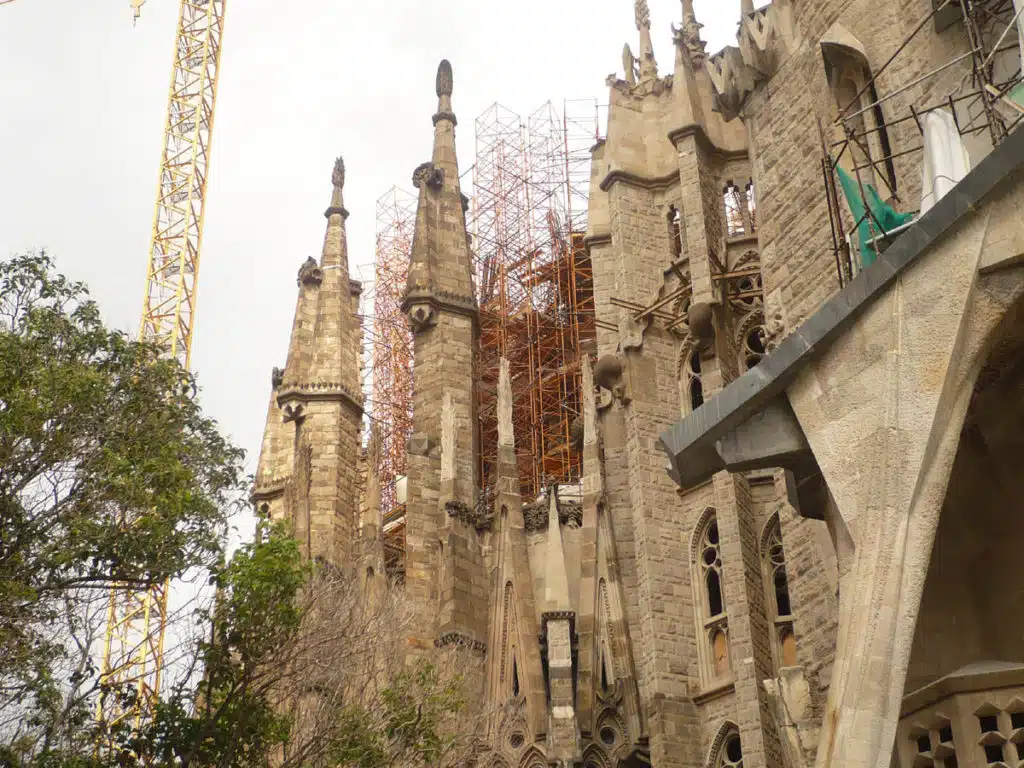
Barcelona has nightlife for every taste. You can start with tapas and cocktails in the old town, then move on to live music venues or beach clubs. Many clubs get busy only after midnight. It is a good idea to see the city’s famous sights by day and save your energy for the evening.
10. Spend a night out in Madrid
Madrid is known for late nights. Bars and terraces stay full well past midnight, and clubs often run until morning. Neighbourhoods such as Malasaña and Chueca are popular for bars and live music. Many locals end the night with chocolate and churros, a classic Madrid tradition.
11. Dance in Ibiza
Ibiza is one of the world’s best known clubbing destinations. Big clubs host international DJs, and many also run daytime beach parties. The main season runs from late spring to early autumn. Outside the party scene, the island also has quiet beaches and old villages if you need a break.
12. Try a casino
Gambling is a popular pastime in Spain, with casinos in cities such as Madrid and Barcelona and in resorts, including the Canary Islands. Many casinos also have restaurants and shows, so you can visit for the evening without playing. Bring photo ID, check the dress code and set a budget before you go.
When to visit Spain for entertainment and nightlife
Spain has events all year. January suits La Tamborrada, March is the time for Las Fallas, July has San Fermín, and late August brings La Tomatina. Summer is the peak season for beach clubs and Ibiza. Flamenco and tapas can be enjoyed at any time, and spring and autumn are cooler and more comfortable for city evenings.
Tips for planning your trip
Spain has major airports in Madrid, Barcelona, Valencia, Seville and Malaga, and a good high speed train network between large cities. Cities are easy to explore on foot, by metro and by taxi. Book hotels early for festivals, as rooms sell out fast. Keep an eye on your belongings in crowds, and check your government’s current travel advice before you go.
Questions about Spain nightlife and entertainment
What time do people go out in Spain?
Dinner is usually after 9 pm, and bars fill up late in the evening. Clubs often get busy after 1 am and stay open until the early morning.
Where can I see real flamenco?
Andalucia is the home of flamenco, and Seville is a good base. You can also find tablaos in Madrid, Barcelona and Marbella. Ask local people for a recommendation.
Which Spanish festival is best for first-time visitors?
Las Fallas in Valencia is a good choice, with art, fireworks and street life. La Tomatina is fun but short, and San Fermín is very crowded, so plan well ahead.