Things to Do in Montevideo: 12 Best Landmarks and Places to Visit
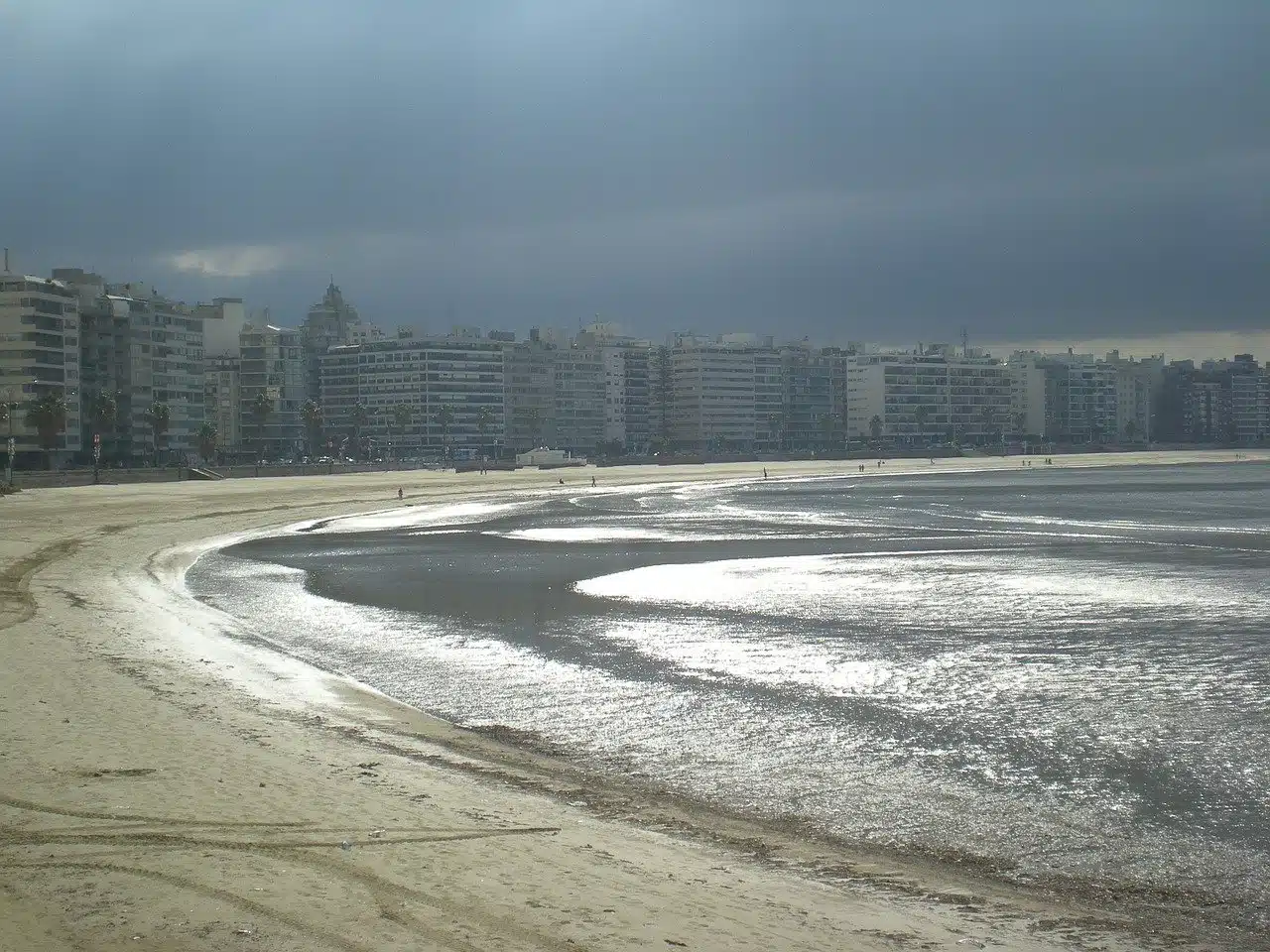
Montevideo is the capital of Uruguay, on the northern shore of the Río de la Plata in South America. It is a relaxed coastal city with a historic old town, grand early 20th century buildings, a long seafront promenade and city beaches. Most main sights sit close together, so it is an easy city to explore on foot.
Visitors come for the architecture, the food, the football history and the easy pace of life. You can see a theatre, a palace and a market in one morning, then spend the afternoon by the water. Here are the 12 best things to do in Montevideo, with tips on when to go and how to plan your trip.
1. Plaza Independencia
Plaza Independencia is the main square of central Montevideo. It sits between the modern downtown and the old town, Ciudad Vieja, so the buildings around it show many different styles. In the middle stands a large statue of José Gervasio Artigas, the national hero, with his tomb below. The Puerta de la Ciudadela, a gate from the old citadel, marks the entrance to the old town.
2. Palacio Salvo
Palacio Salvo rises over the east side of Plaza Independencia. Italian architect Mario Palanti designed it, and it was finished in 1928. For a time it was among the tallest buildings in South America. Its tower and ornate details make it one of the most recognisable landmarks in the city. Today it holds apartments and offices. The best views of it are from the square itself.
3. Teatro Solís
Teatro Solís opened in 1856 and is the best-known theatre in Uruguay. Its design draws on Italian opera houses. The programme includes plays, concerts, opera and dance. If you cannot catch a show, join a guided tour to see the auditorium and the foyers. Check the theatre’s website for tour times and the current programme.
4. Palacio Taranco
Palacio Taranco stands on Plaza Zabala in the old town. French architects Charles Louis Girault and Jules Chifflot León designed it in the early 20th century, and it shows the strong pull of French architecture on the city. The state bought it in 1943. It now houses the Museo de las Artes Decorativas, with furniture, art and fine rooms that show how wealthy families lived.
5. Ciudad Vieja
Ciudad Vieja is the oldest part of Montevideo, on a small peninsula by the port. Walk its narrow streets to find the Plaza Constitución, the cathedral, the old Cabildo, small galleries and cafés. Pedestrian streets such as Sarandí make strolling easy. Go in daytime, when the area is busiest, and keep an eye on your belongings as in any big city.
6. Mercado del Puerto
The Mercado del Puerto is an old iron-framed market hall near the port, now full of grill restaurants. This is the place to try a Uruguayan parrilla, with beef, sausages and other meats cooked over hot coals. It is lively at lunchtime, especially at weekends. Street musicians and craft stalls often gather in the lanes around it.
7. Palacio Legislativo
The Palacio Legislativo is the seat of Uruguay’s parliament and was inaugurated in 1925. It is a large neoclassical building with a big central dome, and the inside is rich in marble, wood and stained glass. Visitors can usually take a guided tour on set days when parliament is not blocking access. Check opening times in advance and bring photo ID.
8. Estadio Centenario and the Football Museum
Football is part of Uruguayan identity. The Estadio Centenario was built for the first World Cup in 1930, which Uruguay hosted and won. A museum inside the stadium tells the story with shirts, trophies and photographs. Even if you are not a fan, the site is an interesting piece of sporting history. Match days bring a great atmosphere.
9. The Rambla
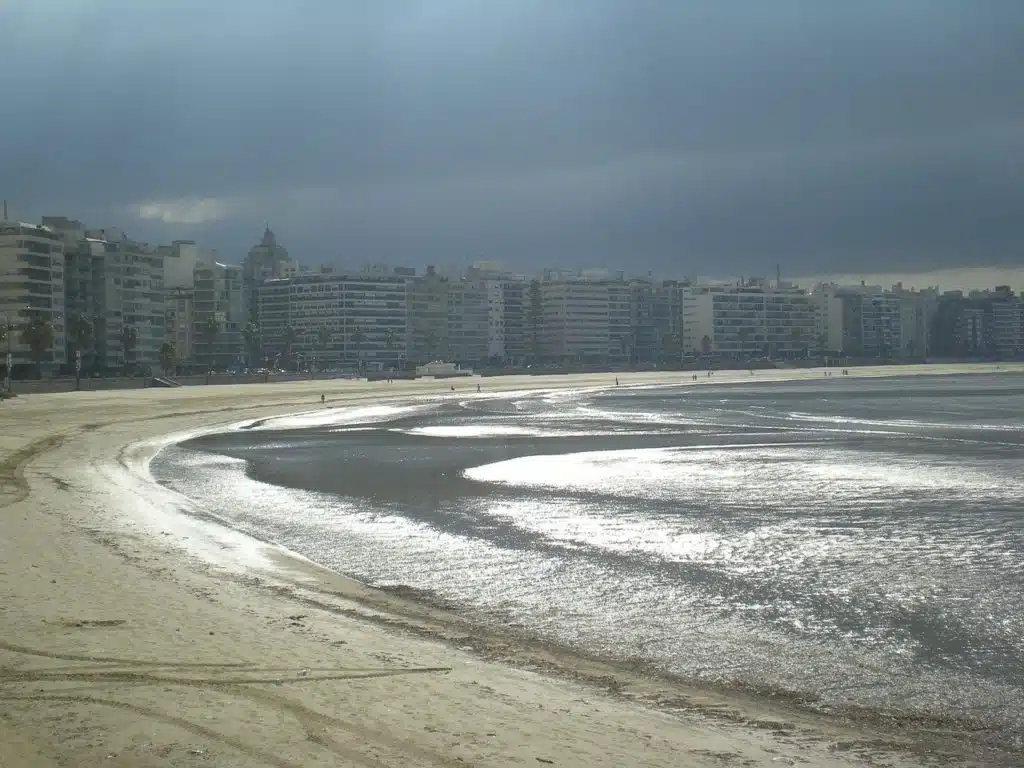
The Rambla is the long promenade that follows the city’s coastline along the river. Locals walk, run, cycle and fish here, and many sit with a mate gourd and a flask of hot water as the sun sets. You can walk any stretch of it and reach beaches, parks and viewpoints. It is a simple, free way to see how Montevideo lives.
10. Pocitos
Pocitos is the city’s best-known beach district. Playa Pocitos has a wide stretch of sand, backed by the Rambla and a line of apartment blocks. In summer it fills with swimmers, football and volleyball players and families. Cafés, ice cream shops and restaurants are just across the road. The water is a river estuary, so it is brown rather than blue, but it is perfectly pleasant for a dip.
11. Parque Rodó
Parque Rodó is a large park near the coast, between the centre and Pocitos. It has a lake with boats, shaded paths, playgrounds and a small amusement park. On weekends there are often craft stalls and families out for the day. It is a good place to rest after sightseeing, and it is close to the Rambla.
12. Day trip to Colonia del Sacramento
Colonia del Sacramento is a small colonial town on the river, about two and a half hours west of Montevideo by bus. Its old quarter, with cobbled streets, low houses and a lighthouse, is a UNESCO World Heritage Site. It makes an easy day trip, or a stop on the way to or from Buenos Aires.
When to visit Montevideo
Summer, from December to February, is the best time for the beaches and the Rambla, and it is also the main holiday season. Carnival, held in January and February, fills the city with drumming and parades. Spring and autumn are milder, with fewer crowds and comfortable weather for walking. Winters are cool and often damp, so pack a jacket, but museums and theatres are at their best then.
Tips for planning your trip
Most visitors arrive by air at Carrasco International Airport, or by ferry from Buenos Aires, either direct or via Colonia. The central sights are walkable, and buses and taxis cover longer distances, such as the stadium and Pocitos. Spend at least two or three days to see the main landmarks and the coast. Take normal city precautions, especially at night, and check your government’s current travel advice before you go.
Questions about Montevideo
Is Montevideo worth visiting?
Yes. It combines historic architecture, good food, beaches and a calm atmosphere, and it is easy to explore. It suits travellers who like walking, culture and local life more than big tourist sights.
How many days do you need in Montevideo?
Two to three days is enough for the main landmarks, the old town and a beach afternoon. Add a day if you want to visit Colonia del Sacramento or go to a football match.
What is the best area to stay in?
Ciudad Vieja and the area around Plaza Independencia are best for sightseeing. Pocitos is better if you want to be near the beach, restaurants and the Rambla.