Things to Do in Exeter: 12 Best Places and Experiences
Exeter is the county city of Devon, in the south west of England. It sits on the River Exe, a short distance from the sea. The city has Roman walls, a Gothic cathedral and a lively quayside, and it is a good base for the Devon coast and countryside.
Exeter is compact, so you can see a lot on foot. Nature, castles and beaches are all close by. Here are the 12 best things to do in Exeter, with tips on when to go and how to plan your trip.
1. Exeter Cathedral
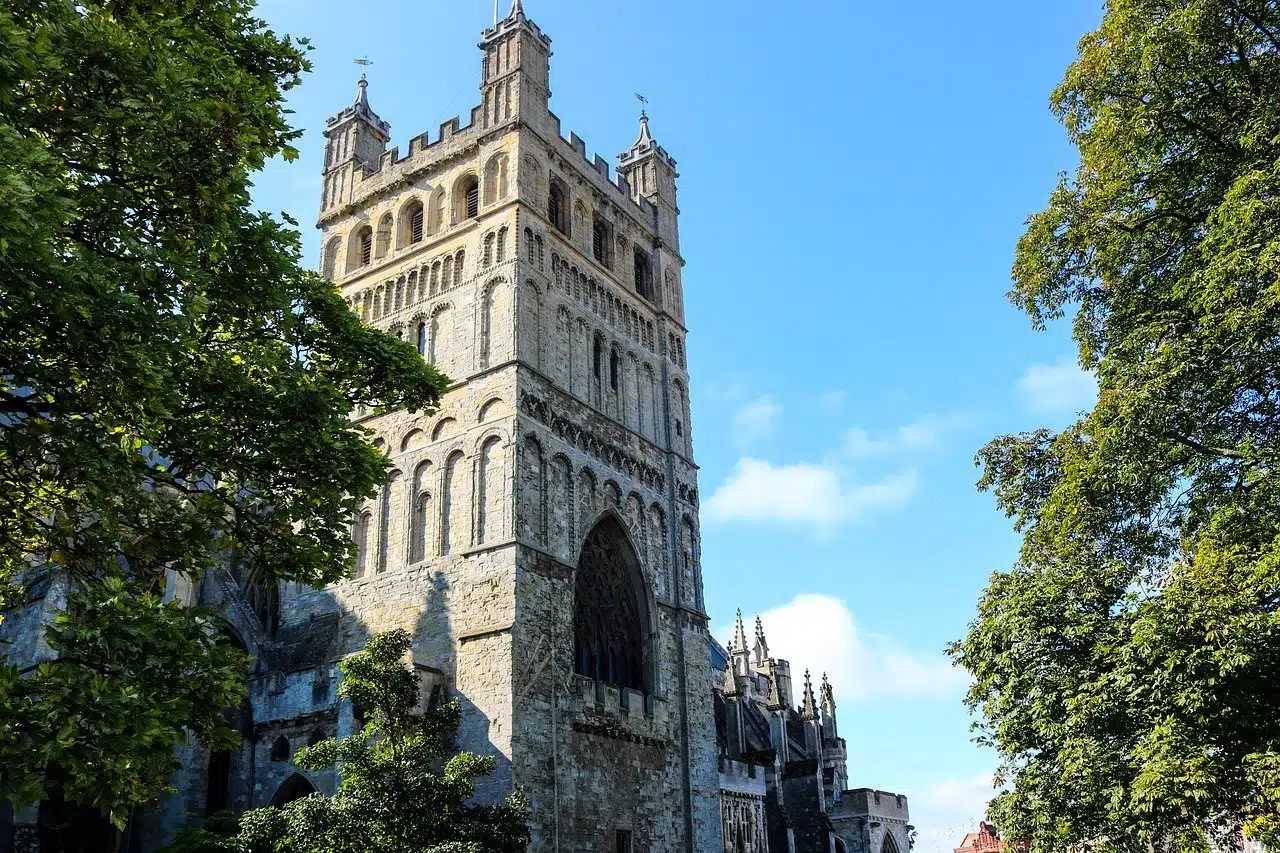
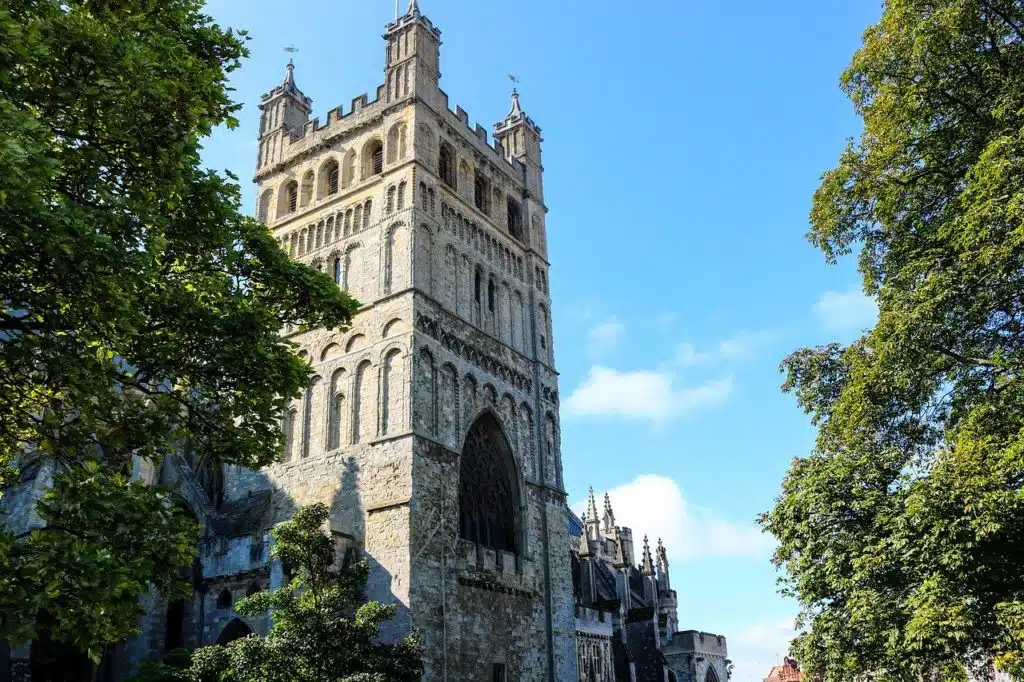
Exeter Cathedral is the city’s best-known building. It is a fine example of English Gothic architecture, and its long stone-vaulted ceiling is often described as the longest unbroken medieval vault in the world. Look up as soon as you step inside. The west front is covered in carved figures, and the cathedral stands in a peaceful green with cafes and old buildings around it.
2. Exeter Quayside
The old quay on the River Exe is the best place to soak up the local atmosphere. Historic warehouses now hold cafes, pubs, restaurants, craft shops and antique stalls. You can walk or cycle along the water, hire a boat or simply sit with a drink and watch the world go by. The Custom House Visitor Centre explains how the quay once served the city’s trade.
3. Exeter’s Underground Passages
Beneath the city centre there are medieval vaulted tunnels, built to carry fresh water to the people of Exeter. Few other places in Britain have anything like them. You can only enter on a guided tour, which includes a short film and a walk through narrow, low passages. Booking ahead is wise in busy periods. It is a good rainy day choice.
4. Redcoat Guided Tours
Exeter’s Redcoat Guides are trained volunteers who lead free walking tours of the city. Different tours focus on different themes, from Roman Exeter to the cathedral area and the quay. Exeter is one of the oldest cities in England, with roots that go back before the Romans, so there is plenty to explain. Wear comfortable shoes, and check the current timetable and booking rules before you go.
5. The Roman City Wall
Much of the old wall that once surrounded the Roman town of Isca Dumnoniorum still stands. Later generations repaired and added to it, so it shows many centuries of building. You can follow long stretches of it on foot, passing gardens and quiet corners of the city. It is a free and easy way to see how Exeter grew.
6. Royal Albert Memorial Museum
Known locally as RAMM, this museum on Queen Street covers art, natural history, world cultures and local history. It is a good stop if you want to understand the city and Devon beyond the main sights. The building is handsome and the collections suit all ages. Check the website for current opening times and any special exhibitions.
7. The Guildhall and High Street
Exeter’s Guildhall on the High Street is said to be one of the oldest municipal buildings in England still in use. Its timber roof and portrait-lined hall are worth a look when it is open. The nearby streets mix chain shops, independent stores and tiny medieval lanes. A stroll here shows the old and new city side by side.
8. The Exe Estuary Trail
This mainly flat walking and cycling route follows the Exe Estuary and links Exeter with Topsham, Exmouth and Dawlish Warren, with some sections using ferries or rail. The scenery changes from riverside towns to open mudflats and reedbeds. The estuary is protected for its birds, and in winter large numbers of waders and wildfowl feed here. Bring binoculars if you like birdwatching.
9. Topsham
Topsham is a small town on the estuary, a short ride or train journey from Exeter. It has Dutch-style brick houses, a long maritime history, independent shops and good pubs and restaurants. It is an easy and pleasant place to stop on the Exe Estuary Trail. Many people come for lunch by the water.
10. Powderham Castle
Powderham Castle has been the home of the Courtenay family for around 700 years. Guided tours take you through grand rooms and past family stories. Outside there are gardens, a deer park, nature trails and a children’s play area, so it suits a family day out. It lies beside the estuary, and the trail is one way to reach the area.
11. Haldon Forest Park
Haldon Forest Park is a large woodland a short drive from Exeter, covering around 3,500 acres. It has marked trails for walkers, runners, cyclists and horse riders, plus tree-top adventures and orienteering courses. It is open all year. Parking is usually paid, and regular visitors can ask about a Forestry England membership, which can save money over time.
12. Exmouth and Dawlish Warren
For a seaside day out, head to the coast at the mouth of the estuary. Exmouth has a long sandy beach, a seafront and a small harbour. Dawlish Warren is a sandy spit with dunes and a nature reserve, good for walking and wildlife. Both are reachable by train from Exeter, so you can leave the car behind.
When to visit Exeter
Late spring to early autumn is the best time for the estuary, the beaches and Powderham’s gardens, with long days and the best chance of dry weather. Summer school holidays are busiest. Autumn and winter are quieter and good for birdwatching, museums and the cathedral. Exeter has plenty to do indoors, so rain need not spoil a visit.
Tips for planning your trip
Exeter has direct trains from London and other major cities, arriving at Exeter St Davids, and it is close to the M5. The city centre is small and best explored on foot, with buses and rail lines for trips to Topsham, Exmouth and Dawlish Warren. Cycling is popular, and bikes can be hired. Book popular tours ahead and check opening times before you set out, as these can change with the season.
Questions about Exeter
Is Exeter worth visiting?
Yes. It has a famous cathedral, Roman walls, a lively quay and easy access to the coast, countryside and Dartmoor.
How many days do you need in Exeter?
Two days is enough to see the main city sights. Add a day or two for Powderham Castle, Haldon Forest Park and the coast.
Can you visit Exeter without a car?
Yes. The centre is walkable and trains and buses link the city with Topsham, Exmouth and Dawlish Warren. A car is only useful for woodland or rural trips.