Things to Do in Mauritius: 12 Best Places and Experiences
Mauritius is a volcanic island in the Indian Ocean, about 2,000 kilometres off the southeast coast of Africa and east of Madagascar. It is almost completely surrounded by a coral reef, which keeps the lagoons calm and turquoise, and inland it has green mountains, sugarcane fields, waterfalls and rainforest. Its people have roots in India, Africa, China and Europe, which shows in the food, the temples and the festivals.
Most visitors come for the beaches, but there is much more to see. Here are the 12 best things to do in Mauritius, with tips on when to go and how to plan your trip.
1. Hike or admire Le Morne Brabant
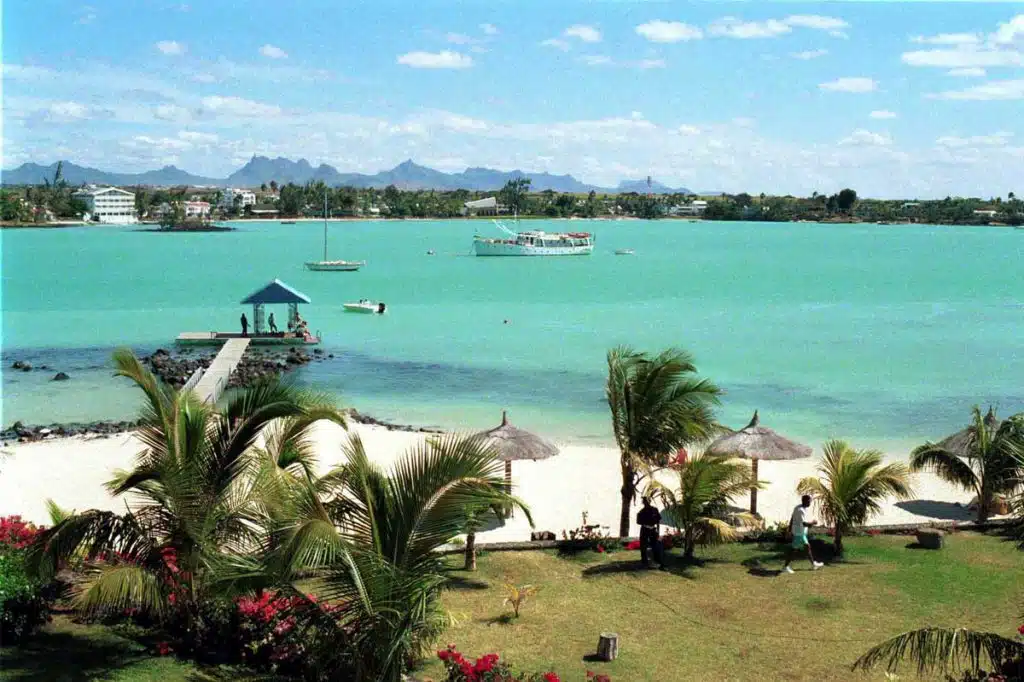
Le Morne Brabant is a basalt mountain on a peninsula in the southwest, rising 556 metres straight out of the lagoon. In the 18th and 19th centuries runaway slaves hid in its caves, and it is now a UNESCO World Heritage Site in their memory. A guided hike leads to the top for one of the best views on the island. The beach below is one of the most beautiful in Mauritius and a famous kitesurfing spot.
2. See the “underwater waterfall” from the air
Off Le Morne, sand and silt flowing down the slope of the sea floor create the illusion of a waterfall under the sea. It can only be seen properly from above, so book a seaplane or helicopter flight, which also shows the reef, the lagoons and the mountains.
3. Visit the Seven Coloured Earth of Chamarel
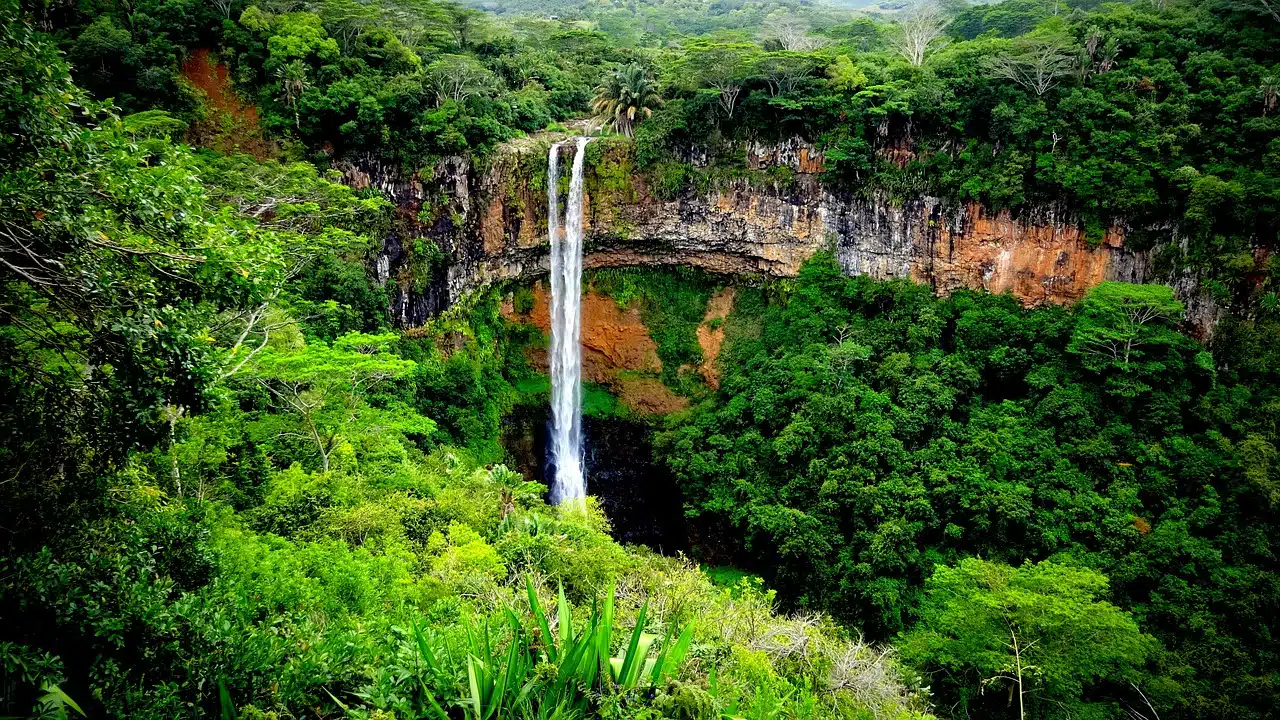
At Chamarel, a small area of dunes shows bands of red, brown, violet, blue and yellow sand, formed by the weathering of volcanic rock. The colours are strongest in the morning sun. In the same park, the Chamarel waterfall drops about 100 metres into a green gorge, and the area also has giant tortoises and a rum distillery.
4. Walk in Black River Gorges National Park
The largest national park in Mauritius protects the island’s last native forest. Trails lead to viewpoints such as Alexandra Falls and the Black River Peak, the highest mountain on the island at 828 metres. Look out for the Mauritius kestrel and the pink pigeon, two birds that were saved from extinction here.
5. Spend a day on Île aux Cerfs
Off the east coast, Île aux Cerfs is a small island with white beaches and a shallow lagoon. Boats leave from Trou d’Eau Douce, and many trips stop at the Grand River South East waterfall on the way. Go early or on a weekday to avoid the crowds.
6. Sail on a catamaran
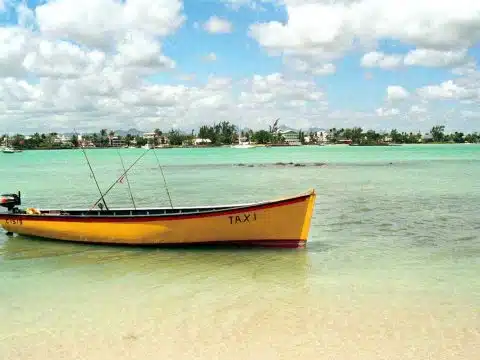
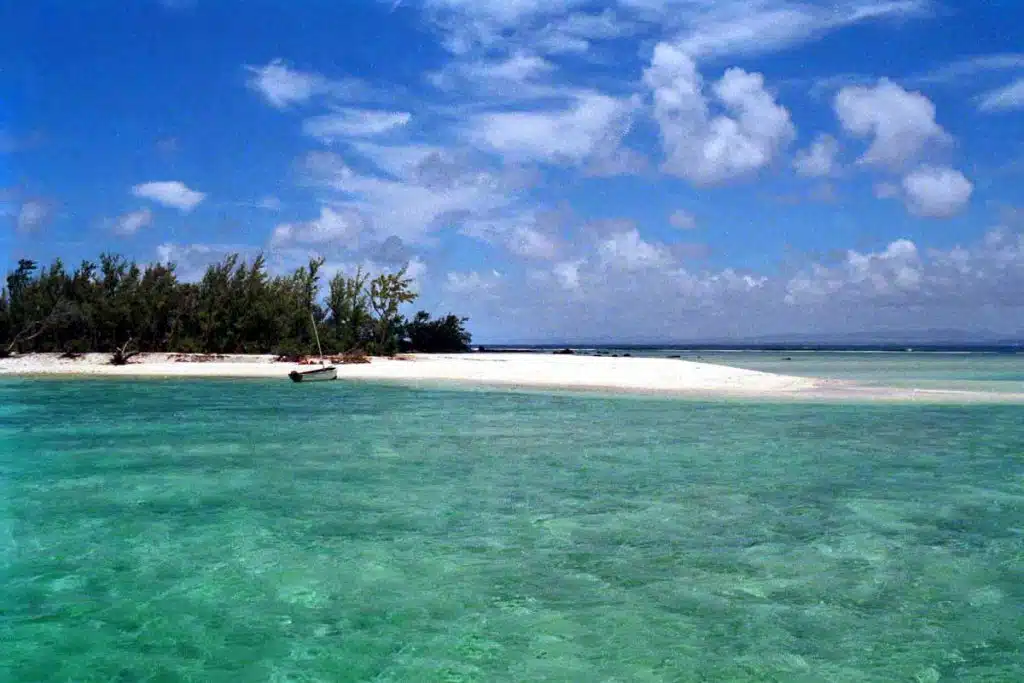
A day on a catamaran is one of the best ways to enjoy the lagoons, with snorkelling stops, a barbecue lunch on board and swims off empty beaches. Trips run along the west coast from Black River, along the east coast and to the islands in the north, such as Gabriel Island.
7. Snorkel in Blue Bay Marine Park
Blue Bay in the southeast is a protected marine park with clear water, corals and many colourful fish just off the beach. Glass-bottom boats take non-swimmers over the reef, and the beach itself is one of the best on the island for families.
8. Visit the sacred lake of Grand Bassin
Grand Bassin (Ganga Talao) is a crater lake in the mountains and the holiest Hindu site in Mauritius. Temples line its shore, and nearby stands a giant statue of Shiva, more than 30 metres tall. During the festival of Maha Shivaratri, hundreds of thousands of pilgrims walk here from all over the island.
9. Explore Port Louis
The capital is a busy harbour city. Walk through the central market, full of spices, fruit and street food such as dholl puri, visit the Caudan Waterfront and the Blue Penny Museum, and see Aapravasi Ghat, a UNESCO site where indentured workers from India arrived in the 19th century. Climb to the Citadel (Fort Adelaide) for the view over the city.
10. Stroll through the Pamplemousses Botanical Garden
The Sir Seewoosagur Ramgoolam Botanical Garden in Pamplemousses, founded in the 18th century, is one of the oldest botanical gardens in the southern hemisphere. Its most famous sight is a pond of giant Amazon water lilies, and it also has many kinds of palm trees, spice plants and giant tortoises.
11. Meet rare wildlife on Île aux Aigrettes
This small coral island in the southeast is a nature reserve where conservationists have brought back native forest and endangered animals. Guided tours show pink pigeons, Telfair’s skinks and Aldabra giant tortoises roaming free.
12. Look into the crater of Trou aux Cerfs
In the town of Curepipe, a road leads up to the rim of Trou aux Cerfs, a dormant volcano with a crater about 85 metres deep. A path around the rim gives a 360° view over the middle of the island, and on a clear day you can see the sea and the mountains around the coast.
When to visit Mauritius
Mauritius is warm all year. May to December is the best time: dry, sunny and less humid, with the coolest weather from June to September. January to March is hot and wet and can bring cyclones. The west coast is drier and sheltered from the trade winds in winter, while the east coast is cooler and breezier.
Tips for planning your trip
Mauritius is small: you can drive from north to south in about an hour and a half, so it is easy to stay in one place and take day trips. Driving is on the left. Buses are cheap but slow; a rental car or a taxi with a driver gives more freedom. The currency is the Mauritian rupee. English is the official language, but French and Mauritian Creole are spoken more often.
Questions about things to do in Mauritius
How many days do you need in Mauritius?
A week is enough for the main sights and a few beach days. With ten days or more you can relax and add a catamaran trip, a hike and a trip to the islands.
What is Mauritius best known for?
Its beaches and turquoise lagoons, Le Morne Brabant, the Seven Coloured Earth of Chamarel, the extinct dodo and its mix of cultures.
Which side of Mauritius is best?
The west for sunsets and calm, dry weather in winter, the east for long beaches and Île aux Cerfs, the north for restaurants and nightlife, and the south for wild coastline.
Image by wurliburli from Pixabay