Mauritius in Pictures: 31 Free Photos and a Short Island Guide
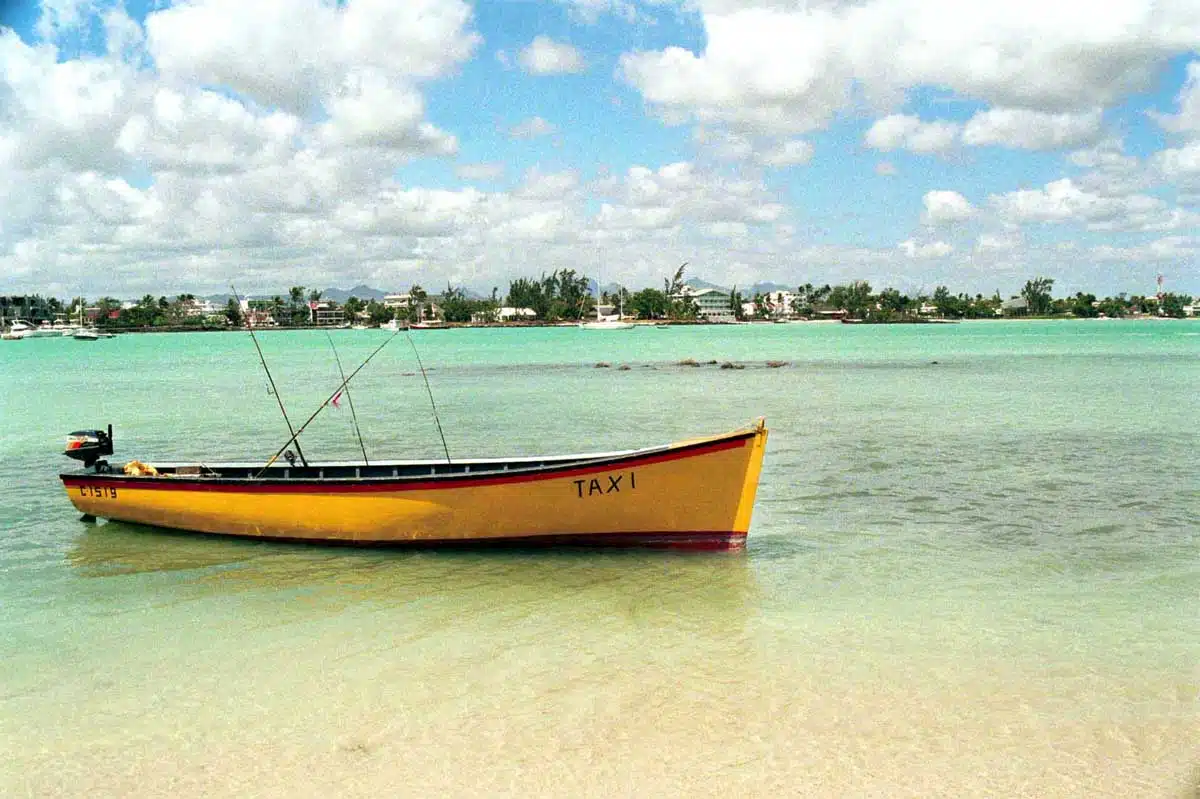
Mauritius in 31 free photos: the turquoise lagoons inside the coral reef, white beaches shaded by palms and casuarinas, jetties and a hut standing in the water, rocky islets and sea cliffs, the giant water lilies and bottle palms of the Pamplemousses garden, and fishing boats, a tall ship and the sunset. Each set of photos has a short note on the place.
Mauritius at a glance
- Getting there: Sir Seewoosagur Ramgoolam airport in the south-east, with flights from Europe, Africa, the Gulf and Asia.
- Getting around: a hire car or a taxi with driver (they drive on the left); the Metro Express light rail runs between Port Louis and Curepipe.
- Money: Mauritian rupee. English, French and Mauritian Creole are all spoken.
- When to go: May to December is dry and less hot; cyclones are possible from January to March.
How to download: click a photo to see it large, then use Download. The originals are about 1200 × 800 pixels: right for blog posts, slides, social media, school projects and video call backgrounds.
Lagoons, beaches and palms
A coral reef surrounds almost all of Mauritius, so the beaches face calm, shallow lagoons in every shade of turquoise. The east coast, with Belle Mare and the Île aux Cerfs, has the longest beaches; the west coast, around Flic en Flac and Le Morne, has the sunsets.


Islets, mountains and cliffs
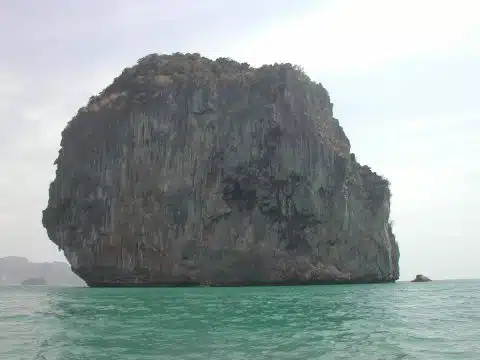
Behind the beaches rise sharp volcanic mountains, and small islets lie off the coast. In the south, where there is no reef, the waves break against black cliffs such as those at Gris Gris.


The Pamplemousses garden and the palms
The Sir Seewoosagur Ramgoolam Botanical Garden at Pamplemousses, laid out in the 18th century, is one of the oldest in the southern hemisphere. Its pond of giant Victoria water lilies, with leaves big enough to float a child, is the star; around it grow bottle palms, talipot palms that flower once in their life, and spice trees.


Boats and sunsets
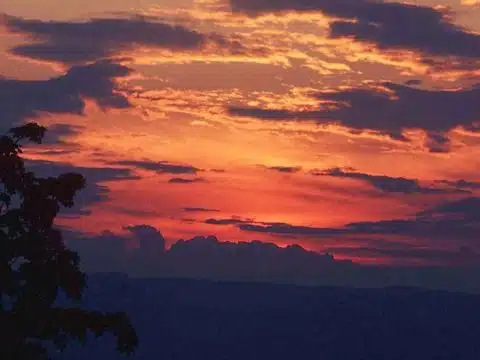
Fishing boats on the beach, a tall ship in the lagoon and the sun going down over the sea.


Tips for a first visit
- Wear reef shoes in the lagoon; coral, sea urchins and stonefish hide on the bottom.
- Take a boat to the Île aux Cerfs early, before the crowds.
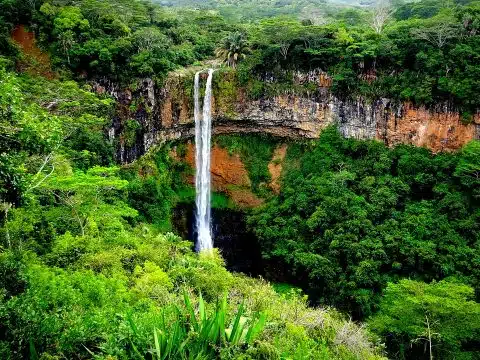
- Drive to Chamarel for the coloured earths and the waterfall, and into the Black River Gorges for the forest.
More about Mauritius
Mauritius is situated at approximately 2000kilometers to the south-eastern coast of Africa and lies east of Madagascar. The land has an area of 1865 square kilometers with 330 kilometers of coastline. Inland features include a vast central plateau, subtropical forests, rivers, steams and waterfalls. Bordering this tableland are several mountain ranges consisting of diverse shaped masses of basalt testifying the volcanic origins of the island.
Mauritius was discovered in 1505 by the Portugese navigator Pedro Mascarenhas. The island was occupied successively by the Dutch (1598-1712), the French (1715-1810), and was ceded to Great Britain in 1814 through the Treaty of Paris. 1968 Mauritius acceded to Independence.ritius is a fascinating holiday destination and the clear turquoise waters of the Indian Ocean are absolutely enchanting. It offers a charismatic mix of colour, culture and taste. Mauritius provides a degree of luxury that is unparalleled among tropical holiday destinations. It is clearly a destination for lovers of scuba diving but the island offers much, much more.
When to go
Mauritius lies near the Tropic of Capricorn, and the climate is typically tropical, with a warm, humid season with temperatures averaging 25˚C (November to April) and a cooler, drier season (June to September) when the mean temperature is 20˚C. The east side of the island is cooler but also has more rain because of the trade winds. Sea temperature ranges between 22˚C and 27˚C.
Not surprisingly, Mauritius is a popular honeymoon destination, and of course you can have your wedding there – every one of the island’s hotels offers a wedding package and everything is taken care of by the wedding organiser. Apart from getting married, the other main activities in Mauritius are golf, deep sea fishing, scuba diving, shopping and touring the island.
Where to stay
There are quite a number of resorts on Mauritius, all with different characters:
In the north Pereybere is good for families, with shopping, restaurants and pubs and a good beach, and Grand Bay is well known for shopping and nightlife, with restaurants, bars and discos. Its beach has been recently renovated. Flacq in the east is the place where the island’s open air market is held, and also the resort with a waterpark with exciting rides. Ile aux Cerfs is a tiny, separate island off the east coast with a beautiful beach and specialising in watersports. Blue Bay in the south east, near the airport, has good 4- and 5-star hotels, and in the west Sugar Beach Resort has one of the best beaches on the island. Flic en Flac is a popular resort with glorious white sand beaches and a safe lagoon.
What to see and do
Nature and eco-tourism are important parts of the experience of going to Mauritius, which has 700 species of indigenous plants, many almost extinct. You can hire a car or take a taxi to explore the island in private, or join a coach trip. To see spectacular marine life without scuba diving, take the Blue Safari submarine which will show you wrecks dating from the 17th century. A number of hotels have their own golf courses, but probably the best golfing experience is to be had on the Bernard Lange designed One&Only Le Touessrok course. Situated on its own island with sea all around and a backdrop of green mountains, the 18 holes of this magical course are all challenging enough for advanced players, yet playable by recreational golfers.
More free photos
- South Africa pictures
- Tunisia pictures
- Lanzarote pictures
- Free beach pictures
- Free tropical backgrounds
- Free summer backgrounds
- Free palm tree pictures
- Africa pictures
Questions about these Mauritius photos
Can I use these Mauritius pictures for free?
Yes, for personal and commercial projects. All we ask is a link back to BigFoto.com; the box at the top of the page has a credit link you can copy.
Why is the sea so calm in Mauritius?
A coral reef runs around almost the whole island a few hundred metres offshore. It breaks the ocean waves, leaving calm, shallow lagoons between the reef and the beaches.