Things to Do in Denmark: 12 Best Places and Experiences
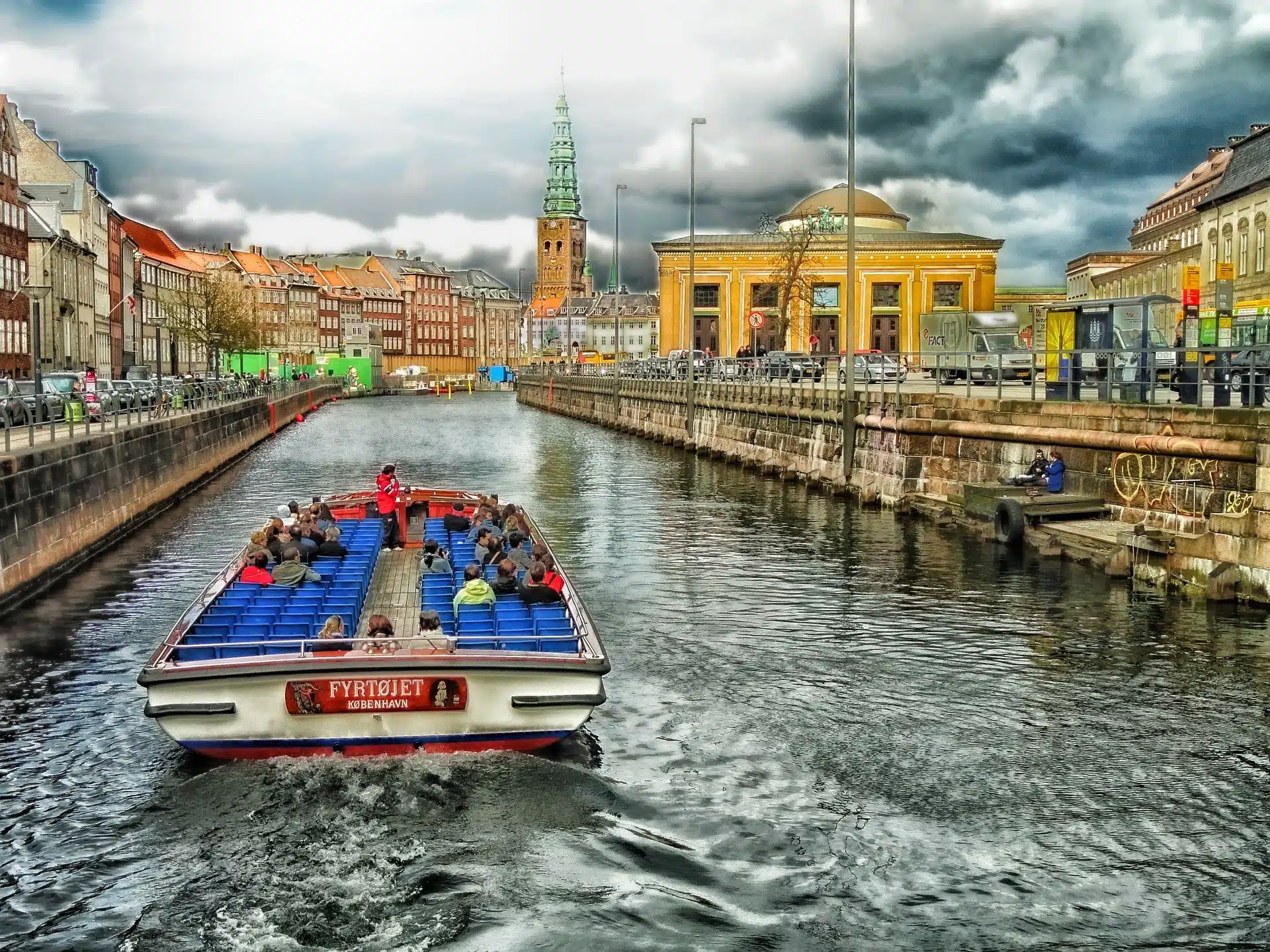
Denmark is a small country of the Jutland peninsula and more than 400 islands, but it has a lot to see: royal castles, Viking history, long sandy beaches, chalk cliffs and Copenhagen, one of the most liveable capitals in Europe. Distances are short, trains are good and almost everyone speaks English.
Here are the 12 best things to do in Denmark, from the sights of Copenhagen to castles, islands and the windswept north, with tips on when to go and how to plan your trip.
1. Walk along Nyhavn in Copenhagen
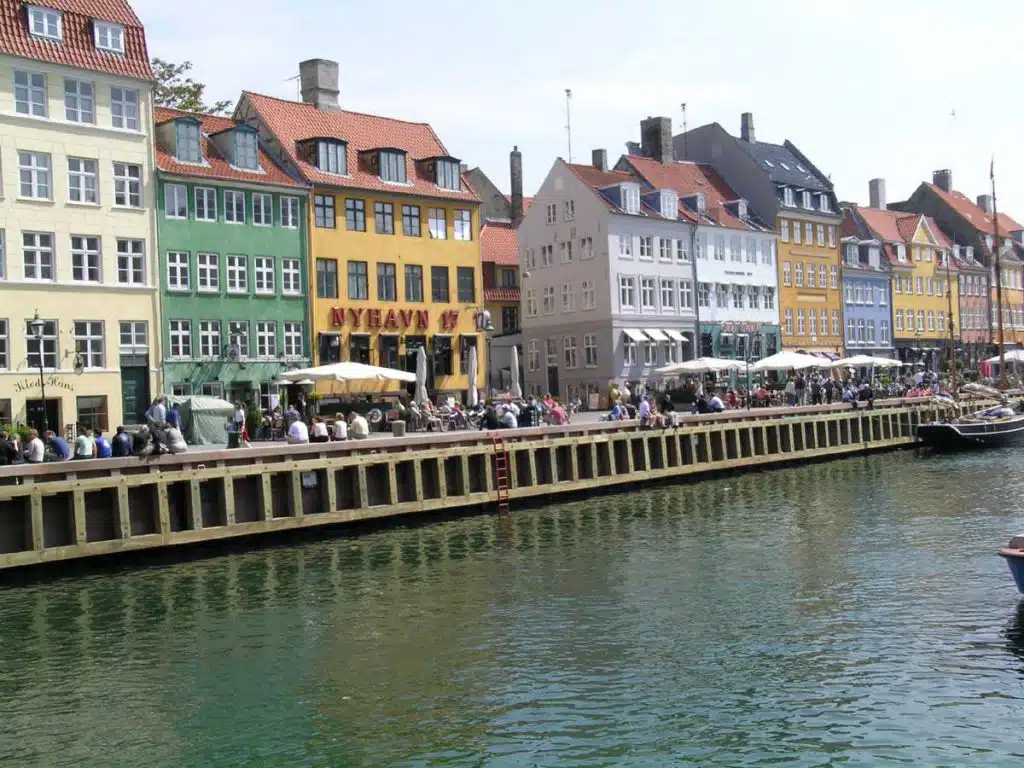
Nyhavn, the 17th-century canal with its colourful townhouses and old wooden ships, is the postcard image of Copenhagen. Hans Christian Andersen lived in three of its houses. Sit at a café terrace by the water, or take a canal tour from here that passes the Opera House, Christiansborg Palace and the Little Mermaid.
2. Spend an evening in Tivoli Gardens
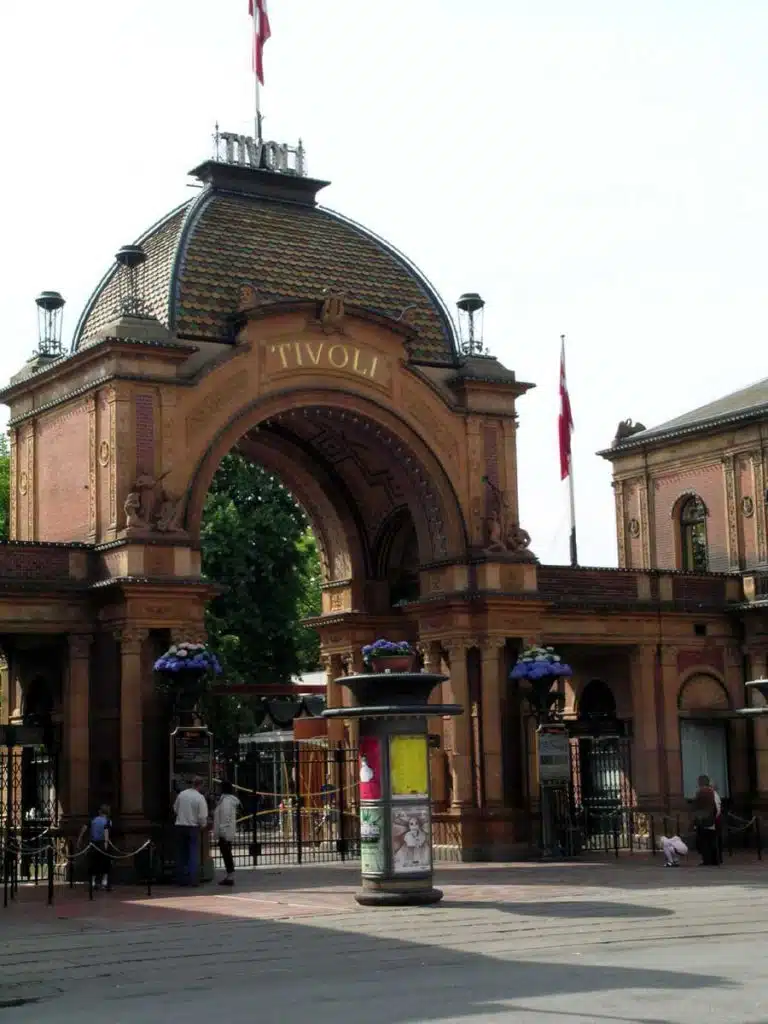
Tivoli Gardens opened in 1843 and is one of the oldest amusement parks in the world. It has rides, including a wooden roller coaster from 1914, gardens, concerts and restaurants, and it is at its best in the evening, when thousands of lights come on. It is open in summer, at Halloween and at Christmas.
3. See the sights of Copenhagen
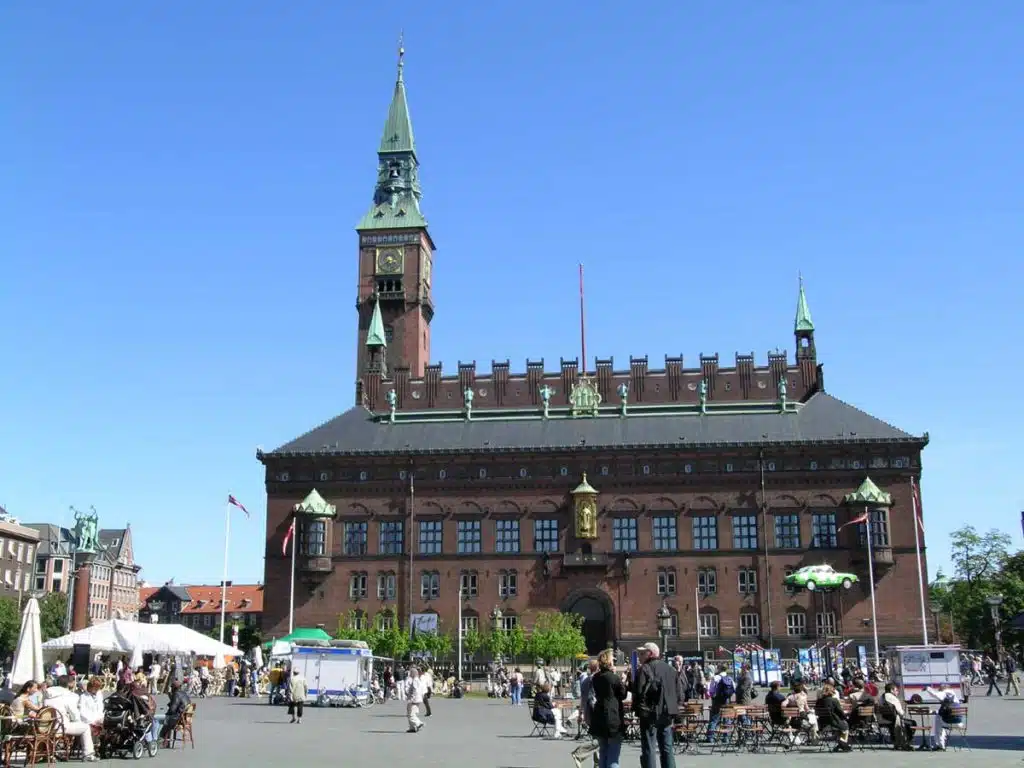
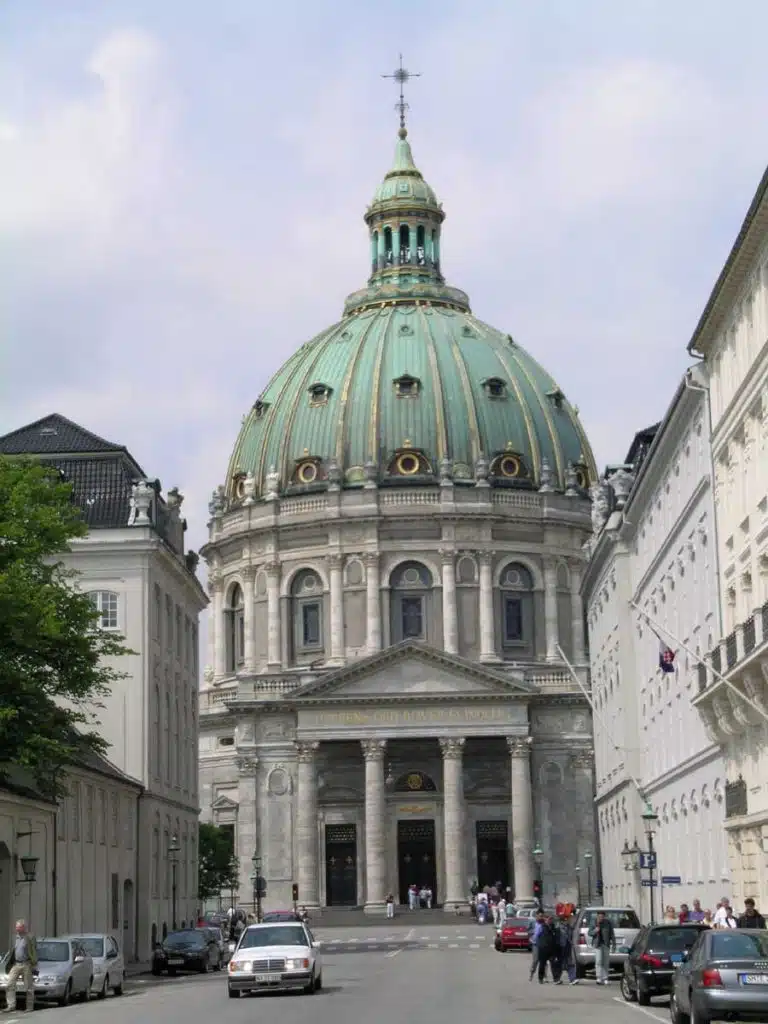
Visit Amalienborg, the home of the royal family, for the changing of the guard at noon, then walk to the Marble Church and the Little Mermaid statue by the harbour. Rosenborg Castle holds the crown jewels, and the Round Tower has a spiral ramp instead of stairs and a fine view over the rooftops. Christianshavn, with its canals and the free town of Christiania, shows a different side of the city.
4. Explore the city by bike
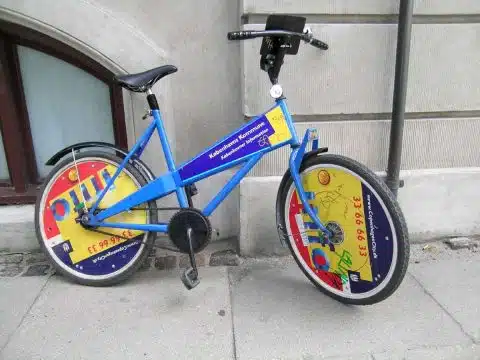
Copenhagen has more bicycles than cars and hundreds of kilometres of cycle lanes, so cycling is the best way to see it. Rent a bike or use a city bike, and ride along the harbour, across the cycle bridges and out to the beaches of Amager.
5. Visit Kronborg Castle in Helsingør
Kronborg, on the narrow strait between Denmark and Sweden, is the castle of Shakespeare’s Hamlet and a UNESCO World Heritage Site. For centuries every ship passing here had to pay a toll to the Danish king. It is 45 minutes by train from Copenhagen and combines well with the Louisiana Museum of Modern Art in Humlebæk, set in a park by the sea.
6. Admire Frederiksborg Castle
Frederiksborg in Hillerød is a Renaissance palace built on three islands in a lake, with a baroque garden. Inside is the Museum of National History, with portraits and rooms that tell 500 years of Danish history.
7. Meet the Vikings in Roskilde
The Viking Ship Museum in Roskilde shows five ships that were deliberately sunk in the fjord around 1070 to block enemies. In summer you can sail in a reconstructed Viking ship. Roskilde Cathedral, a UNESCO site, is the burial place of almost all Danish kings and queens.
8. Discover Aarhus
Denmark’s second city has a young, relaxed feel. On the roof of the ARoS art museum, Your Rainbow Panorama is a circular walkway of coloured glass with views over the city. Den Gamle By is an open-air museum of old Danish town houses, and the harbour front has new architecture and sea baths.
9. Play at LEGO House and Legoland in Billund
LEGO was invented in Billund, and the town has two big attractions: Legoland, a theme park with miniature cities built from millions of bricks, and LEGO House, an experience centre where children and adults can build and play.
10. Stand where two seas meet in Skagen
At Grenen, the northern tip of Jutland, the waves of the Skagerrak and the Kattegat meet, and you can stand with one foot in each. The town of Skagen has yellow houses, a famous summer light that drew a colony of painters, and nearby the Råbjerg Mile, a moving sand dune.
11. Visit Odense, the home of Hans Christian Andersen
Odense on the island of Funen is where Andersen was born. The H.C. Andersen House is a modern museum about his life and fairy tales, with a garden designed around his stories. Funen itself is known as the garden of Denmark, with manor houses, castles such as Egeskov and quiet country roads.
12. See the cliffs of Møns Klint and the island of Bornholm
Møns Klint on the island of Møn is a line of white chalk cliffs over 100 metres high above a turquoise sea, with fossils on the beach and steps down from the forest. Further out in the Baltic, Bornholm has rocky coasts, sandy beaches and round medieval churches.
When to visit Denmark
The best time to visit is from May to September, when days are long and mild. In June the sun sets after 10 pm, and on 23 June Danes light bonfires for Midsummer. Winter is dark and cold, but Copenhagen’s Christmas markets and Tivoli’s lights make December cosy, the Danish idea of hygge.
Tips for planning your trip
Trains link Copenhagen with Odense and Aarhus in a few hours, and long bridges join the main islands. Denmark is expensive, so look for lunch menus and supermarket picnics. Cards are accepted almost everywhere, even for small amounts. The Copenhagen Card includes public transport and entry to many sights.
Questions about things to do in Denmark
How many days do you need in Denmark?
Three or four days are enough for Copenhagen and a day trip to the castles of North Zealand. With a week you can add Aarhus, Billund or Skagen.
What is Denmark best known for?
Copenhagen and Nyhavn, Tivoli Gardens, LEGO, the Vikings, Hans Christian Andersen, cycling and hygge.
Is Denmark worth visiting?
Yes, especially in summer. It is safe, easy to travel and combines city life with castles, beaches and nature within short distances.