Lisbon in Pictures: 100 Free Photos and a Short City Guide
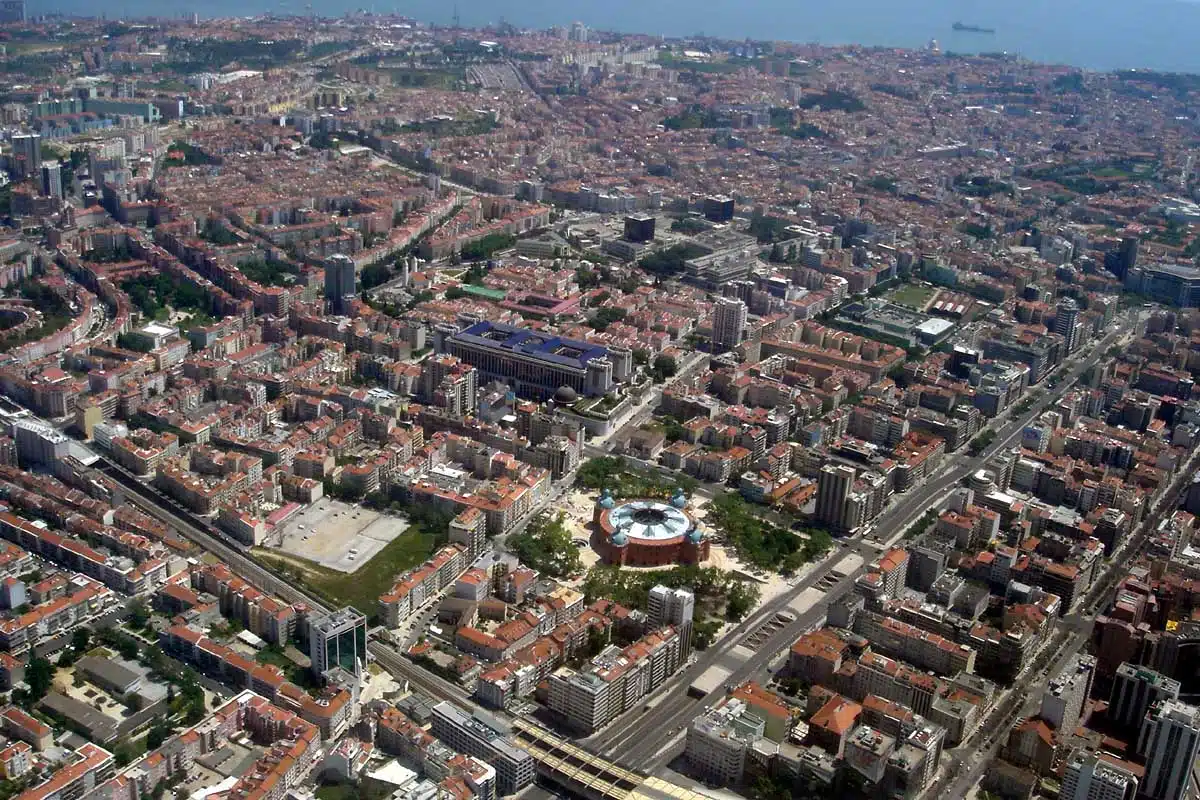
Lisbon in 100 free photos: the yellow trams and funiculars that climb its hills, the blue and white tiles on its houses, the red roofs seen from the viewpoints, the monuments of Belém on the Tagus, the grand squares of the Baixa, the 25 de Abril Bridge and the Oceanarium. Each set of photos has a short note on the place.
Lisbon at a glance
- Getting there: Lisbon airport is close to the city; the red metro line takes you to the centre in about 25 minutes.
- Getting around: metro, trams, buses, the funiculars and the Santa Justa Lift all take the rechargeable Navegante card, sold and topped up at metro stations.
- Money: euro. Cafés are cheap; a coffee and a custard tart (pastel de nata) is the classic Lisbon breakfast.
- When to go: March to June and September to October. July and August are hot, and the hills feel steeper.
How to download: click a photo to see it large, then use Download. The originals are about 1200 × 800 pixels: right for blog posts, slides, social media, school projects and video call backgrounds.
Trams, funiculars and the Santa Justa Lift
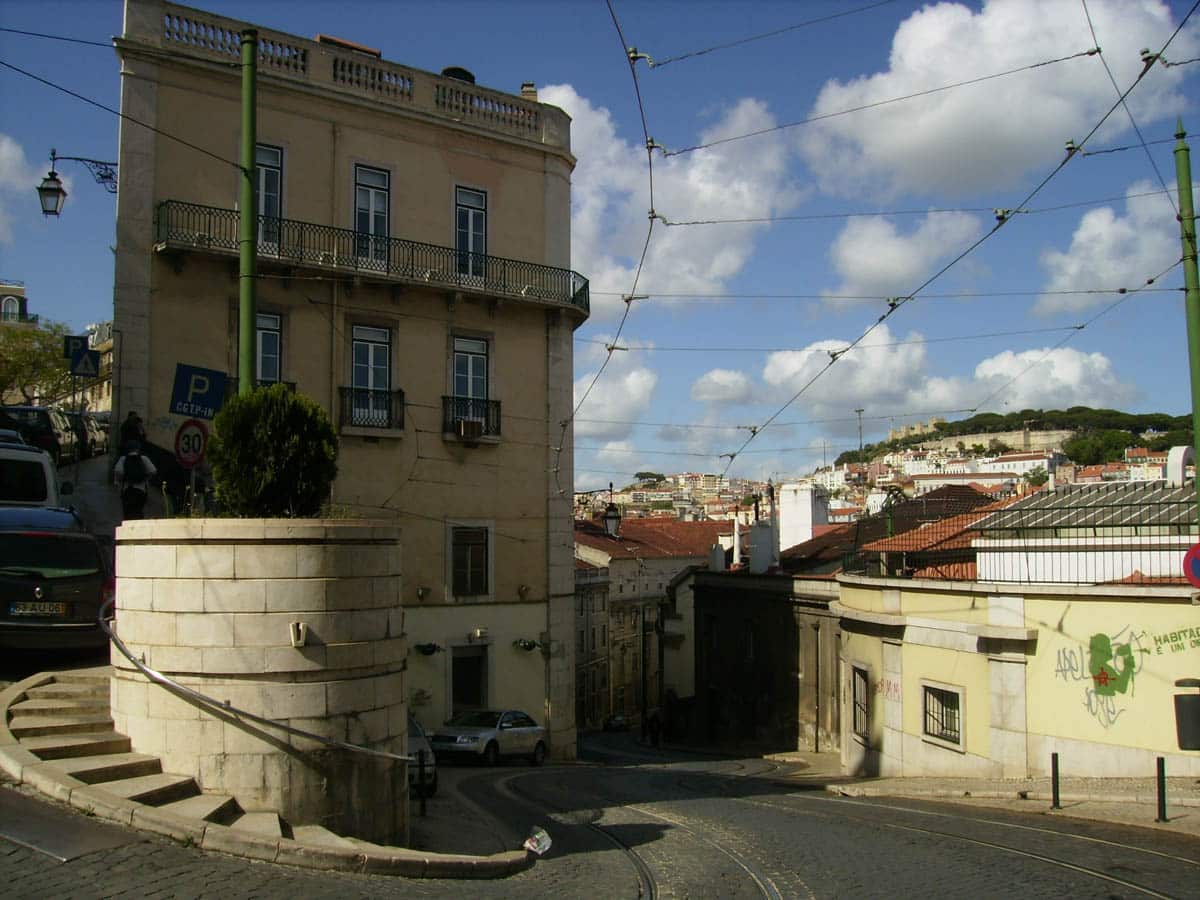
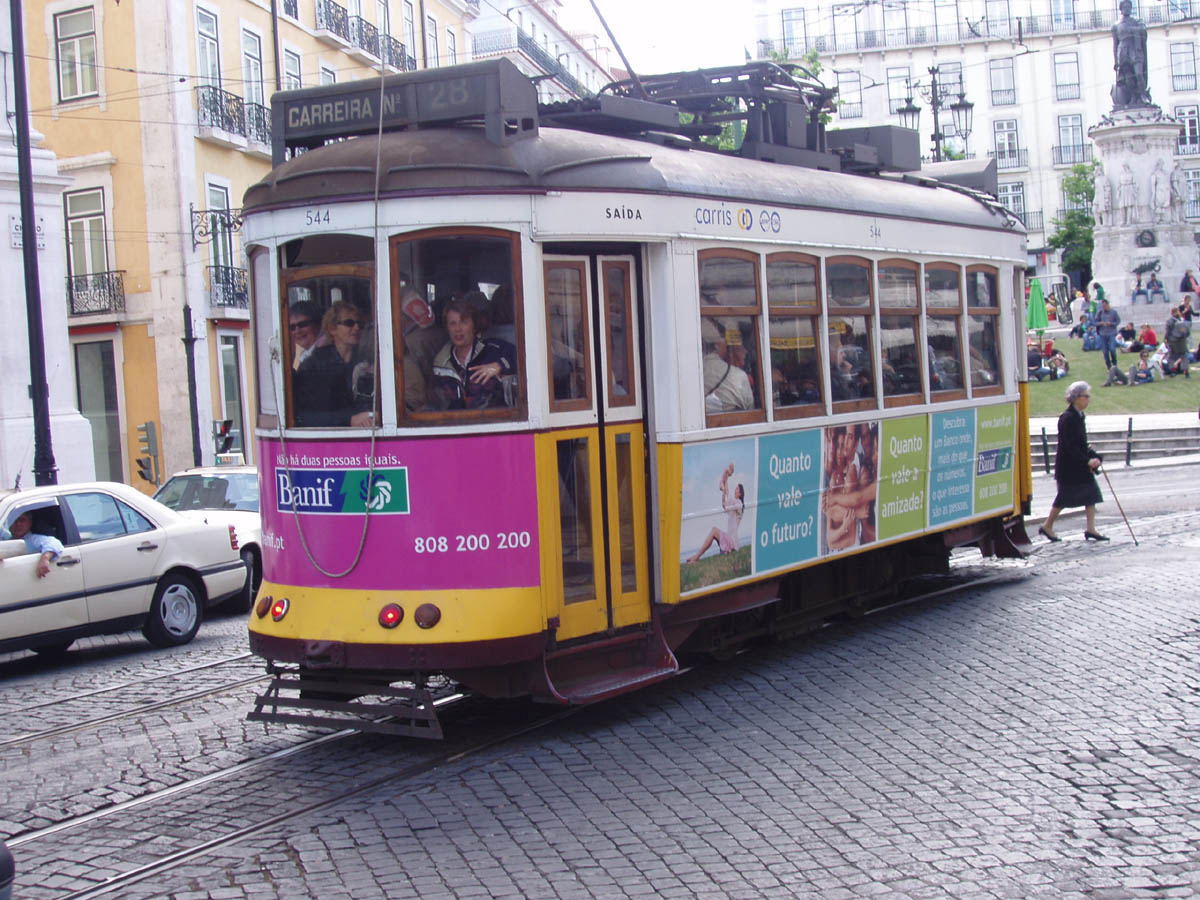
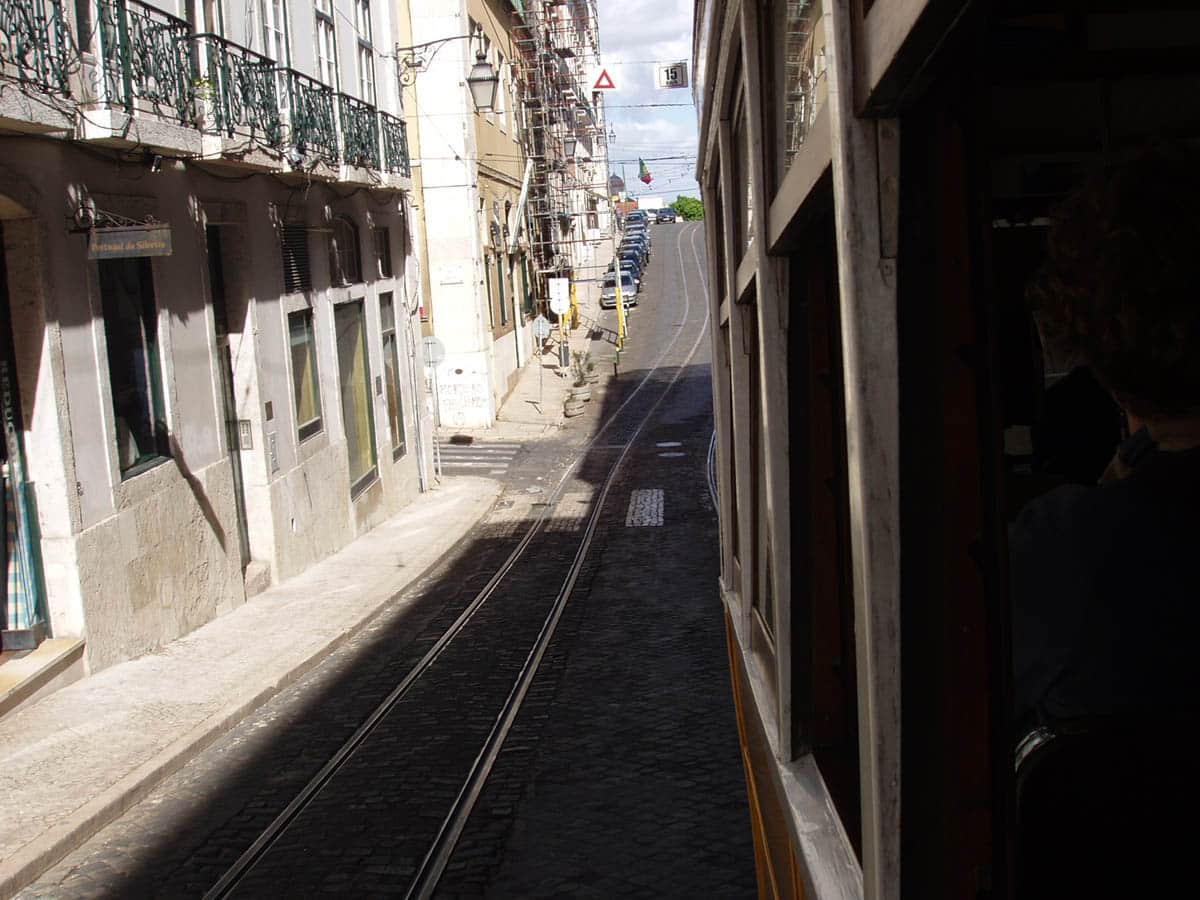
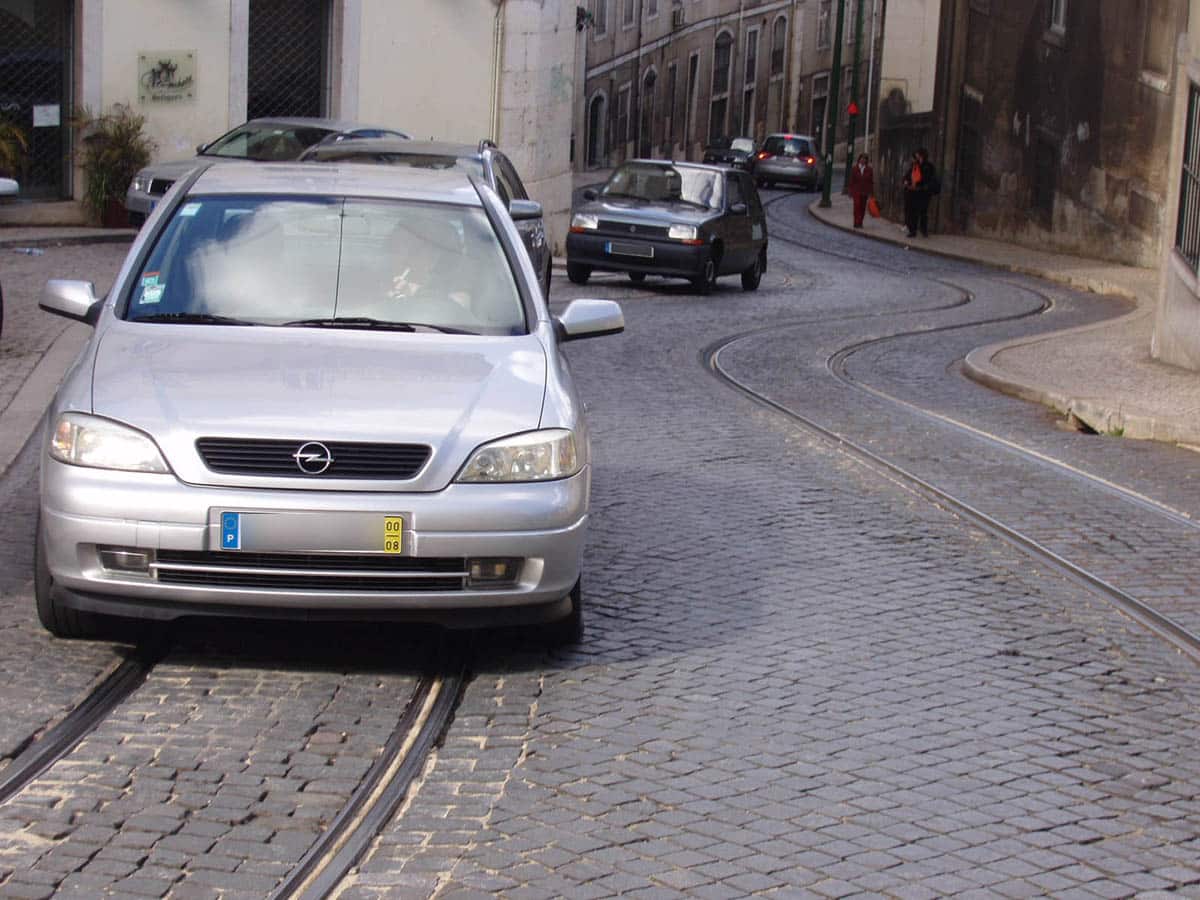
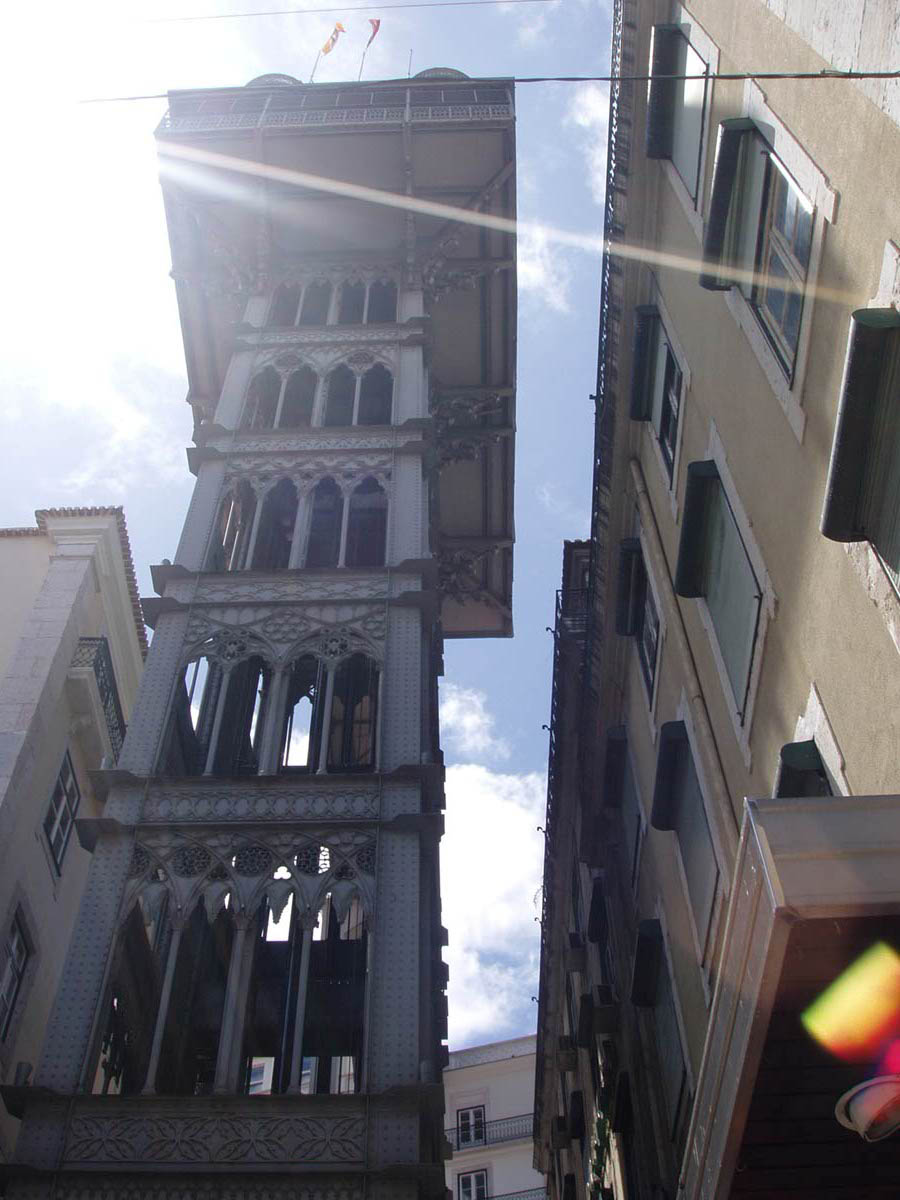
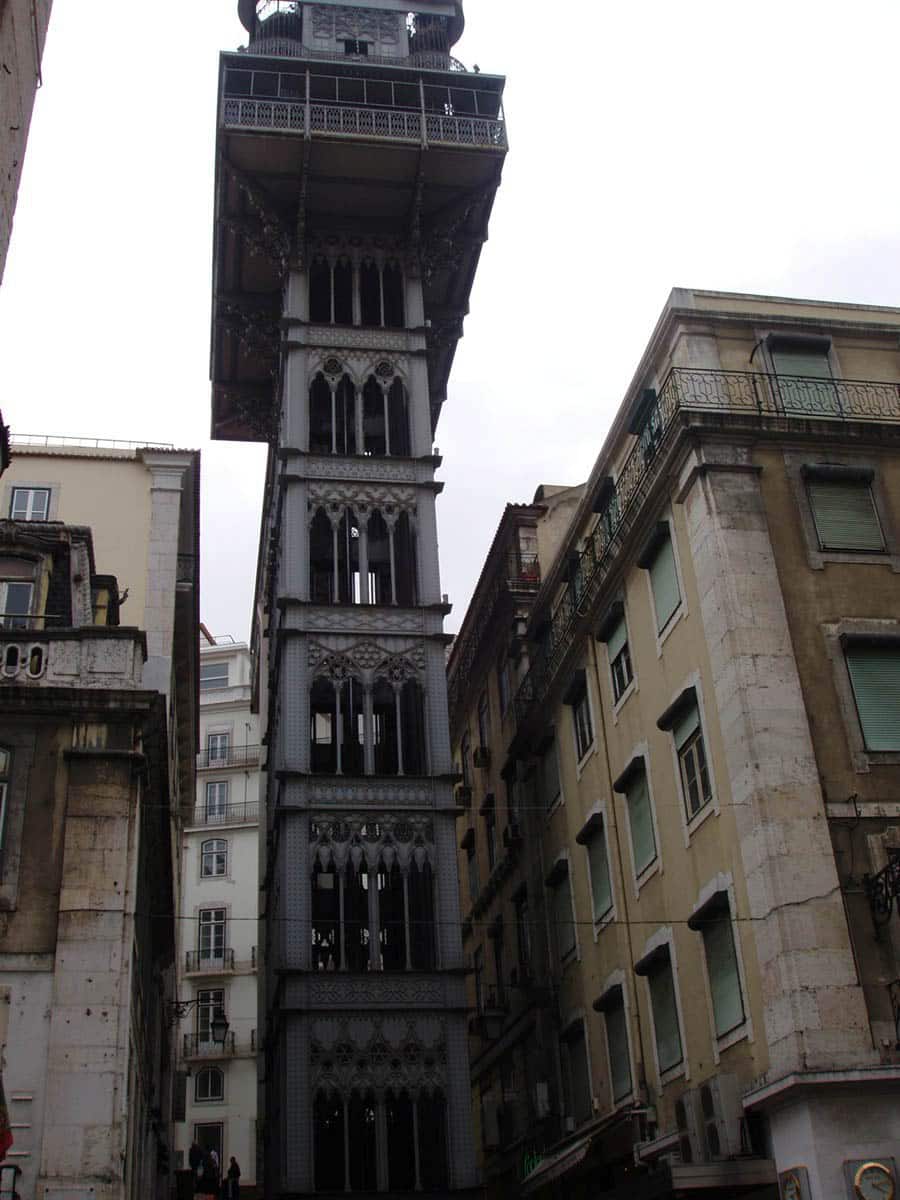
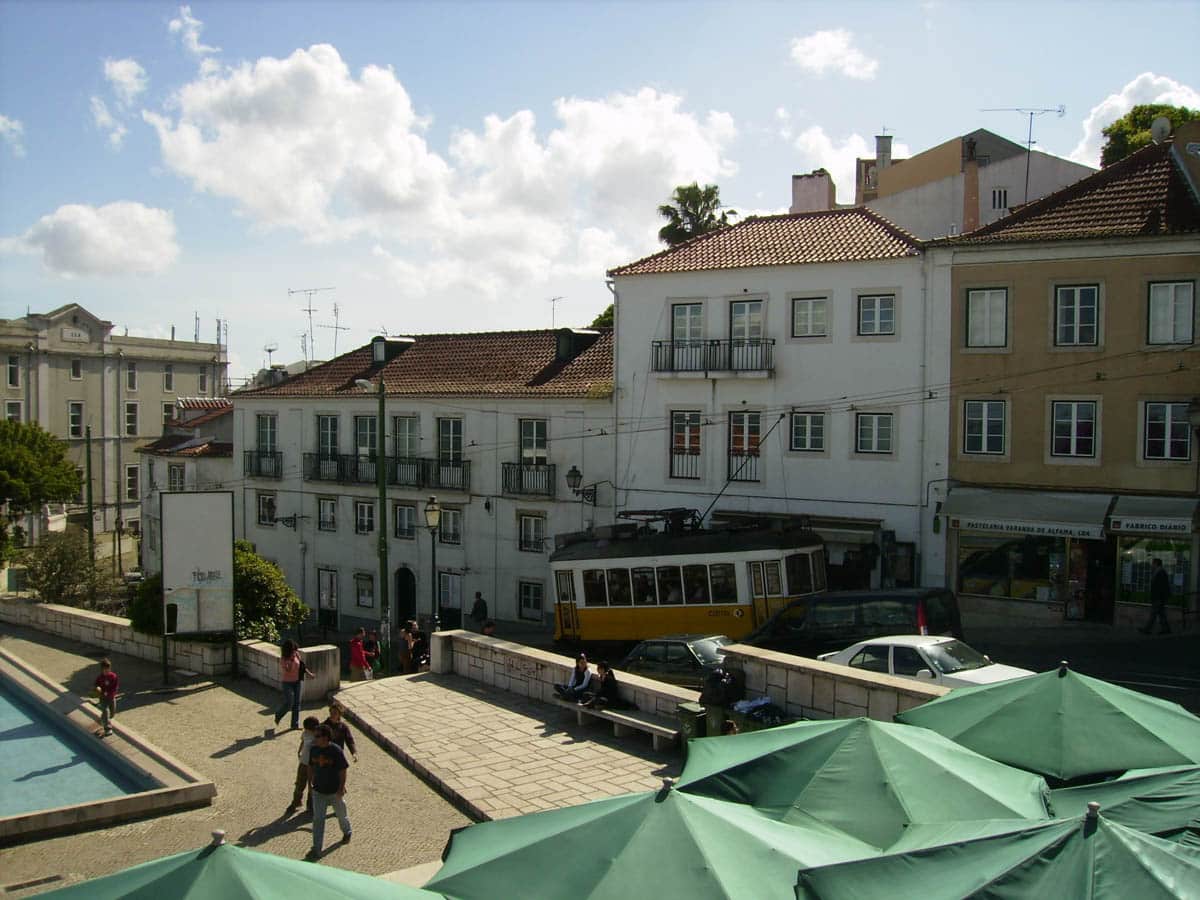
Lisbon is built on seven hills, and the old yellow trams still grind up them. Tram 28 runs from Martim Moniz through Graça, Alfama and the Baixa to Estrela and Campo de Ourique; it is packed in summer, so ride it early. Funiculars climb the steepest streets, and the iron Santa Justa Lift of 1902 lifts you from the Baixa to the Carmo district.


Azulejos: the tiles of Lisbon
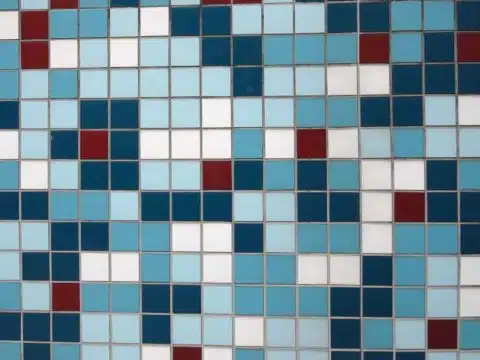
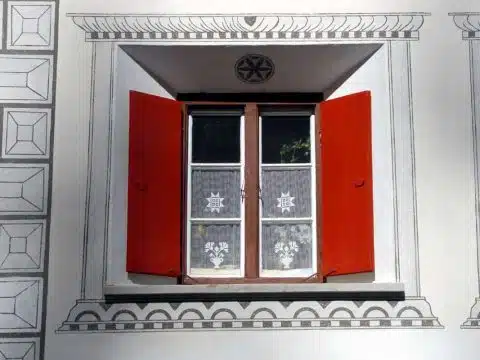
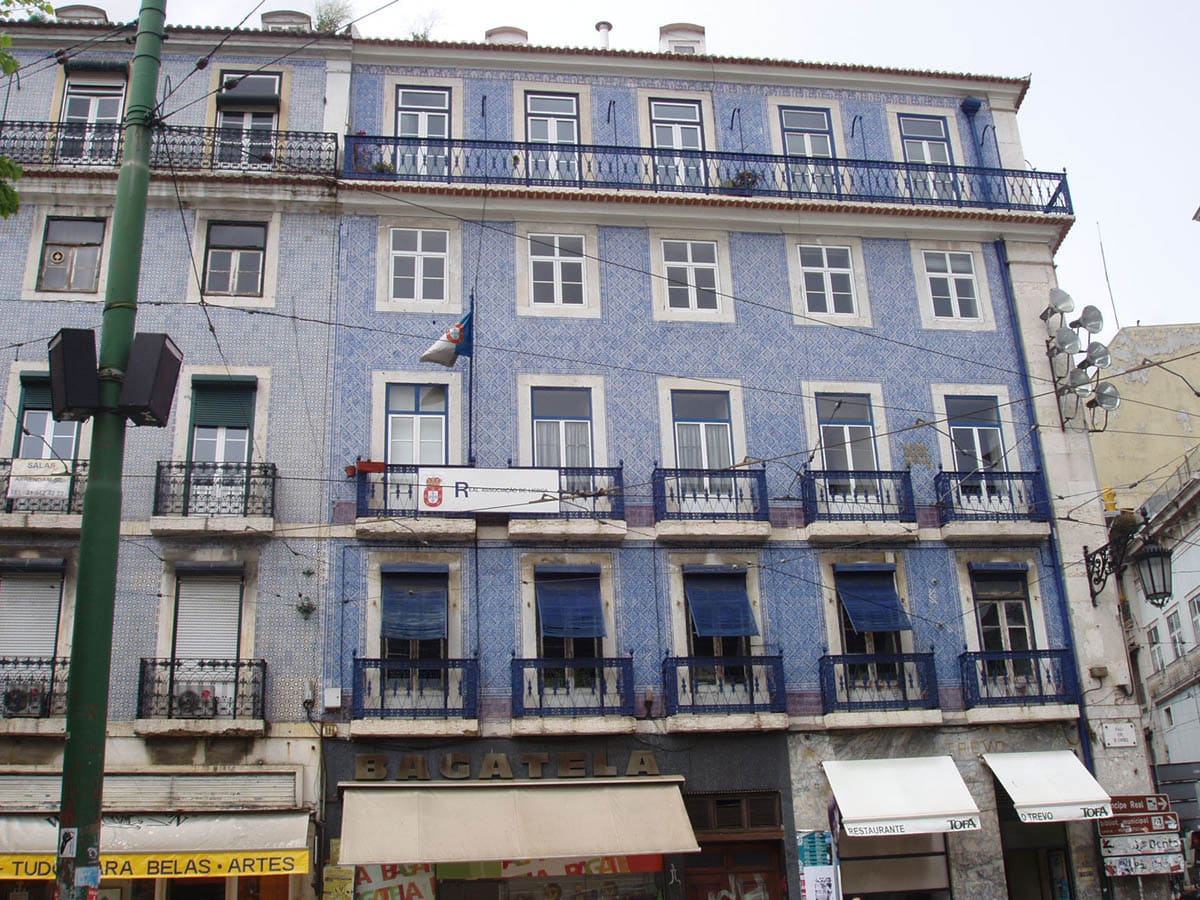
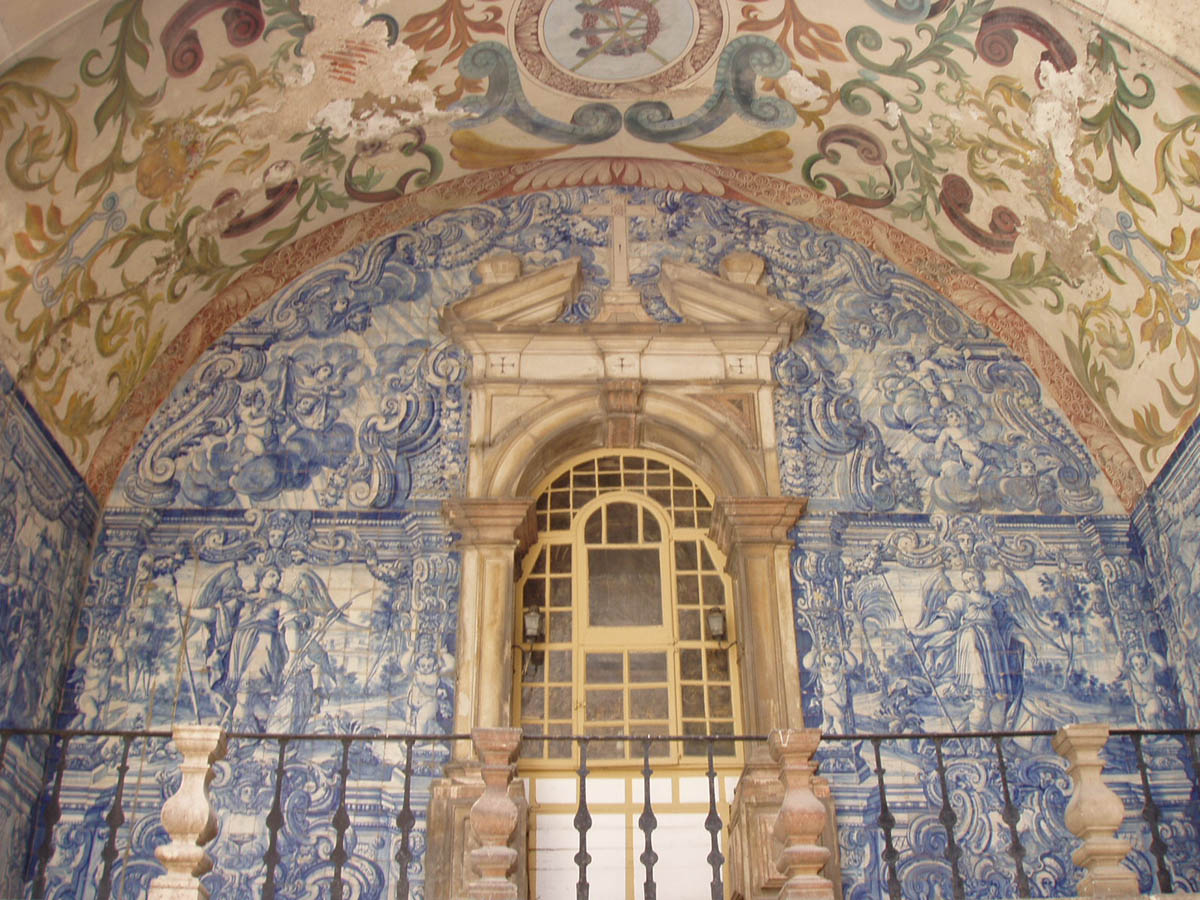
Painted tiles, azulejos, cover churches, stations and whole house fronts, where they keep the walls cool and dry. Most façade tiles date from the 19th century; the National Tile Museum in an old convent shows five hundred years of them, including a long panorama of Lisbon before the earthquake of 1755.


Red roofs, viewpoints and the old quarters
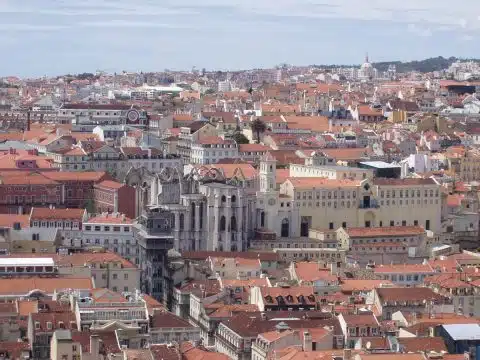
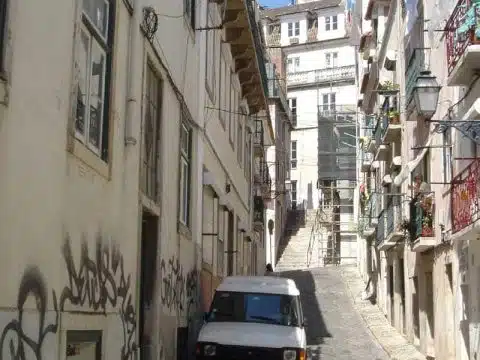
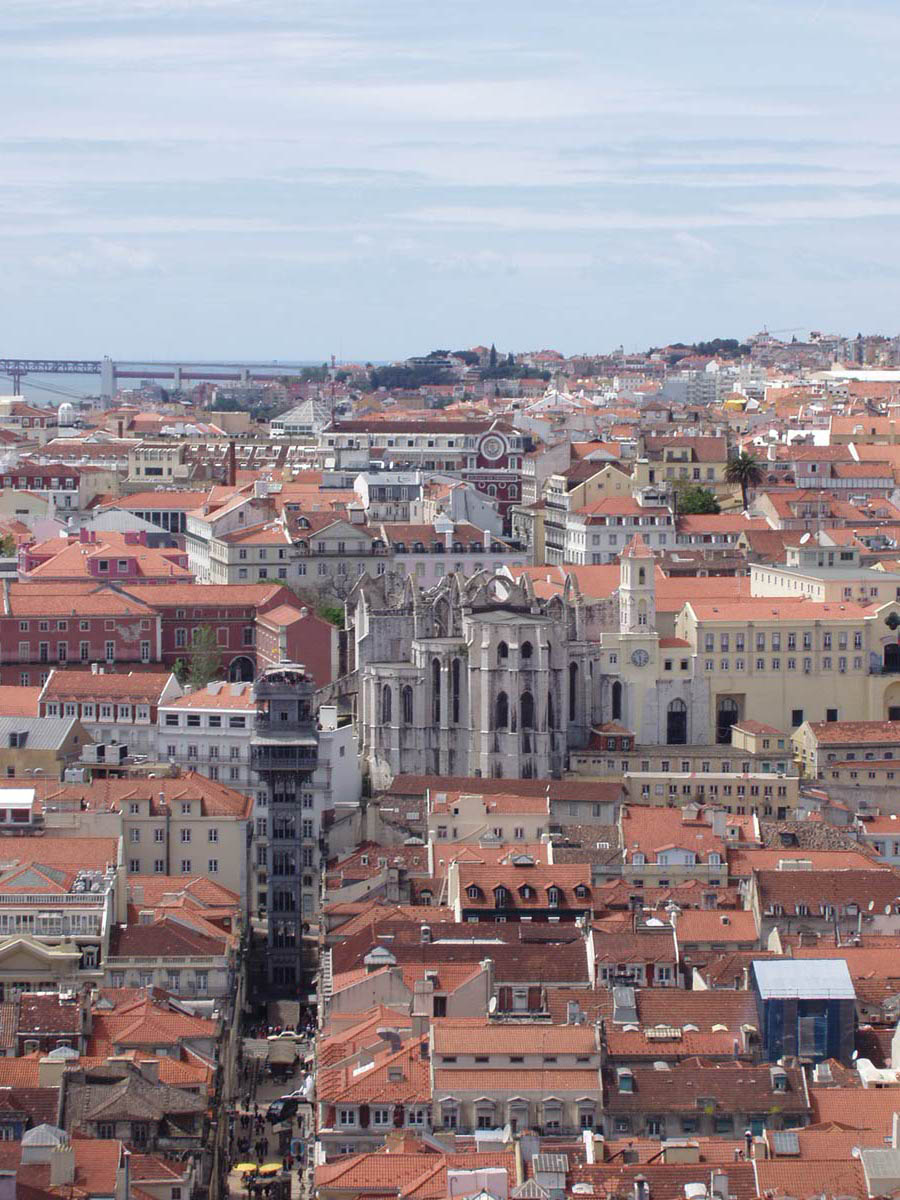
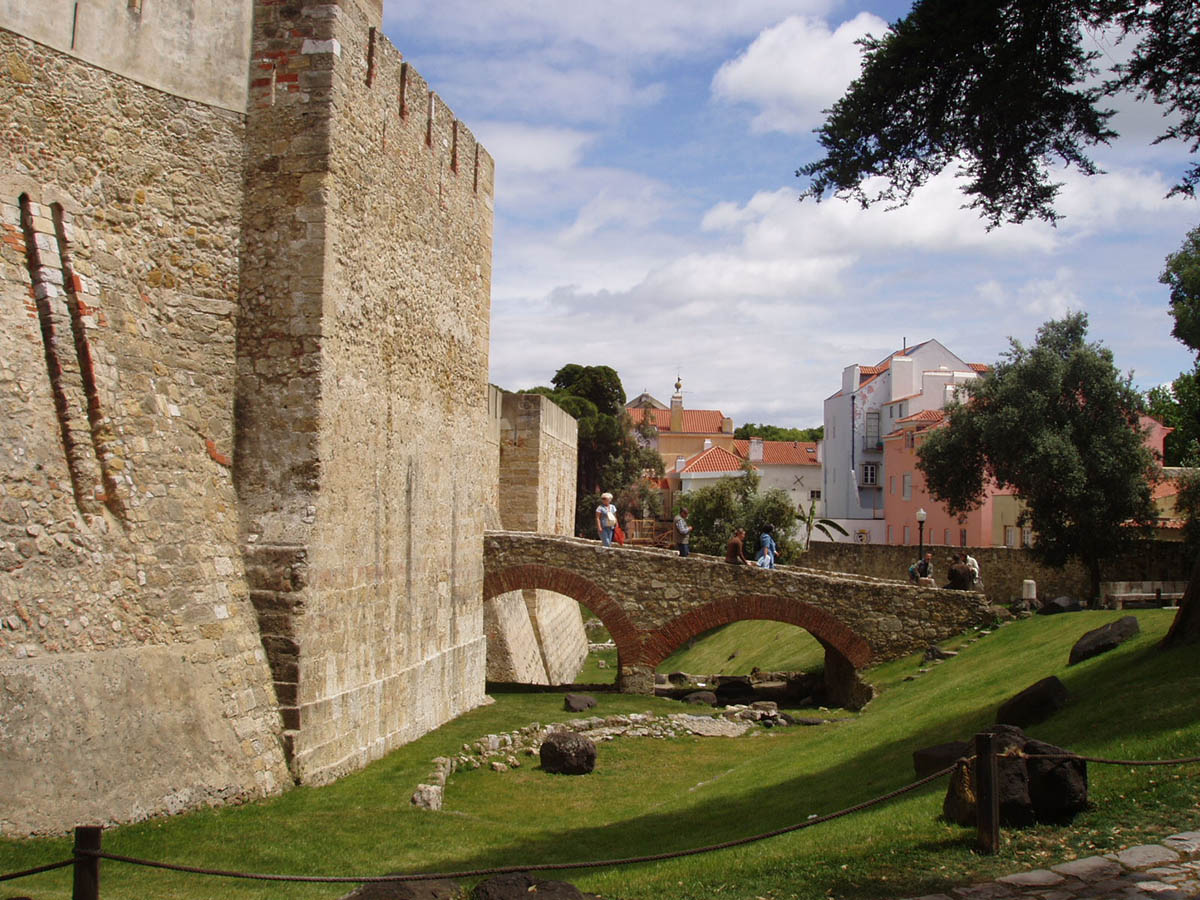
The best way to see Lisbon is from above: from the miradouros, the free viewpoints of Santa Luzia, Graça, Senhora do Monte and São Pedro de Alcântara, or from St George’s Castle. Below them lie Alfama and Mouraria, the oldest quarters, a maze of stairs and alleys that largely survived the earthquake of 1755.


The Baixa: Rossio, Restauradores and Praça do Comércio
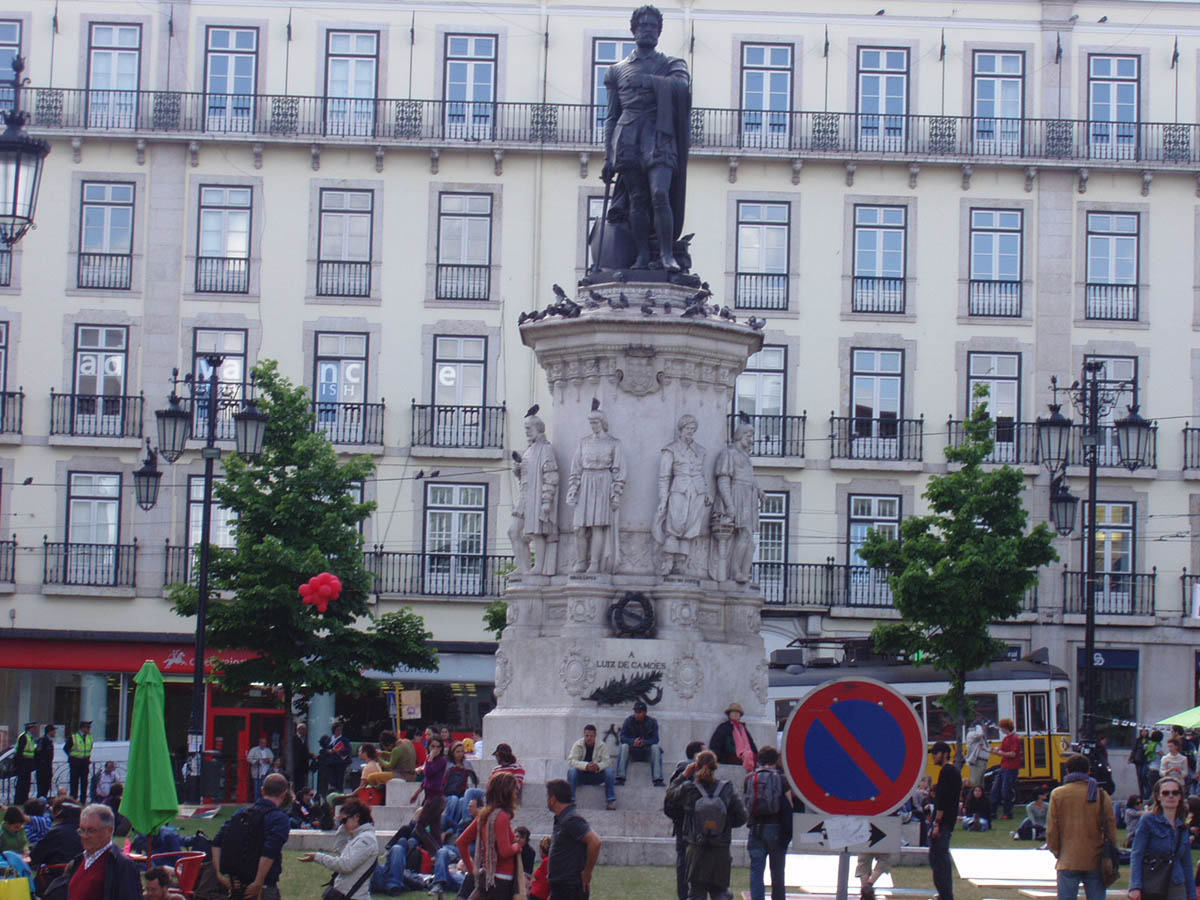
After the earthquake and fire of 1755 the Marquis of Pombal rebuilt the lower town, the Baixa, on a straight grid. Rossio square has the column of King Pedro IV, fountains and wavy black and white paving; the obelisk on Restauradores marks the end of Spanish rule in 1640. Rua Augusta leads through its triumphal arch to Praça do Comércio, the great square on the river with the statue of King José I.


Belém: the tower, the monastery and the discoverers
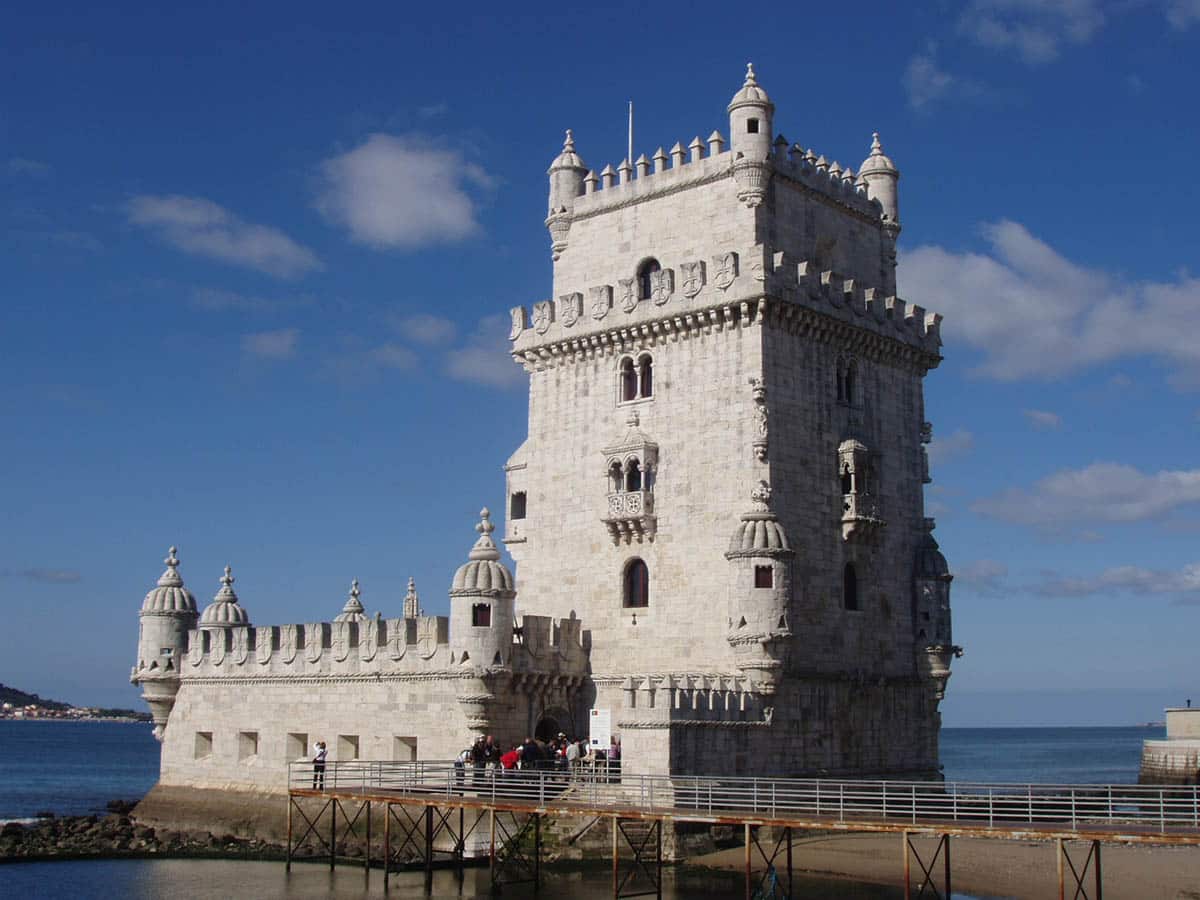
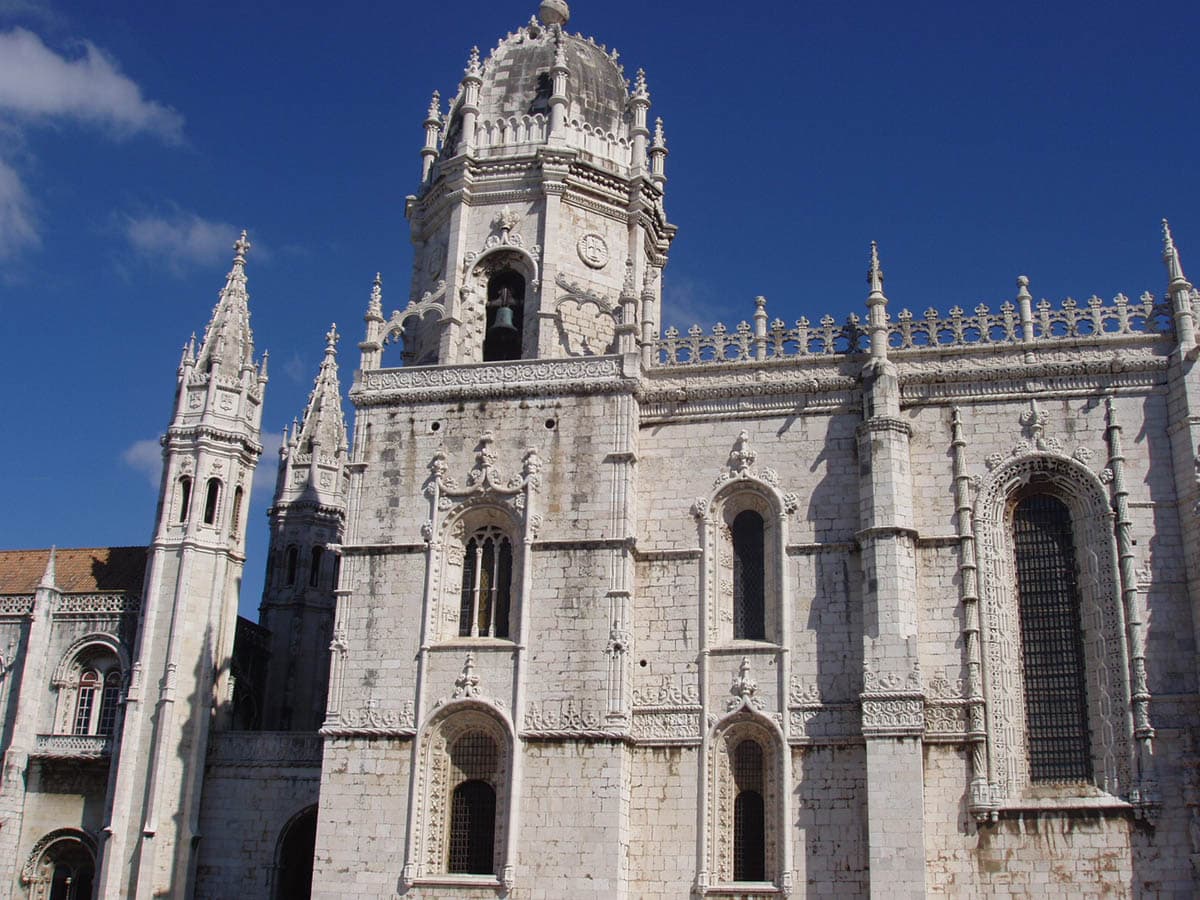
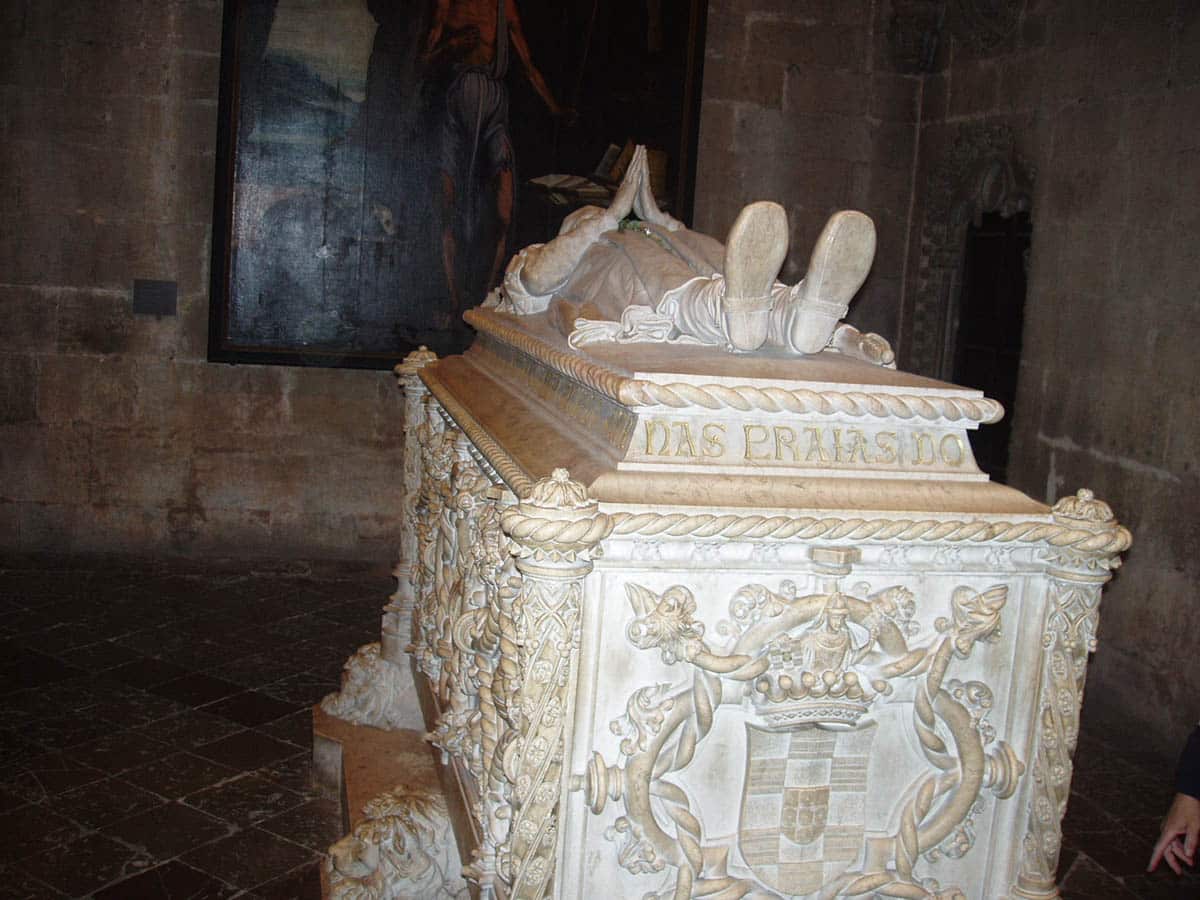
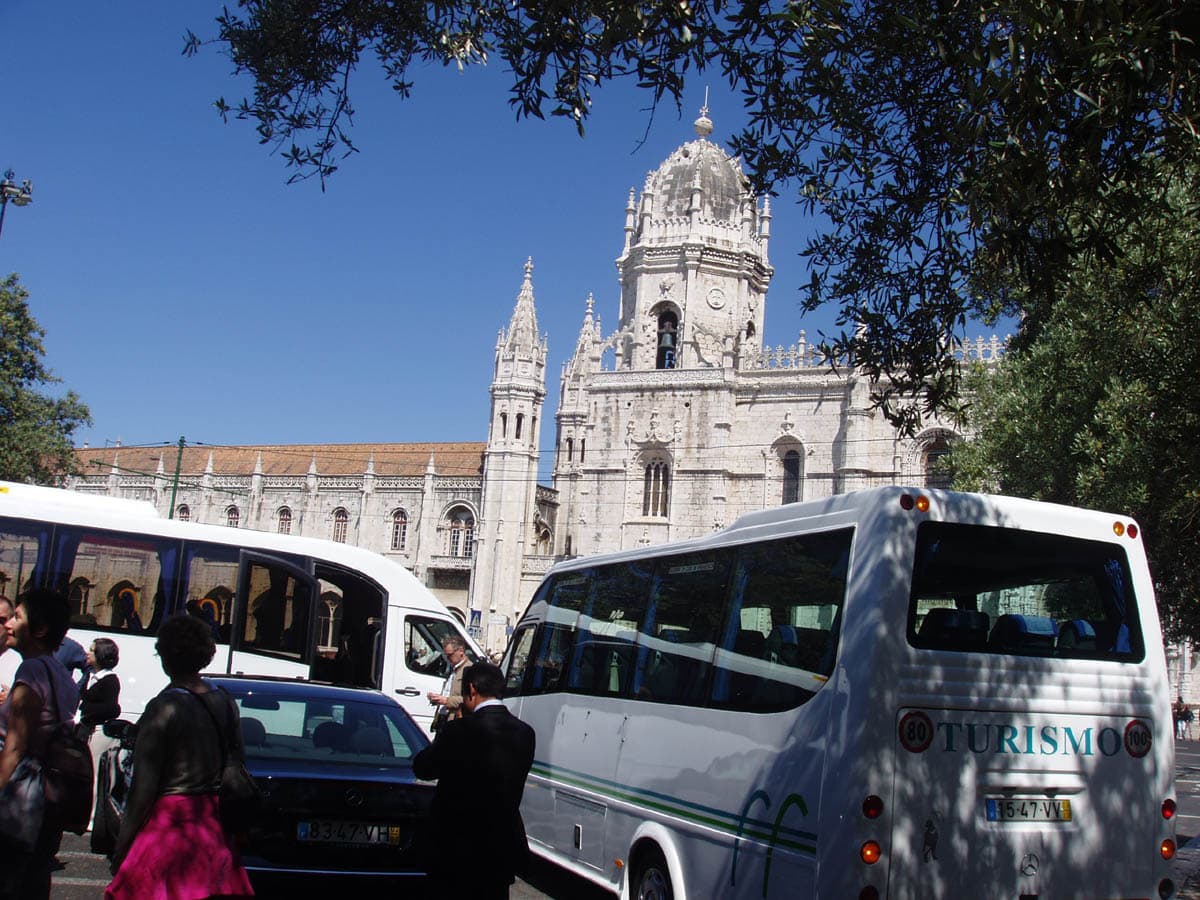
From Belém the Portuguese ships sailed out in the Age of Discovery. The Belém Tower of the 1510s guarded the river, and the Jerónimos Monastery, paid for with the spice trade, holds the tomb of Vasco da Gama; both are on the UNESCO World Heritage list. The Monument to the Discoveries of 1960 shows Henry the Navigator and the explorers, and the great compass rose in front of it has a world map with the routes of their voyages.


The 25 de Abril Bridge and Parque das Nações
The red suspension bridge of 1966 crosses the Tagus to the statue of Christ the King; it is named after the Carnation Revolution of 25 April 1974. In the east of the city the site of the Expo 98 world fair became Parque das Nações, with the Vasco da Gama Tower and the Oceanarium, one of the largest aquariums in Europe.


Port wine, souvenirs and kiosks
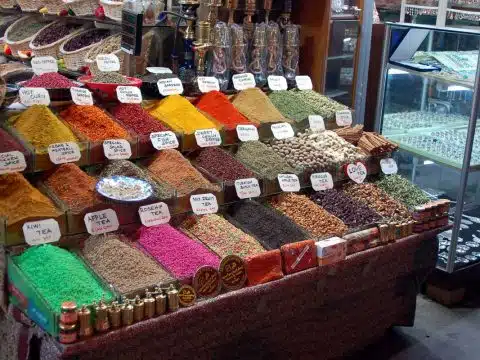
Tiles and painted cork for sale, a shop full of port wine, and a newspaper kiosk.


More of Lisbon
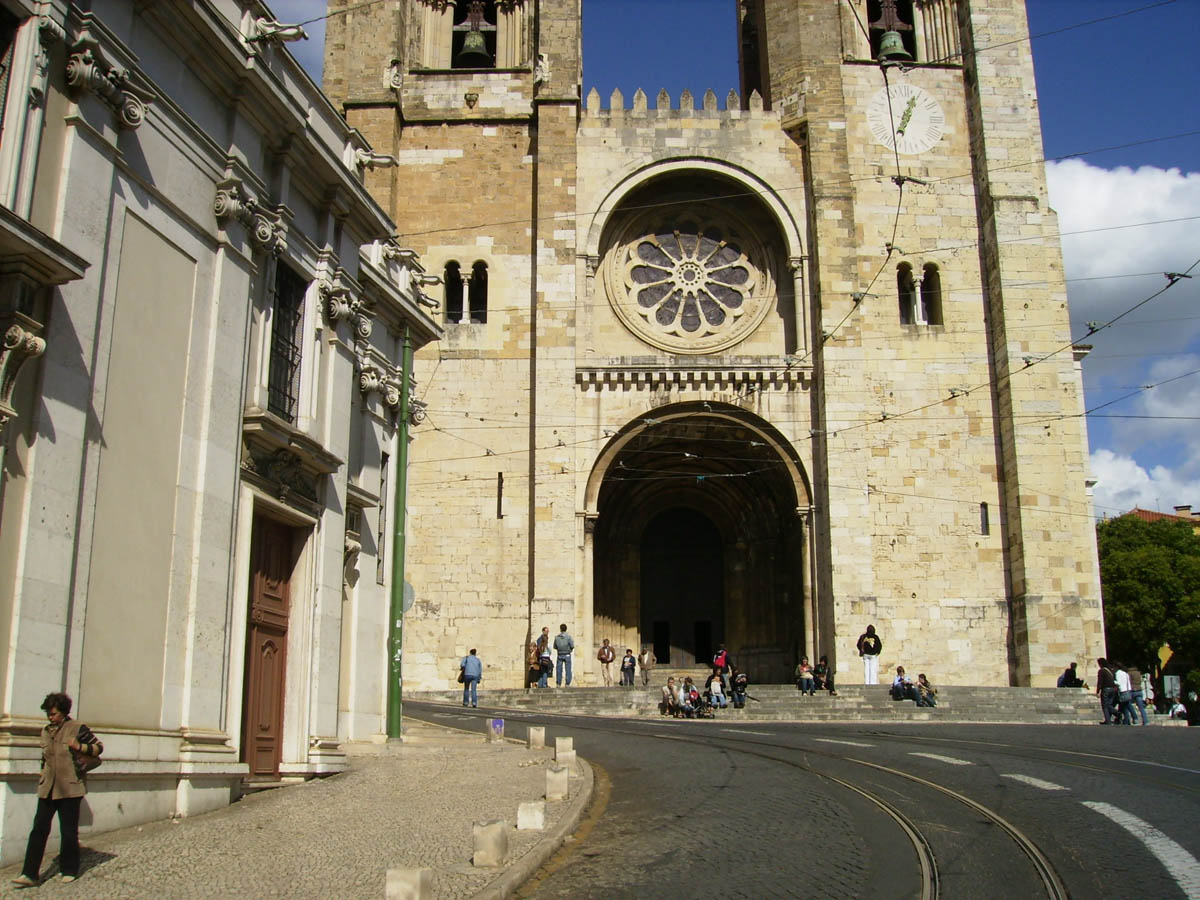
Belém Tower and the Jerónimos Monastery, tram 28 and the steep streets, the Santa Justa Lift, the cathedral, São Jorge Castle and the red roofs below it.
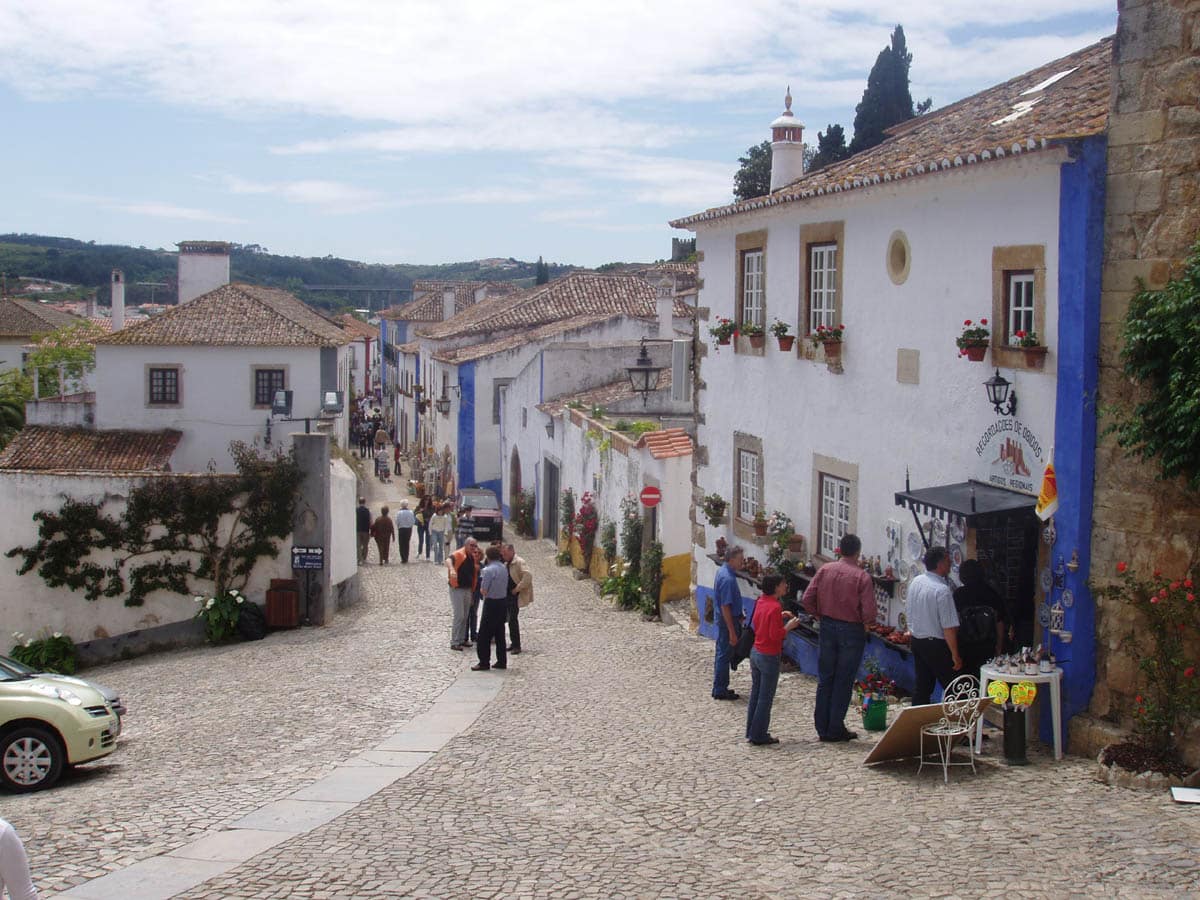
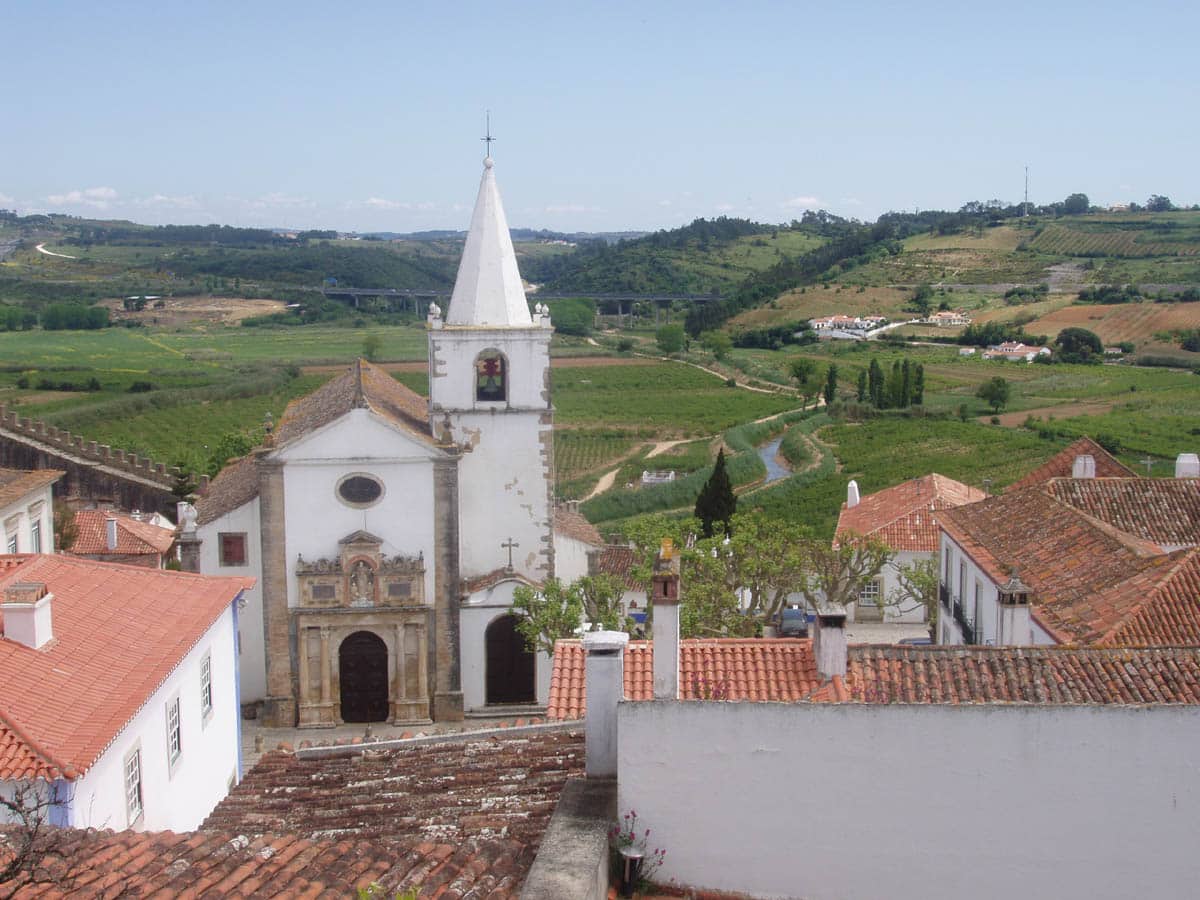
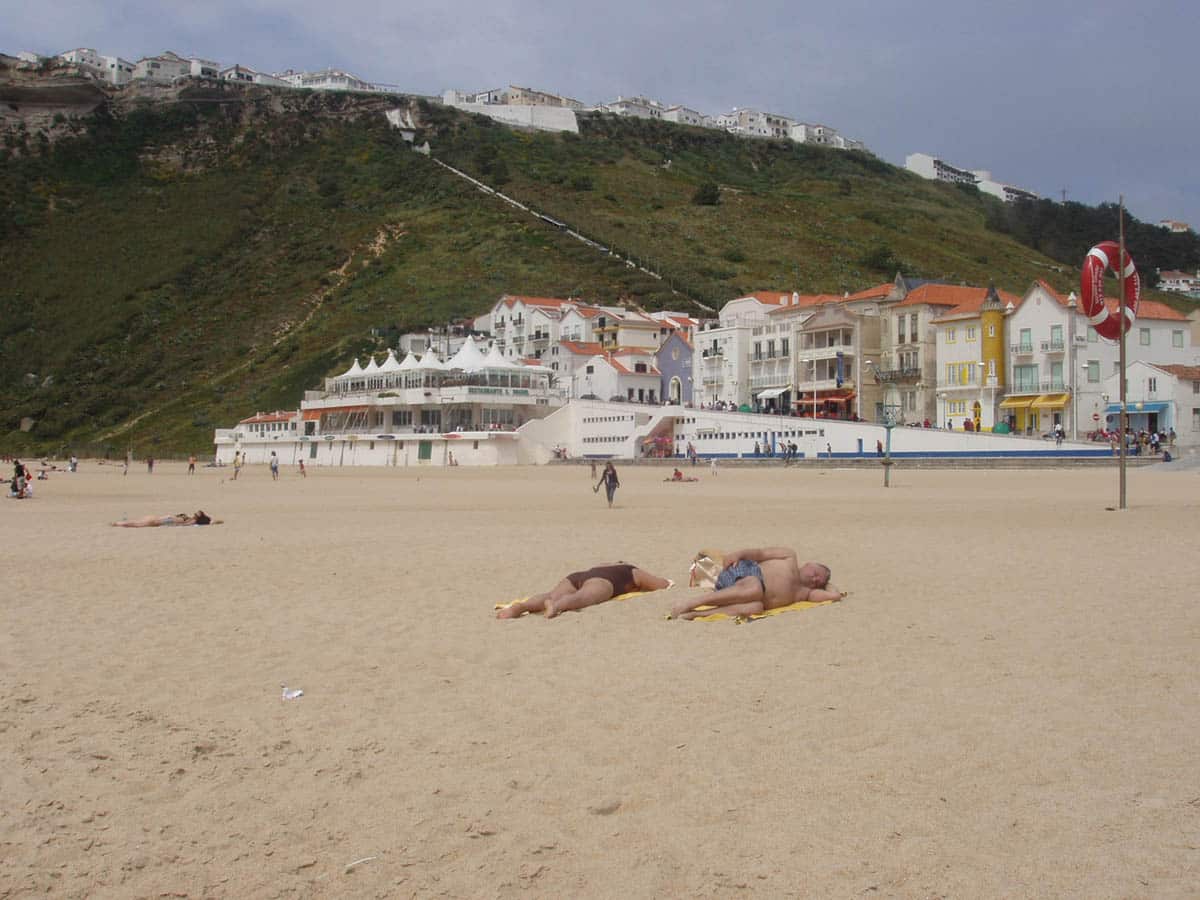
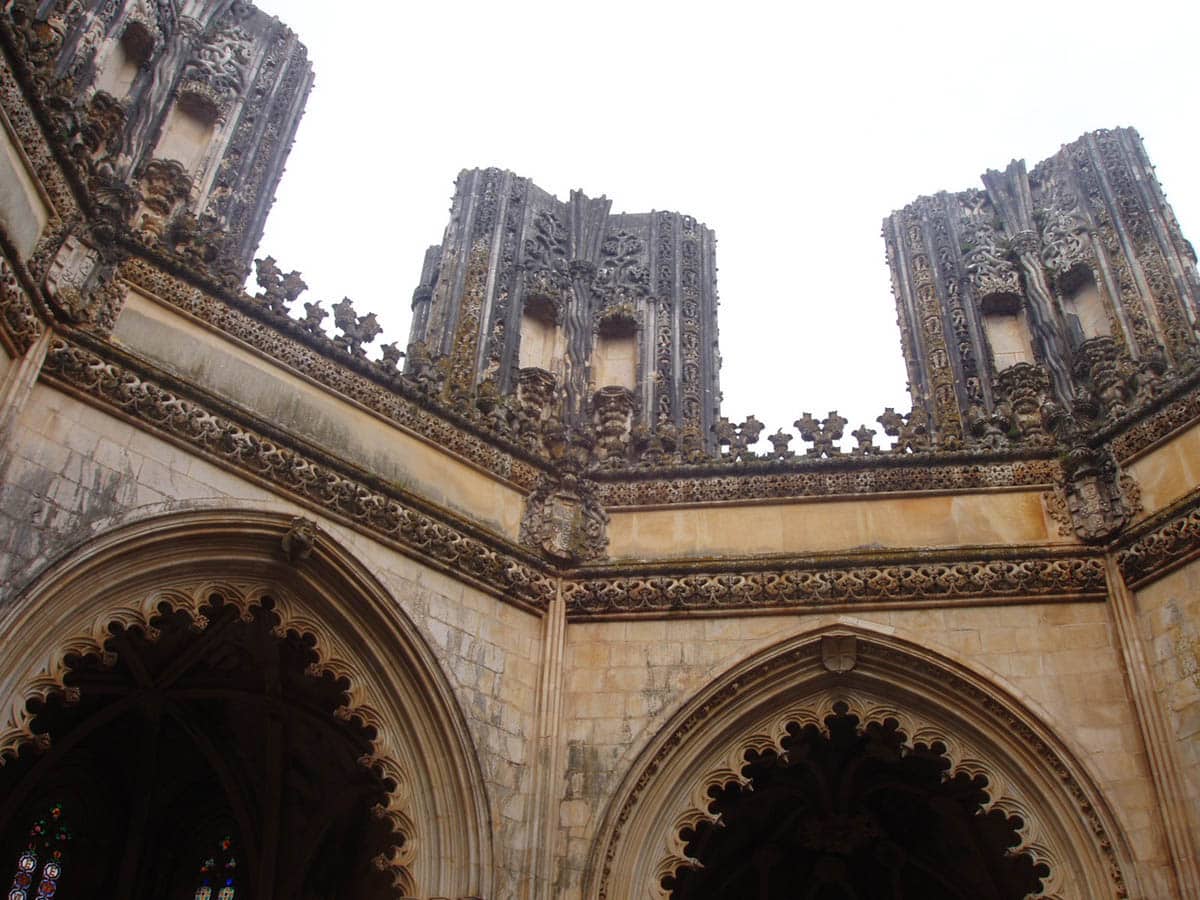
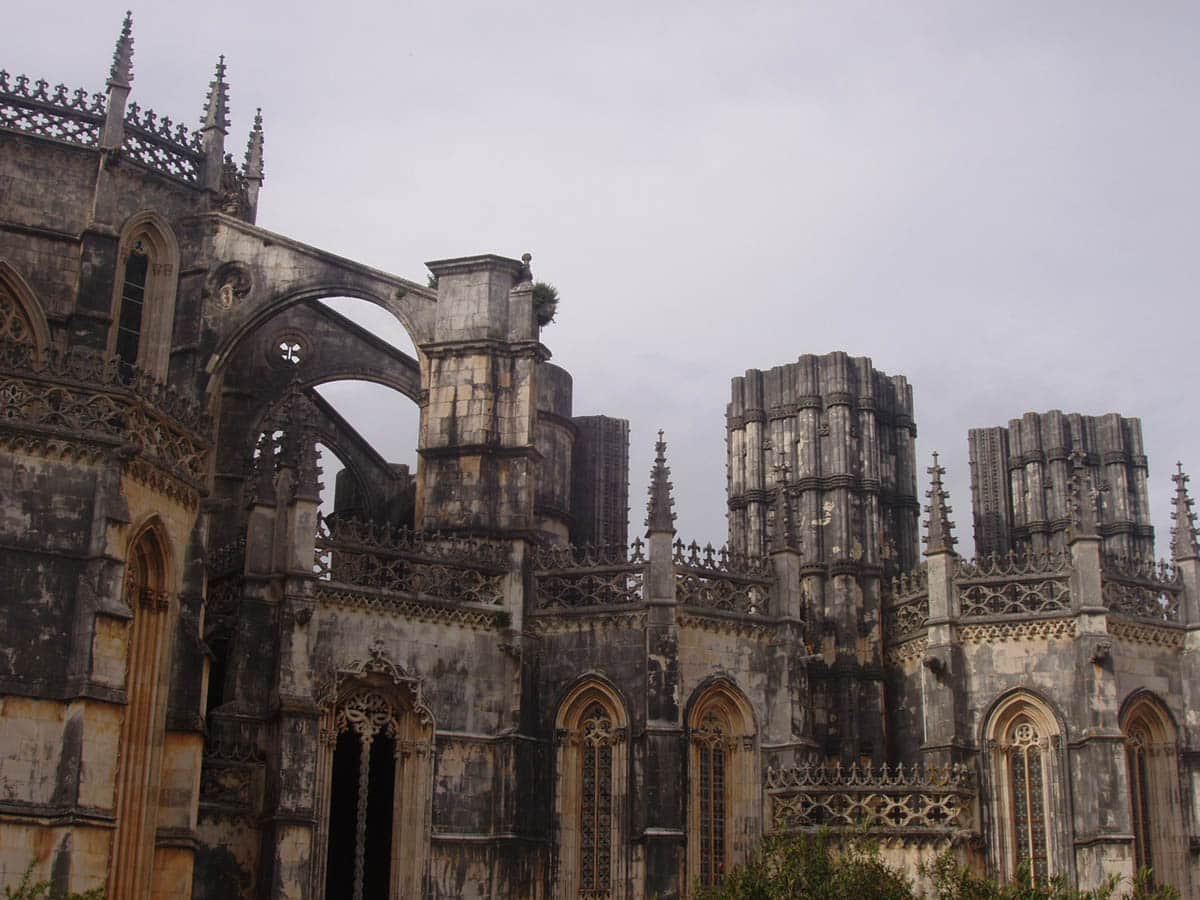
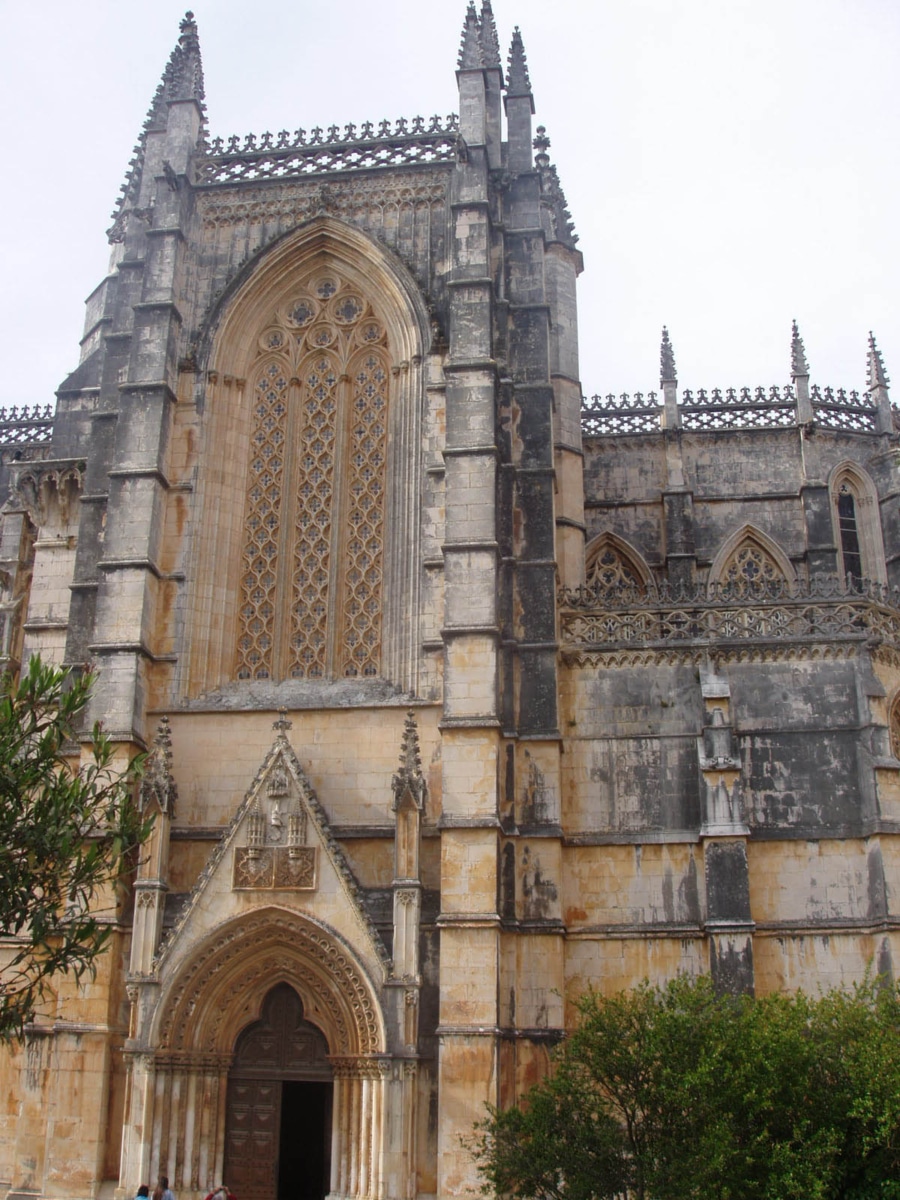
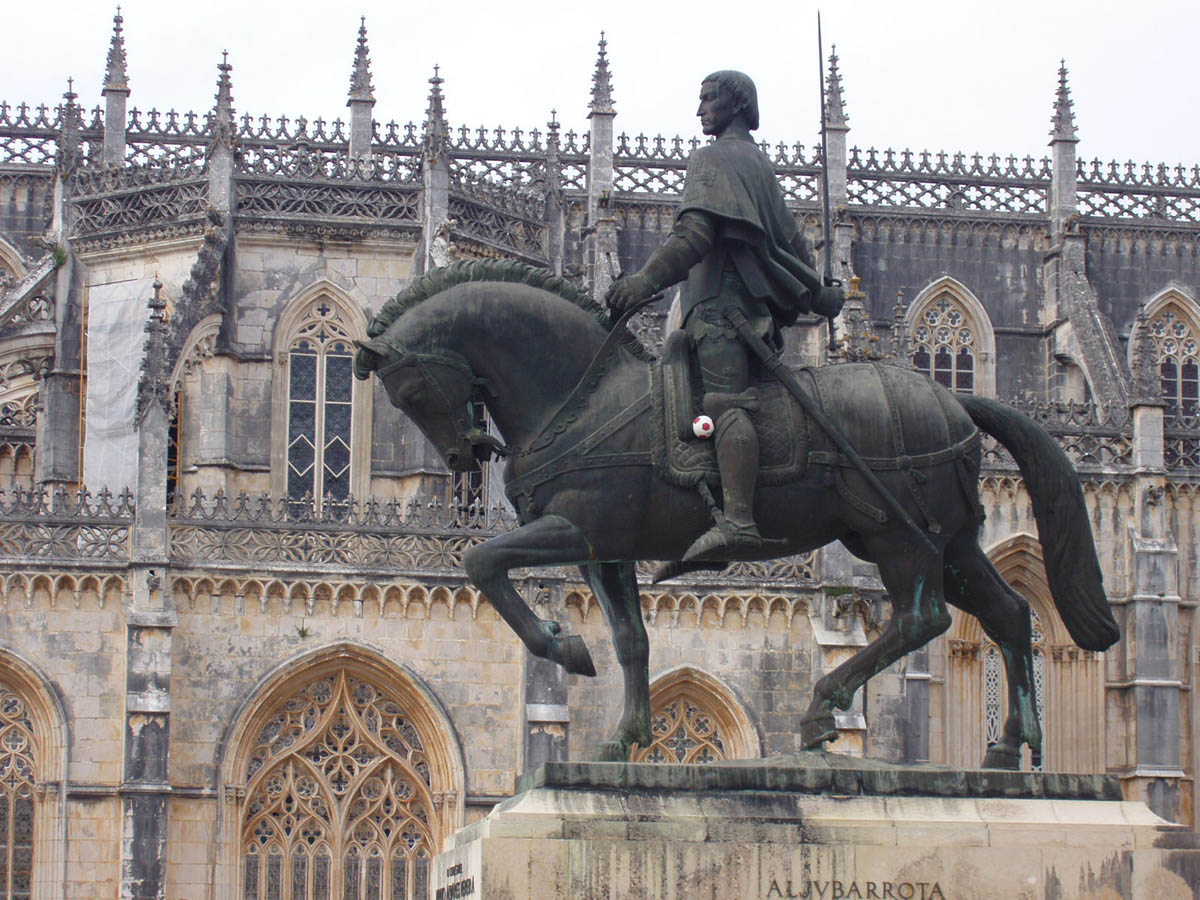
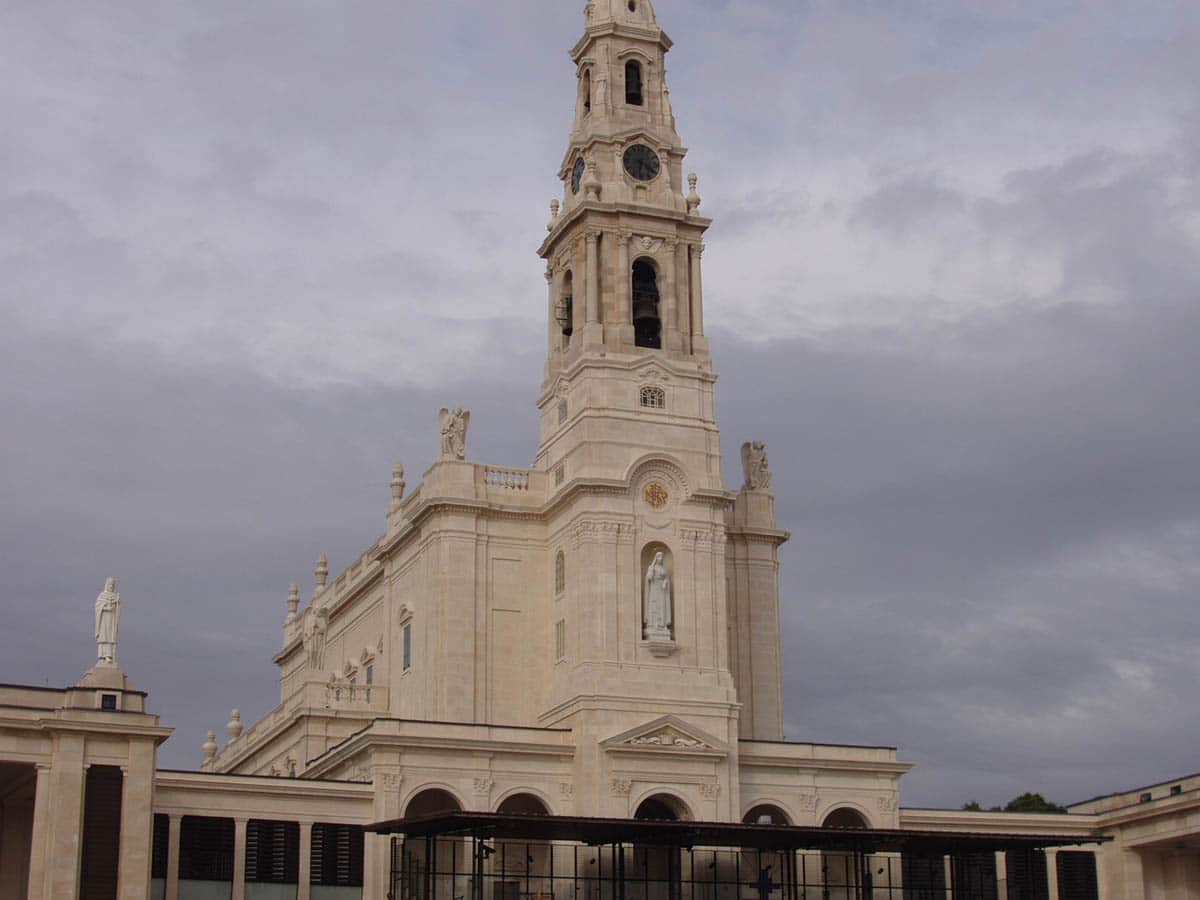
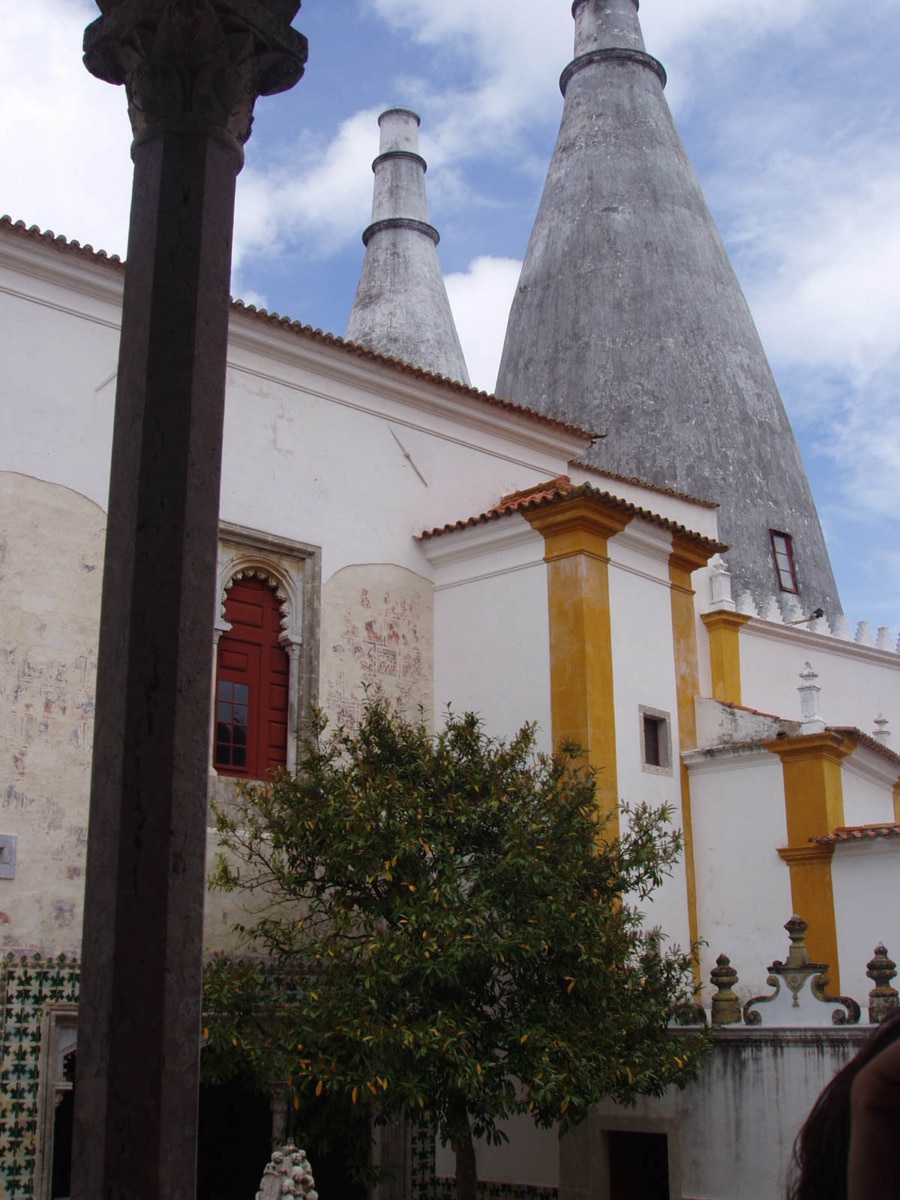
Day trips: Sintra, Óbidos, Batalha, Fátima and Nazaré
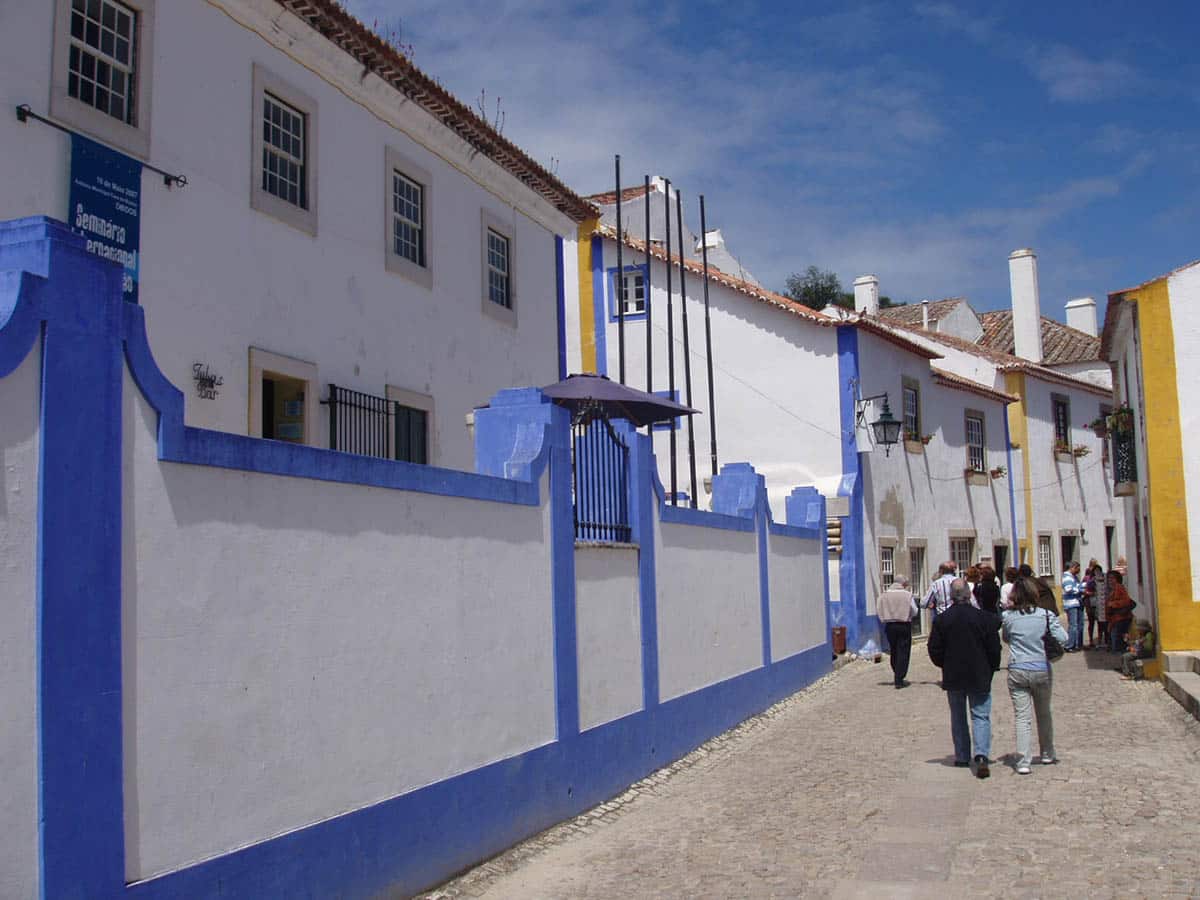
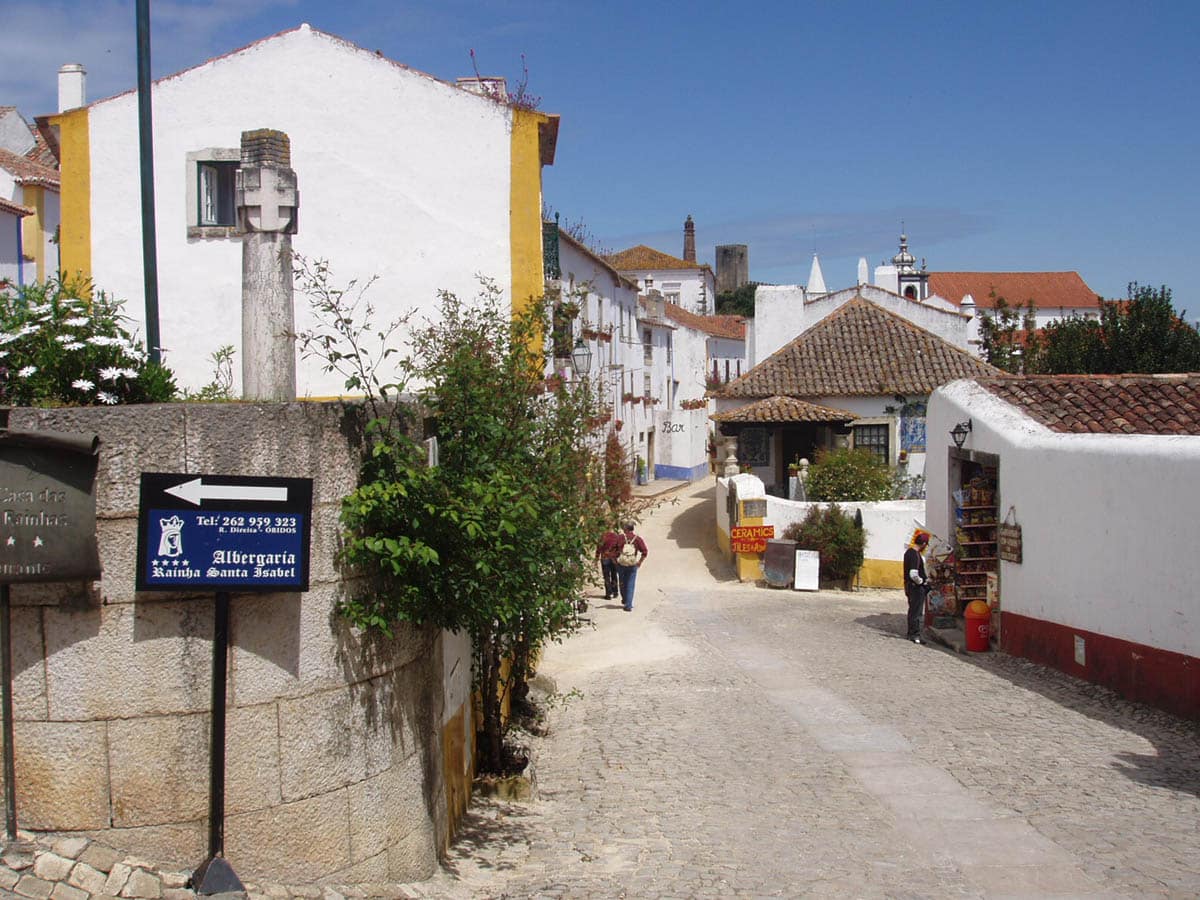
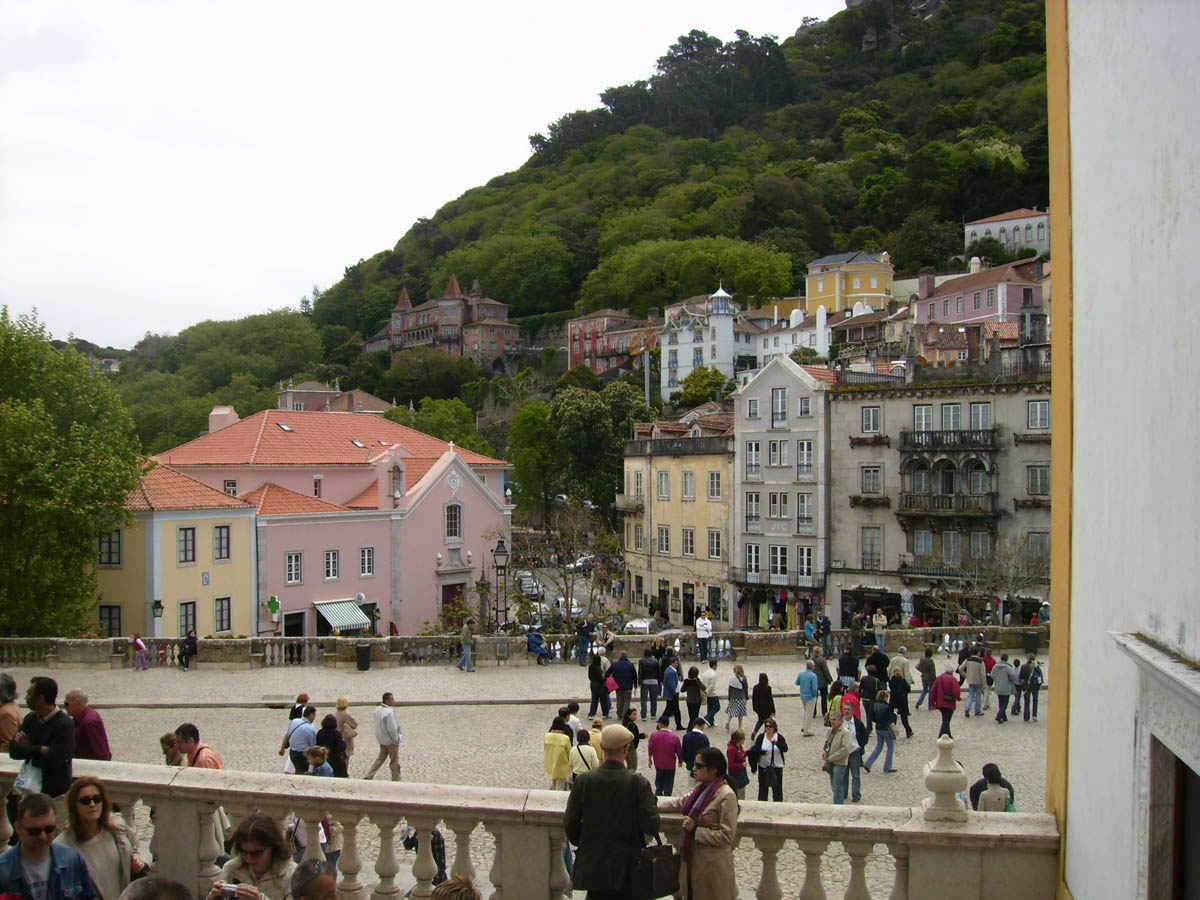
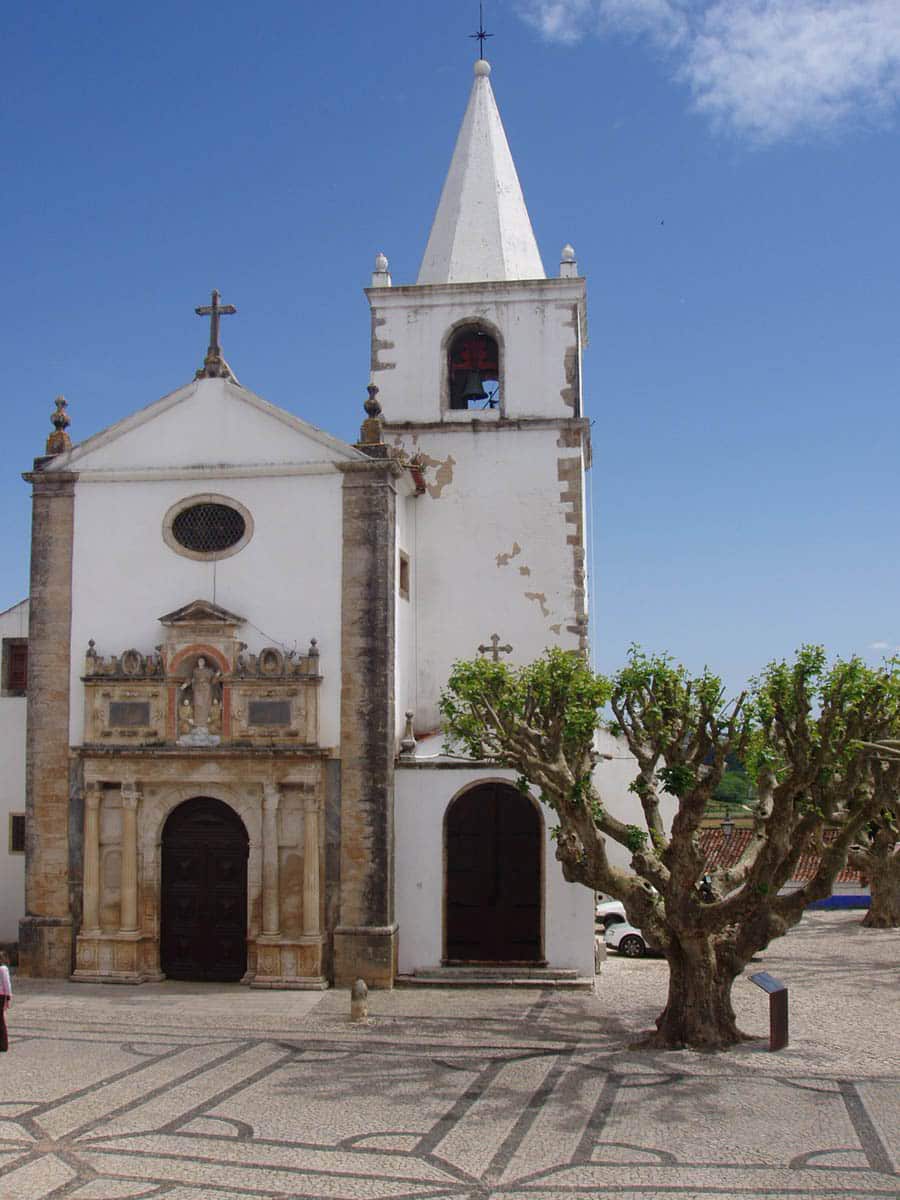
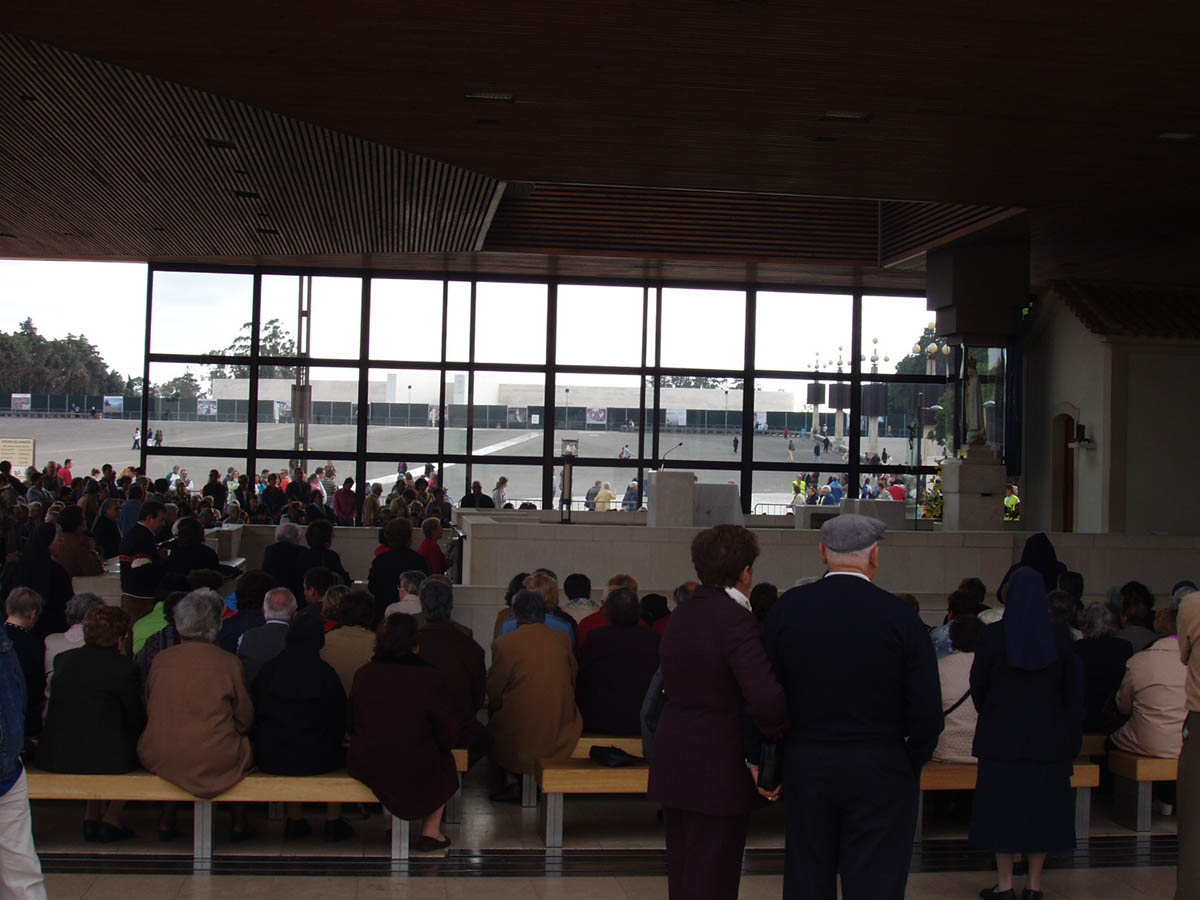
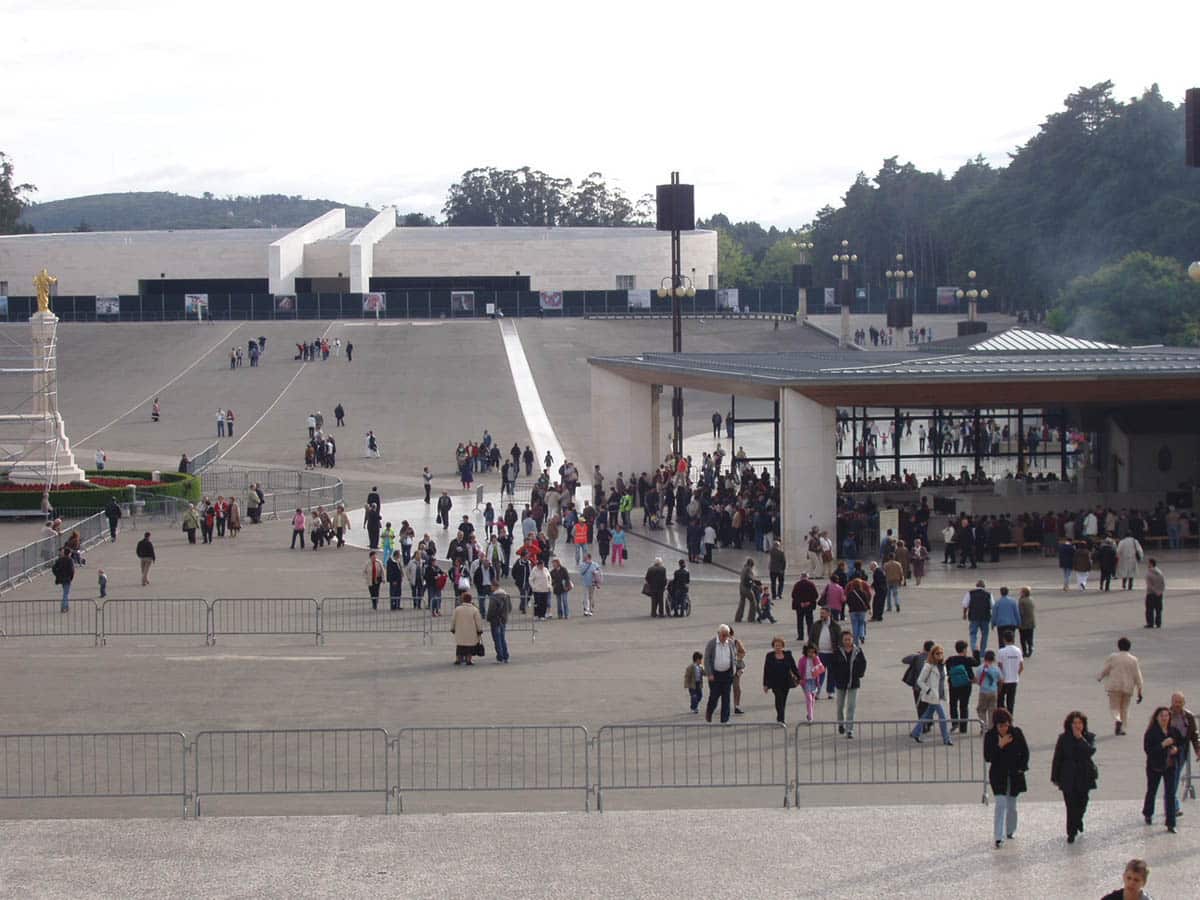
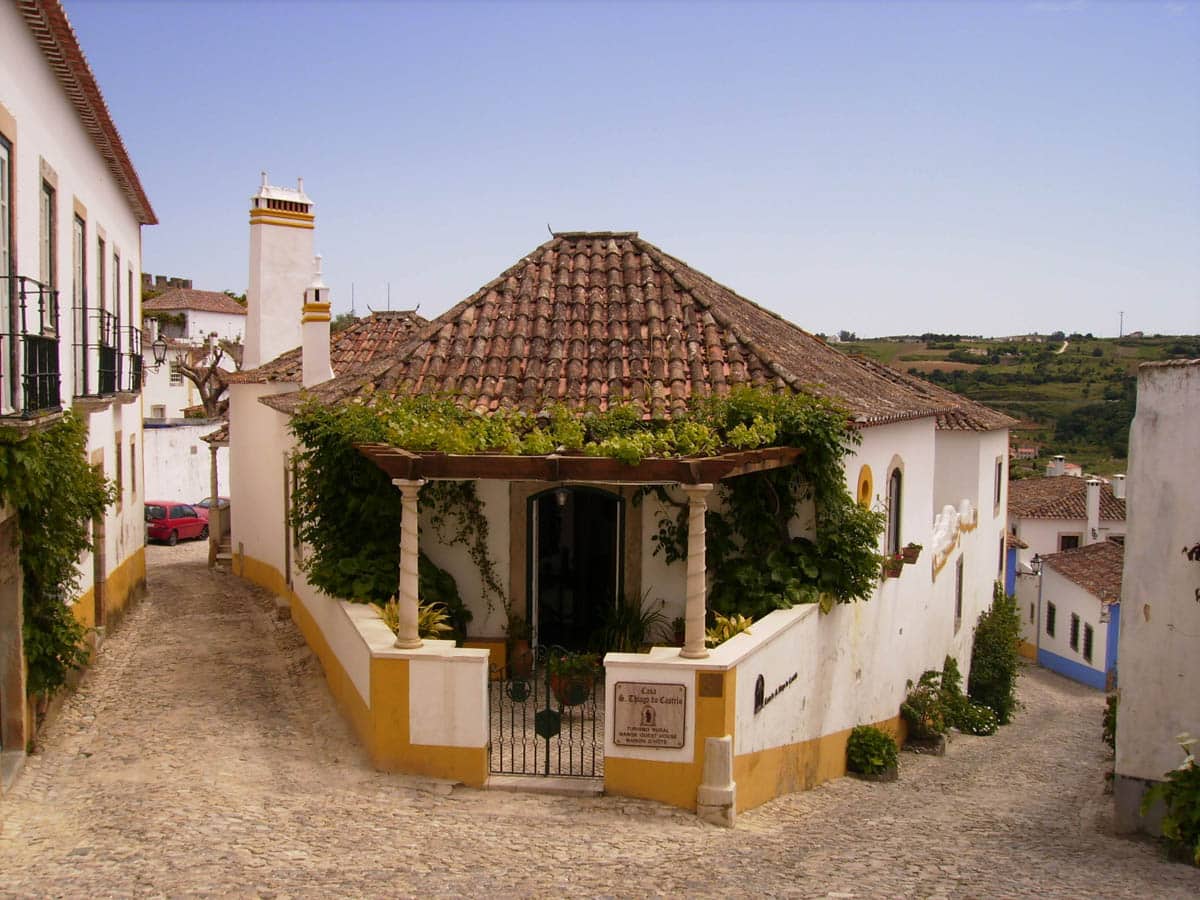
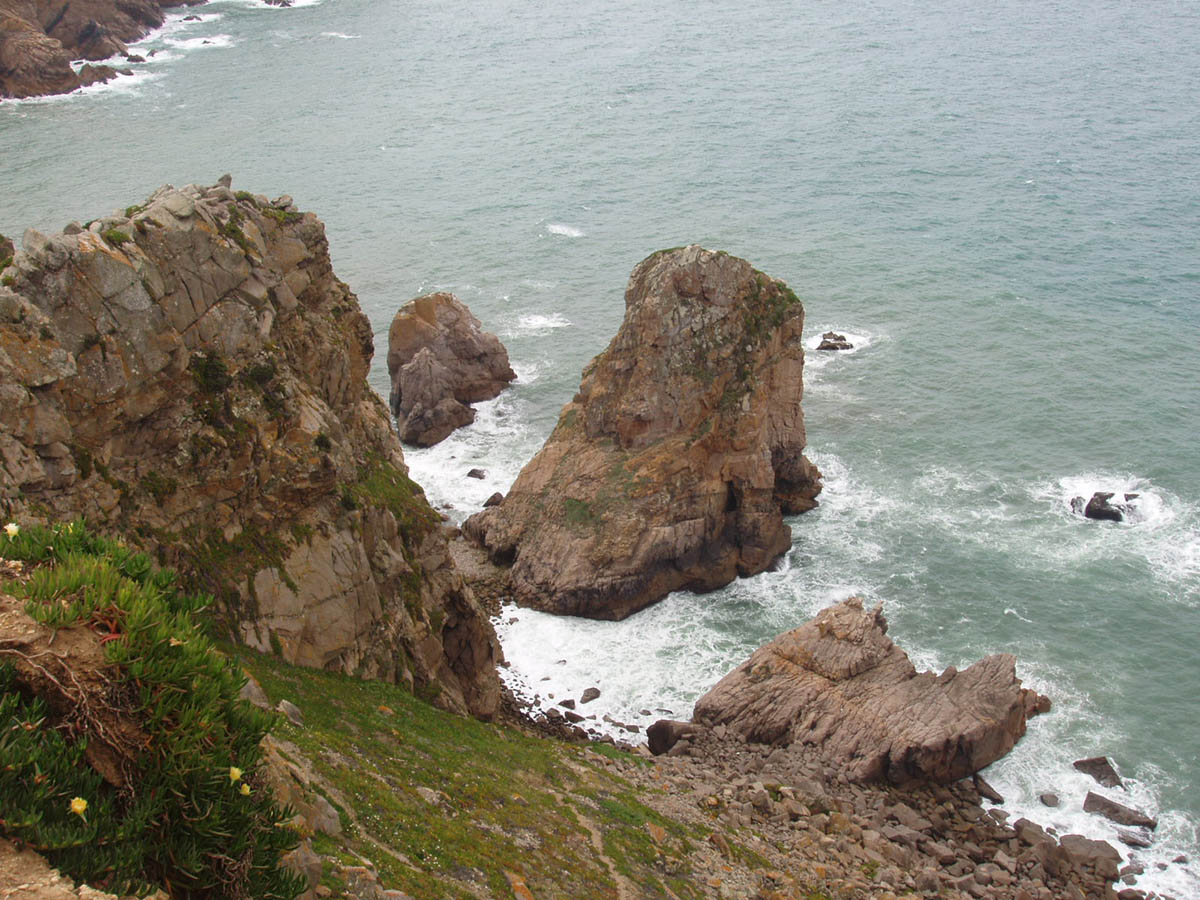
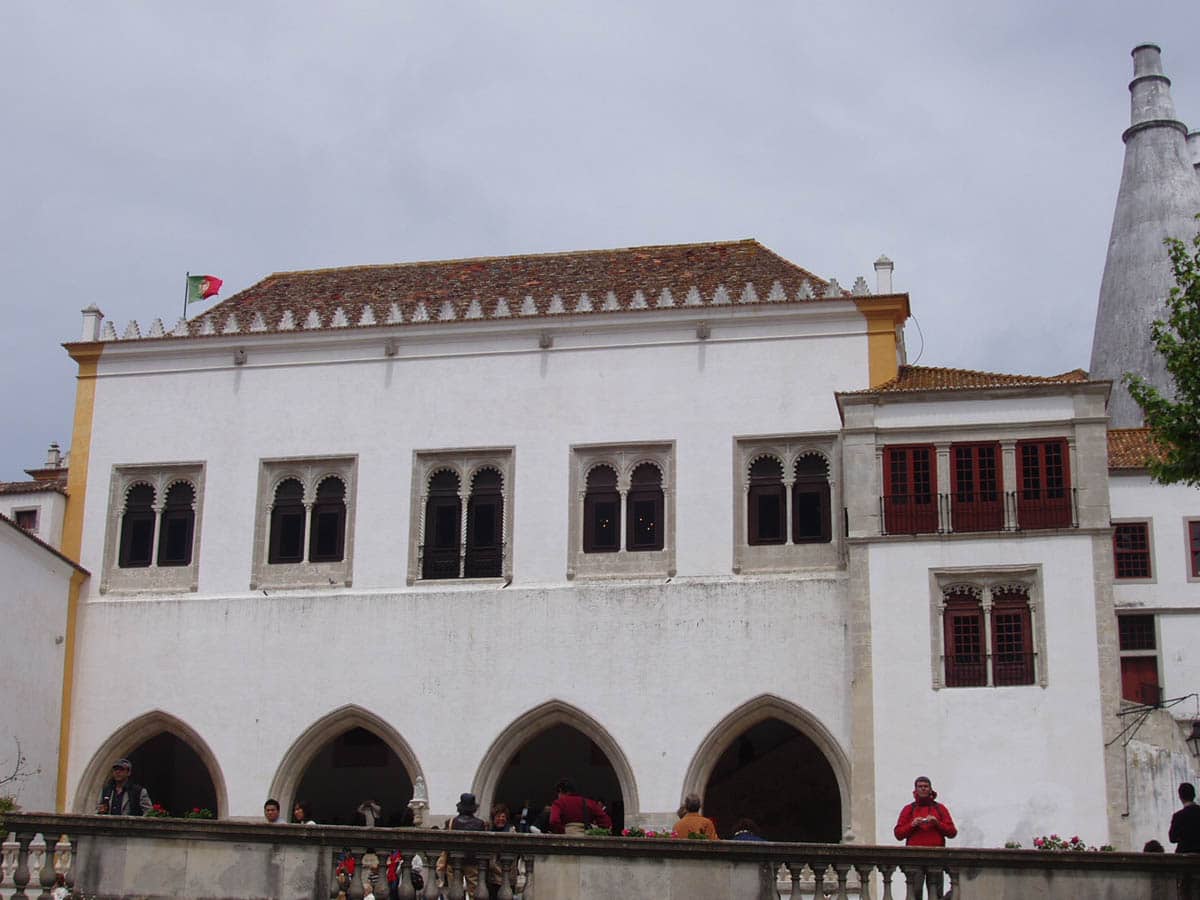
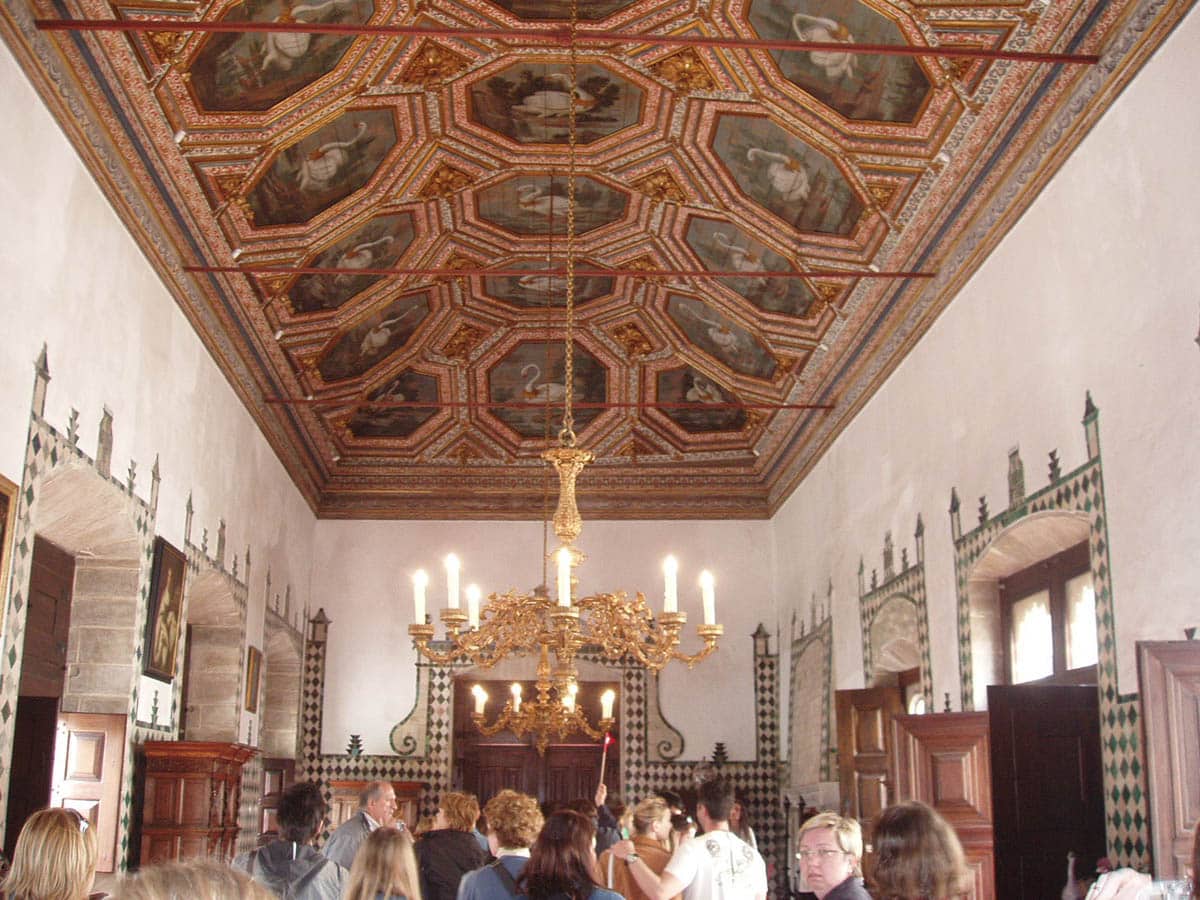
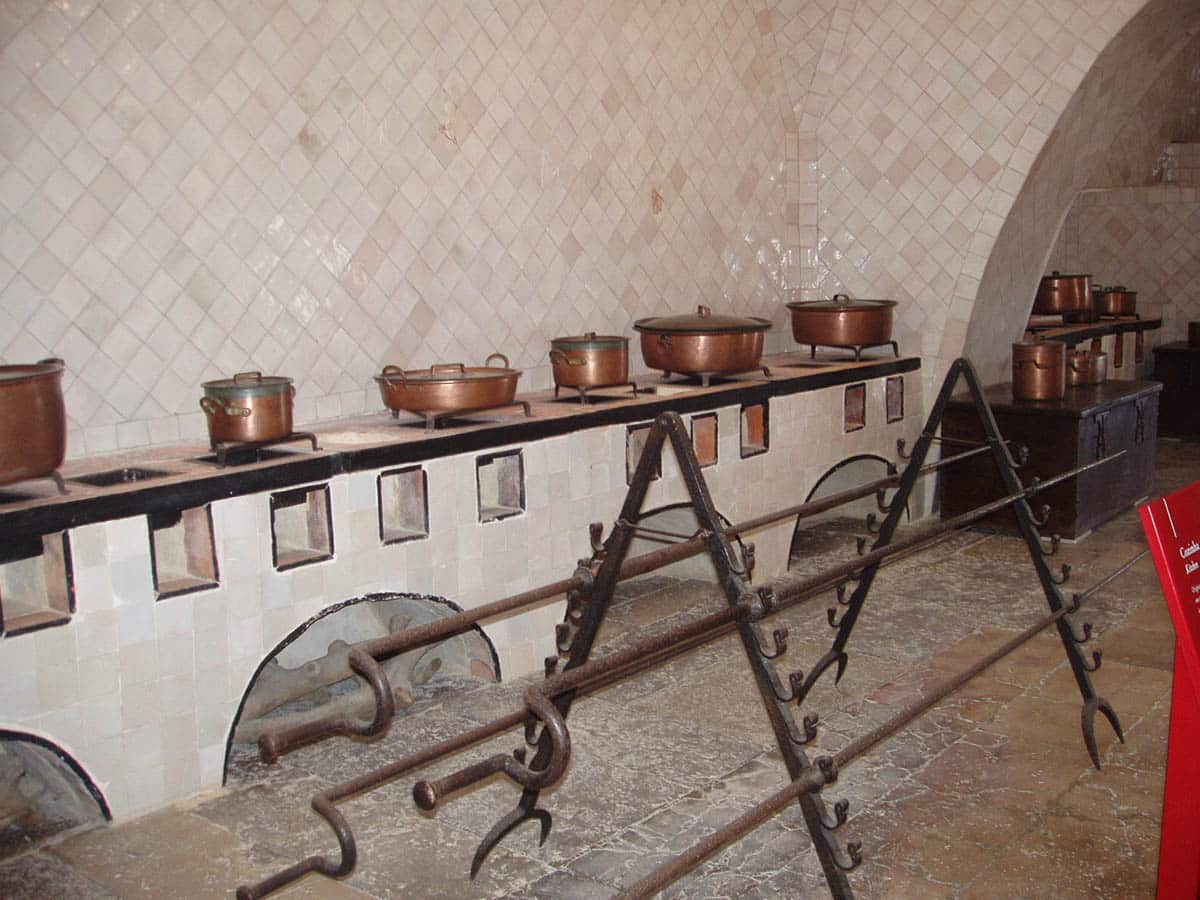
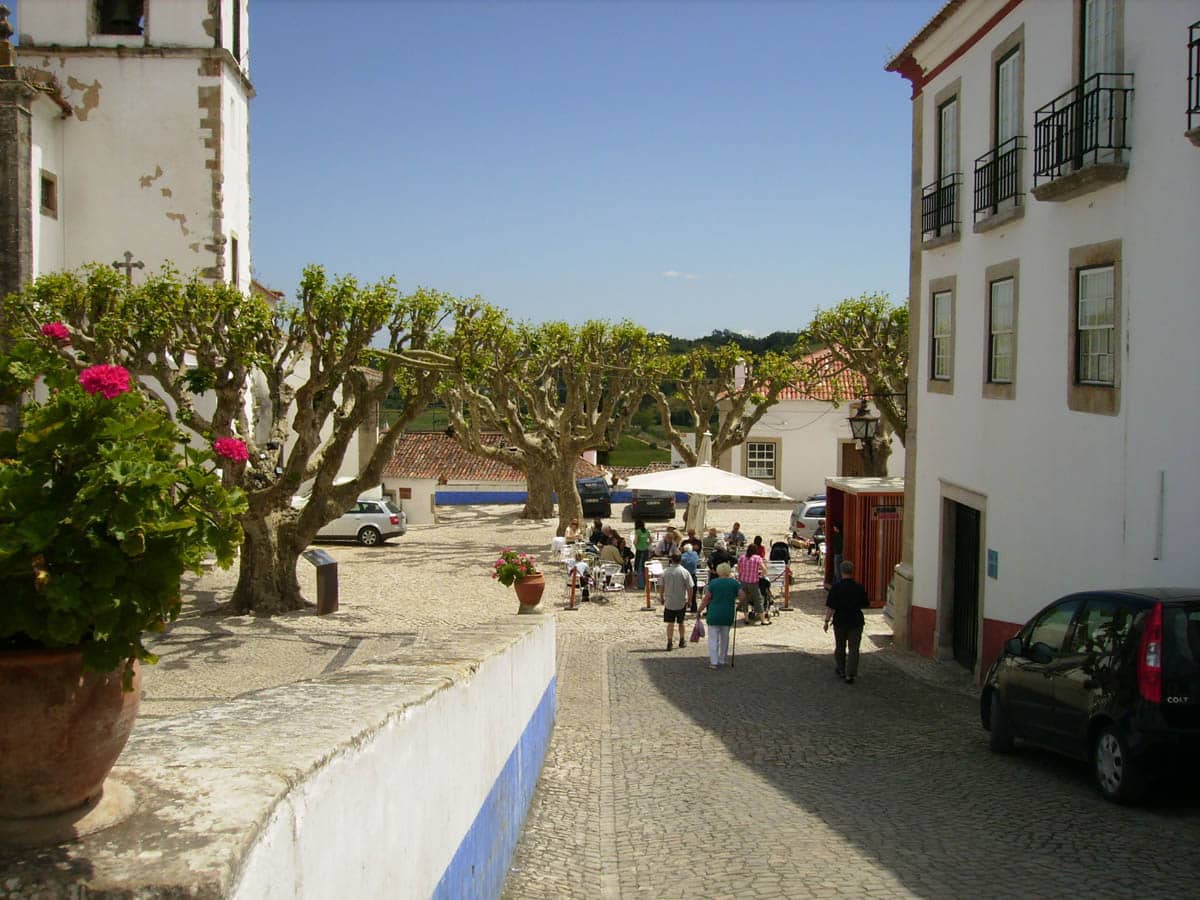
The National Palace of Sintra with its conical chimneys, the walled white town of Óbidos, the Gothic monastery of Batalha, the sanctuary of Fátima, and the beach at Nazaré.
Tips for a first visit
- Wear shoes with grip: the polished limestone pavements are slippery, above all when wet.
- Ride tram 28 early in the morning, or take the less crowded tram 12 for the same old streets.
- Give Belém half a day, and try the custard tarts at the bakery near the monastery.
- Take the train from Rossio to Sintra for its palaces, or from Cais do Sodré along the coast to Cascais; each is under an hour.
More about Lisbon
Lisbon, or Lisboa as it is called in Portuguese, is the capital of Portugal and Europe’s westernmost city with a population of about 680,000. Situated about 16 km inland from the Atlantic Ocean, on the banks of the River Targus, Lisbon enjoys a spring-like climate in winter and pleasant summers cooled by Atlantic breezes. Lisbon is an all-season destination, the most-visited city in Portugal, with a rich diversity of places of interest, chic shopping, superb hotels, gastronomy, culture and a history spanning over 20 centuries. Alfama for example is one of the oldest quarters in Lisbon and as it largely survived the great earthquake of 1755, the area still retains much of its original charm. Close by are the old districts of Castelo and Mouraria on the slopes of the hill crowned by St. George’s Castle.
The nearby coast offers superb sandy beaches at Cascais and Estoril, quaint fishing villages such as Sesimbra and remarkable architecture at Sintra with its impressive royal palaces.
City transport: Lisbon is famous for its extensive tram system, running small, yellow, early 20th century tramcars imported from America. There is also a Metro which connects the city centre with the suburbs. Two great road bridges link the banks of the River Tagus: the ‘25 de Abril Bridge’, once the longest suspension bridge in Europe, named after the date of the ‘Carnation Revolution’ in 1974; and the 17.2 km (10.7 miles) long Vasco da Gama Bridge, which still is the longest European bridge.
What to see: If you like aquariums (or if the weather is bad), there are two good ones to choose from in Lisbon: the Aquário Vasca da Gama at Dafundo houses over 200 species of marine and freshwater creatures from all over the world, including turtles and fur seals (open daily 10.00 till 18.00, tramline 15 to Algés then a 10 minute walk); and the Oceanário de Lisboa in the Parque das Nações, a very child-friendly aquarium with lots of activities, which focuses on the idea that there is only one ‘Global Ocean’. On top of the highest hill in Lisbon is St George’s Castle (Castelo de Sao Jorge).
It houses a camera obscura giving 360 degree views of the city; a museum displaying the history of Lisbon; and a garden of indigenous trees. There is a café and restaurant, and the castle is open every day from 09.00
Where to stay: Right in the city centre and with views of St George’s Castle is the 5-star Hotel Avenida Palace, housed in a classical 19th century building. Its 82 rooms have antique furniture and marble fittings and it has all the facilities you would expect in a hotel of this class. Still in a central location and equally well recommended is the Portugal Boutique Hotel (4-star). Here the 53 rooms, by contrast with the Avenida Palace, are furnished in a very modern style, all themed around blue and white. At both these hotels there is free private parking and a bar, but no restaurant (though there is a breakfast room) or pool.
For something cheaper but still in the city centre, try the 3-star My Story Hotel Ouro in the historic Baixa district. This hotel, which does have a restaurant, is themed around Portuguese tiles. The building is 18th century, but the hotel is new and rooms are modern and well-equipped. You can walk to the My Story from the train station in 5 minutes. Backpackers wanting to socialise or join organised activities could head for a city centre hostel called ‘We Love F. Tourists’. Here there are two common room areas with board games, books and films to watch, or they will lend you an iPad. There is also a bar and organised evening activities. Accommodation is in dormitories but – a word of warning – there is no lift.
More free photos
- Lanzarote pictures
- Rome pictures
- Paris pictures
- Free bridge pictures
- Free castle pictures
- Free train pictures
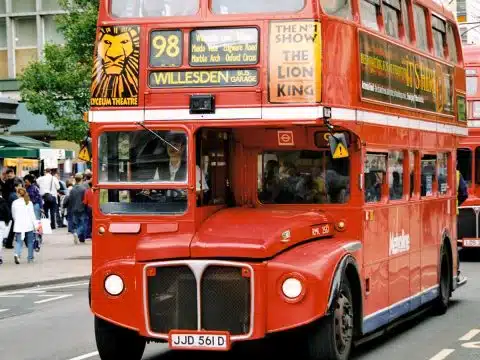
- Free bus and tram pictures
- Free city street pictures and city backgrounds
- Europe pictures
Questions about these Lisbon photos
Can I use these Lisbon pictures for free?
Yes, for personal and commercial projects. All we ask is a link back to BigFoto.com; the box at the top of the page has a credit link you can copy.
How many days do you need in Lisbon?
Three days covers the old quarters, the Baixa and Belém at an easy pace; add a day each for Sintra and the coast at Cascais.