Things to Do in Twelve Apostles National Park: 12 Best Experiences
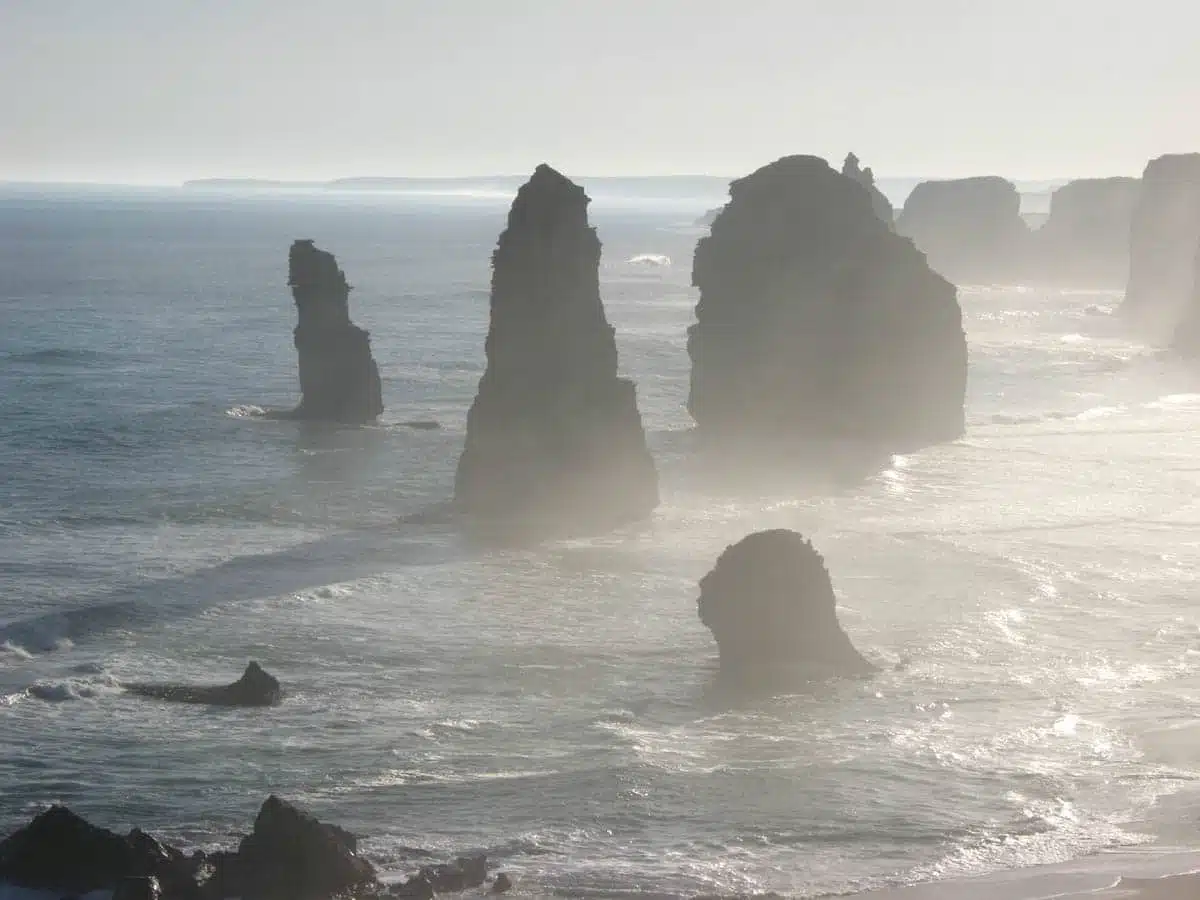
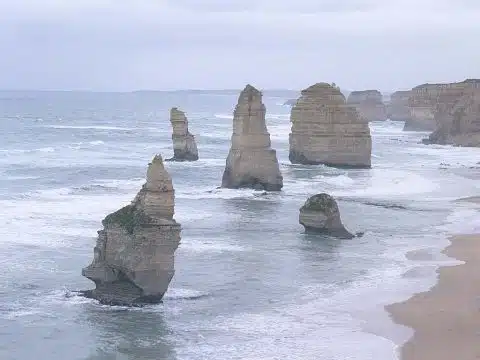
Twelve Apostles National Park is on the south-west coast of Victoria, in southern Australia. The famous limestone stacks rise out of the Southern Ocean beside the Great Ocean Road. They stand in Port Campbell National Park, while the sea around them is protected as the Twelve Apostles Marine National Park. Many visitors know the whole area simply as the Twelve Apostles.
The stacks were once part of the mainland cliffs. Wind and waves wore away the soft limestone, first into caves, then arches, then free-standing pillars. Some are about 45 metres tall. Here are the 12 best things to do in Twelve Apostles National Park, with tips on when to go and how to plan your trip.
1. See the Twelve Apostles from the viewing platforms
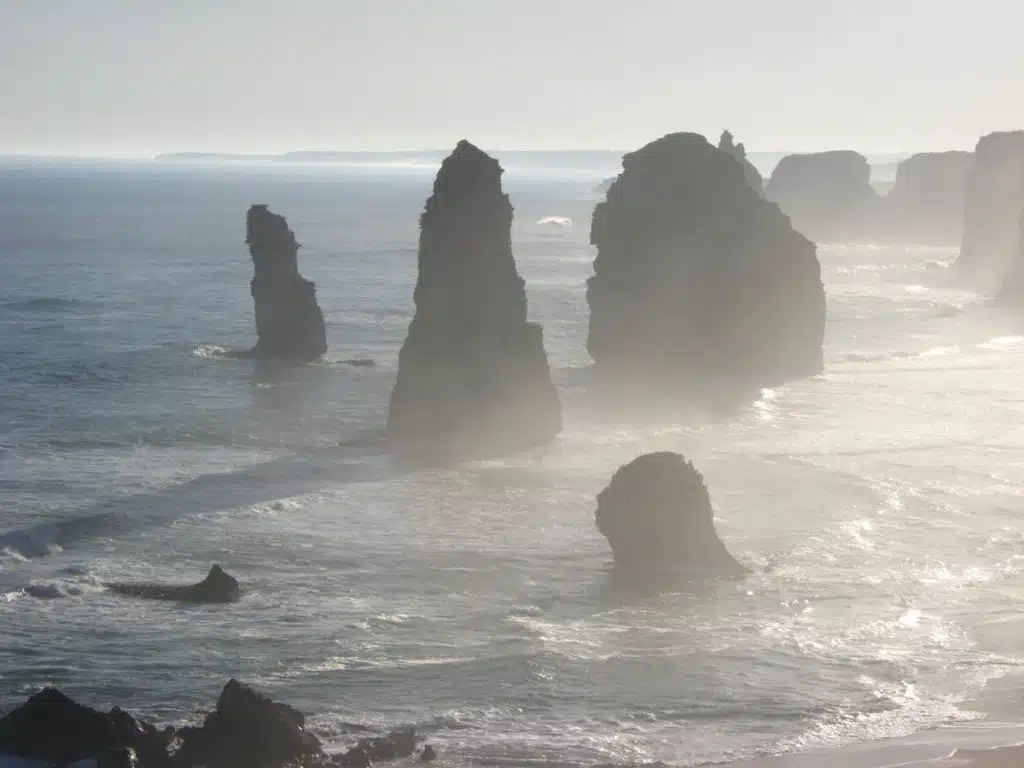
The main lookouts are a short walk from the visitor car park. Boardwalks lead to platforms with wide views along the coast. Fewer than twelve stacks stand today, and the name was never quite accurate. Even so, the rows of pale pillars against the dark sea are a striking sight. Come early to avoid the crowds.
2. Watch sunrise or sunset
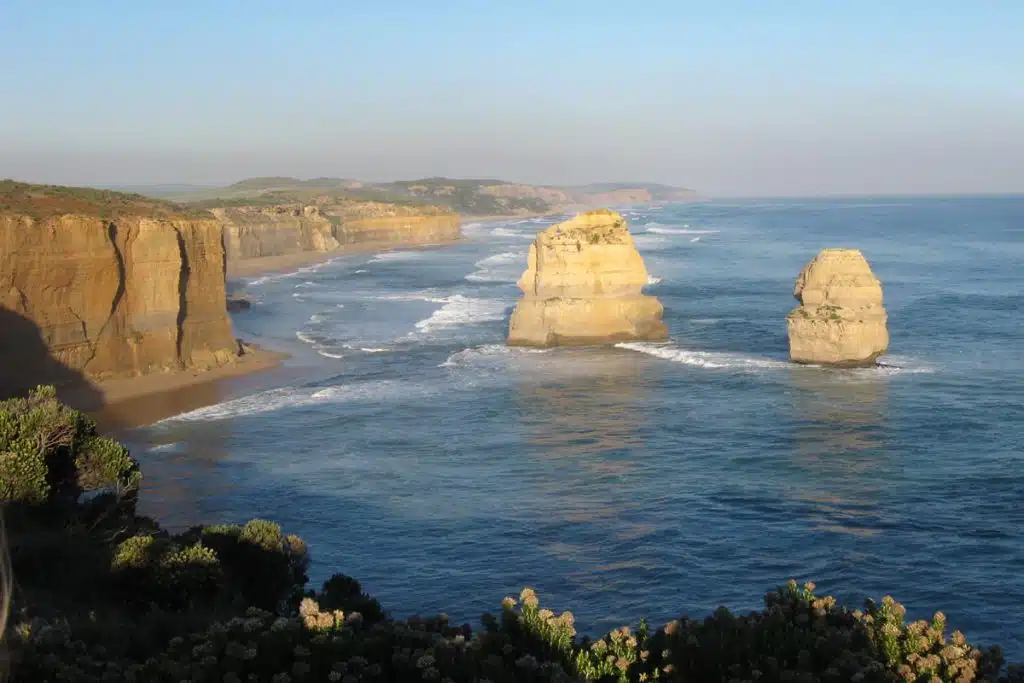
Low light turns the limestone gold and orange, and the crowds thin out. Sunset is popular, so arrive well before it and take a warm jacket, as the wind off the ocean can be cold. Little penguins live along this coast, but they are shy and best left alone. Check the sunrise and sunset times for your date.
3. Walk down to Loch Ard Gorge
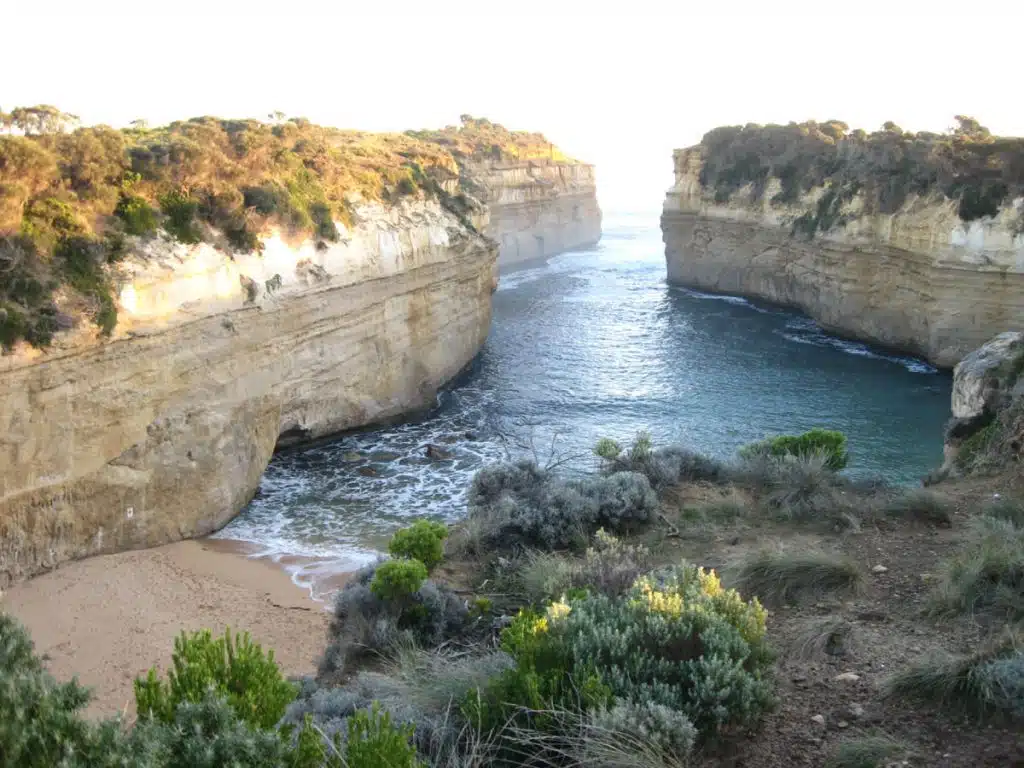
Loch Ard Gorge is a few minutes’ drive west of the Apostles. The steps down to the small beach have been closed since May 2023 because of cliff instability, but a path leads to lookouts over the gorge, which is enclosed by tall cliffs. It is named after the Loch Ard, a ship wrecked here in 1878. Only two people survived. Signs along the cliff tops tell the story, and the colours of the rock are lovely in the afternoon.
4. Follow the Shipwreck Coast
This stretch of coast earned its name because many ships were lost here in the 1800s. Rough seas, hidden reefs and few lights made the voyage from Europe dangerous. Signposted sites along the road explain what happened and how survivors were rescued. It is a good way to learn why this shipping route was so important, and so risky.
5. Go down the Gibson Steps
The Gibson Steps are a staircase cut into the cliff, leading to a wide beach at the foot of the rock face. From the sand you can look up at the cliffs and see two stacks standing in the surf. The steps are steep and the beach is exposed. The sea here is rough, so stay back from the water and follow the safety signs.
6. Visit London Arch
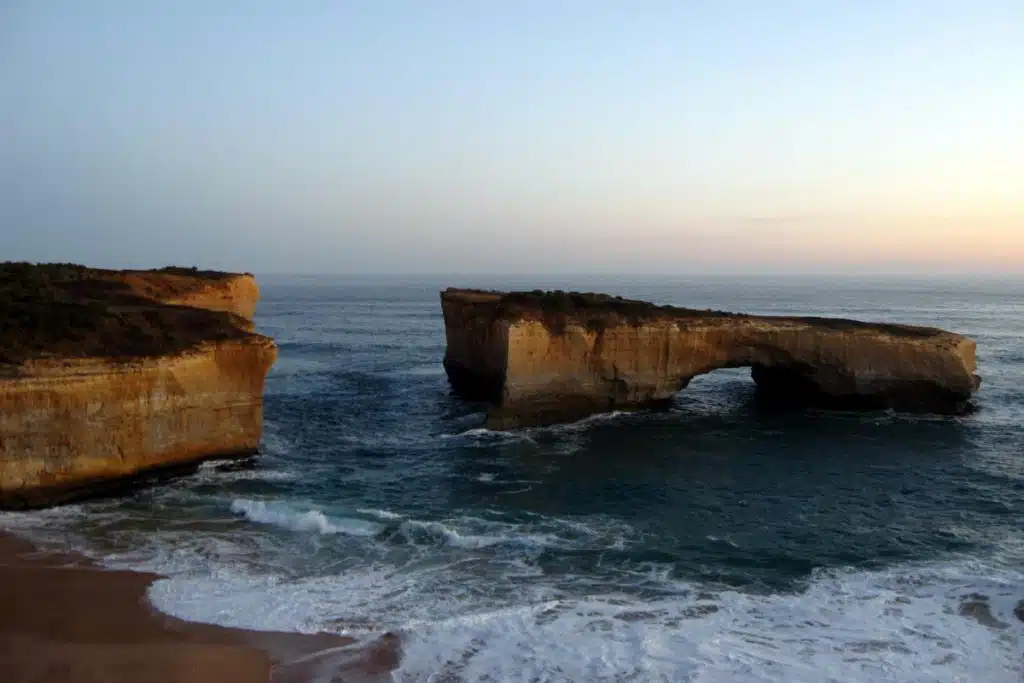
London Arch, once called London Bridge, is a rock formation just offshore, with a natural opening cut by the waves. Its outer span fell into the sea in 1990, leaving two visitors stranded on the new island until a helicopter rescued them. It is a clear reminder that this coast is always changing. Platforms give safe views.
7. Stop at the Grotto and the Bay of Islands
The Grotto is a sinkhole in the cliffs, with a rock archway framing a pool and the sea beyond. Further west, the Bay of Islands has more stacks, long beaches and fewer visitors than the main sites. Both are short stops with good photo spots. They make a calm contrast to the busy car parks near the Apostles.
8. See the coast from the air
Helicopter flights operate from near the visitor area. They give a view of the stacks, cliffs and surf from above, and show how the coast has been cut back over time. Flights are short and depend on the weather, so book ahead in busy months. If you prefer to stay on the ground, the lookouts along the road give good views too.
9. Walk the coast from Princetown
Princetown is about 7 kilometres from the Apostles. A coastal walk links the two, using boardwalks, steps and gravel paths. The route is part of the longer Great Ocean Walk, which starts at Apollo Bay. Allow plenty of time, take water and sun protection, and go slowly. You may see kangaroos and many kinds of birds on the way.
10. Look for wildlife and coastal plants
The coast is low scrub and heath on top, with kelp forests and rock pools below. Seabirds nest on the cliffs and stacks, and the water holds crayfish and other marine life. Whales pass along this coast in the cooler months, usually from about June to September. Binoculars help, and a quiet early start gives the best chance of a sighting.
11. Watch the waves
The waves made this landscape, and watching them is still one of the best free activities here. Big swells smash into the base of the cliffs and send spray high into the air. On stormy days the show is even more dramatic, but keep to the marked paths and stay well back from the edges.
12. Base yourself in Port Campbell
Port Campbell is a small town about 12 kilometres from the Apostles, with a sheltered beach, cafes and places to stay. It is a handy base for visiting the sights in the morning and evening, when they are quieter. Many people also take a day to drive on to Warrnambool or back towards Apollo Bay, stopping at the lookouts.
When to visit Twelve Apostles National Park
Summer, from December to February, is warm and busy, with long daylight hours and bright light for photos. Autumn and spring are quieter and often pleasant, though weather can change fast on this coast. Winter brings cold winds, rain and big seas, but also whales and dramatic skies. Sea mist can hide the stacks at any time, so allow a little flexibility.
Tips for planning your trip
The park is roughly four to four and a half hours from Melbourne, using the Princes Freeway to Geelong and then the Great Ocean Road. A car gives the most freedom, and many companies run day tours from Melbourne if you prefer not to drive. Take care on the winding road, especially at dusk. Check Parks Victoria for current conditions, track closures and bushfire warnings before you set out, and wear sturdy shoes and windproof clothing.
Questions about Twelve Apostles National Park
How many Apostles are there?
Fewer than twelve stand today, and the name was never an exact count. One stack collapsed in 2005, and erosion continues to reshape the coast.
How long should I spend there?
A quick stop at the main lookouts takes about an hour. For Loch Ard Gorge, the Gibson Steps and London Arch as well, allow at least half a day.
Is it safe to swim there?
Most beaches along this coast have strong currents and heavy surf, so swimming is not advised. Follow the signs and stay well back from cliff edges.