Things to Do in Ecuador: 12 Best Places and Experiences
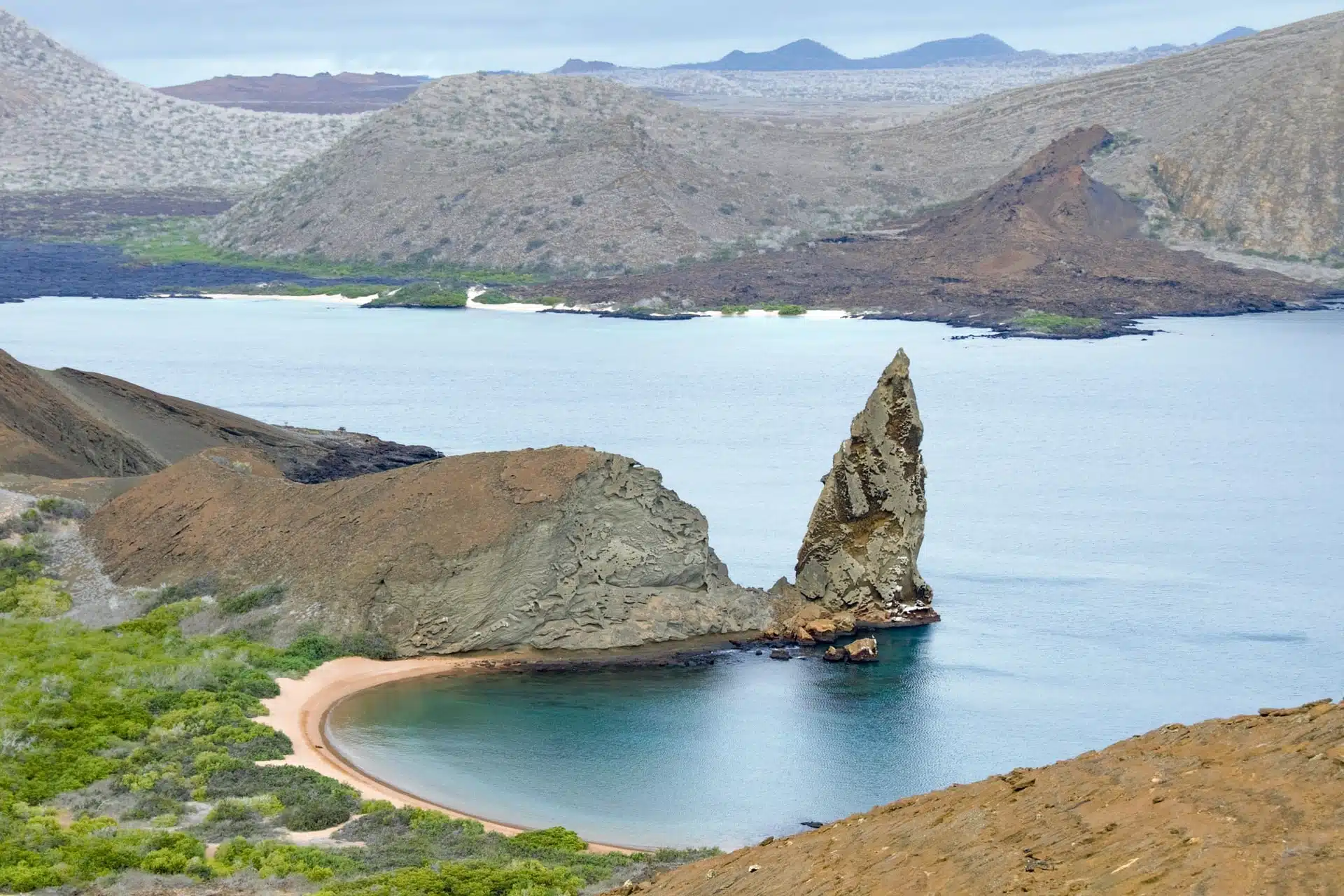
Ecuador is a small country in north-western South America, bordered by Colombia, Peru and the Pacific Ocean. It packs in snow-capped volcanoes, Andean towns, Amazon rainforest, Pacific beaches and the Galápagos Islands. It is easy to combine several of these on one trip.
Its history adds to the appeal. The Inca and then the Spanish left their mark, and two colonial cities, Quito and Cuenca, are UNESCO World Heritage Sites. Here are the 12 best things to do in Ecuador, with tips on when to go and how to plan your trip.
1. Explore the Galápagos Islands
The Galápagos lie about 1,000 kilometres west of the mainland and are a UNESCO World Heritage Site. Giant tortoises, marine iguanas, sea lions, blue-footed boobies and the Galápagos penguin live here. Most of the land belongs to the national park, so you visit marked sites, usually with a licensed guide. On Santa Cruz, the Charles Darwin Research Station in Puerto Ayora explains the conservation work.
2. Walk through the historic centre of Quito
Quito sits high in the Andes and has one of the best preserved colonial centres in Latin America. It was one of the first places to be named a UNESCO World Heritage Site. Start at Plaza Grande, then visit the baroque church of La Compañía de Jesús and the San Francisco church and convent. Calle La Ronda is a good street for an evening stroll.
3. Stroll the streets of Cuenca

Cuenca is a calm, walkable city in the southern Andes, and its old centre is a UNESCO World Heritage Site. Its landmarks include the Old Cathedral, built in the 16th century, and the New Cathedral with its large blue domes. Parque Calderón is the central square. The Pumapungo museum has displays on local cultures and Inca ruins. The city is also linked to the making of toquilla straw hats, known worldwide as Panama hats.
4. See Cotopaxi National Park
Cotopaxi is one of the highest active volcanoes in the world, and its near-perfect cone rises to almost 5,900 metres. The national park lies about 50 kilometres south of Quito, so it works as a day trip. Walk around Laguna Limpiopungo, look for wild horses and Andean birds, or join a guided hike higher up. Access can change when the volcano is active, so check before you go.
5. Hike in Cajas National Park
Cajas National Park is about 30 kilometres from Cuenca. It is a high-altitude landscape of grassy moorland, rocky hills and hundreds of lakes. Trails range from short walks to full-day hikes. The weather changes fast and it can be cold, so bring warm, waterproof layers. The altitude is high, so go slowly. Many visitors come for the walking and the birdlife.
6. Walk the Malecón 2000 in Guayaquil
Guayaquil is Ecuador’s largest city and the main gateway to the Galápagos. Its best-known attraction is Malecón 2000, a long riverside promenade along the Guayas River with gardens, museums and places to eat. Nearby, climb the steps of Cerro Santa Ana through the colourful Las Peñas district for views over the city and river. Parque Seminario is known for its iguanas.
7. Try adventure sports in Baños
Baños is a small town in the Andean foothills, below the Tungurahua volcano. It is known for waterfalls, hot springs and outdoor activities such as canyoning, rafting and cycling. Many visitors ride the road of waterfalls to the Pailón del Diablo. Others relax in the thermal baths. The setting is green and the town has plenty of cafés and guesthouses.
8. Visit the Quilotoa crater lake
Quilotoa is a volcanic crater filled with a bright green-blue lake, set high in the Andes. You can look down from the rim, walk to the water or hike part of the Quilotoa Loop, which links small highland villages. The area is rural and the altitude is high, so allow time to adjust and take warm clothes, even on sunny days.
9. Shop at the Otavalo market
Otavalo is famous for its market, which is biggest on Saturdays. Stalls sell textiles, ponchos, woven bags, jewellery and crafts made by the Kichwa Otavalo people. Arrive early, bargain politely and look at the quality before you buy. Nearby you can walk around Laguna Cuicocha, a crater lake, or visit weaving workshops in the surrounding villages.
10. Watch birds in the Mindo cloud forest
Mindo is a small town in the cloud forest on the western slopes of the Andes, roughly two hours from Quito. It is one of the best places in Ecuador for birdwatching, with hummingbirds, toucans and many colourful species. You can also visit butterfly farms, walk to waterfalls and take a tour of a local chocolate producer. It makes an easy escape from the capital.
11. Discover the Amazon rainforest
Eastern Ecuador, known as the Oriente, is part of the Amazon basin. Reserves such as Yasuní National Park and the Cuyabeno Wildlife Reserve protect rainforest, rivers and wildlife, including monkeys, caimans and many birds. Most visitors stay at a lodge and take guided canoe trips and jungle walks. Choose an operator that works with local communities and follows responsible tourism practices.
12. Go to Podocarpus National Park
Podocarpus National Park is in southern Ecuador, near Loja and Zamora. It covers a wide range of altitudes, from warm lowland forest to cloud forest and high moorland with small lakes. This variety makes it one of the country’s richest areas for plants and birds. The cinchona, Ecuador’s national tree, grows here. It is a quieter option for hikers and nature lovers.
When to visit Ecuador
The Andean highlands are usually driest from June to September, which suits hiking and volcano views. Quito and Cuenca are pleasant all year, but evenings are cool. The coast is warmer and wetter from about December to May. The Galápagos can be visited all year: the warmer, wetter season runs roughly from December to May, and the cooler, drier months from June to November. The Amazon is humid and rainy at any time.
Tips for planning your trip
Most international flights arrive at Quito or Guayaquil. Both cities have flights to the Galápagos. Long-distance buses are cheap and cover most routes, while domestic flights save time. Ecuador uses the US dollar. Quito and many highland places are above 2,500 metres, so take it easy on your first days and drink plenty of water. For the Galápagos, check the current entry fees and rules before you book. Check your government’s current travel advice for Ecuador before you go.
Questions about Ecuador
How many days do I need in Ecuador?
Ten days to two weeks lets you see Quito, Cuenca and a few highland or rainforest places. Add at least four or five days if you want to visit the Galápagos as well.
Do I need a guide in the Galápagos?
In most parts of the national park you must visit with a licensed guide, usually on a day tour or a cruise. Some beaches and towns can be visited on your own. Check current rules before you travel.
Is altitude a problem in Ecuador?
It can be. Quito is high and places such as Cotopaxi, Cajas and Quilotoa are higher. Rest on arrival, drink water, avoid heavy exercise at first and ask a doctor for advice if you have health concerns.